


What do you get when you type “just fashion now” into a search bar? Not a single store, not a single brand, and certainly not a single answer. You get a mood, a demand, and a shopping habit all rolled into three words. That ambiguity is exactly why the phrase is worth unpacking. People use it to mean “fashion that exists in this moment,” “fashion without the extra fuss,” and sometimes “fashion that arrives fast enough to feel current.” Each reading leads somewhere different, and each one tells you something useful about how clothing works in 2026.
This piece sorts out those meanings, looks at what fast fashion is doing right now, and explains what the phrase means in practice when you are standing in front of a rack or scrolling a feed. It leans on documented industry shifts rather than hype, and it flags where the rules are still moving.
Three Ways People Use “Just Fashion Now”
The phrase is not a registered trademark with a fixed definition. It behaves more like a slogan people borrow. In practice, it shows up in three distinct senses.
The first is temporal: fashion that is current, of-the-moment, tied to what is trending this season. In this sense, “just fashion now” is a cousin of “what’s hot right now.”
The second is minimalist: fashion stripped of ceremony. Just clothes. Just outfits. No styling philosophy required. This reading appeals to people who find fashion media exhausting and want a plain answer to “what do I wear?”
The third is speed-based: fashion that arrives now, not in six months. This is where the phrase brushes up against fast fashion and ultra-fast fashion, the segment that ships new styles in weeks rather than seasons.
All three readings share a thread: immediacy. The phrase promises that fashion is available, legible, and current without much effort. Whether that promise holds up is a separate question, and the answer depends heavily on which sense you mean.
What “Now” Actually Looks Like in 2026
The current fashion cycle is unusually busy. Retailers are juggling several overlapping trends at once, and shoppers are being asked to hold more aesthetic options in their heads than at any point in recent memory. A few currents stand out.
Quiet luxury has not disappeared, but it has loosened. Tailoring is softer, fabrics are more tactile, and logos are less shouty. The look reads expensive without announcing a brand.
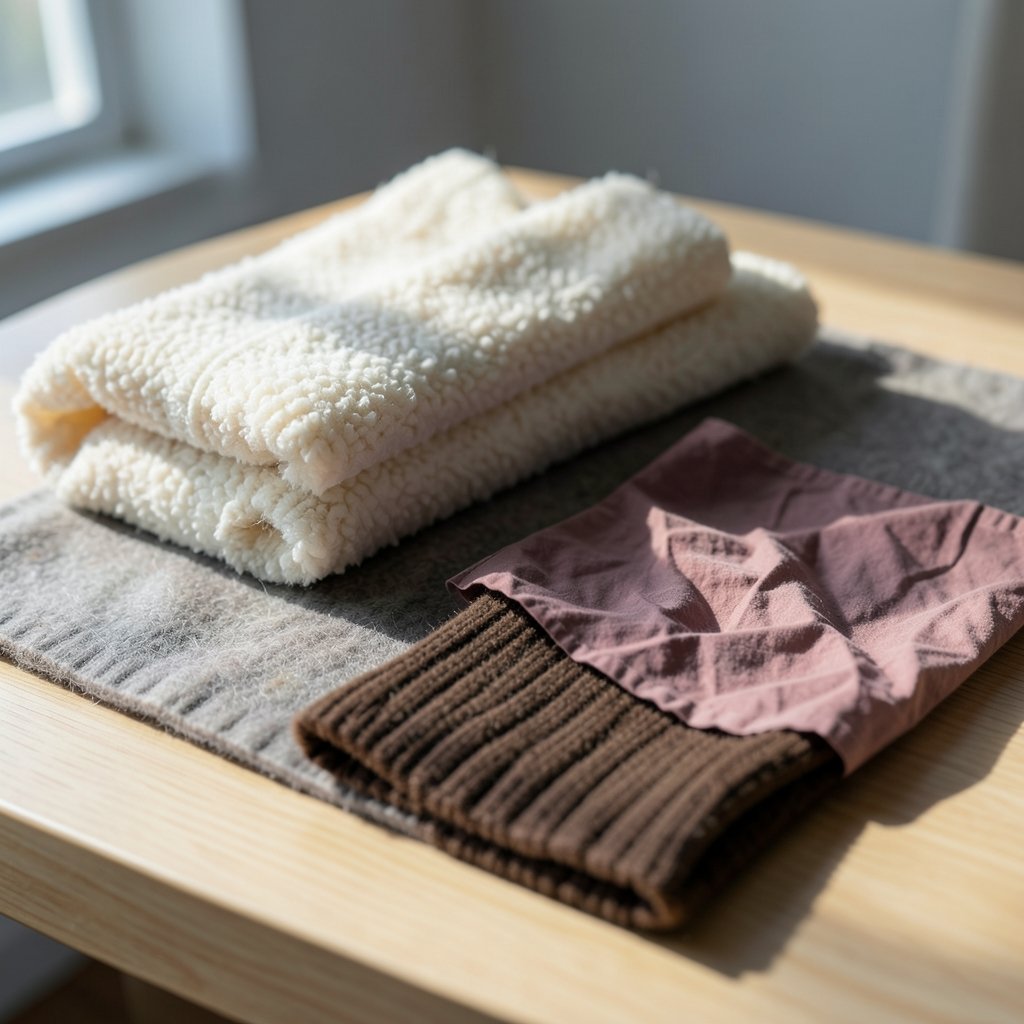
Texture is doing the heavy lifting. Bouclé, brushed wool, crinkled cotton, and ribbed knits are carrying outfits that would otherwise look plain. When color palettes stay muted, texture becomes the personality.
Utility keeps mutating. The shacket, that hybrid shirt-jacket that refuses to die, keeps reappearing in new weights and cuts. If you want the practical version of this trend, there is a solid breakdown of how the shacket still works in 2026 that focuses on fit and fabric rather than hype.
Runway-to-street translation is faster than ever. Illustration and social media now compress the gap between a catwalk look and a high-street copy. A good example is how Angelica Hicks turns runway moments into instantly shareable drawings, which then shape what people think the season “looks like” before the clothes even hit stores.
For a broader sweep of the season, the 2026 fashion trends guide covers what is in, what is out, and what is genuinely worth buying. If you prefer browsing by tag, the fashion trends 2026 archive collects related coverage in one place. And for shoppers who lean toward craftsmanship and heritage houses, the Italian luxury fashion tag is a useful rabbit hole.
Fast Fashion’s Reckoning: What Changed and What Didn’t
The speed reading of “just fashion now” runs straight into the fast fashion debate, and that debate has real legislative weight behind it now.
The starting point is usually the Rana Plaza factory collapse in Bangladesh on 24 April 2013, which killed more than 1,100 garment workers. The exact toll varies slightly between sources, but the event is not disputed. It pushed supply-chain safety onto the public agenda and produced factory safety accords that changed how many brands audit their suppliers.
The environmental picture is equally documented. The Ellen MacArthur Foundation’s 2017 report on a new textiles economy estimated that clothing use per garment fell by roughly 36% between 2000 and 2015, and that less than 1% of the material used to produce clothing is recycled into new clothing. Those are the foundation’s own estimates, and the methodology is theirs, but the direction of travel has not been seriously challenged.
What has changed since 2017 is the regulatory environment. Several frameworks are now in motion:
| Framework | Status | What it targets |
|---|---|---|
| EU Ecodesign for Sustainable Products Regulation | In force since July 2024 | Durability rules and digital product passports; textile-specific requirements still being drafted |
| EU Strategy for Sustainable and Circular Textiles | Published March 2022 | Fast fashion, greenwashing, product durability |
| France’s ultra-fast fashion bill | Approved by the National Assembly in March 2024; final details in flux | Possible penalties and advertising restrictions |
| EU Green Claims Directive | Proposed March 2023; still under negotiation | Unsubstantiated environmental marketing |
| UK competition authority action on green claims | Investigation opened January 2022; undertakings secured in 2024 | Misleading sustainability claims by major retailers |
The pattern is clear: the rules are tightening, but unevenly and slowly. Anyone who tells you fast fashion is “over” is ahead of the evidence. Anyone who tells you nothing has changed is behind it.
The Practical Test: Does “Now” Mean “Good”?
Here is where the phrase gets tested in real life. A shopper sees a trend, wants it immediately, and buys the fastest available version. That decision usually goes well or badly for reasons that have little to do with the trend itself.
What actually works, based on how clothing performs over time:
Buy the fabric, not the photo. A trend rendered in a thin, scratchy blend will look tired after three wears. The same silhouette in a denser weave survives a season. When you shop fast, check the composition label before the product page.
Check the return window before the impulse. Speed-driven shopping depends on easy returns. If a retailer’s return policy is short or restocking fees apply, the “now” advantage evaporates.
Treat trends as proportions, not outfits. A wide-leg trouser trend is really a proportion shift. You can adopt the proportion with one pair and keep wearing everything else you own. Buying the full styled look is where budgets break.
Watch for the green-claim trap. Words like “conscious,” “responsible,” and “eco” are marketing until proven otherwise. Regulators in the UK and the EU have both pushed brands on this, precisely because the claims outran the evidence.
Common mistakes people make with the speed reading of the phrase:
- Assuming a trend is new when it is a revival. Most “now” trends are recycled proportions with new styling.
- Buying multiple versions of the same trend in one season, then wearing none of them next year.
- Confusing fast delivery with good fit. Speed does not fix a bad size chart.
- Trusting a sustainability badge without checking who issued it and what it covers.
Where the Phrase Is Heading
The interesting shift is that “now” is becoming less about speed and more about relevance. Two forces are pushing in that direction.
First, resale and rental have normalized the idea that you can wear something current without owning it new. That directly undercuts the assumption that “now” requires a purchase.
Second, durability rules are coming. The EU’s ecodesign framework is designed to make products last longer and to give shoppers better information at the point of sale through digital product passports. The textile-specific details are still being written through delegated acts, and the timing is genuinely uncertain, so treat any specific launch date you see online with caution.
Third, platform regulation is reshaping ultra-fast fashion. Shein’s designation as a very large online platform under the EU’s Digital Services Act in 2024 brought additional compliance obligations, and both Shein and Temu drew sustained regulatory attention across the US and EU through 2023 and 2024. That does not mean the model ends. It means the model gets more expensive to run.
For readers who want to follow the trend conversation without drowning in it, there is a practical guide to finding the best fashion substacks without wasting your inbox that filters for signal over volume. And if you are curious how fashion media packages a moment into a product, the Barbie world tour book that delivers the fashion the movie only hinted at is a good case study in how a trend becomes a collectible.
One more angle worth watching: the phrase “just fashion now” may itself be a brand or campaign name that has not yet surfaced in mainstream coverage. If a company adopts it, the meaning will likely narrow fast. Until then, treat it as a description, not a destination.
A Short Buying Checklist for the “Now” Shopper
If you take the phrase at face value and want current clothes without the usual regrets, run this sequence:
- Name the trend in one sentence. If you cannot, you do not need it yet.
- Check whether you already own something that satisfies it. Proportion trends are often already in your closet.
- Read the fabric composition. Natural fibers and denser blends age better than loose synthetics.
- Confirm the return window and any fees.
- Ignore sustainability language unless it names a specific, checkable standard.
- Wait 48 hours. Most “now” purchases survive the pause. The ones that do not were never really about the clothes.
That last step is the one people skip, and it is the one that saves the most money.
Conclusion
“Just fashion now” is less a destination than a pressure test. It asks whether fashion can be current, simple, and immediate all at once. In 2026, the honest answer is: partly. Trends move fast, and the styling conversation is louder than ever. But the rules around durability, green claims, and supply chains are tightening, and the smartest shoppers are learning to separate “available now” from “worth having now.” The phrase will keep shifting as brands, regulators, and platforms fight over what it means. Your best defense is a short checklist, a 48-hour pause, and a habit of reading the label before the caption.
Frequently Asked Questions
Is “just fashion now” a real brand?
There is no established, widely documented brand by that name in mainstream fashion coverage. The phrase functions more as a slogan or search habit than as a company. If a brand does adopt it, expect the meaning to narrow quickly and check the company’s registration before buying.
What does “now” mean in fashion terms?
It usually means current-season relevance: styles that match what is trending this month rather than what was shown six months ago. In fast fashion contexts, it can also mean speed of delivery, where new styles appear in weeks instead of seasonal cycles.
Is fast fashion actually being regulated?
Yes, but unevenly. The EU’s ecodesign regulation entered into force in July 2024 and sets a framework for durability and product passports, though textile-specific rules are still being drafted. France approved an ultra-fast fashion bill in its National Assembly in March 2024, with final details still in flux. The UK competition authority secured undertakings from major retailers in 2024 over green claims.
How can I tell if a sustainability claim is trustworthy?
Look for a named standard with a published methodology, not a vague word like “conscious.” Regulators in the EU and UK have both challenged brands over unsubstantiated claims, and the EU’s Green Claims Directive, proposed in March 2023, is still under negotiation. If a claim cannot be checked, treat it as marketing.
Why do so many “now” trends look familiar?
Because most trends are proportion shifts rather than inventions. A wide leg, a cropped jacket, or a textured knit has appeared before in a different styling context. Recognizing the underlying shape helps you shop your own closet instead of buying a duplicate.
What is the single best habit for shopping current trends?
Pause for 48 hours before buying. Most impulse purchases tied to a trend do not survive the wait, and the ones that do tend to be pieces you actually wear. Pair that pause with a quick fabric-composition check and you avoid most of the common regrets.














