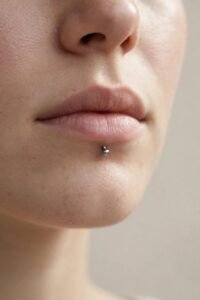
Most scars fade and flatten with time, but a keloid scar does the opposite. It is a raised, firm scar that keeps growing beyond the edges of the original wound, sometimes long after the skin has healed. A keloid scar is not dangerous in itself, yet it can itch, feel tender and change how a patch of skin looks.
So what is a keloid scar? It is the result of the skin making too much scar tissue during healing. The body produces extra collagen, and instead of stopping once the wound is closed, the process carries on. The result is a smooth, raised area that spreads past the original wound.
Key takeaways:
- A keloid scar is raised scar tissue that grows beyond the edges of the original wound, unlike an ordinary scar, which stays within them.
- Keloids form because healing produces too much collagen, and the process does not switch off when the wound closes.
- They are most common on the chest, shoulders, upper back, jawline and earlobes, and often appear between the ages of 10 and 30.
- Family history, skin type and the site and tension of a wound all affect the likelihood of a keloid forming.
- Keloids rarely shrink on their own, and they can return after treatment.
What is a keloid scar?
A keloid scar is a type of raised scar that forms when the skin overproduces collagen while a wound heals. Normally the wound closes, new tissue fills the gap, and the scar gradually flattens. In a keloid, the repair process overshoots: extra collagen keeps being laid down, and the scar grows thicker and wider than the injury that caused it.
The scar usually feels smooth and rubbery, and its surface often looks shiny. It may be pink, red or darker than the skin around it. Some stay small and cause no trouble beyond their appearance; others grow steadily and can feel tight, itchy or tender. Keloids are not contagious, and they are benign, which means they are not cancerous.
How is a keloid different from other scars?
Not every raised scar is a keloid, and the distinction matters. The most common point of confusion is the hypertrophic scar, which is also raised and red but stays within the borders of the original wound. A hypertrophic scar often flattens on its own over a year or two. A keloid does the opposite: it spreads beyond the wound, keeps growing, and rarely shrinks without help.
An ordinary flat scar is pale and settled once mature, and it does not grow. An atrophic scar sits below the surface, like the pitted marks acne can leave. Itching is another clue: many keloids itch, sometimes intensely. An ordinary scar may itch while it heals, but the itching usually fades.
| Scar type | How it looks | Does it spread beyond the wound? | Does it fade on its own? |
|---|---|---|---|
| Keloid scar | Raised, firm and shiny; pink, red or darker | Yes, past the wound edges | Rarely; it stays or grows |
| Hypertrophic scar | Raised and red, inside the wound area | No | Often, over one to two years |
| Ordinary flat scar | Pale, flat and settled | No | Yes, it fades with time |
| Atrophic scar | Dipped below the skin surface | No | It may soften; the dip remains |
Why do keloid scars form?
Healing is a balancing act. When skin is injured, the body sends cells called fibroblasts to the wound, and they produce collagen to rebuild the tissue. In normal healing, production slows once the wound is closed. In a keloid, that slowdown does not happen: fibroblasts keep working, collagen keeps accumulating, and the scar keeps growing.
Why this happens in some people and not others is not fully understood, but the pattern is clear. Keloids run in families, which points to an inherited tendency. They are also more common in people with darker skin, including people of African, South Asian and East Asian heritage. They appear most often between the ages of 10 and 30.
The kind of injury matters too. Keloids can follow surgery, burns, acne, chickenpox, insect bites, vaccinations, tattoos and body piercings. Wounds under tension, where the skin is pulled tight as it heals, are more likely to form keloids, which is one reason the chest and shoulders are common sites. Infection or slow healing can also increase the chance.
Where do keloid scars most often appear?
Keloids can appear anywhere on the body, but they have clear favourite sites. The chest, shoulders and upper back are the most common, followed by the earlobes, the jawline and the neck. These are areas where the skin is under natural tension, or where movement constantly pulls at a healing wound.
Some areas rarely develop keloids. The palms, the soles of the feet and the eyelids are unusual sites. Size varies widely: some keloids stay a centimetre or two across, while others spread across the chest or shoulder. Large keloids can feel heavy and tight, and they can limit movement if they form over a joint.
What affects your risk?
The strongest influence is whether keloids run in your family. If a parent or sibling has them, your own chance is higher. Skin type is the next factor: people with darker skin are more likely to develop keloids.
Age plays a part as well. Keloids most often appear in the teens, twenties and early thirties, and they are uncommon after middle age. If you have formed a keloid before, a new wound carries a higher chance of doing the same. Deep injuries, burns and wounds that heal slowly are more likely to keloid than clean, shallow cuts, so knowing these factors helps you make sensible decisions before an elective procedure, a tattoo or a piercing.
How should you care for a healing wound?
Good wound care will not guarantee that a keloid never forms, but it gives the skin its best chance of healing neatly. Keep the wound clean and covered while it heals. Avoid picking at scabs or scratching the area, because reopening a wound restarts healing and prolongs the period when excess collagen can form.
Sun protection matters too. New scars are sensitive to sunlight, and ultraviolet light can darken a healing scar. Cover a fresh scar, or use a high-factor sunscreen on it once the skin has closed, particularly on the face, neck and chest. A balanced diet with enough protein supports repair, and our guide to high protein foods covers practical sources. If a wound becomes red, hot or swollen, or starts leaking, seek medical advice promptly.
If you know you are prone to keloids, tell a clinician before any planned procedure, including surgery, a piercing or a tattoo. There is no reliable way to prevent a keloid completely. Avoiding unnecessary skin injury is the most useful step if you are prone to them, and clinicians sometimes use dressings, silicone sheets or gels, or pressure garments after surgery.
What treatment options do clinicians discuss?
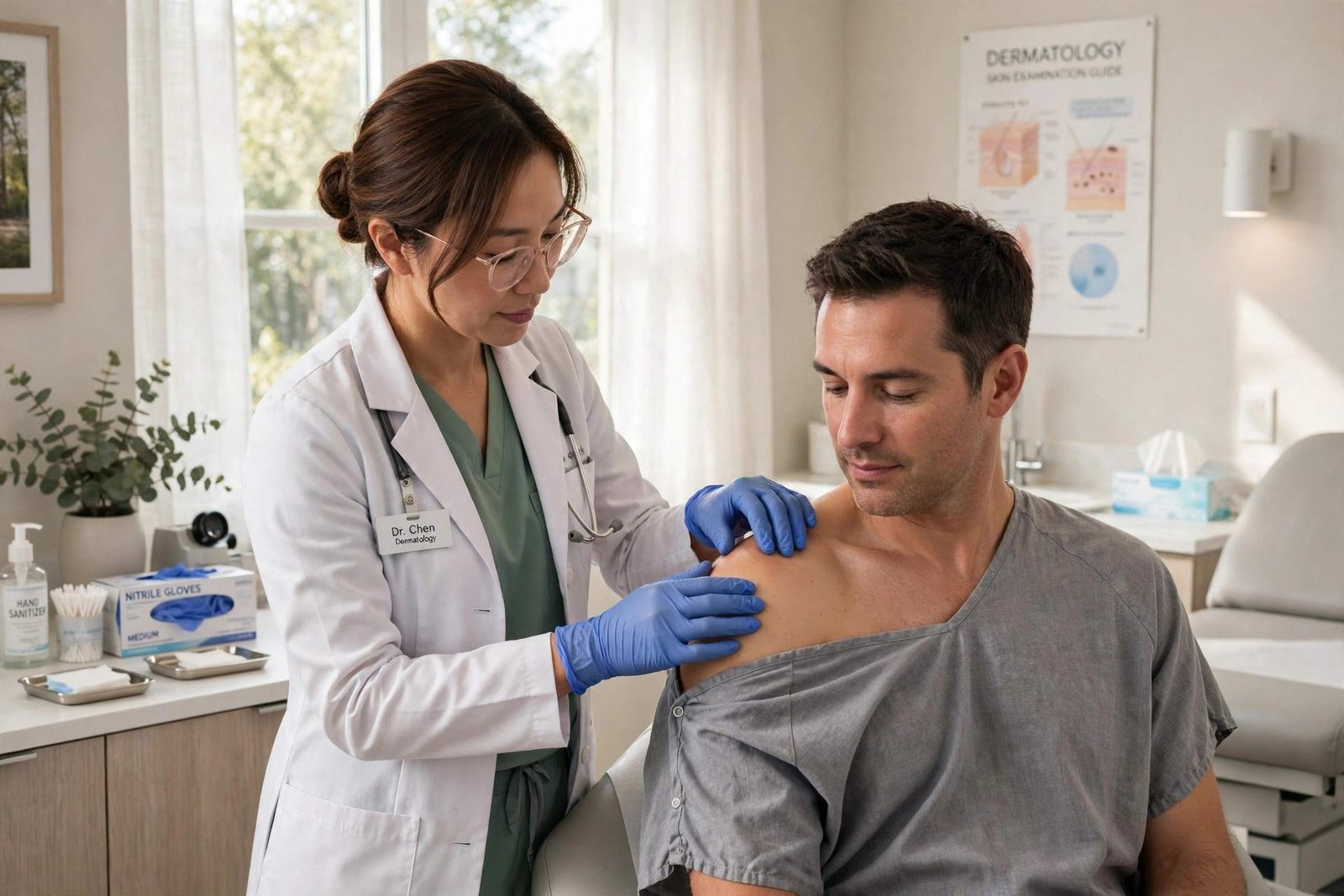
There is no single treatment that removes keloids reliably for everyone. Treatments aim to flatten the scar, ease itching and tenderness, and improve its appearance. The choice depends on the size, site and age of the keloid, as well as your history and preferences. Often, a combination of approaches is used.
Injections into the scar are the most commonly discussed first option. A clinician may inject a corticosteroid directly into the keloid, which can soften it, reduce itching and help it flatten over a series of appointments. Other options include freezing the scar with liquid nitrogen, known as cryotherapy, for smaller keloids, and laser treatment, which can reduce redness and improve the texture of the surface. Pressure therapy with silicone sheets, gels or garments is also used, particularly after surgery.
Surgery to remove a keloid is possible, but the new wound can form another keloid, sometimes larger than the first. For that reason, removal is usually combined with another treatment, such as injections or pressure therapy. Radiotherapy is occasionally discussed by specialists for keloids that keep returning, but it is a specialist decision and is not a first step. Keloids change slowly, and several appointments are usually needed before the result is clear.
Your keloid scar checklist
- Know your history: if a close relative has had a keloid, assume new wounds carry a higher risk.
- Protect healing skin: keep wounds clean and covered, do not pick at scabs, and shield fresh scars from the sun.
- Think before piercing or tattooing: favour low-risk sites and discuss your history with the practitioner first.
- Tell clinicians in advance: mention keloids before surgery, vaccinations or any planned procedure.
- Do not cut or squeeze a keloid: home removal can cause infection and a larger scar.
- Track changes: note if a scar is still growing, itching or feeling tight a year after the injury.
- Ask about options early: smaller, newer keloids are often easier to manage than large, long-standing ones.
Frequently asked questions
Do keloid scars go away on their own?
Keloids rarely shrink or disappear without treatment. Unlike hypertrophic scars, which often flatten over one to two years, keloids usually stay the same size or keep growing slowly.
Are keloid scars painful?
Some keloids are painless and cause no trouble beyond their appearance. Others itch, feel tender or sore, and can sting when pressed or rubbed by clothing. New or worsening pain is worth mentioning to a clinician, as is any sign of infection.
Can you get a keloid from a piercing or tattoo?
Yes. Piercings, especially in the earlobe, are a common trigger, and tattoos can also lead to keloids in people who are prone to them. If you have had a keloid before, discuss the risk with the practitioner and consider a less exposed site.
Is a keloid scar the same as a hypertrophic scar?
No, although the two are often confused. A hypertrophic scar is raised but stays within the borders of the original wound, and it often flattens on its own. A keloid grows beyond the wound edges, keeps growing, and rarely improves without treatment.
Can keloids come back after treatment?
Yes, recurrence is common, and it is one of the most frustrating things about keloids. A keloid can return after injections, freezing or surgery, sometimes larger than before.
Should you worry about a keloid scar?
Keloids are benign and are not a sign of cancer, so in medical terms they are not dangerous. The impact is often practical: itching, tenderness, tightness, and self-consciousness about how the scar looks.
The bottom line
A keloid scar is the skin healing too well, in the wrong direction. The body makes extra collagen, the scar grows past the wound, and the result can be a raised, firm patch that itches, feels tight and refuses to fade. It is not dangerous, but it is persistent, and it can return after treatment.
Your next step is straightforward. If you have a scar that is still growing, itching or feeling tight long after the injury, or if you are prone to keloids and are considering a piercing, tattoo or procedure, book an appointment with your GP or a dermatologist. Our guides to poison ivy and Ozempic face cover other skin changes people often ask about.
This article is general information only and is not medical advice. It does not diagnose, treat or recommend any specific treatment. If you have a scar that is growing, painful, infected or worrying you, or if you are considering any treatment, speak to your GP or a dermatologist for advice about your own situation.