


Ever wonder why a friend with glowing, dewy skin suddenly owns nine bottles and a drawer full of sheet masks? Chances are they fell down the Korean skincare rabbit hole. K-beauty, as it is known worldwide, has moved from a niche import to a global force, and it has changed how millions of people think about their faces. But strip away the marketing and the hype, and there is a genuinely interesting system underneath. This article explains what Korean skincare is, how the routine works, which ingredients matter, and where the honest limits lie.
What Korean Skincare Really Means
K-beauty is the umbrella term for South Korean beauty products and the routines built around them. Its most famous export is the multi-step routine, usually described as ten steps. That framing spread through Western media around 2015 to 2017, when magazines and newspapers discovered that Korean consumers were layering many light products instead of using a few heavy ones.
Here is the thing most people miss: the ten-step label is a marketing shorthand, not a rule. Plenty of Korean consumers use five products. Others use twelve. The philosophy matters more than the count. Korean skincare tends to favor prevention over correction, gentle layering over harsh single treatments, and hydration as the foundation of healthy-looking skin. It also treats sunscreen as a daily skincare step rather than an occasional beach accessory.
Why Korea Became a Skincare Powerhouse
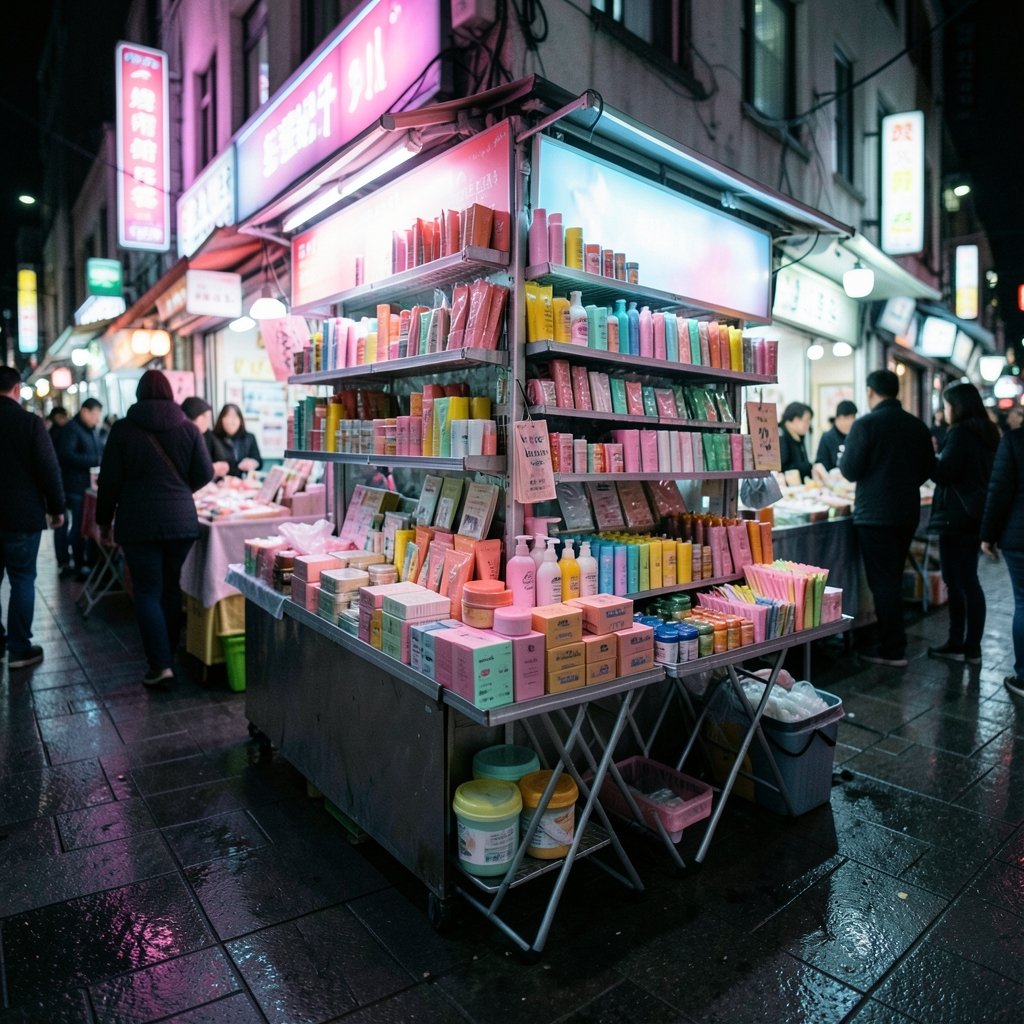
South Korea is one of the world’s largest cosmetics exporters relative to its size, and cosmetics exports reportedly passed USD 10 billion for the first time in 2024 according to Korean government trade data. That scale did not happen by accident. A few structural factors stand out.
First, regulation. Cosmetics in Korea fall under the Cosmetics Act, administered by the Ministry of Food and Drug Safety (MFDS). The law separates “functional cosmetics” from general cosmetics. Functional products, which include sunscreens, whitening products, and wrinkle-improvement products, face review or reporting requirements. That category structure encourages companies to formulate products with active claims and to document them.
Second, sunscreen classification. In Korea, sunscreen is a functional cosmetic. In the United States, it is regulated as a drug under an FDA monograph. That difference is one frequently cited reason newer UV filters appear in Korean products before they reach American shelves. It is a structural distinction, not a judgment about which system is better.
Third, labeling. Korean products typically use the INCI (International Nomenclature of Cosmetic Ingredients) system, so ingredient lists are internationally comparable. A shopper in London can read a Seoul label with the same vocabulary used in Europe.
Fourth, ethics. Korea banned animal testing for cosmetics under an amendment to the Cosmetics Act, effective in 2017, with limited exceptions. That change mattered to a generation of buyers who factor testing policy into purchasing decisions.
The Core Steps, Explained Without the Hype
Most Korean routines follow a logic: cleanse gently, hydrate in layers, seal, protect. Here is how the commonly cited steps map onto that logic.
- Oil cleanse. A cleansing oil or balm dissolves sunscreen, makeup, and sebum.
- Water cleanse. A low-pH foaming or gel cleanser removes sweat and residue without stripping.
- Exfoliate (a few times a week). A gentle acid or enzyme treatment, not a daily scrub.
- Toner. Traditionally a hydrating prep layer rather than the astringent toners of the 1990s.
- Essence. A lightweight, watery treatment layer.
- Serum or ampoule. A concentrated product targeting a specific concern.
- Sheet mask or treatment mask (occasionally). An intensive hydration or calming boost.
- Eye cream. A richer product for the thinner skin around the eyes.
- Moisturizer. An emulsion or cream that seals in the layers below.
- Sunscreen (morning). The non-negotiable final step.
Two of these deserve special attention. Double cleansing, the oil-then-water method, is the most cited core practice. It is a practice, not a regulated standard, and evidence that it beats single cleansing for everyone is limited. People who wear heavy sunscreen or makeup usually notice a real difference. People with dry, sensitive skin sometimes find the oil step irritating and do better with one gentle cleanser.
The other is layering. Applying several thin hydrating layers, sometimes called the “seven skins” method, is a technique rather than a product category. It works because thin layers absorb quickly and let you adjust moisture levels without a heavy cream. It also multiplies the number of products touching your face, which is exactly why patch testing matters.
Ingredients That Earn Their Reputation
Korean formulators popularized a handful of ingredients that now appear in products worldwide. The evidence behind them varies, and it is worth being honest about that.
| Ingredient | Common claim | What to realistically expect |
|---|---|---|
| Snail mucin | Repair, hydration | Good humectant; soothing for many; evidence is mostly cosmetic, not clinical |
| Centella asiatica (“cica”) | Calming, redness relief | Popular in soothing products; some peer-reviewed work exists, but results vary by formulation |
| Rice extract | Brightening, softening | Traditional and well tolerated; modest visible effect |
| Ginseng | Antioxidant, firming | Long used in Korean beauty; research is ongoing |
| Green tea | Antioxidant, soothing | Reasonable supporting ingredient; not a standalone fix |
| Fermented ingredients | Absorption, glow | Trend-driven; the fermentation story is appealing but evidence is thin |
A practical note from experience: the ingredient list order matters more than the hero ingredient on the front of the bottle. If snail mucin appears after fragrance, the product contains very little of it. Look for the ingredient in the first five entries if that is what you are buying the product for.
Glass Skin, Realistic Expectations, and the Trends That Overpromise
The “glass skin” descriptor, meaning dewy and translucent-looking skin, spread internationally around 2017 and 2018, mostly through social media and beauty press. It is a useful visual goal and a terrible literal promise. Nobody’s skin is transparent. What the trend actually describes is well-hydrated skin with a smooth surface that reflects light evenly.
That gap between trend language and reality is where most beginners go wrong. A few common mistakes show up again and again.
- Buying the whole routine at once. Ten new products mean ten new chances for irritation, and no way to tell which one caused it. Add one product every two weeks.
- Skipping sunscreen because the moisturizer “feels hydrating.” Hydration and UV protection are different jobs.
- Over-exfoliating. Korean routines are gentle by design. Adding a daily acid on top of an already active routine undoes that.
- Treating essences as medicine. Essences and toners are support layers. They are not treatments for acne or rosacea.
- Ignoring the patch test. Apply a small amount behind the ear or on the jaw for two or three days before committing to the full face.
How to Build a Routine That Fits Real Life
The smartest approach borrows the Korean logic without copying the product count. Start with four products: a gentle cleanser, a hydrating toner or essence, a moisturizer, and a sunscreen. Use them for a month. Then add one targeted product based on what your skin actually needs, not what a haul video recommended.
If your skin is oily, the oil cleanse may only be necessary on makeup days. If your skin is dry, a hydrating essence layered twice will often do more than a heavier cream. If your skin is sensitive, keep the routine short and introduce actives slowly. The same discipline applies to other beauty categories where the internet pushes complicated routines; the press-on nail care guides make a similar point about doing less, more carefully.
Seasonal adjustment is another Korean habit worth stealing. In humid summer months, many people switch to lighter emulsions and gel creams. In dry winter air, they add a sleeping mask or a facial oil. Your skin changes with the weather, and a fixed routine ignores that.
Where K-Beauty Fits With the Rest of Your Grooming
Korean skincare is not a separate universe from the rest of personal care. The same principles, gentle cleansing, consistent protection, and patience, apply to hair and nails too. Anyone building a full routine might find the auburn hair care advice useful for color maintenance, or the blonde hair guide for understanding how lightened hair needs different treatment than natural hair. Both follow the same logic as skincare: protect the barrier, avoid over-processing, and give it time.
Sunscreen deserves its own mention here. Sensitive-skin users often struggle to find a daily SPF that does not sting or pill under makeup. Reviews of formulas like eltamd uv clear spf 46 are worth reading before committing to a full bottle, because sunscreen is the one product you are supposed to wear every single day. If a formula feels unpleasant, you will skip it, and the whole routine loses its anchor.
For readers who like to give skincare as a gift, the luxury skincare gifts roundup offers ideas that avoid the guesswork of picking actives for someone else’s skin type.
The Honest Limits of the K-Beauty Story
It would be easy to write a breathless article about Korean skincare. The balanced version is more useful. The routine works for many people because it is built on sound basics: gentle cleansing, hydration, and daily sun protection. Those basics are not uniquely Korean. Dermatologists everywhere recommend them.
The multi-step format has real drawbacks. It is expensive, time-consuming, and prone to causing irritation when too many products launch at once. Some trends, like fermented essences, rest on thin evidence. Others, like the “glass skin” promise, set expectations no product can meet. And the constant novelty cycle, new cushions, new ampoules, new masks every season, encourages buying over consistency.
What Korean skincare genuinely got right is the framing. It treats skincare as maintenance rather than rescue, and it treats sunscreen as a daily habit rather than a vacation item. That mindset is free, portable, and effective regardless of which brands you buy.
Conclusion
Korean skincare is best understood as a philosophy dressed up as a product count. The ten-step routine is a useful template, not a requirement, and the ingredients that made K-beauty famous, from snail mucin to centella, are supporting players rather than miracles. What actually delivers results is unglamorous: cleanse gently, hydrate consistently, protect from the sun every day, and introduce new products slowly enough to know what works. Korea’s regulatory structure, its functional-cosmetics category, and its export scale explain why the industry produces so much innovation. Your skin does not need all of it. It needs a short routine you will actually follow, adjusted for the season and for what your face tells you.
Frequently Asked Questions
Do I really need ten steps in Korean skincare?
No. The ten-step routine is a popular framework, not a rule. Most dermatologists and experienced users recommend starting with four products: cleanser, hydrating layer, moisturizer, and sunscreen. Add targeted products one at a time based on what your skin needs.
Is double cleansing necessary every day?
It depends on what is on your skin. If you wear sunscreen or makeup, an oil cleanse followed by a water cleanse helps remove both thoroughly. If you have dry or sensitive skin and wear little product, a single gentle cleanser is often enough. Double cleansing is a practice, not a regulated standard, and evidence that it suits everyone is limited.
Are snail mucin and centella asiatica proven to work?
Both are popular and generally well tolerated, but the evidence is mixed. Snail mucin functions mainly as a humectant that helps skin hold water. Centella has some peer-reviewed research behind it as a soothing ingredient, though results vary by formulation. Neither is a treatment for a medical skin condition.
Why is Korean sunscreen different from American sunscreen?
In Korea, sunscreen is regulated as a functional cosmetic under the Cosmetics Act, overseen by the Ministry of Food and Drug Safety. In the United States, it is regulated as a drug under an FDA monograph. That structural difference is one commonly cited reason newer UV filters appear in Korean products before American ones.
How long before I see results from a Korean skincare routine?
Hydration improvements can show up within a week or two. Changes in tone or texture typically take four to eight weeks of consistent use. Anyone promising overnight transformation is overselling. Consistency matters far more than the number of products.
Is Korean skincare cruelty-free?
Korea banned animal testing for cosmetics under an amendment to the Cosmetics Act, effective in 2017, with limited exceptions. That said, individual brands vary in their policies, and products sold in other markets may be subject to different testing requirements. Check the specific brand if this matters to you.









