

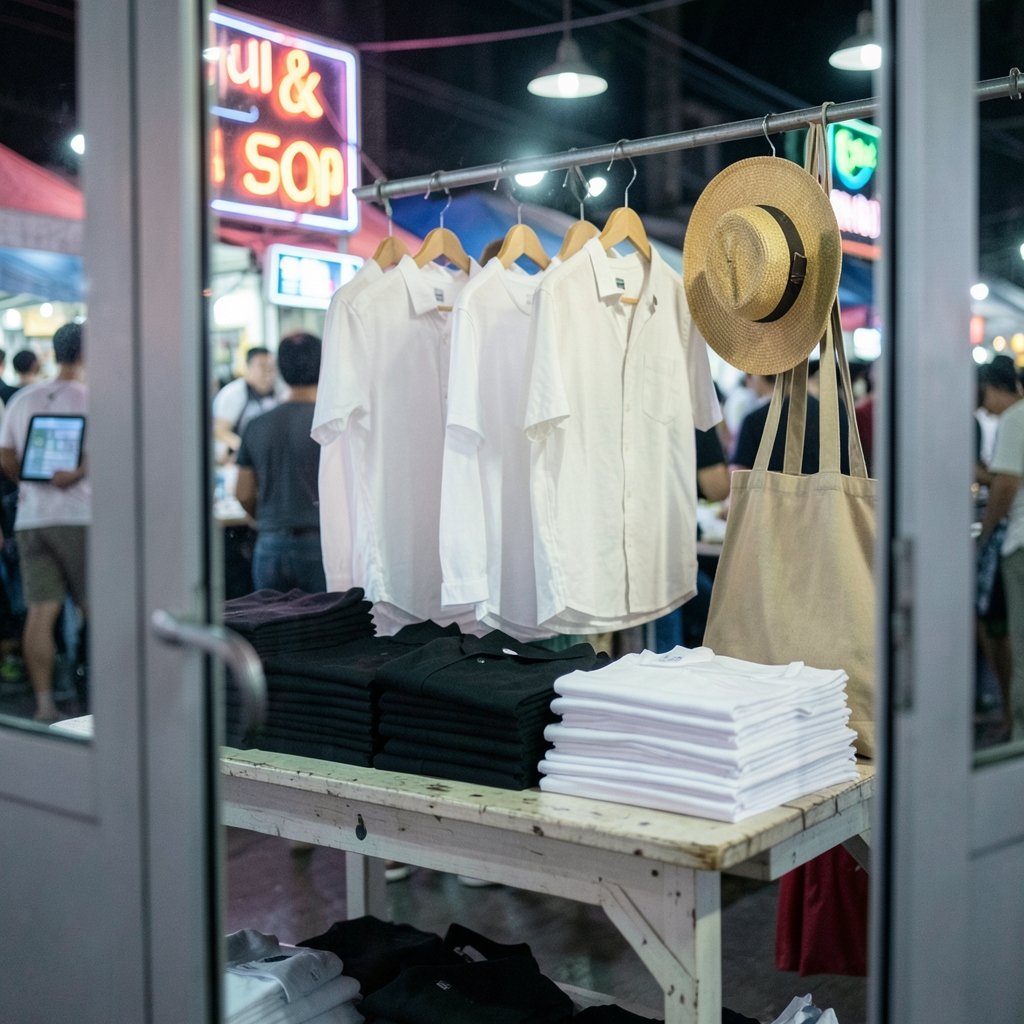
What if the biggest mistake in men’s summer fashion has nothing to do with style and everything to do with fabric? Most men blame the heat when they feel uncomfortable in July. In truth, the problem is usually the cloth. A heavy cotton tee, a polyester blend shirt, a dark suit jacket at an outdoor wedding: each one traps warmth and moisture against the skin. Get the materials right, and summer dressing becomes almost easy. Get them wrong, and no amount of styling will save the outfit.
This guide covers what works, what fails, and why. It leans on textile facts, public health guidance on hot-weather clothing, and the practical habits that separate men who look put-together in August from men who look like they’ve given up by noon.
Why Fabric Matters More Than Fit
Public health bodies consistently recommend loose, light-coloured clothing in hot weather to reduce heat stress. That guidance is about survival, not style, but the two overlap more than most men realise. A fabric that breathes keeps the body cooler. A fabric that wicks moisture dries faster. A fabric that does neither turns into a damp, clingy layer by mid-morning.
Linen, made from the flax plant, absorbs moisture well and dries quickly. It wrinkles constantly, and that wrinkle is best treated as part of the look rather than a defect to iron away. Seersucker is woven with alternating taut and slack threads, which creates a puckered texture that lifts the cloth slightly off the skin. That small gap of air makes a measurable difference on a humid day. Cotton is the default for good reason, though its water footprint is a real sustainability concern, and estimates vary widely depending on how and where it’s grown.
The practical rule: if you can hold a shirt up to a window and see light through it, it will probably breathe. If it feels smooth and slightly plasticky between your fingers, it will probably trap heat.
The Core Summer Wardrobe, Built Around Five Pieces

Most men overbuy and under-wear. A tight rotation of well-chosen pieces beats a closet full of novelty. The mens wardrobe essentials for summer come down to a short list.
| Piece | Best fabric | Why it works | Common mistake |
|---|---|---|---|
| Short-sleeve button-up | Linen or linen-cotton | Breathes, looks intentional untucked | Buying it too fitted across the chest |
| Polo shirt | Piqué cotton or merino blend | Holds shape, works up or down | Choosing a shiny synthetic blend |
| Chinos or linen trousers | Cotton twill or linen | Light enough for heat, structured enough to look sharp | Going too slim through the thigh |
| Shorts | Cotton or linen, above the knee | Airflow without looking sloppy | Length past the knee |
| Light jacket | Unlined linen or seersucker | Handles cool evenings and dress codes | Heavy lining that defeats the purpose |
Notice what’s missing: no graphic tees in the core list, no cargo shorts with eight pockets, no athletic sneakers pretending to be smart shoes. Those items have their place, but they aren’t the foundation.
Linen: The Workhorse With a Reputation Problem
Linen gets a bad rap from men who associate it with looking rumpled and unfinished. The fix isn’t to avoid it. The fix is to buy it slightly looser than you would a cotton shirt and accept the creasing as texture.
A few practical notes from experience. Linen shirts shrink a little on the first wash, so a marginally roomier fit settles into the right shape. Linen trousers benefit from a half-lining at the waist, which stops them clinging. And linen blends, usually with cotton or a small amount of elastane, wrinkle less and drape more predictably than pure linen. If you’re new to the fabric, start with a blend and graduate to the real thing.
The colour question matters too. White and pale blue reflect light and hide sweat marks far better than navy or black. If you insist on dark linen, wear it at night.
Seersucker and Madras: The American Summer Tradition
Seersucker became tied to American summer suiting in the early-to-mid twentieth century, and it survives because the engineering is genuinely clever. The puckered weave does the cooling work, and the classic blue-and-white stripe reads as deliberately summery rather than accidental.
Madras, a lightweight checked cotton from Chennai in India, arrived in American wardrobes through the same mid-century campus culture that popularised the broader preppy look. “Bleeding madras” refers to the dye running on the first wash, which was historically treated as a selling point rather than a flaw. Modern versions are usually colourfast, but the bright checks remain the point.
Both fabrics sit comfortably within the tradition of 1950s fashion trends for men, which is where a lot of today’s relaxed summer tailoring traces its roots. Wearing them now isn’t retro costume. It’s using fabrics that were designed for heat long before air conditioning made the problem less urgent.
Dressing for a Summer Wedding Without Melting
Summer weddings are where men’s warm-weather dressing gets tested hardest. A dark wool suit in direct sun is a genuine mistake, not a stylistic choice. The good news is that mens summer wedding attire has loosened considerably, and there are now several routes that look sharp without cooking the wearer.
For a daytime outdoor ceremony, an unlined linen or linen-blend suit in sand, light grey, or pale blue is the safest strong choice. Pair it with an open-collar shirt and loafers, and skip the tie unless the invitation signals formality. For a garden party with a relaxed dress code, seersucker trousers with a crisp white shirt and a lightweight blazer work well. For an evening event, a lightweight wool suit in navy remains the most versatile option, because wool regulates temperature better than most people expect when the weave is open.
The best guest outfit ideas for a summer wedding tend to share three traits: light colour, natural fibre, and a fit that allows air to move. If you’re choosing between two suits, pick the one you can raise your arms in without the jacket pulling.
Colour, Pattern, and the Art of Looking Cool
There’s a reason summer style skews pale. Light colours reflect sunlight and, just as usefully, they hide the evidence of a hot day. Dark colours absorb heat and show every drop of sweat.
That said, an all-white outfit is a commitment few men want to make. A more workable approach is a light base with one bolder element: cream trousers with a faded blue shirt, stone chinos with a striped polo, or a pale suit with a pocket square that adds a bit of life. Patterns like madras checks, thin stripes, and small-scale prints add visual interest without weight.
Sunglasses, a good straw or cotton hat, and a lightweight belt do more for a summer look than any single garment. They’re also functional. A hat provides shade, and sunglasses reduce squinting, which is the fastest way to look tired in photographs.
Footwear and the Details People Notice
Shoes make or break a summer outfit faster than anything else. A few rules hold up.
- Canvas sneakers in white or off-white work with shorts, chinos, and even relaxed tailoring.
- Leather loafers, worn without socks or with no-show liners, handle smart-casual events and weddings.
- Suede is fine in dry heat but a poor choice in humidity or near grass.
- Espadrilles and boat shoes are legitimate summer options, but they need to be clean and in good repair.
- Avoid heavy boots and dark dress shoes between June and September unless the dress code demands them.
Socks deserve a mention because men get this wrong constantly. No-show liners solve the sweat problem that bare feet create inside leather shoes. Going truly sockless sounds romantic until you’ve walked a mile in July.
What’s Changing: Relaxed Tailoring and Natural Fibres
Menswear has been moving toward looser fits and natural fibres for several years, a shift often grouped under the “quiet luxury” label. For summer, that’s good news. Wider trousers allow airflow. Unstructured jackets weigh less. Shirts cut with a bit more room drape better in linen and cotton.
The broader spring summer 2026 fashion conversation continues this direction, with an emphasis on fabrics you can feel and fits that don’t require holding your breath. It’s worth noting that trend claims for any specific season should be treated as commentary rather than fact, since they shift quickly and vary by market. The durable takeaway is simpler: relaxed cuts in breathable fabrics will keep working long after any single season’s headline fades.
For men who like to watch the wider picture, Italian luxury fashion has long set the tone for warm-weather tailoring, largely because Italian menswear houses built their summer lines around linen, silk blends, and unstructured construction. The same principles apply at every price point.
Sun Protection Is Part of the Outfit
UV-protective clothing is rated under standards including AS/NZS 4399 in Australia and New Zealand, and UPF 50+ fabric blocks roughly 98% of UV radiation. That’s a meaningful number. A lightweight long-sleeve linen shirt, worn over a tee, offers more protection than sunscreen alone and keeps the sun off the arms.
The practical version: wear a hat with a brim, choose tightly woven fabrics over open weaves when you’ll be outside for hours, and remember that a wet white cotton shirt offers far less protection than a dry one. Sun protection isn’t a style compromise. It’s the reason you’ll still be enjoying summer in twenty years.
Common Mistakes That Undo a Good Outfit
Some errors show up again and again, and most are easy to fix.
- Buying summer clothes too tight. Heat makes the body swell slightly, and a fitted shirt becomes unbearable by afternoon.
- Ignoring the lining. A beautifully light jacket with a heavy polyester lining is a sauna in disguise.
- Overpacking for travel. Three shirts, two pairs of trousers, and one jacket will cover a week if the colours work together.
- Skipping the wash-care check. Linen and madras need cooler washes and gentler drying than cotton jersey.
- Wearing the wrong underwear. Moisture-wicking, breathable fabrics underneath matter as much as the visible layer.
- Treating sunscreen as optional. Fabric protection and sunscreen work together, not as substitutes.
The pattern behind all of these is the same: summer dressing rewards attention to materials and fit, and punishes shortcuts.
Conclusion
Men’s summer fashion isn’t complicated once you stop treating it as a style problem and start treating it as a materials problem. Linen, seersucker, madras, lightweight cotton, and open-weave wool all exist because people needed to function in heat. The men who look best in July and August are rarely the ones with the biggest wardrobes. They’re the ones who bought the right fabrics, sized them for airflow, kept the colours light, and stopped fighting the weather.
Start with one good linen shirt and a pair of well-cut light trousers. Add a seersucker or unstructured jacket when an occasion calls for it. Build outward from there. Summer style is less about what you add and more about what you stop wearing.
Frequently Asked Questions
What is the coolest fabric for men’s summer clothing?
Linen is generally the coolest option because it absorbs moisture well and dries quickly, and its loose weave allows air to pass through. Seersucker is a close second thanks to its puckered texture, which lifts the fabric off the skin. Lightweight, open-weave cotton also works well and is usually cheaper and easier to care for.
Can men wear linen to a summer wedding?
Yes, provided the wedding’s dress code allows it. An unlined linen or linen-blend suit in a light colour, paired with an open-collar shirt and loafers, is appropriate for daytime and outdoor ceremonies. For black-tie or formal evening events, a lightweight wool suit in navy remains the safer choice.
How do I stop sweating through my shirt in summer?
Choose light colours, which hide marks better, and natural fibres that wick moisture away from the skin. Wear a breathable undershirt to create a barrier between your body and the outer shirt. Avoid tight fits, since fabric pressed against the skin traps heat, and keep a spare shirt in the car or office during the hottest weeks.
Are shorts acceptable at smart-casual events?
Increasingly, yes, but the details matter. Choose tailored shorts in cotton or linen that sit just above the knee, in a neutral colour, and pair them with a collared shirt and proper shoes. Avoid cargo shorts, athletic shorts, and anything with visible logos. If the invitation is ambiguous, trousers are always the safer bet.
How many summer outfits does a man actually need?
Fewer than most people think. Five to seven well-chosen pieces, mixed across a week, cover nearly every casual and smart-casual situation. Focus on two pairs of trousers, three shirts, one lightweight jacket, and two pairs of shoes in colours that work together. A tight rotation worn often beats a large wardrobe worn rarely.
Does light-coloured clothing really keep you cooler?
Yes. Light colours reflect more sunlight than dark ones, which absorb heat. Public health guidance on hot weather consistently recommends loose, light-coloured clothing to reduce heat stress. The effect is most noticeable in direct sun, so pale shirts and trousers make the biggest difference at outdoor daytime events rather than in air-conditioned rooms.














