



Quick Answer: How much does a horse cost?
A horse typically costs between $2,000 and $8,000 for a sound, rideable pleasure animal, though competition horses routinely sell for five and six figures. Buyers can act on this range by shopping private sales, breed societies, and rescue or rehoming charities, each of which serves a different budget and risk profile.
Rescue and rehoming routes usually carry adoption fees in the low hundreds rather than a full purchase price, but they come with veterinary checks and often stricter suitability screening. The purchase price is also only the entry ticket; annual upkeep commonly runs from several thousand dollars to well over $10,000 depending on region and stabling.
Before committing, compare purchase price, pre-purchase vet exam fees, board or livery rates, farriery intervals, insurance premiums, transport, tack and saddle fitting, and a settling-in buffer.
A horse can be bought for the price of a used car or for the price of a house. What actually decides the bill? It is rarely the animal alone. The real number comes from purchase price plus a long tail of recurring costs that most first-time buyers underestimate. This guide breaks down what horses cost to buy, what they cost to keep, and where the hidden expenses hide.
What determines the purchase price of a horse
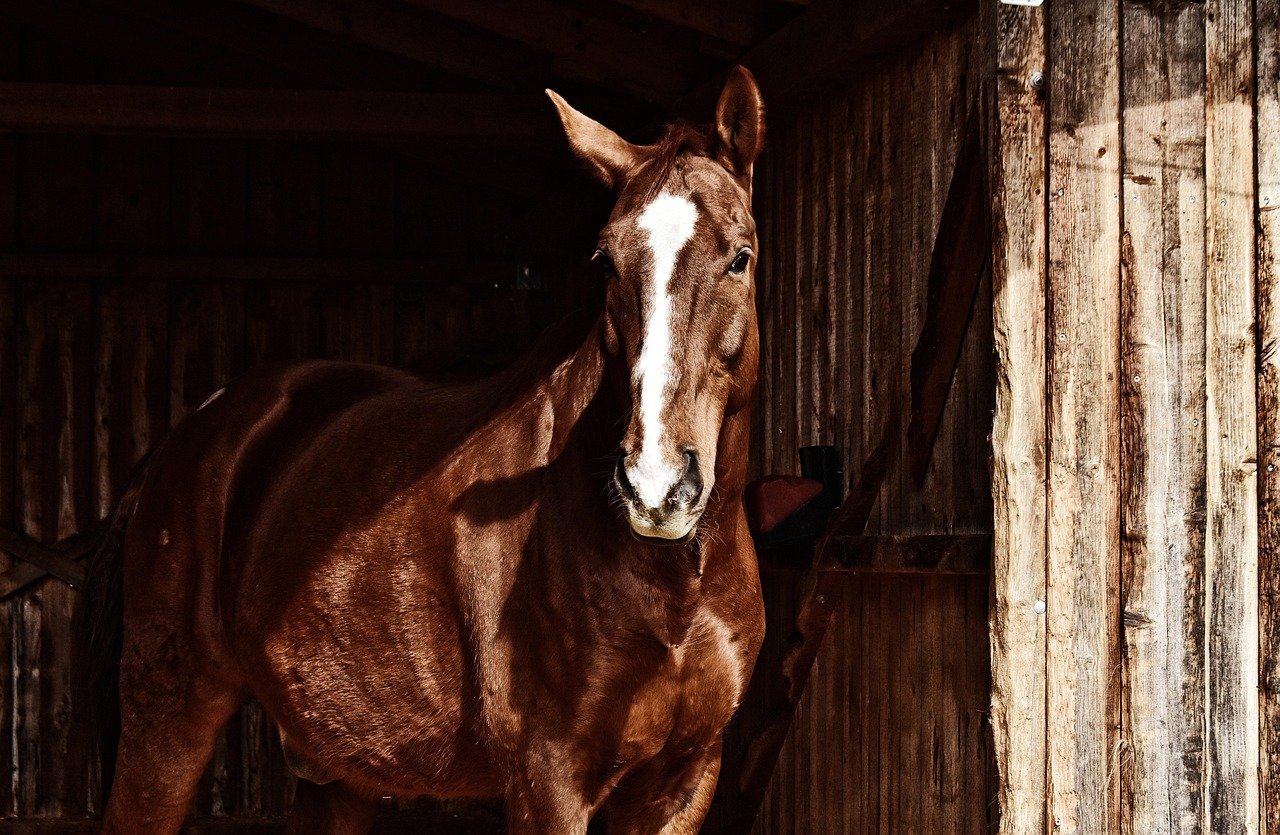
Purchase price swings wildly because a horse is priced on training, temperament, age, soundness, and discipline potential rather than on any fixed market rate. A quiet, sound trail horse in the low-to-mid four figures is a completely different product from a show jumper or dressage prospect that can command five or six figures.
Discipline matters enormously. Western performance, show jumping, and dressage horses sit at the top of the market because they represent years of professional training. A green or unbacked youngster is cheaper upfront but carries training costs later. Age cuts both ways: very young horses are cheaper but unproven, while older horses may be cheaper because of reduced competition lifespan or maintenance needs.
Region and market timing also move prices. Demand shifts after 2020 pushed prices up in many markets, and any single figure should be treated as a snapshot rather than a constant. Breed societies and equestrian federations sometimes publish market commentary, which is worth checking before setting a budget.
The cheapest route in: rescue and rehoming
Rehoming is often the lowest-cost entry point, but “free” horses are not free. Charities typically charge adoption fees in the low hundreds, and adopters should expect a pre-purchase veterinary check plus a suitability assessment. The trade-off is real: rescue horses can carry higher welfare or veterinary risk, and some come with restrictions on future resale.
The practical advantage is structure. Rehoming organizations usually vet both the horse and the adopter, which reduces the chance of a mismatch. The practical disadvantage is choice. If a buyer wants a specific discipline or competition record, rescue is unlikely to deliver it.
The pre-purchase veterinary exam
A pre-purchase exam is standard practice and typically costs a few hundred dollars or pounds. In the UK, the traditional five-stage vetting remains common; in the US, the pre-purchase exam is flexible and can be scaled to the horse’s intended use. X-rays and blood tests add cost.
Skipping this step is one of the most common and expensive mistakes buyers make. A horse that looks sound in a field can fail flexion tests, show subtle lameness, or have heart or eye issues that only a vet will catch. The exam fee is small compared with the cost of treating an undiagnosed condition, and insurers often require it before writing a policy.
Ongoing costs: where the money really goes
Annual ownership costs usually dwarf the purchase price. Board or livery, feed, farriery, dentistry, insurance, and routine vet care commonly run from several thousand to well over $10,000 per year depending on region and stabling arrangement. Full livery at a professional yard sits at the top of that range; DIY livery or keeping a horse at home sits at the bottom.
Farriery is the most predictable recurring cost. Routine shoeing or trimming every six to eight weeks is the standard interval, and the bill depends on region and whether the horse is shod or barefoot. Dentistry is usually annual or twice-yearly. Vaccinations and worming follow a schedule set by the vet.
| Cost category | Typical frequency | Notes |
|---|---|---|
| Board or livery | Monthly | Biggest single line item; varies hugely by region and service level |
| Feed and forage | Monthly | Hay, hard feed, supplements |
| Farriery | Every 6–8 weeks | Shod horses cost more than barefoot trims |
| Dentistry | 6–12 months | Routine floating and checks |
| Insurance | Monthly or annual | Mortality, medical, and liability cover |
| Routine vet care | As scheduled | Vaccinations, worming, dental sedation |
| Emergency vet fund | Unpredictable | Colic and injury can run into thousands |
Insurance and the emergency fund
Insurance is the main tool for managing risk. Mortality, medical, and third-party liability cover are widely offered, and premiums depend on the horse’s value, use, and age. A cheap horse can still be expensive to insure if it is used for competition, and an older horse may face exclusions or higher premiums.
Even with insurance, a cash reserve matters. Excess payments, exclusions, and conditions that fall outside cover mean owners should hold a contingency fund. Colic surgery, in particular, is the classic budget-destroying event, and decisions often have to be made quickly.
Hidden costs most buyers forget
Transport is the first forgotten line. Moving a horse home can cost hundreds depending on distance and whether professional transport is used. Tack is the second: a saddle, bridle, rugs, boots, and grooming kit add up fast, and a poorly fitting saddle is both a welfare problem and a repair bill.
Saddle fitting deserves its own budget line. A qualified fitter should check any new saddle, and saddles may need reflocking or replacing as the horse’s shape changes with fitness. Then there is the settling-in period, when a new horse may need extra feed, hay, and vet attention while it adjusts.
Buyers should also budget for the boring stuff: yard deposits, insurance excess, membership fees for riding clubs, and the cost of lessons if the horse needs schooling. None of these appear in the sale advert, and together they commonly add hundreds to low thousands on top of the purchase price.
Tax and legal points to check
Tax and legal treatment varies by jurisdiction, and buyers should check local rules rather than assume. In the UK, horses are generally not treated as livestock for some purposes, and VAT rules on livery and sales can apply. In the US, state-level rules differ, and sales tax treatment depends on the state and the nature of the transaction.
Passports, microchipping, and ownership transfer requirements also vary. A horse bought without correct paperwork can create problems later at competitions, at the vet, or on resale. It is worth confirming the paperwork before money changes hands rather than after.
Comparing a horse to other big beauty and lifestyle spends
It helps to put the numbers in perspective. A full balayage and colour maintenance cycle costs a fraction of a horse’s annual upkeep, and even premium beauty services rarely approach livery bills. Readers curious about how those costs compare can explore balayage hair and its upkeep or check current balayage cost figures for a sense of scale.
Nails and hair extras follow the same logic. A set of Gel X nails is a modest one-off expense next to farriery, and hair tinsel cost is trivial beside a saddle. Even bigger personal spends such as laser hair removal or a hair transplant are one-time outlays, whereas a horse is a rolling annual commitment.
The comparison is not frivolous. It shows why buyers should think in years, not weeks. A horse is closer to buying a second home than to buying a beauty treatment, and the same discipline of comparing quotes applies.
Practical tips that actually work
Buy with a vet, not with your heart. Arrange the pre-purchase exam before agreeing a price, and be willing to walk away if the vet flags something serious. Ask for the horse’s full veterinary history and passport, and check that the seller’s name matches the records.
Try before you buy, more than once. Ride the horse in the environment where it will live, and watch it being caught, tacked up, and handled on the ground. Temperament problems are harder and more expensive to fix than training gaps.
Budget for the first year separately. Work out board, feed, farriery, insurance, and a vet reserve, then add 20 percent for the unexpected. If the annual figure is uncomfortable, the purchase price is irrelevant.
Get the saddle fitted professionally and have the horse’s teeth checked soon after arrival. These two appointments catch problems early and often save money later. Finally, join a local horse community or club. Advice from experienced owners in the same region is worth more than any generic price guide, because local livery rates and farrier fees vary so much.
Conclusion
How much a horse costs depends far less on the sale price than on what comes after it. A sound pleasure horse might cost a few thousand to buy, but keeping it sound, fed, shod, insured, and comfortable will run into five figures a year in many regions. Rescue and rehoming offer a cheaper entry point, and a pre-purchase vet exam is the single best protection against a bad purchase.
The buyers who do well are the ones who budget for the whole picture: purchase price, exam fees, transport, tack, saddle fitting, insurance, farriery, and an emergency fund. Set the annual budget first, then shop for the horse that fits it. That order of operations is what separates a rewarding ownership experience from an expensive lesson.
FAQ
How much does it cost to buy a beginner-safe horse?
Beginner-safe, quiet horses usually sit in the low-to-mid four-figure range because temperament is a premium feature. Expect to pay more for one with proven hacking or lesson experience, and budget for a pre-purchase exam regardless of price.
Is it cheaper to lease a horse than to buy one?
Leasing spreads the cost and avoids the purchase price, but it usually shifts part of the upkeep to the lessee. It suits riders who want to test ownership or compete for a season without a long-term commitment.
What is the cheapest way to own a horse?
DIY livery or keeping a horse at home is the cheapest route, provided the buyer has time, land, and knowledge. Rehoming a horse from a charity also lowers the entry cost, though welfare and veterinary risk should be assessed carefully.
How much should I set aside for emergency vet bills?
A reserve of several thousand is a sensible target, since colic surgery and major injury treatment can exceed what insurance covers after excess and exclusions. Keep the fund separate and top it up monthly.
Do horses need to be shod, and does it change the cost?
Not all horses need shoes. Barefoot trims are cheaper per visit than full shoeing, but some horses and workloads require shoes. The interval, every six to eight weeks, stays roughly the same either way.
What ongoing costs surprise new owners most?
Farriery frequency, saddle fitting, and the cost of hay through winter catch most people out. Insurance excess and yard deposits are also commonly overlooked when buyers calculate their first-year budget.









