


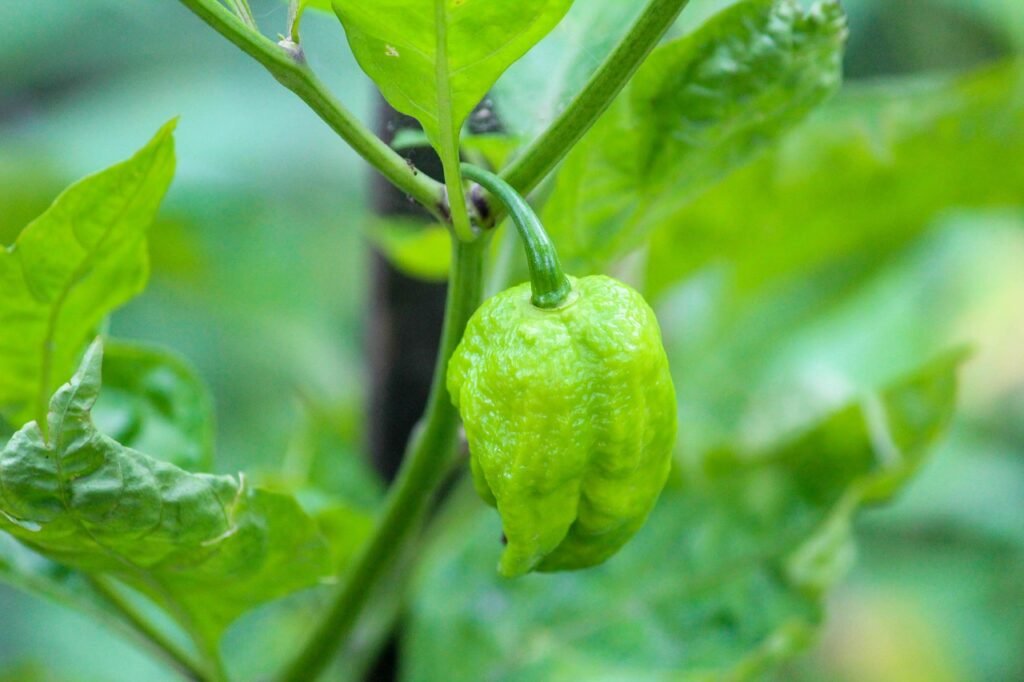
What happens when a pepper crosses the one-million Scoville mark and keeps climbing? For most people, the answer involves tears, a gallon of milk, and a new respect for a small wrinkled chili from Northeast India. The Naga Jolokia, better known as the Bhut Jolokia or ghost pepper, is the chili that broke the million-Scoville barrier and turned extreme heat into a global obsession. It no longer holds the world record, but it still holds a place in kitchens, challenge videos, and hot-sauce labs around the world. This guide covers what the pepper actually is, where its heat comes from, how it was measured, what the real risks are, and how growers and cooks handle it without regret.
What Is the Naga Jolokia Ghost Pepper?
The Naga Jolokia is a chili pepper from the India–Myanmar border region, grown mainly in Assam, Nagaland, Manipur, and nearby areas. The word Naga refers to the Naga peoples of that region, and jolokia is a local term for chili. In English, the pepper is usually called the ghost pepper or Bhut Jolokia. Botanically it is classified as Capsicum chinense, though it carries some C. frutescens ancestry.
That ancestry matters more than it sounds. C. chinense is the species behind most of the world’s superhot peppers, including the habanero family. The ghost pepper looks the part: a lumpy, slightly elongated pod that starts green and ripens to red, orange, or (in some cultivars) chocolate brown. It is a perennial in frost-free climates, which is why growers in warm regions can keep a plant producing for years, and why gardeners elsewhere treat it as an annual or move it indoors for winter.
One naming trap deserves attention early. In parts of India, “Naga Jolokia” is sometimes used for a completely different, much milder C. frutescens cultivar. The confusion shows up in older literature and in seed catalogs that copy each other. If someone claims their “Naga Jolokia” is only mildly hot, they may be growing the wrong plant entirely.
How Hot Is the Ghost Pepper, Really?
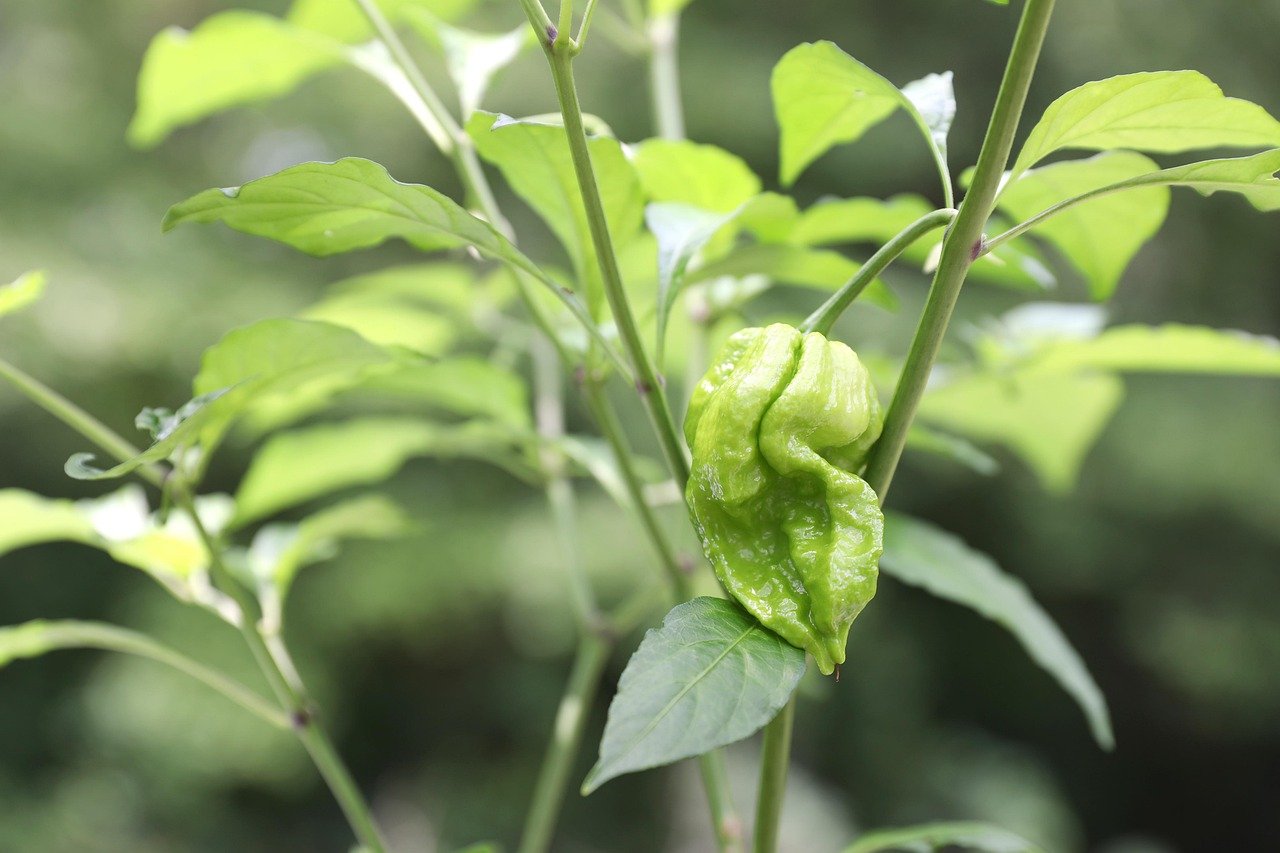
The number most people quote is 1,001,304 Scoville Heat Units (SHU). That figure came from laboratory analysis at New Mexico State University’s Chile Pepper Institute, published in HortScience in 2007, and it made the Bhut Jolokia the first chili officially measured above one million SHU. Guinness World Records recognized it as the world’s hottest chili in February 2007.
But here is the practical catch: published measurements for the ghost pepper vary widely, roughly from 0.8 million to over 1 million SHU, depending on cultivar, soil, climate, stress during growth, and the lab method used. Treat any single figure as approximate. A pepper grown in a cool greenhouse in a short season will often measure lower than one grown in Assam heat. Two pods on the same plant can differ noticeably.
For context, here is how the ghost pepper sits against familiar chilis:
| Pepper | Typical heat range (SHU) | Notes |
|---|---|---|
| Jalapeño | 2,500–8,000 | Mild, supermarket staple |
| Cayenne | 30,000–50,000 | Common dried spice |
| Habanero | 100,000–350,000 | Fruity, still manageable for many |
| Naga Jolokia / Bhut Jolokia | ~800,000–1,000,000+ | First chili above one million SHU |
| Naga Viper | ~1,380,000 | Briefly held the record around 2011 |
| Trinidad Scorpion Butch T | ~1,200,000–1,400,000 | Record holder around 2011 |
| Carolina Reaper | ~1,570,000+ | Record holder from 2013 |
The ghost pepper’s reign was real but short. The record passed to the Naga Viper, then the Trinidad Scorpion Butch T, and then the Carolina Reaper in 2013. Exact recognition dates for each successor are worth checking against current record listings, since record bodies occasionally revise entries.
Where the Heat Comes From
Pungency in chili peppers comes mainly from two compounds: capsaicin and dihydrocapsaicin. These capsaicinoids bind to heat-sensing receptors on your tongue and throat, which is why a pepper feels hot rather than tastes hot. The sensation is a chemical trick, not actual temperature.
The Scoville scale began as a sensory test. Trained tasters diluted pepper extract in sugar water until they could no longer detect heat, and the dilution factor became the rating. Modern values use high-performance liquid chromatography (HPLC) to measure capsaicinoid concentration directly, then convert the result into Scoville-style units. That methodological shift explains part of why old and new numbers for the same pepper don’t always line up.
If you want to understand capsaicin chemistry in more depth than a single article can offer, university food-science and extension resources are the place to start. The short version: capsaicin is fat-soluble, which is why milk, yogurt, and oily foods calm the burn better than water. Water spreads the compound around without removing it.
The Health Risks Nobody Should Skip
Ghost pepper challenges look funny on video. The medical literature treats them more seriously. High-capsaicin peppers can cause severe mouth and throat pain, intense vomiting, and in rare cases injury to the esophagus or stomach. Case reports exist of ghost pepper ingestion leading to esophageal rupture, a genuine surgical emergency. These outcomes are uncommon, but they are not hypothetical.
A few practical cautions that experienced growers repeat constantly:
- Never rub your eyes or touch your face after handling pods, seeds, or fresh-cut peppers. Wear gloves if you are sensitive, and wash hands thoroughly with soap.
- Do not eat a whole pod on a dare. Even a small slice is enough to judge heat.
- Skip the challenge if you have reflux, ulcers, IBS, or heart conditions. Capsaicin can trigger intense gastrointestinal responses.
- Keep peppers away from children and pets. A pod left on a counter looks like a snack to a toddler.
There is also a regulatory angle worth knowing. In the EU, capsaicin extracts above certain concentrations are restricted in food under a 2023 regulation on capsaicinoids. That rule targets concentrated extracts used in food manufacturing, not whole peppers sold fresh or dried. If you are formulating a product with extract, check the current rule rather than relying on secondhand summaries.
Growing Ghost Peppers at Home
Ghost peppers are slow, stubborn, and rewarding. They need a long warm season, plenty of sun, and consistent moisture without waterlogging. In cool climates, start seeds indoors 10 to 12 weeks before the last frost and expect germination to take two to six weeks. A heat mat helps.
Common mistakes that actually cost people a harvest:
- Starting too late. These peppers need months, not weeks. Late starts produce flowers that never ripen before cold arrives.
- Overwatering. Wet roots stall growth and invite rot. Let the top inch of soil dry between waterings.
- Too much nitrogen. You get lush leaves and few pods. Switch to a lower-nitrogen feed once flowers appear.
- Skipping support. Loaded branches snap. Stake early.
- Harvesting green. Flavor and heat develop fully only at full color.
If you grow other chili types nearby, be aware that pepper varieties cross-pollinate easily. Seed saved from a ghost pepper grown next to a milder C. chinense may produce something unpredictable next year. Isolation or hand-pollination solves it. Gardeners who also grow curly, fine-textured varieties like 2b hair types of peppers (the wavy, thin-skinned sorts common in ornamental gardens) often find the contrast in pod shape useful for telling plants apart before labeling. (The row)
Cooking With the Ghost Pepper
The ghost pepper has a fruity, slightly smoky flavor underneath the fire, which is why it works in sauces, chutneys, and dried spice blends. The trick is dilution and restraint. A single pod can flavor a large batch of sauce; a teaspoon of powder can dominate a pot of chili.
Practical approaches that work:
- Dry and grind into powder. Dried ghost pepper keeps for a year or more in an airtight jar away from light. Use a dedicated grinder or clean thoroughly afterward.
- Make a fermented hot sauce. Fermentation rounds off the sharp edges and adds complexity. Blend with fruit like mango or pineapple to balance the burn.
- Infuse oil carefully. Capsaicin is fat-soluble, so oil pulls heat fast. A few slices in a cup of warm oil for 20 minutes is plenty. Do not leave fresh pepper pieces in oil at room temperature, which risks botulism.
- Add at the end, not the start. You can always add more heat; you cannot take it out.
Home cooks who also follow ingredient trends from food media may have noticed ghost pepper appearing in snack chips, jerky, and even sweet treats. Much of that is extract-based heat rather than whole pepper, which tastes harsher and hits faster. Whole-pepper cooking gives a rounder result.
Ghost Pepper vs. Other Superhots
Choosing between superhot varieties comes down to flavor and growing style as much as raw heat. The ghost pepper is more forgiving to grow than the Carolina Reaper and has a more distinctive fruity-smoky profile. The Reaper is hotter and more floral. The Trinidad Scorpion family leans sharp and aggressive. The Naga Viper, a hybrid, sits in between and is harder to source as true seed.
For anyone building a garden around the Naga family, it helps to think of the ghost pepper as the entry point to superhots rather than the summit. Growers who master it often move on to Reapers and Scorpions, then circle back because the ghost pepper’s flavor is simply better in sauces.
Seed sourcing deserves a warning. Superhot seeds are frequently mislabeled, and “ghost pepper” seeds sold cheaply online may produce habanero crosses or the mild C. frutescens cultivar mentioned earlier. Buy from growers who show photos of their parent plants and describe isolation practices. If you are also growing ornamental or fine-textured plant varieties for visual interest, the same isolation logic applies, whether you are comparing 4c hair textures in a gardening forum or pepper pod shapes in a seed swap: consistency comes from controlled breeding, not luck.
A Note on Naming and Records
The ghost pepper’s story is a reminder that pepper names are folk taxonomy, not science. “Naga Jolokia,” “Bhut Jolokia,” “Bih Jolokia,” and “ghost pepper” all circulate, sometimes for the same plant and sometimes not. Regional growers use different names, and early research papers sometimes conflated varieties.
Record status is equally fluid. The ghost pepper was the first chili verified above one million SHU, which is a genuine milestone. It is not the hottest pepper today, and any article or product label claiming otherwise is out of date. When you see a heat claim, check the measurement method and the date. A number without a method is marketing.
Conclusion
The Naga Jolokia ghost pepper earned its fame honestly. It was the first chili measured above one million Scoville units, it comes from a real culinary tradition in Northeast India, and it remains one of the most useful superhots for sauces and spice blends because of its flavor beyond its fire. It is no longer the record holder, its published heat values vary more than most people expect, and eating a whole pod is a genuinely bad idea. Treat it with respect, grow it with patience, and cook with it in small amounts. Do that, and the ghost pepper rewards you with depth instead of just pain.
Frequently Asked Questions
Is the Naga Jolokia the same as the ghost pepper?
Yes, in most usage. Naga Jolokia, Bhut Jolokia, and ghost pepper refer to the same superhot Capsicum chinense pepper from Northeast India. The exception is that some regional sources use “Naga Jolokia” for a milder C. frutescens cultivar, which causes confusion in older literature and in mislabeled seed listings.
Is the ghost pepper still the world’s hottest chili?
No. It held the record from 2007 until the Naga Viper and then the Trinidad Scorpion Butch T took over around 2011, and the Carolina Reaper has held it since 2013. The ghost pepper remains significant as the first chili officially measured above one million Scoville Heat Units.
How hot is a ghost pepper compared to a jalapeño?
A jalapeño typically measures 2,500 to 8,000 SHU. The ghost pepper is usually measured between roughly 800,000 and over 1,000,000 SHU. That makes it well over a hundred times hotter than a typical jalapeño, which is why a small slice is enough for most cooking purposes.
Can eating a ghost pepper be dangerous?
It can be, in rare cases. High-capsaicin peppers cause severe pain and vomiting, and case reports document esophageal injury after ghost pepper ingestion. People with reflux, ulcers, or heart conditions should avoid extreme pepper challenges. Anyone handling fresh pods should keep them away from eyes, children, and pets.
How do you stop the burn from a ghost pepper?
Dairy works best because capsaicin is fat-soluble. Milk, yogurt, or ice cream coat the mouth and help remove the compound. Water spreads it around without helping. Starchy foods like bread or rice can add some relief. Time is the real cure; the sensation fades as the compound dissipates.
Can you grow ghost peppers in a cold climate?
Yes, with planning. Start seeds indoors 10 to 12 weeks before the last frost, use a heat mat for germination, and grow plants in large containers that can move indoors when temperatures drop. The plants are perennials in frost-free climates, so overwintering a potted plant indoors is a practical way to get a head start next season.









