


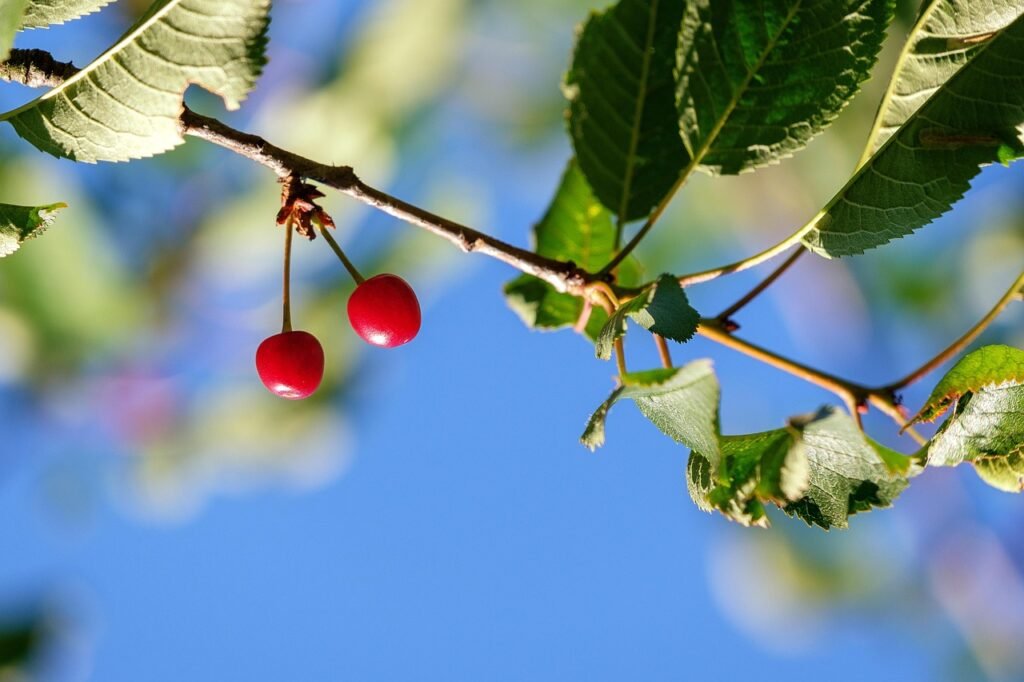
What do you picture when someone says “wilderness cherry”? A bird-planted tree at the edge of a meadow? A bag of cherry-flavored trail mix? A username you saw in a comment thread? That gap between images is exactly the problem with the term. It sounds like a plant, behaves like a brand handle, and gets used loosely enough that people walk away with the wrong idea, sometimes a dangerous one.
This guide untangles the phrase without pretending to certainty it doesn’t have. It covers the most plausible botanical readings, the commercial and digital uses of the name, the identification details that actually matter in the field, and the safety questions anyone foraging should answer before eating anything.
Is Wilderness Cherry a Real Plant Name?
Short answer: not a standard one. Wilderness cherry does not appear to be a widely recognized common name in botanical references, and it is not a name most plant databases treat as official. That matters because common names are how confusion starts.
The phrase most likely refers to one of three things:
- A cultivar or trade name attached to a cherry variety, possibly a nursery marketing label
- A domain-style handle or username, which is how the term circulates online in its “wilderness.cherry” form
- A loose descriptor for wild-growing cherries, most often wild cherry, black cherry, or the hedgerow cherries people forage
If you encountered the term in a plant catalog, treat it as commercial until proven otherwise. If you saw it as a social handle, it is probably just a name. If someone told you it was a tree you could eat from, slow down and verify the species before anything goes in your mouth.
The Wild Cherries People Usually Mean

When the phrase is used botanically, it almost always points to a handful of well-documented Prunus species. Each has different uses, different risks, and a different look in the field.
| Common name | Scientific name | Typical context | Edibility note |
|---|---|---|---|
| Wild cherry / sweet cherry | Prunus avium | Woodland edges, hedgerows, cultivated origins | Fruit edible when ripe; pits contain cyanogenic compounds |
| Black cherry | Prunus serotina | North American forests, disturbed ground | Fruit used in jams and syrups; leaves and pits carry toxicity risk |
| Sour or tart cherry types | Prunus cerasus and relatives | Orchards, garden escapes | Fruit edible; processed rather than eaten fresh |
| Ornamental flowering cherries | Various Prunus cultivars | Parks, streets, gardens | Grown for blossom, not for harvest |
The pattern across all of them: the fruit is the safe part when ripe, and the pits, leaves, and twigs are where the caution lives. Cherry plant parts contain cyanogenic glycosides, compounds that release cyanide when crushed or chewed. That is not a reason to panic. It is a reason to spit out the pits and keep livestock away from wilted cherry leaves.
Why the Name Travels So Poorly
Common names drift. A single tree can carry five regional names, and a single name can attach to five unrelated plants. “Wilderness cherry” sits in that messy middle ground, which is why a few practical habits save a lot of grief.
First, always get the scientific name. A binomial like Prunus serotina is stable in a way no common name is. Second, check synonyms. Plants get reclassified, and older references may list a species under a name that no longer applies. Third, ask where the name came from. A nursery label, a foraging forum, and a seed packet carry very different levels of reliability.
There is a texture angle too. People who spend time around textured hair often swap botanical terms casually, and the same drift happens with plant names. If a hair care product or forum thread mentions a cherry-derived ingredient, the label name tells you almost nothing about which species was used. Readers chasing ingredient details on resources like 4c hair guides run into the same wall: the marketing name and the botanical name are rarely the same thing.
Identifying a Wild Cherry in the Field
Identification is where confidence should come from evidence, not vibes. A few features do most of the work.
Bark
Young cherry bark is smooth and reddish-brown with prominent horizontal lenticels, the little raised dashes that look like scars. Older black cherry bark turns dark and scaly, often described as burnt-cornflake texture. If the bark lacks lenticels entirely, question the identification.
Leaves and twigs
Cherry leaves are alternate, toothed along the edge, and often slightly hairy along the midrib on the underside. Crush a twig and many species give off a bitter, almond-like scent from those cyanogenic compounds. That smell is a diagnostic clue, not an invitation.
Fruit and timing
Cherries hang in clusters on stalks, ripening from green to red to dark purple or black depending on species. Ripening time varies by region and species, so local timing matters more than any chart. Fruit that stays small, hard, and astringent is not ready, and unripe cherry fruit is not worth the stomachache.
What it is not
Watch for lookalikes. Chokecherry and pin cherry share the general profile. Buckthorn produces dark berries that are not cherries at all. Serviceberry fruit looks similar from a distance. A field guide keyed to your region beats any general article, including this one.
Practical Tips That Actually Work
Field experience teaches a few lessons that no identification key covers.
- Photograph before you pick. Bark, leaf underside, fruit cluster, and a whole-tree shot. If you need a second opinion later, those four images answer most questions.
- Never eat a wild fruit on the strength of one feature. Bark alone, leaf alone, or fruit alone is not enough.
- Keep pits away from children and pets. Cherry pits are a choking hazard first and a toxicity concern second.
- Skip roadside trees. Dust, spray drift, and exhaust are real, and no amount of washing fixes a tree growing in a highway median.
- Respect the the row you are foraging along. Hedgerows and field margins are often private land or managed habitat. Ask before you harvest, and leave plenty for birds.
- Label your harvest. If you freeze or dry wild cherries, write the species and date on the bag. Memory fades faster than you expect.
The most common mistake is not misidentification. It is overconfidence after a single good guess. People find one tree that matches a photo, then pick from a second tree that doesn’t. Check every tree individually.
Cherry in Products, Flavors, and Handles
Away from the woods, “wilderness cherry” behaves like a flavor name or a brand. Cherry flavoring in food and drink is usually built from a blend of compounds, and the fruit on the label is often a picture rather than an ingredient. That is normal food marketing, not deception, but it means the name tells you nothing about botanical origin.
In cosmetics and hair care, cherry extracts and cherry kernel oils appear in products aimed at shine and scent. Kernel-derived oils raise the same cyanogenic compound question as the pits themselves, which is why reputable suppliers use refined material. Readers comparing product claims may find ingredient breakdowns alongside texture-focused content such as guides to 2b hair, where the conversation is about what a formula does rather than what the fruit name suggests.
As a username, the term is simply a handle. The dot form is a naming convention, not a species, a cultivar, or a certification. Treat any account using it as an individual voice, not an authority on plants.
Safety: The Questions Worth Asking
Anyone considering eating wild cherries should be able to answer four questions without guessing.
- What species is this, confirmed by more than one feature?
- Which parts am I eating, and are they the safe parts?
- Has this plant been sprayed, and who owns the land?
- Is anyone eating this a child, a pet, or someone with a health condition?
If any answer is shaky, don’t eat it. That is not timidity. It is the standard every forager eventually adopts, usually after one bad afternoon. Cherry pits, leaves, and bark should never be eaten, and wilted cherry foliage is a known hazard for grazing animals. Symptoms of cyanide exposure in people include headache, dizziness, confusion, and nausea, and they warrant urgent medical attention rather than a wait-and-see approach.
Conclusion
Wilderness cherry is a phrase doing several jobs at once. It may point to a wild Prunus species, a nursery label, a flavor, or a username, and the only way to know which is to look at context. For the botanical reading, the reliable path runs through scientific names, multi-feature identification, and a healthy respect for the pits and leaves. For the commercial and digital readings, the name is branding, and branding carries no guarantee. Get the species right, ask who owns the land, keep pits out of reach, and the phrase stops being confusing and starts being useful.
What does wilderness cherry mean?
It is not a standard botanical common name. In practice it most often refers to wild-growing cherry species such as wild cherry or black cherry, or it functions as a cultivar name, product flavor, or online handle. Context decides which.
Is wilderness cherry the same as wild cherry?
Not necessarily. Wild cherry usually means Prunus avium or a closely related species with established botanical standing. Wilderness cherry has no fixed scientific meaning, so it should not be treated as a synonym without confirmation.
Can you eat wild cherries?
The ripe fruit of several wild cherry species is edible, but the pits, leaves, twigs, and bark contain cyanogenic compounds and should not be eaten. Identify the species first, harvest only ripe fruit, and keep pits away from children and pets.
How do you identify a wild cherry tree?
Look for horizontal lenticels on smooth young bark, alternate toothed leaves, and fruit hanging in clusters on stalks. Confirm with more than one feature, and use a field guide keyed to your region, since lookalikes are common.
Are cherry pits dangerous?
Cherry pits contain cyanogenic glycosides that release cyanide when crushed or chewed. Swallowing a whole pit occasionally is usually a choking concern rather than a poisoning one, but pits should never be chewed or ground into food, and large amounts warrant medical advice.
Why is it written as wilderness.cherry with a dot?
The dot form is a naming convention used for usernames and domain-style handles. It signals a digital identity rather than a plant, a cultivar, or any kind of official botanical designation.
For anyone who wants to go further, the useful next step is local, not global. Regional flora guides, extension office publications, and native plant societies publish species lists keyed to your climate and soil. A county-level checklist will tell you which cherries actually grow near you, and that short list is worth more than any national database. Herbaria and citizen-science platforms add another layer: photographed specimens with dates and locations show what ripens when, which turns a vague “summer” into a workable harvest window.
Keep a simple field notebook, too. Record the date, the location, the features you checked, and the features you could not confirm. Over a season or two, those notes become a personal reference that no article can replace, because they describe the trees you can actually walk to. Share them cautiously and label uncertainty honestly; a note that says “probably” is more useful than one that says “certainly” and turns out wrong.
None of this requires expertise. It requires patience, a second look, and the willingness to leave fruit on the branch when the evidence is thin. That habit, more than any single identification trick, is what separates a confident forager from a lucky one.









