

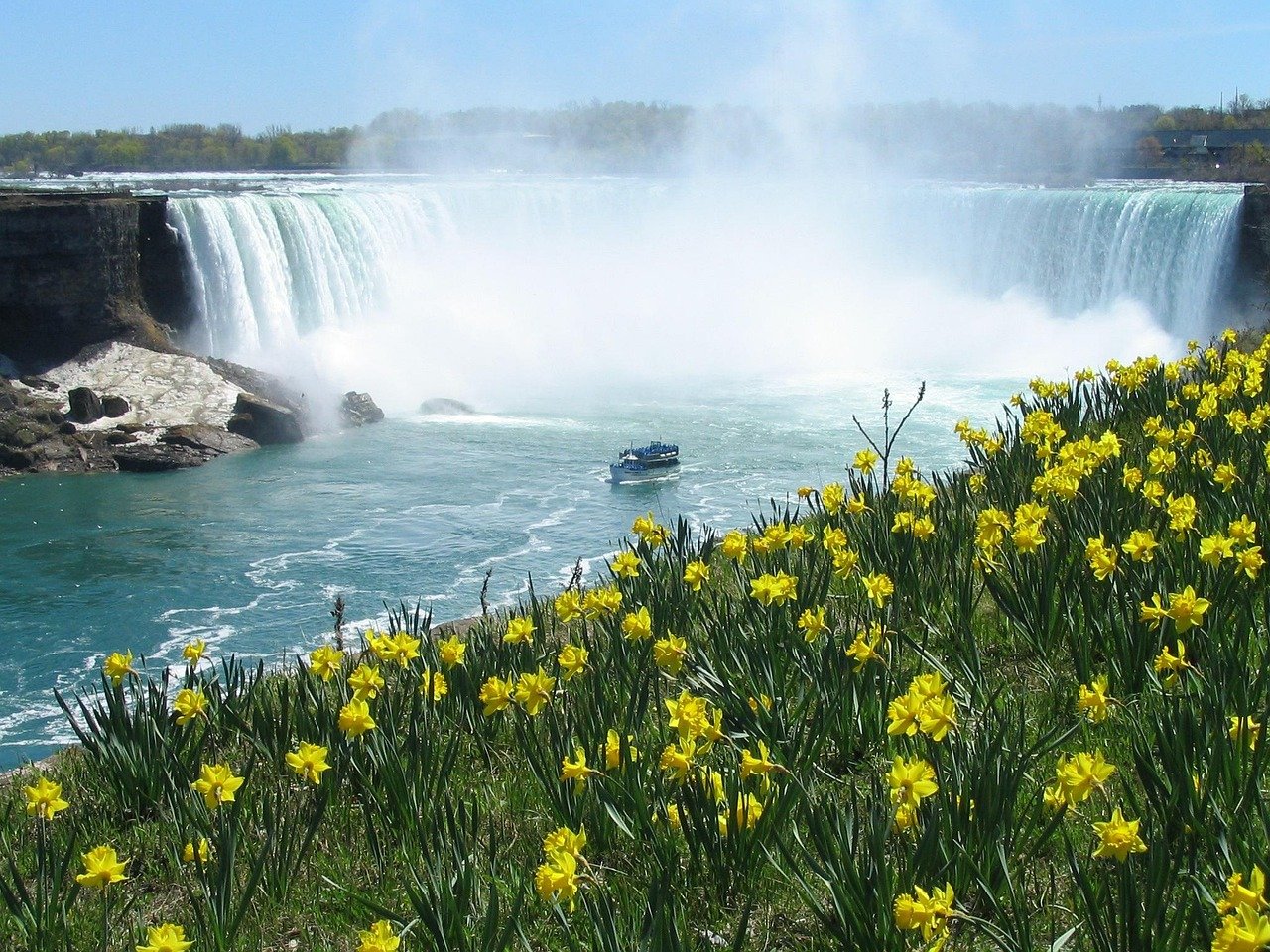
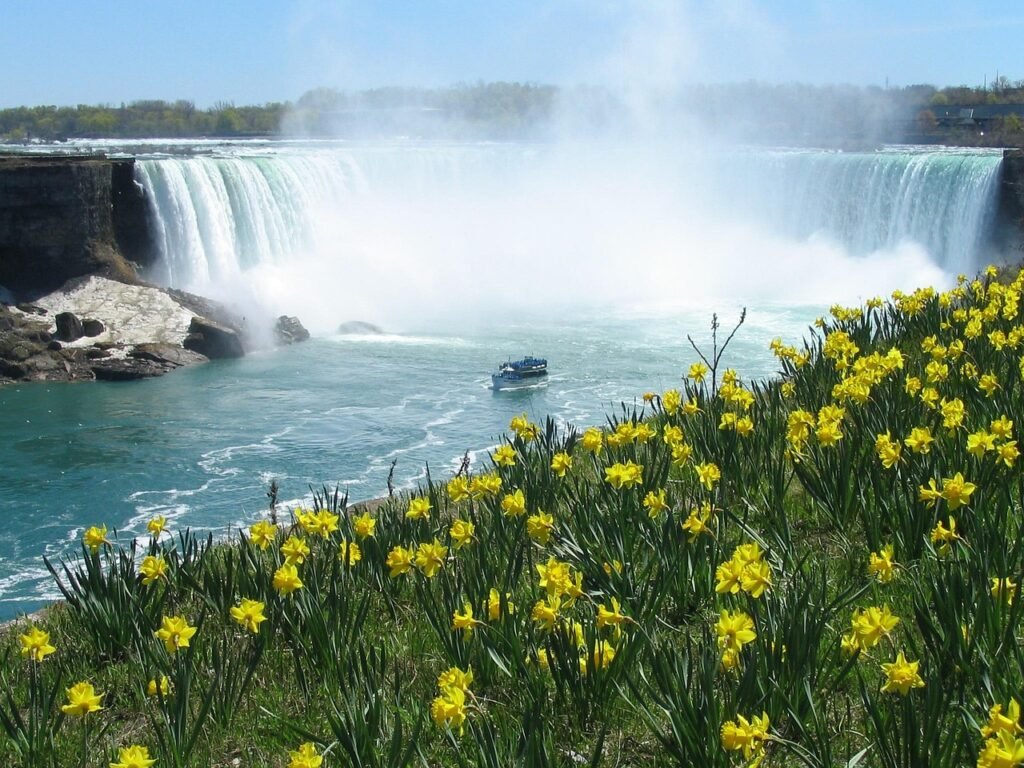
What if one of the world’s most famous natural wonders sat just a single day’s drive from one of its busiest cities? That is exactly the situation for anyone planning a trip from Nova Iorque (the Portuguese name for New York) to Niagara Falls. The two places sit in the same state, yet they feel like different worlds. One is a dense grid of skyscrapers, subway lines, and endless noise. The other is a thundering wall of water surrounded by mist, trees, and quiet border towns.
This article explains what the trip involves. It covers the distance, the driving route, the train and plane options, the border crossing, and the attractions that merit a stop. It also flags the practical details that trip planners tend to get wrong. Whether you are a Portuguese-speaking traveler searching in your own language or an English speaker who found the term by chance, the logistics are the same. The sections below set out what to expect.
How Far Is It, Really?
New York City to Niagara Falls is roughly 400 miles (about 640 km) by road, depending on which route you take. That translates to a drive of about 6.5 to 7.5 hours in normal traffic. Anyone who has driven out of Manhattan on a Friday afternoon knows the “normal traffic” part deserves an asterisk. The first hour can stretch to two if you leave at the wrong time.
The destination itself sits in western New York State, in Niagara County, directly across the Niagara River from Niagara Falls, Ontario. That geographic detail matters more than it seems. The falls straddle an international border, and which side you stand on changes your view, your passport requirements, and your entire itinerary.
The Three Falls Behind the Name
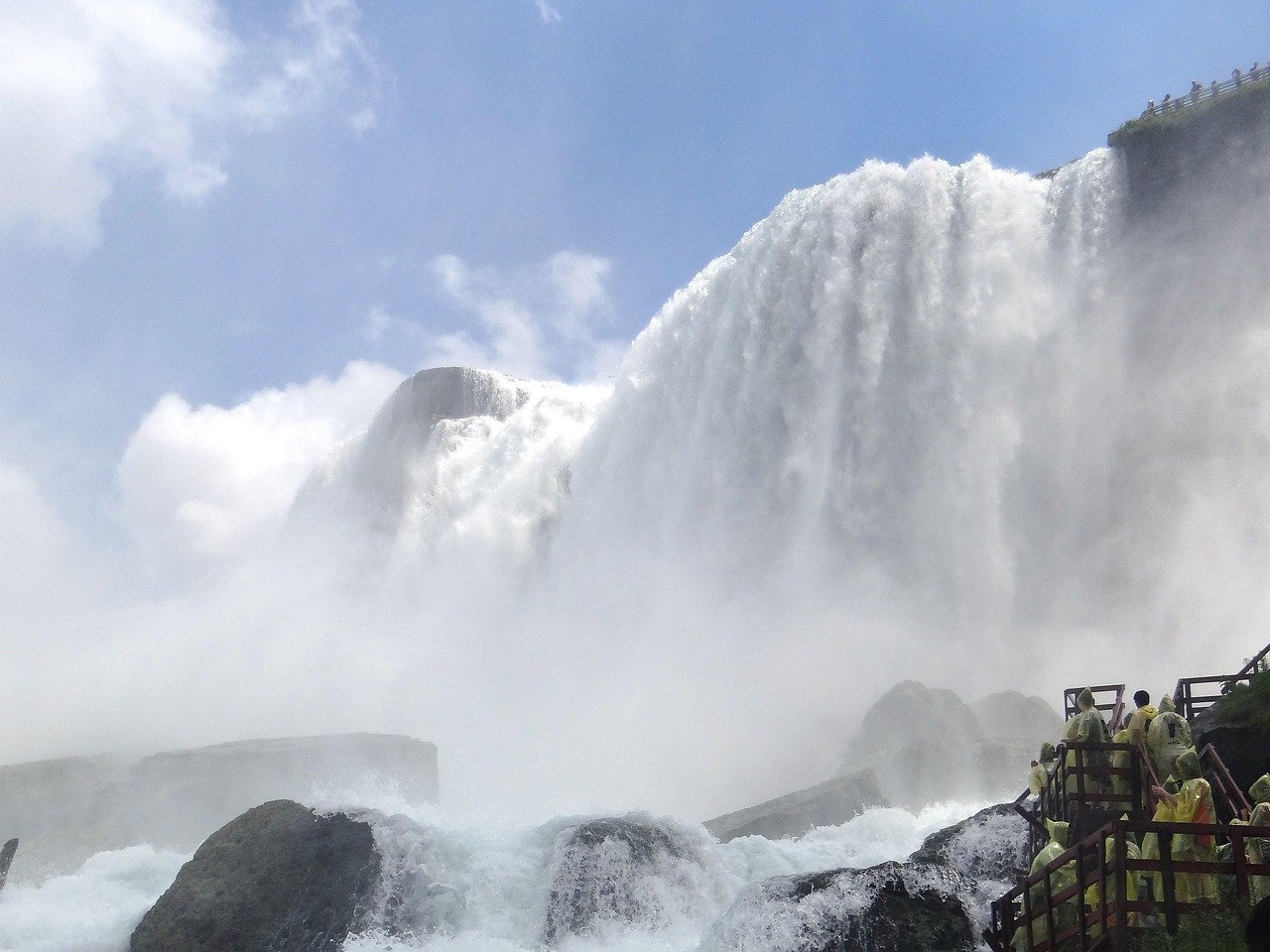
People say “Niagara Falls” as if it were one waterfall. It is actually three. Horseshoe Falls carries the bulk of the water and sits mostly on the Canadian side. American Falls and Bridal Veil Falls are both on U.S. soil. The combined flow is enormous, and the sound alone is worth the trip.
The American side has one underrated advantage: Niagara Falls State Park, established in 1885 and generally described as the oldest state park in the United States. That claim gets repeated often, though some historians point to earlier federal protections elsewhere, so treat it as a widely accepted description rather than an ironclad record. The park’s design is not disputed. Frederick Law Olmsted, the same architect behind Central Park, laid it out, which gives the two destinations a strange symmetry.
Getting There: Four Real Options
Driving from the City
Driving gives you the most flexibility and is the cheapest option for groups of two or more. The standard route runs northwest through New Jersey and up through the Southern Tier of New York. Tolls apply on some segments, and fuel costs add up, but you control the schedule.
Practical tips that actually matter:
- Leave before 6 a.m. or after 8 p.m. to escape the worst of the city exodus.
- Plan a rest stop around the halfway mark; driver fatigue is the most common mistake on this route.
- Book parking near the falls in advance during summer, when lots fill by mid-morning.
- Keep your passport in the car even if you do not plan to cross. You may change your mind once you see the Canadian skyline.
The Train
Amtrak’s Empire Service and Maple Leaf routes connect New York City’s Penn Station to Niagara Falls, New York. The Maple Leaf continues into Canada. Schedules and trip times change, so confirm details close to your travel date. The train is slower than driving but far more relaxing, and the Hudson River views in the first stretch are genuinely beautiful.
Flying
Buffalo Niagara International Airport (BUF) is the nearest major U.S. airport, roughly 30 to 45 minutes from the falls by car. Flights from the New York area are short. Add in security lines, transfers, and a rental car, and the total time savings over driving shrink fast. Flying makes sense for short trips or for travelers continuing onward.
Bus
Several operators run between Manhattan and Niagara Falls. It is the budget option, with the tradeoff of long hours in a seat. For solo travelers watching costs, it can work well.
Comparing Your Options
| Option | Approximate Time | Best For | Main Drawback |
|---|---|---|---|
| Car | 6.5–7.5 hours | Groups, flexibility, scenery stops | Traffic and tolls |
| Train | Varies by schedule | Relaxed travel, no driving stress | Slower, limited departures |
| Plane via Buffalo | 1 hour flight plus transfers | Short trips, onward travel | Airport logistics, rental costs |
| Bus | Longest of the four | Budget solo travelers | Cramped, inflexible |
Crossing Into Canada: The Detail People Forget
Many travelers assume the best views are on the Canadian side, and plenty of people agree. Horseshoe Falls is best seen from Canada, and the town of Niagara Falls, Ontario, has more hotels and restaurants. But crossing requires paperwork.
U.S. citizens need a valid passport or a WHTI-compliant document to enter Canada. The main crossings are the Rainbow Bridge, closest to the falls, and the Lewiston–Queenston Bridge, a few miles north. Check current wait times before you commit; summer weekends can produce long lines in both directions.
Common mistakes here are worth naming. Travelers show up with an expired passport, a photocopy, or an enhanced driver’s license they assumed was enough. Others forget that re-entering the U.S. also requires the right documents. Verify your paperwork weeks ahead, not at the booth.
What to Actually Do Once You Arrive
The classic experience is the Maid of the Mist boat tour, which runs from the U.S. side and takes passengers close enough to feel the spray. Cave of the Winds puts visitors on wooden walkways near Bridal Veil Falls. Both are long-running attractions, but operating status and seasonality vary, so confirm before building your day around them. The park itself is free to walk, and the views from the observation areas cost nothing.
Beyond the falls, the area offers state parks, wineries, and quiet river towns. History buffs should note the area’s role in early hydroelectric development. The Robert Moses Niagara Power Plant, operated by the New York Power Authority, and Ontario’s Sir Adam Beck stations still generate substantial power from the river. It is a reminder that this area has been engineered as heavily as it has been admired.
If your trip planning overlaps with other projects at home, it helps to keep budgets separate. A weekend at the falls is a modest expense compared with a home renovation budget, but the same discipline applies: set a number, track it, and resist the upsell.
When to Go
Summer is peak season, with warm weather, full attraction schedules, and the biggest crowds. Fall brings fewer people and comfortable temperatures, though some boat services wind down. Winter turns the falls into a partial ice spectacle, but cold and closures limit what you can do. Spring is unpredictable but often quiet.
For travelers who also follow seasonal style, the timing of a fall trip can double as a chance to plan a wardrobe around fall fashion 2026 trends. Pack layers either way; mist from the falls soaks through thin jackets quickly.
Budgeting the Trip
Costs vary widely by travel style. A rough breakdown for a two-night trip from the city:
- Transport: fuel and tolls for a car, or train and bus fares per person
- Lodging: higher on the Canadian side during peak season
- Attractions: boat and cave tours charge admission; the park does not
- Food: tourist-district pricing near the falls, cheaper a few blocks away
Solo travelers often find the train or bus cheaper than driving. Families usually come out ahead with a car. The math is not complicated, but running it before booking prevents the classic mistake of overspending on transport and then skimping on the actual experience.
Practical Mistakes to Avoid
A few patterns show up again and again among first-time visitors.
Assuming one day is enough. The drive alone eats most of a day. Two nights is the realistic minimum for a comfortable trip.
Ignoring the border. Even if you stay on the U.S. side, the best panoramic views often look across at Canada. Decide early whether you want that access.
Booking attractions on arrival. Summer slots for the boat tours sell out. Reserve ahead.
Forgetting the weather. The falls generate their own mist and microclimate. A sunny forecast in Buffalo does not guarantee a dry afternoon at the railings.
Treating it as a quick add-on. Some itineraries tack Niagara onto a broader Northeast road trip, which is fine, but the falls deserve their own time block. Squeezing them between other stops usually means seeing them from a parking lot.
A Note on the Name
“Nova Iorque” is simply Portuguese for New York, so a search for “nova iorque niagara falls” usually comes from a Portuguese-speaking traveler planning the route. The information is identical to what English speakers need. The only adjustment is language: signage, tour commentary, and park materials are primarily in English and French near the border, so downloading offline translation tools is a sensible precaution.
How This Trip Fits a Bigger Plan
Some travelers treat Niagara as a standalone escape. Others fold it into a larger project, whether that is a cross-country move, a family reunion, or a season of domestic travel. If your broader plans involve upgrading your home base, the logistics of a road trip and the logistics of a whole home renovation share a surprising amount: both reward early booking, clear priorities, and a realistic timeline.
Technology has made this kind of planning easier than ever. Route apps, border wait-time trackers, and digital ticket wallets remove most of the friction. That is one small example of how technology innovation keeps reshaping travel, from real-time traffic rerouting to mobile passport tools. None of it replaces a valid passport, though.
Conclusion
The trip from Nova Iorque to Niagara Falls is one of the most rewarding short trips available in the northeastern United States. It is close enough for a long weekend and dramatic enough to feel like a real escape. The drive takes most of a day, the train offers a calmer alternative, and flying through Buffalo works for tighter schedules. The falls themselves deliver on every bit of their reputation, and the surrounding park, river towns, and border-city life give the trip depth beyond a single photo stop.
The keys to a good trip are simple. Book early, carry the right documents, decide whether you want the Canadian side, and give yourself more than one day. Do those four things, and the rest tends to sort itself out. The water has been falling for thousands of years. It will still be there when you arrive, and it will be worth the wait.
Frequently Asked Questions
How long does it take to drive from New York City to Niagara Falls?
The drive is roughly 400 miles and typically takes 6.5 to 7.5 hours, depending on the route and traffic. Leaving outside peak commuting hours can save a significant amount of time.
Do I need a passport to visit Niagara Falls?
Not for the U.S. side. You do need a valid passport or a WHTI-compliant document to cross into Canada, whether via the Rainbow Bridge or the Lewiston–Queenston Bridge.
Which side of Niagara Falls is better?
It depends on what you want. The Canadian side offers the classic panoramic view of Horseshoe Falls and more hotels. The U.S. side has the state park, the Maid of the Mist departure point, and easier access without border formalities.
Can I visit Niagara Falls as a day trip from New York City?
It is possible but rushed. The round trip involves 13 to 15 hours of driving alone. Most travelers find two nights far more comfortable and allow time for the boat tours and park walks.
What is the best time of year to go?
Summer offers the fullest attraction schedule and the biggest crowds. Fall brings thinner crowds and pleasant weather, though some services wind down. Winter is dramatic but cold, and spring is quiet but unpredictable.
Is the train a good option from New York City?
Yes, for travelers who value relaxation over speed. Amtrak’s Empire Service and Maple Leaf routes connect Penn Station to Niagara Falls, New York, with the Maple Leaf continuing into Canada. Confirm current schedules before booking.









