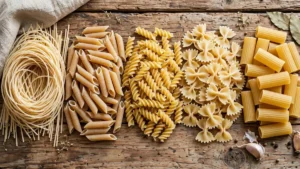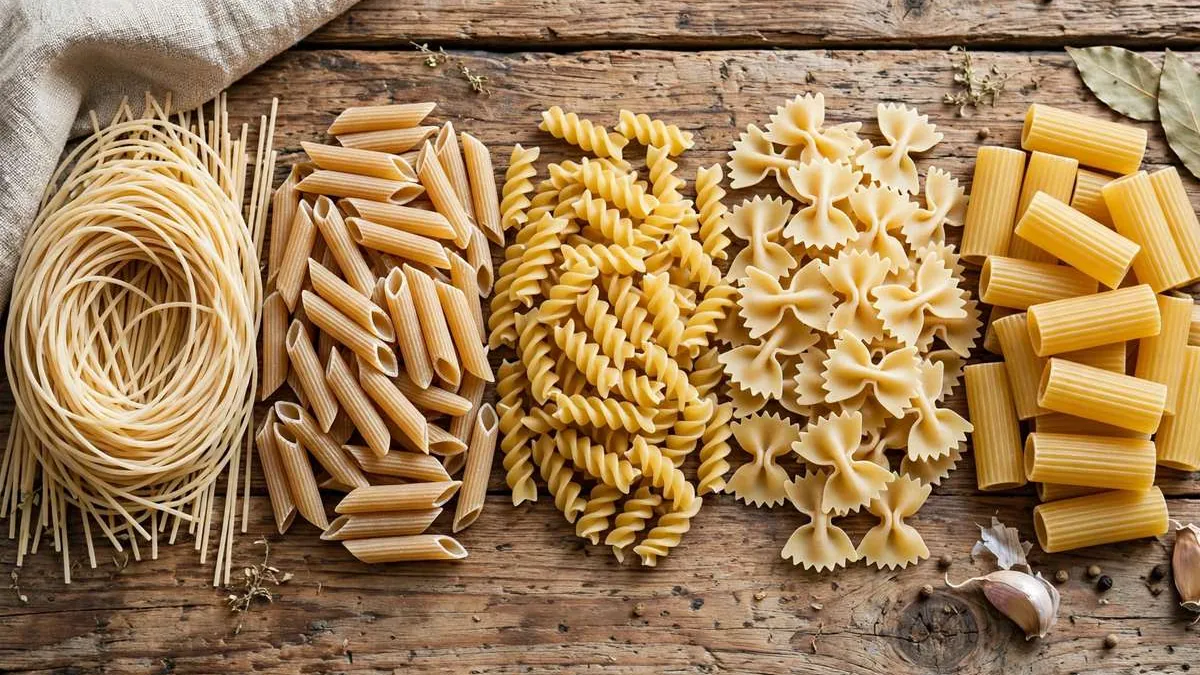
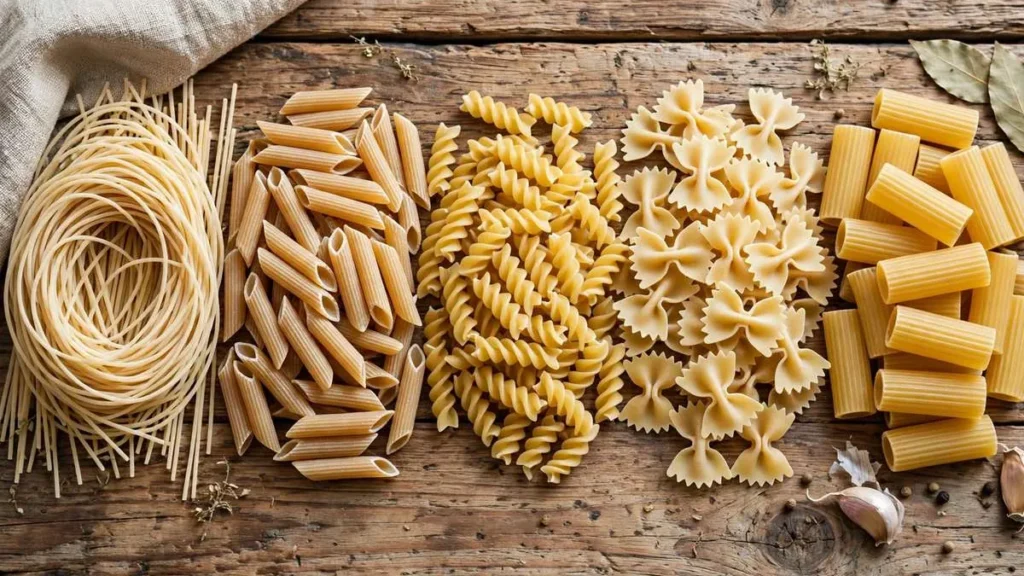
Pasta types can look confusing in the supermarket, where dozens of shapes crowd the shelves. The rule behind them is simple: the shape decides which sauce works, how the pasta cooks, and how it eats.
So which pasta should you choose for tonight? Start with the sauce, not the shape. A thin sauce needs a long strand it can cling to, a chunky sauce needs a tube or twist that can trap pieces, and a baked dish needs a sturdy shape that holds up in the oven.
This guide explains the main pasta shapes in plain terms: what each one looks like, what it suits, how to cook it, and what to pair it with. You will also find a comparison table, a cooking checklist, and answers to the questions cooks ask most often.
Key takeaways:
- Long pasta such as spaghetti suits smooth, light sauces that cling to the strands.
- Short shapes such as penne and rigatoni suit chunky sauces, because their tubes and ridges trap pieces.
- Cook pasta in plenty of salted, boiling water, test it a minute before the packet time, and drain it just before it is done.
- Save a cup of the starchy pasta water; it helps a sauce coat the pasta instead of sliding off.
Why pasta shape matters
Pasta shape is not decoration. It changes how much sauce each bite carries, how the pasta feels, and how long it takes to cook. A smooth strand of spaghetti carries a thin sauce evenly, while a ridged tube of rigatoni holds a thick sauce inside and out.
Long pasta shapes
Spaghetti
Spaghetti is the best-known pasta shape: long, thin, round strands that suit smooth tomato sauces, olive oil and garlic, and light seafood sauces. It cooks in about nine to eleven minutes, and it should be served straight away, tossed with the sauce so every strand is coated.
Best for: smooth tomato sauce, aglio e olio, and light seafood pasta.
Linguine
Linguine looks like flattened spaghetti, with a slightly wider, flatter strand that suits seafood and creamy sauces better than round spaghetti does. Its flat surface holds a little more sauce, which makes it a good choice for prawn linguine or a sauce of lemon, butter and herbs.
Best for: seafood pasta and creamy sauces that need a flat strand.
Tagliatelle
Tagliatelle is a wide ribbon, traditionally made fresh with egg, and it is the classic partner for a rich meat ragù. The broad surface carries a thick, slow-cooked sauce well, and the fresh version cooks in only a few minutes. Serve it in a warm bowl, with grated cheese on the side.
Best for: a rich meat ragù and other thick, slow-cooked sauces.
Short pasta shapes
Penne
Penne is a short tube cut on the diagonal, with ridges that help sauce cling to it. It suits tomato sauces, creamy sauces and baked pasta, and it holds up well with vegetables or sausage. Buy penne rigate, the ridged version; smooth penne lets the sauce slide off.
Best for: tomato and cream sauces, and baked pasta dishes.
Rigatoni
Rigatoni is a larger tube than penne, with straight-cut ends and deep ridges, built for thick, chunky sauces. The wide tube traps pieces of meat or vegetables inside, while the ridges hold sauce on the outside. It also works well in baked pasta, where its sturdiness stops it turning soft.
Best for: thick, chunky sauces and baked pasta.
Fusilli
Fusilli is a tight corkscrew, and its twists are made for catching sauce. It suits pesto, tomato sauces and creamy sauces alike, and it works well in pasta salads because the spirals hold dressing and small pieces of vegetable. Cook it until firm, since the twists can go soft in the centre.
Best for: pesto, chunky sauces and pasta salads.
Farfalle
Farfalle, also called bow-tie pasta, is a small rectangle pinched in the middle, with frilled edges that catch sauce. The centre stays firmer than the edges, which gives it a pleasant mix of textures. It suits light cream sauces, tomato sauces and pasta salads.
Best for: light cream sauces, salads and family pasta dishes.
Macaroni
Macaroni is a small, curved tube, best known in macaroni cheese, where its size suits a thick cheese sauce. The tubes trap the sauce inside, and the pasta holds up well when baked with a crisp topping. Our guide to the best cheeses for mac and cheese covers which cheeses melt best.
Best for: macaroni cheese, soups and baked pasta.
Filled, flat and small pasta
Ravioli
Ravioli are small, filled parcels, usually square, with fillings such as cheese, spinach, mushroom or meat. They suit a light sauce that lets the filling show: brown butter and sage, a simple tomato sauce, or a little cream. Cook them gently in simmering water, so they do not burst.
Best for: a light sauce that lets the filling lead.
Lasagne sheets
Lasagne sheets are wide, flat rectangles layered with sauce, cheese and filling, then baked until golden and bubbling. Fresh sheets need no pre-cooking, while dried sheets should be checked on the packet. Let the finished lasagne rest for ten minutes before cutting, so the layers hold together.
Best for: baked, layered pasta dishes.
Shells
Shells, or conchiglie, are cup-shaped pasta that trap sauce inside, much like orecchiette but larger and more open. Small shells suit soups and pasta salads, while large shells can be stuffed with cheese or meat and baked.
Best for: thick sauces, stuffed baked pasta and soups.
| Pasta | Shape | Best sauce | Cooking note |
|---|---|---|---|
| Spaghetti | Long, thin strands | Smooth tomato | Serve straight away |
| Linguine | Flat strands | Seafood, cream | Toss gently |
| Tagliatelle | Wide ribbons | Meat ragù | Fresh cooks fast |
| Penne | Ridged tubes | Tomato, cream | Buy ridged penne |
| Rigatoni | Large ridged tubes | Chunky sauces | Good for baking |
| Fusilli | Corkscrews | Pesto, chunky sauce | Cook until firm |
| Farfalle | Bow ties | Light cream sauce | Cook gently |
| Macaroni | Small curved tubes | Cheese sauce | Good baked |
| Ravioli | Filled parcels | Butter, sage | Simmer gently |
| Lasagne | Flat sheets | Layered sauce | Rest before cutting |
| Shells | Cup shapes | Thick sauces | Good stuffed |
How to cook pasta properly
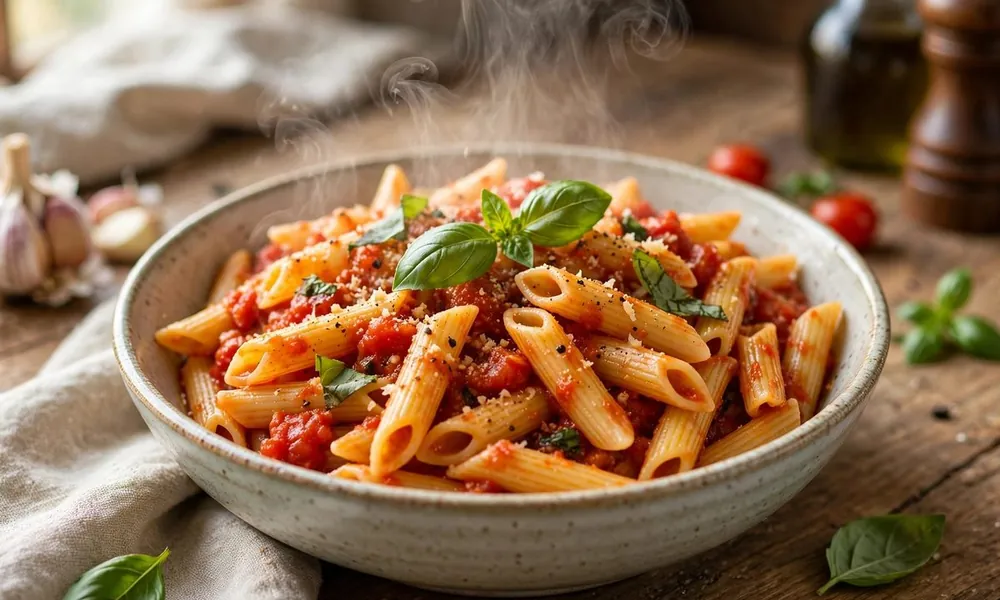
Use a large pan and plenty of water, at least a litre per 100 grams of pasta, so the pasta has room to move. Bring the water to a rolling boil before adding the pasta, then salt it well: the water should taste like the sea. Salt now seasons the pasta itself, which sauce alone cannot do afterwards.
Add the pasta all at once and stir immediately, then stir again after a minute, so the pieces do not stick together or to the pan. Do not add oil to the water; it makes it harder for sauce to cling to the pasta later. Set a timer for a minute less than the packet time.
Taste the pasta before draining it. It should be al dente, which means tender but still firm when you bite into it, with no chalky white centre. Fresh pasta cooks much faster than dried pasta, sometimes in only two or three minutes, so taste it early.
Finish the pasta in the sauce, not on the plate. Tip the drained pasta into the warm sauce, add a splash of the saved cooking water, and toss everything together over a low heat for a minute. The starch helps the sauce coat the pasta instead of sliding off. Our guide to the best cookware set covers the large pan this method needs, and the best Dutch oven guide covers a pot that holds heat well for sauces.
Pairing pasta with sauce
The pairing rule is simple to remember: thin sauces suit long pasta, thick sauces suit short pasta, and delicate fillings suit light sauces. A smooth tomato sauce works on spaghetti, a chunky meat sauce works on rigatoni, and a butter and sage sauce works on ravioli. When you are unsure, choose a short shape; it is the most forgiving with sauce.
Consider the size of the pieces in the sauce as well. Small pieces, such as peas or chopped vegetables, suit small shapes such as shells, where they can sit inside the shape. Large pieces, such as meatballs or chunks of sausage, suit larger tubes such as rigatoni, where the pieces can mix evenly through the dish without falling to the bottom.
Your pasta types checklist
Work through this list before you cook, and the meal will come together smoothly.
- Choose by the sauce: long pasta for smooth sauces, short pasta for chunky ones.
- Check the shape: ridged tubes hold sauce better than smooth ones.
- Use a large pan: plenty of water, so the pasta has room to move.
- Salt the water well: it should taste like the sea before the pasta goes in.
- Set a timer: taste a minute before the packet time, and drain just before it is done.
- Save the pasta water: a cup of starchy water helps the sauce coat the pasta.
- Finish in the sauce: toss pasta and sauce together over a low heat for a minute.
- Serve straight away: pasta waits for no one, so have the bowls warm and ready.
Frequently asked questions
What is the most versatile pasta shape?
Penne, because it suits tomato sauces, cream sauces, baked dishes and salads, and it is easy to cook and serve. Rigatoni is a close second for chunky sauces, and fusilli is the best choice for pesto.
How much pasta should I cook per person?
About 100 grams of dried pasta per person for a main course, and about 75 grams for a starter or a side dish. Fresh pasta is heavier, so allow a little more, and adjust for appetite and for what else is on the table.
Should I add oil to pasta water?
No. Oil floats on the water and does not stop the pasta from sticking; stirring does that. Oil can also make it harder for sauce to cling to the pasta, so leave it out and stir instead.
What does al dente mean?
It means the pasta is tender but still firm when you bite into it, with a slight resistance in the centre. Taste it a minute before the packet time, and drain it just before it reaches the texture you want, since it keeps cooking in the sauce.
Can I cook fresh and dried pasta the same way?
The method is the same, but the time is very different. Fresh pasta often cooks in two to four minutes, while dried pasta usually needs eight to twelve minutes. Always taste fresh pasta early, and do not walk away from the pan.
How do I stop pasta from sticking together?
Use plenty of water, stir the pasta as soon as it goes in and again after a minute, and toss it with sauce straight after draining. Do not rinse the pasta, which washes off the starch that helps sauce cling.
The bottom line
Pasta types are easier than they look once you know the rule: match the shape to the sauce, cook in plenty of salted water, and finish the pasta in the sauce. Long strands suit smooth sauces, short shapes suit chunky ones, and filled pasta suits a light touch.
Your next step is simple: pick one shape you have not cooked before, pair it with a sauce that suits it, and cook it al dente. Once you have tasted the difference a good match makes, the pasta shelf will stop looking confusing and start looking like a set of choices.