Polarised and non-polarised sunglasses look almost identical in a shop. Hold them up to the light and you will struggle to tell them apart, and the price tag is often the only obvious difference. Put them on outside, though, and the difference is immediate. A polarised lens cuts the hard white glare off water, wet roads and car bonnets, while a non-polarised lens simply darkens everything evenly. That one difference changes how the world looks, and it decides which lens suits your life.
The confusion comes from the idea that polarised must mean better, or that a darker lens must mean more protection. Neither is true. A polarised lens does not block more UV than a non-polarised lens with the same rating, and a very dark non-polarised lens can be perfectly good for a bright day in the city.
Below are nine comparisons that matter in 2027, from glare and driving to screens, sport and price. Each one is written plainly, so you can work out whether polarised lenses are worth paying for, or whether a good non-polarised pair is the smarter choice for you.
Key takeaways
- Polarised lenses cut reflected glare from water, roads and snow, while non-polarised lenses darken everything evenly without filtering glare.
- Polarisation does not mean more UV protection: a non-polarised lens with a proper UV rating protects your eyes just as well.
- Polarised lenses can make phone, dashboard and some car screens look dark or patchy, which matters if you drive or work with screens.
- For water, snow and long drives, polarised lenses are usually worth the extra cost; for city days and casual wear, they often are not.
- No lens suits everyone, and a polarised pair that blinds you to a screen is no use however good it looks outdoors.
What polarised and non-polarised lenses actually are
A non-polarised lens is a straightforward tinted lens. It reduces the overall amount of light reaching your eye, which makes a bright day feel comfortable, but it does not change the character of that light. Reflected glare, the harsh white shine off water, a wet road, snow or a car bonnet, comes through just as strongly, only darker. For many people, on many days, that is enough.
A polarised lens has an extra filter built into it, a thin layer that blocks light waves vibrating in one direction. Reflected glare is mostly light vibrating horizontally, so the filter removes much of it while letting the rest of the light through. The result is a view that looks calmer and clearer: water looks deeper, roads look less washed out, and the hard white dazzle that makes you squint simply fades. Colours often look richer too, because the glare that washes them out is gone.
The trade-off is that the filter also blocks some light you might want. Screens that use polarised light themselves, including many phones, dashboards, sat-navs and some car windscreens, can look dark, patchy or rainbow-coloured through a polarised lens.
How we chose these comparisons and what to look for
Look first at the UV rating, not the polarisation. Both types of lens are available with full UV protection, and both are available without it, so polarised on the label tells you nothing about safety. Check for a stated UV standard on the lens or the packaging, and be wary of any pair that only says “UV” without a number or a standard. A dark lens without proper UV protection is worse than no sunglasses at all, because it opens your pupils wider and lets more harmful light in.
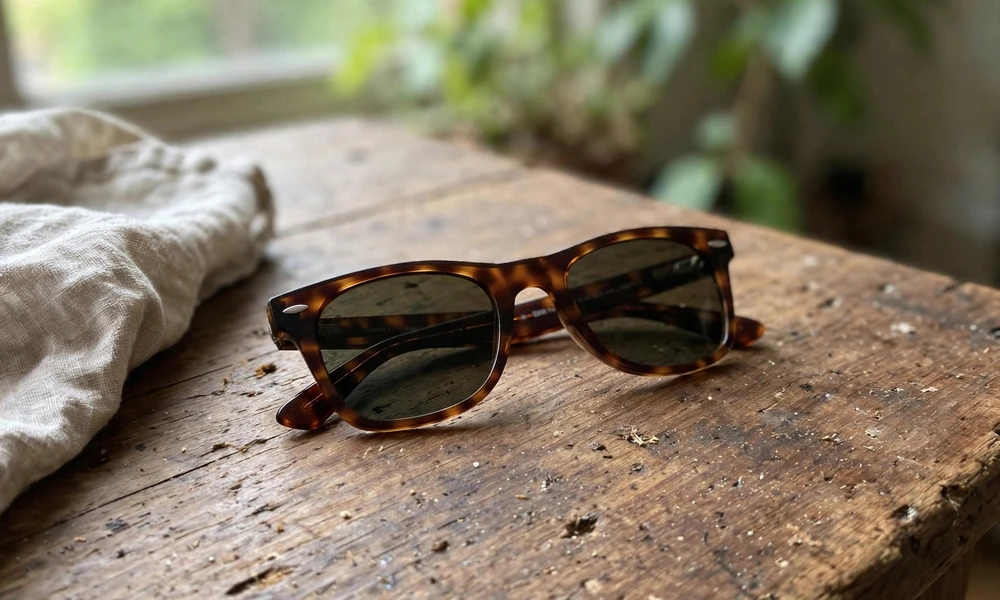
Look next at the glare in your own life. If you spend time near water, on snow, or driving long distances, you will notice the polarised difference within minutes, and it is usually worth paying for. If your days are mostly in the city, in and out of shops, and on your phone, you may barely notice it, and a good non-polarised pair will serve you just as well. Our guide to the best polarized sunglasses covers the strongest polarised pairs in more detail, and it is a useful place to start if you decide the filter is for you.
Finally, look at the lens quality itself. A cheap polarised lens can distort straight lines, add a yellow or grey cast, and scratch easily, while a good non-polarised lens can be crisp, clear and comfortable for years.
The 9 comparisons that matter in 2027
1. Glare: what polarisation actually does
What we like: Polarised lenses remove most reflected glare from water, wet roads, snow and glass, which makes bright days far more comfortable. What to consider: Non-polarised lenses darken the glare but do not remove it, so the hard white shine stays, only dimmer. Best for: Polarised for water, snow and long drives; non-polarised for ordinary bright days. Frame material: Metal or acetate, depending on the pair. Price range: Around £25 to £80 for non-polarised, around £50 to £300 for polarised. Standout feature: The polarised filter that removes horizontal glare.
2. Clarity and colour on bright days
What we like: Polarised lenses often make colours look richer and edges look sharper, because the glare that washes them out is gone. What to consider: Non-polarised lenses keep colours truer to life, because they darken everything evenly without filtering any part of the light. Best for: Polarised for vivid, high-contrast days; non-polarised for the most natural colour. Frame material: Metal or acetate, depending on the pair. Price range: Around £25 to £80 for non-polarised, around £50 to £300 for polarised. Standout feature: The polarised lens’s richer colour; the non-polarised lens’s natural tone.
3. Driving and road safety
What we like: Polarised lenses cut the glare off wet roads and other cars, which makes long drives far less tiring and helps you see the road surface more clearly. What to consider: Some car dashboards, sat-nav screens and windscreens use polarised light, and through a polarised lens they can look dark or patchy, which is a real problem while driving. Best for: Polarised for open-road driving in bright sun; non-polarised for cars with polarised dashboards or head-up displays. Frame material: Metal or acetate, depending on the pair. Price range: Around £25 to £80 for non-polarised, around £50 to £300 for polarised. Standout feature: The polarised lens’s glare cut on wet roads.
4. Water, snow and outdoor sport
What we like: Polarised lenses are the clear winner near water and on snow, where reflected glare is strongest: you can see into shallow water, read the surface of a slope, and spend hours outside without squinting. What to consider: Non-polarised lenses are fine for a short walk or a cloudy beach day, and they are the safer choice for sports where you need to read a screen or a display. Best for: Polarised for fishing, sailing, skiing and beach days; non-polarised for short, casual outdoor time. Frame material: Metal or acetate, depending on the pair. Price range: Around £25 to £80 for non-polarised, around £50 to £300 for polarised. Standout feature: The polarised lens’s view through water and snow glare.
5. Screens and digital displays
What we like: Non-polarised lenses leave every screen looking normal, which matters if you check your phone, a dashboard, a camera screen or a smartwatch through your sunglasses. What to consider: Polarised lenses can make screens look dark, blotchy or rainbow-coloured, and tilting your head can make the effect worse. Best for: Non-polarised for screen-heavy days; polarised for days spent mostly outdoors. Frame material: Metal or acetate, depending on the pair. Price range: Around £25 to £80 for non-polarised, around £50 to £300 for polarised. Standout feature: The non-polarised lens’s clear view of every screen.
6. Eye comfort and fatigue
What we like: Polarised lenses reduce squinting and eye strain on bright, reflective days, which leaves your eyes feeling fresher after hours outside. What to consider: Non-polarised lenses are just as comfortable on ordinary bright days, and some people find a polarised lens slightly tiring at first, because the view looks different from what they are used to. Best for: Polarised for long, bright days outdoors; non-polarised for everyday comfort. Frame material: Metal or acetate, depending on the pair. Price range: Around £25 to £80 for non-polarised, around £50 to £300 for polarised. Standout feature: The polarised lens’s calmer, less tiring view in strong glare.
7. Lens durability and care
What we like: Both types are available with hard coatings that resist scratches, and both last for years with a case and a proper cloth. What to consider: The polarised filter is an extra layer, and on cheap pairs it can peel, bubble or delaminate if the lens is left in a hot car or cleaned with harsh chemicals. Best for: Either type with a good hard coating and a hard case; polarised only from a brand you trust. Frame material: Metal or acetate, depending on the pair. Price range: Around £25 to £80 for non-polarised, around £50 to £300 for polarised. Standout feature: A good hard coating, whichever lens you choose.
Care matters more than the lens type. Clean with water and a microfibre cloth, keep the pair in a hard case, and never leave it on a hot dashboard.
8. Price and value
What we like: Good non-polarised sunglasses start around £25, and a well-made pair with full UV protection can cost very little. What to consider: Polarised lenses usually cost more, from around £50 upwards, and the cheapest polarised pairs are often the ones with the weakest filter and the poorest optics. Best for: Non-polarised for a tight budget; polarised when the glare in your life justifies the extra cost. Frame material: Metal or acetate, depending on the pair. Price range: Around £25 to £80 for non-polarised, around £50 to £300 for polarised. Standout feature: A stated UV standard at any price, and a polarised filter only from a trusted maker.
Do not pay for polarisation you will not notice. Spend the money where your days are: on glare if you live near water, on fit and UV if you live in the city.
9. Which lens suits which life
What we like: Polarised lenses suit outdoor lives: water, snow, long drives and open country. Non-polarised lenses suit mixed lives: city days, shops, screens and short trips outside. What to consider: Many people end up owning one of each, which is often the best answer if you can afford it. Best for: Polarised for outdoor lives; non-polarised for mixed, screen-heavy lives. Frame material: Metal or acetate, depending on the pair. Price range: Around £25 to £80 for non-polarised, around £50 to £300 for polarised. Standout feature: The right lens for the day you are actually having.
If you can only buy one pair, choose for your most common day, not your most exciting one. The pair that suits your ordinary life is the pair you will actually wear.
Which lens is right for you
Start with your days. If you spend time on or near water, on snow, or driving long distances in bright sun, polarised lenses will change how the world looks, and the extra cost is usually worth it. If your days are mostly in the city, in and out of shops, on your phone and in the car for short trips, a good non-polarised pair will serve you just as well, and it will never hide a screen from you.
Then check your screens. Sit in your car with a polarised pair on and look at the dashboard, the sat-nav and any head-up display. Check your phone at arm’s length and at an angle. If anything looks dark or patchy, polarised lenses will annoy you every day, and a non-polarised pair is the better choice. A look at the best seasonal sunglasses can help here, because the right lens often changes with the season, and a lighter pair for winter and a polarised pair for summer is a sensible split.
Finally, think about your budget. A good non-polarised pair with full UV protection is a better buy than a cheap polarised pair with a weak filter and poor optics.
The caveats that matter
The biggest mistake with either lens is assuming that dark means safe. A dark lens without proper UV protection makes your pupils open wider and lets more harmful light into your eye, which is worse than wearing nothing. Always check for a stated UV standard, and be cautious with market-stall pairs and very cheap online pairs that make no clear claim.
| Detail | What is known |
|---|---|
| Glare from water, roads and snow | Polarised removes most of it; non-polarised only darkens it |
| UV protection | The same for both, if the UV rating is the same |
| Colour and clarity | Polarised looks richer; non-polarised looks more natural |
| Driving | Polarised cuts road glare, but can darken dashboards and sat-navs |
| Screens | Non-polarised leaves screens clear; polarised can make them dark or patchy |
| Best for water and snow | Polarised, clearly |
| Price range | Around £25 to £80 for non-polarised, around £50 to £300 for polarised |
| What matters most | UV protection, lens quality and whether you need to read screens |
If you have an eye condition, have had eye surgery, or wear prescription lenses, ask your optician which lens type suits you before buying. And if you spend long hours in strong sun, remember that sunglasses are only part of sun care: a hat, shade and sunscreen matter just as much, and our guide to the best after-sun skincare covers what to do when the sun has already done its work.
Checklist: choosing polarised or non-polarised lenses
Use these checks before you buy, and again after a full day of wearing the pair.
- Check the UV protection: look for a stated UV standard, not just a dark tint.
- Check your glare: if water, snow or wet roads are part of your life, try a polarised pair outside.
- Check your screens: look at your phone, dashboard and sat-nav with the lenses on.
- Check the lenses: look at straight lines and move your head, watching for distortion.
- Check the coating: ask about a hard coating, and keep the pair in a hard case.
- Check your budget: buy the best lens quality you can afford, and only pay for polarisation if you will notice it.
Frequently asked questions
Are polarised sunglasses better for your eyes?
They are better at cutting glare, but they do not protect your eyes from UV any better than a non-polarised lens with the same UV rating. The health benefit is comfort and less squinting, not extra UV protection.
Can I wear polarised sunglasses while driving?
Usually yes, and many drivers prefer them for the glare cut on wet roads. But check your own car’s dashboard, sat-nav and any head-up display first, because some screens look dark or patchy through a polarised lens.
Why does my phone screen look dark through polarised sunglasses?
Phone screens use polarised light, and when the two filters line up the wrong way, the screen looks dark. Tilting your head or your phone changes the effect. It is normal, and it is the main reason some people choose non-polarised lenses.
Do polarised lenses work on cloudy days?
Yes, but the difference is smaller. Reflected glare is weaker on a cloudy day, so a polarised lens looks much like a non-polarised one. The filter only earns its keep when there is strong reflected light to remove.
Are cheap polarised sunglasses worth it?
Often not. The cheapest polarised pairs tend to have weak filters, poor optics and coatings that peel. A good non-polarised pair is a better buy than a poor polarised one, and the difference shows up within weeks.
Should I own both types?
If you can, yes. A polarised pair for water, snow and long drives, and a non-polarised pair for city days and screen-heavy days, covers every situation. If you can only buy one, choose for your most common day.
The bottom line
Polarised and non-polarised sunglasses are not a good lens and a bad lens. They are two different tools, and the right one depends on your life. Polarised lenses cut reflected glare and make water, snow and long drives far more comfortable. Non-polarised lenses keep every screen clear, keep colours natural, and cost less, which makes them the better choice for city days and mixed, screen-heavy lives.
Check the UV rating, check your screens, and try both outside before you decide. The lens that suits your ordinary day is the one you will reach for every morning, and that is the honest test of whether polarisation is worth paying for.