

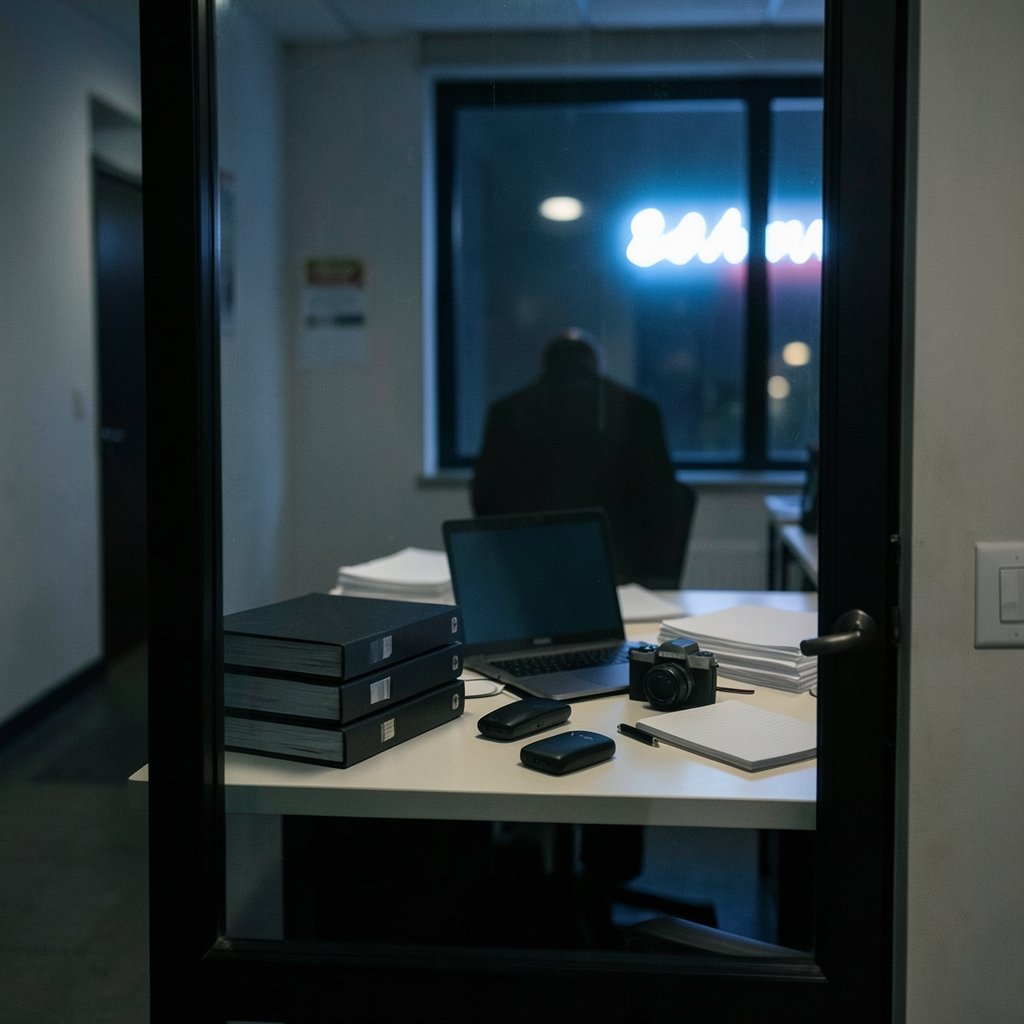
What do you picture when you hear “private investigator”? A trench-coated figure tailing a cheating spouse through rain-slicked streets? The truth is both duller and more interesting. Modern investigators spend more time in front of spreadsheets, court files, and social media feeds than behind a steering wheel, and the job is shaped less by Hollywood than by licensing boards and data-protection law. (Private island resorts)
This article walks through what the work involves, how investigators are regulated in different places, where their powers stop, and what someone should check before hiring one.
What a Private Investigator Really Is
There is no single global definition of a private investigator, and that matters more than it sounds. Broadly, a PI is a person or firm hired by a client, whether an individual, an insurer, a law firm, or a company, to gather information or evidence outside police powers. That is the common thread. Everything else, from licensing to what counts as legal surveillance, varies by country and, in the United States, by state. (Successful private caregiver business)
The profession’s origin stories are often repeated loosely. The French ex-criminal turned police chief Eugène François Vidocq and the American Allan Pinkerton, whose agency was founded in 1850, are the usual names invoked. Treat those origin claims as contested history rather than settled fact.
What is not contested is the range of work. Common assignments include:
- Surveillance, both physical and digital
- Background checks on employees, tenants, or business partners
- Skip tracing, which means locating a person who has moved or gone quiet
- Insurance and fraud investigation
- Process serving, which in many places requires a separate licence
- Litigation support, gathering material that feeds into civil cases
Each of these carries its own legal constraints, and a good investigator knows precisely where those constraints sit.
The Licensing Patchwork

This is where most people get confused, and understandably so. There is no universal PI licence. The rules depend entirely on where the investigator works.
The United States
Most US states require private investigators to hold a licence. Typical requirements include a minimum age, a clean criminal record, a set number of supervised experience hours, and a written exam. A minority of states have little or no licensing at all, which creates a strange situation where a person can operate freely in one state and face criminal penalties for the same work across a border. (How to Start a Successful Private Caregiver Business)
Exact counts of which states license and which do not shift over time as laws are amended, so anyone planning to work in the field should check the current requirements with the relevant state licensing authority rather than trusting a summary. The same advice applies to clients vetting an investigator: ask for the licence number and verify it directly.
The United Kingdom
In England and Wales, private investigators fall under the Security Industry Authority, the same regulator that oversees door supervisors and Close Protection operatives. The SIA began licensing investigators, and Scotland has separate arrangements. Anyone working in this space should confirm the current scope and requirements directly with the regulator, because the licensing regime has developed in stages.
The practical upshot for clients is simple: a legitimate UK investigator should be able to produce an SIA licence without hesitation. If they cannot, that is a red flag worth taking seriously.
Where the Powers Stop
Here is the single most misunderstood point about the profession. Private investigators have no special police powers. None. They cannot arrest people beyond the narrow citizen’s arrest available to any member of the public. They cannot force entry into a property. They cannot compel anyone to answer questions or hand over documents.
What they can do is observe, research, interview willing parties, analyse public records, and document what they find. That sounds limited, and legally it is. But skilled investigators often produce results that surprise clients precisely because they work within those limits rather than around them.
The bigger constraint in many jurisdictions is data protection law. In the EU and UK, any PI work that involves processing personal data needs a lawful basis under the General Data Protection Regulation. Data-protection regulators have scrutinised how investigators handle personal information, and the tension between legitimate investigation and privacy rights is a live issue rather than a settled one. An investigator who ignores this risks a complaint. They also risk invalidating the evidence they were hired to collect.
Evidence, Chain of Custody, and Why Reports Matter
Much PI work feeds directly into civil litigation or insurance claims. That changes the standard of care. A hunch is worthless in a courtroom. A timestamped, properly documented observation is not.
Chain of custody is the term for the documented trail showing who handled a piece of evidence, when, and how. Break that chain and the evidence may become inadmissible or easy to challenge. Good investigators treat every photograph, video file, and note as potential court material from the moment it is created.
Report writing matters just as much. A clear, factual report that separates observation from inference is far more useful than a dramatic narrative. Some jurisdictions require disclosure of surveillance material in litigation, which means anything an investigator records could end up being read by the other side. Investigators who understand this write accordingly.
How Technology Changed the Job
Open-source intelligence, usually shortened to OSINT, has reshaped the field. Social media posts, public records, vehicle data, and online footprints now form a large part of many investigations. This is faster and cheaper than physical surveillance, and often more revealing.
It also raises real concerns. Accuracy is one. A social media profile can be misidentified, and a wrong conclusion built on a wrong profile can cause serious harm. Privacy is another. The same data-protection rules apply whether information is gathered by watching a house or by scrolling a feed.
The practical lesson for clients is to ask how an investigator verifies what they find online. Anyone who treats a single social media post as proof is not doing the job properly.
What Investigators Actually Do All Day
Away from the drama, the work is methodical. A typical engagement might involve reviewing documents the client already has, mapping out what is known and what is missing, and then choosing the cheapest lawful route to fill the gaps. Surveillance is expensive and is usually a last resort rather than a first move.
Experienced investigators tend to follow a few practical rules that outsiders rarely think about:
- Confirm the client’s actual goal. Clients often ask for surveillance when what they really need is a records search.
- Check the legal basis before gathering anything. Jurisdiction, consent, and data-protection rules come first.
- Document contemporaneously. Notes written days later are worth far less than notes written at the time.
- Separate fact from inference in every report. This protects the client and the investigator alike.
- Know when to stop. Some requests are lawful but pointless, and some are neither.
The most common mistake clients make is hiring on price alone. A cheap investigator who cuts legal corners can poison a case that would otherwise have been straightforward. The second most common mistake is expecting police-style powers that do not exist.
Industry Bodies and Codes of Ethics
Professional associations in several countries offer training, codes of ethics, and membership designations. These can be useful signals of professionalism, and they often provide continuing education that licensing alone does not require.
But membership is not the same as a government licence. A trade body cannot grant legal authority to operate. Clients should treat association membership as a helpful extra, not a substitute for verifying the actual licence with the regulator.
How to Vet an Investigator Before Hiring
Whether someone needs a PI for a family matter, a business dispute, or an insurance claim, a short checklist saves trouble later. The following comparison captures what separates a solid choice from a risky one.
| What to check | Good sign | Warning sign |
|---|---|---|
| Licence | Number provided and verifiable with the regulator | Vague answers or “we’re fully insured” instead |
| Legal basis | Asks about jurisdiction and data rules upfront | Promises results without asking |
| Reporting | Sample report separating fact from opinion | Dramatic narratives, no documentation |
| Fees | Clear scope and written estimate | Large upfront payment, no breakdown |
| Evidence handling | Explains chain of custody | Cannot describe how material is stored |
| References | Provides past clients or case types | Refuses any detail about experience |
A short first conversation usually reveals which column a firm belongs in. Investigators who ask careful questions before quoting a price are generally the ones who will be careful with the work itself.
Where the Profession Is Heading
Two pressures are shaping the field. The first is regulation. Jurisdictions that once left private investigation largely unregulated have moved toward licensing, and jurisdictions that already license keep refining the requirements. The direction of travel is toward more oversight, not less.
The second is technology. OSINT and digital records have made some traditional surveillance work less necessary while creating new ethical questions about accuracy and privacy. Investigators who thrive tend to be the ones comfortable with both a camera and a spreadsheet, and disciplined enough to know which tool the job actually calls for.
For clients, the trend is mostly good news. Better-regulated investigators are easier to verify, and clearer legal boundaries make it simpler to tell a professional from a cowboy.
Conclusion
The private investigator is a strange hybrid: part researcher, part witness, part report writer, and entirely bound by laws that grant almost none of the powers fiction gives them. The work is legal, often tedious, and occasionally decisive. Whether someone is considering a career in the field or thinking about hiring an investigator, the same principle applies. Verify the licence, understand the legal limits, and value documentation over drama. The investigators who last are the ones who respect those boundaries rather than resenting them.
Frequently Asked Questions
Can a private investigator arrest someone?
Generally no, beyond the narrow citizen’s arrest that any member of the public can make. Private investigators have no special police powers. They cannot force entry into property or compel anyone to answer questions. Their authority comes from observation, research, and lawful access to information, not from any state-granted enforcement power.
Do I need a licence to work as a private investigator?
It depends entirely on where you work. Most US states require a licence with experience hours and an exam, though a minority have little or no licensing. In England and Wales, investigators are licensed by the Security Industry Authority, with separate arrangements in Scotland. Always check with the relevant regulator, because requirements change.
Is it legal for a private investigator to use social media to gather information?
Often yes, but with conditions. In the EU and UK, any processing of personal data needs a lawful basis under data-protection law, and that applies to social media research just as it does to physical surveillance. The accuracy of what is found online also matters, since a misidentified profile can lead to serious errors.
How much does hiring a private investigator cost?
Fees vary widely by jurisdiction, task, and how much surveillance is involved. Records searches and background checks are usually far cheaper than extended physical surveillance, which is labour-intensive. A reputable investigator will provide a written scope and estimate before starting, and will explain which parts of the work are driving the cost.
What is chain of custody and why does it matter?
Chain of custody is the documented record of who handled a piece of evidence, when, and how. It matters because PI work often feeds into civil litigation or insurance claims, where evidence can be challenged if the handling trail is unclear. A broken chain can make otherwise strong material inadmissible.
Can a private investigator access my phone or bank records?
No. Investigators cannot access phone, bank, or medical records without lawful authority, and in most jurisdictions that authority sits with courts or regulators, not private firms. Anyone claiming easy access to such records is either misunderstanding the law or misrepresenting what they can do.














