

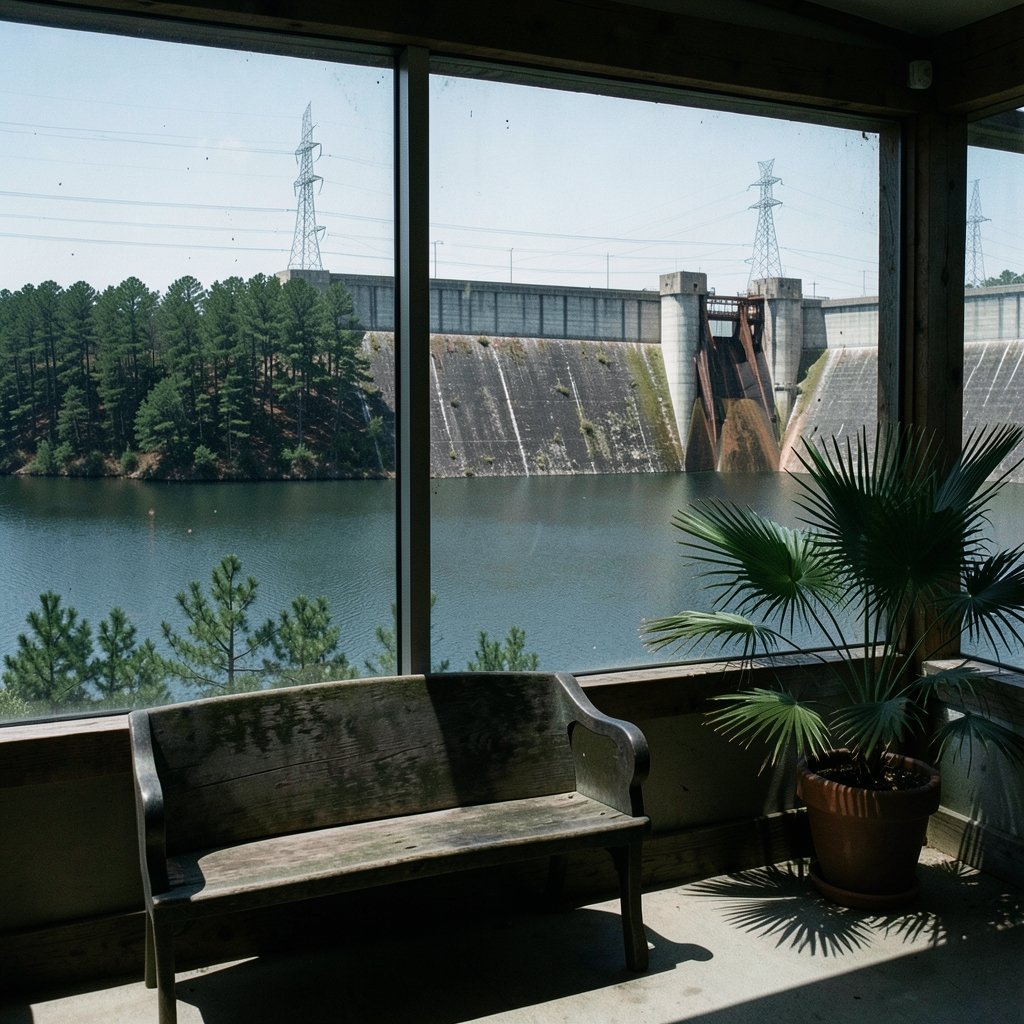
What do you call a power company that built the state’s biggest lakes, helped win a world war, and then became the center of one of the costliest nuclear failures in American history? In South Carolina, the answer is Santee Cooper. The name gets used for a river, a pair of lakes, a fishing destination, and a utility all at once, which is exactly why so many people end up confused about what it actually means.
This article untangles the whole story: what Santee Cooper is, how it came to exist, what went wrong at the V.C. Summer nuclear project, and what the future holds for a utility that answers to lawmakers rather than shareholders.
What Is Santee Cooper?
Santee Cooper is the everyday name for the South Carolina Public Service Authority, a state-owned electric and water utility. The South Carolina General Assembly created it in 1934, during the depths of the Great Depression, as a public works agency meant to bring power, navigation, and economic development to a poor, rural stretch of the state along the Santee River.
The nickname comes straight from geography. The utility’s founding project dammed the Santee River and diverted water toward the Cooper River watershed, creating two enormous reservoirs: Lake Marion and Lake Moultrie. A diversion canal connects them. The lakes gave the agency its identity, and the name stuck so firmly that many South Carolinians use “Santee Cooper” for the lakes before they use it for the power company.
Because it is state-owned, Santee Cooper does not have stockholders. It is governed by a board of directors, and its operations are subject to oversight by the legislature and state regulators. That structure shapes almost everything about how it behaves, from how it sets rates to how it responds to political pressure.
How the Utility Got Its Start
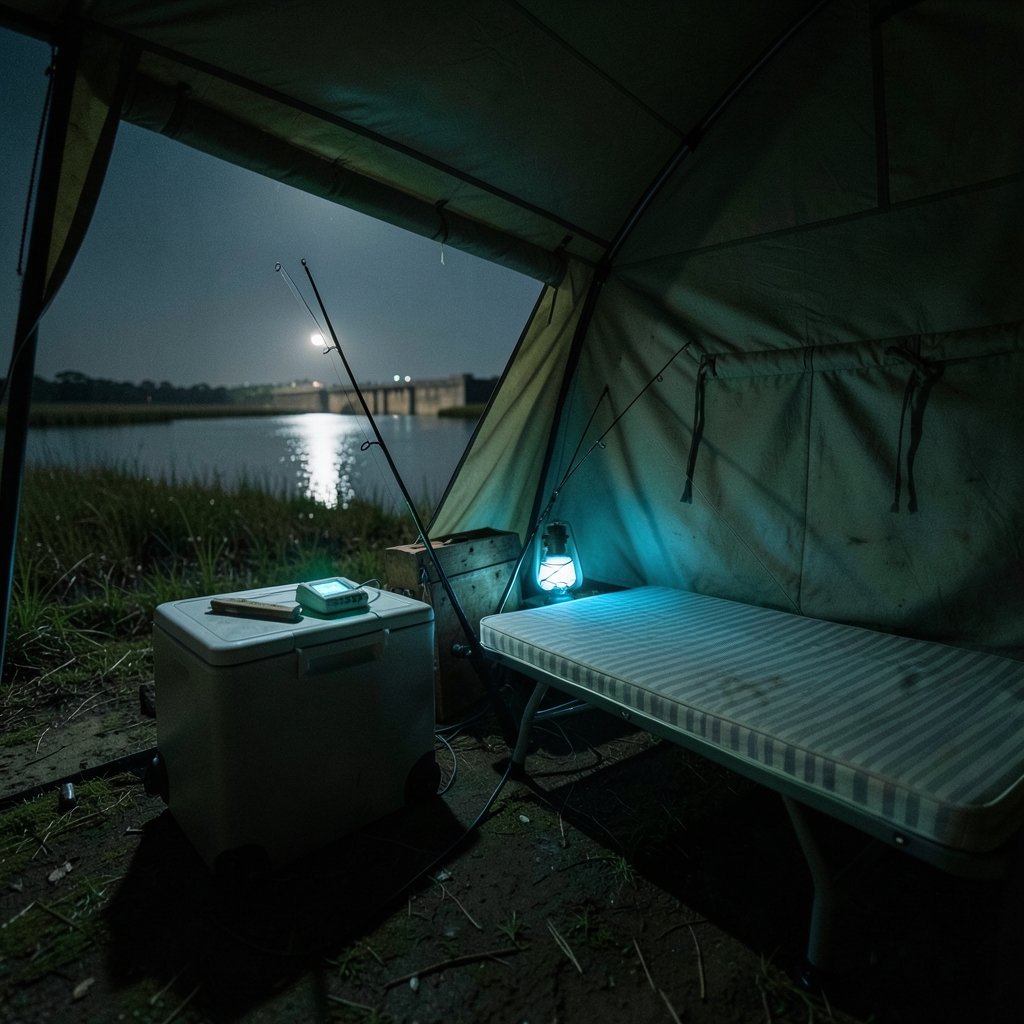
The story begins with a river that flooded, a region that lacked electricity, and a federal government willing to spend on big infrastructure. The Santee Cooper Hydroelectric and Navigation Project was a New Deal–era undertaking, among the largest public works efforts of its time in the United States.
The project delivered several things at once:
- Hydroelectric power from dams on the Santee River system, including the Pinopolis Dam
- Navigation improvements that opened the region to barge traffic
- Flood control and water management for a large swath of lowcountry South Carolina
- Economic development in counties that had been largely left behind
The lakes themselves became a lasting legacy. Lake Marion and Lake Moultrie turned into major recreation destinations, drawing anglers chasing catfish and bass, boaters, and wildlife watchers. That dual identity, power provider and steward of a vast reservoir system, is part of what makes Santee Cooper unusual among American utilities.
The Scale of the Operation Today
Santee Cooper is one of the largest state-owned utilities in the United States by customers served, though exact rankings shift from year to year and should be checked against current figures. It serves a territory that is largely rural and spread across a wide section of South Carolina, including the coastal region around Myrtle Beach, an area that swells with tourists every summer.
Its generation portfolio has traditionally included a mix of coal, natural gas, and hydroelectric capacity, supplemented by power purchased from other suppliers. Like many utilities, it has announced planning goals around cleaner generation and decarbonization, though the specific targets and timelines are best confirmed through the utility’s own planning documents and state regulatory filings.
Here is a quick comparison of how Santee Cooper differs from a typical investor-owned utility:
| Feature | Santee Cooper | Investor-Owned Utility |
|---|---|---|
| Ownership | State of South Carolina | Private shareholders |
| Primary financial goal | Public service and cost recovery | Return to investors |
| Oversight | Legislature and state regulators | State regulators and securities law |
| Rate-setting pressure | Political and regulatory | Regulatory and market |
| Notable assets | Lake Marion, Lake Moultrie, dams | Varies by company |
That table explains a lot about why fights over Santee Cooper tend to be political rather than purely financial. When a state owns the power company, every rate increase becomes a legislative matter.
The V.C. Summer Nuclear Failure
No discussion of Santee Cooper is complete without the V.C. Summer nuclear expansion. Santee Cooper held a 45 percent stake in a project to build two new reactors at the V.C. Summer Nuclear Generating Station. The majority partner, with 55 percent, was SCANA, parent company of South Carolina Electric & Gas.
The project collapsed in July 2017, abandoned after billions of dollars had been spent and years of construction delays. It became one of the most expensive failed nuclear projects in U.S. history and triggered a cascade of consequences:
- Criminal convictions followed for some executives involved in the project.
- SCANA was sold to Dominion Energy in a deal completed in 2019.
- Ratepayers who had been charged for the project became a central political issue.
- Santee Cooper’s reputation took a serious hit, and its future became a live question in the statehouse.
For a utility that had spent decades as a quiet public institution, the collapse turned it into front-page news. It also exposed a structural weakness: a state-owned utility with a small staff and limited financial cushion had taken on an enormous, technically demanding construction project alongside a much larger partner.
The 2020 Sale Debate and Reform
After the nuclear failure, lawmakers debated whether South Carolina should sell Santee Cooper altogether. In 2020, the legislature considered offers and weighed privatization, but ultimately did not complete a sale. Instead, reform legislation moved forward, aimed at changing how the utility is governed and overseen.
The details of that reform matter because they determine how much independence the utility’s board has, how transparent its finances must be, and how much say the legislature holds over major decisions. Anyone tracking Santee Cooper’s present-day operations should look at the current structure rather than the pre-2020 arrangement, because the governance rules changed.
What did not change is the fundamental tension. Supporters of public ownership argue that a state utility can prioritize reliability and affordability in places private companies might ignore. Critics argue that political ownership invites mismanagement and that the nuclear debacle proved the model’s limits. Both arguments have real evidence behind them, and the debate is far from settled.
What Santee Cooper Means for Everyday Customers
For most people, the practical question is simpler: what does this utility actually do for me? The answer depends on where you live and what you care about.
If you are a customer, Santee Cooper supplies electricity, and in some areas water, to homes and businesses. Rates are set through a regulatory process rather than pure market pricing, which can mean more stability but also more politics.
If you fish or boat, the lakes are the draw. Lake Marion and Lake Moultrie are among the most popular freshwater fisheries in the Southeast. The utility manages water levels, which directly affects spawning habitat, access ramps, and the timing of the bite. Anglers who follow the water-level reports tend to have better days than those who do not.
If you follow state politics, Santee Cooper is a recurring character. Bond debt, rate cases, and generation planning all show up in legislative sessions.
Common Mistakes People Make About Santee Cooper
A few misunderstandings come up again and again, and clearing them up saves a lot of confusion.
- Assuming the name refers only to the lakes. It refers to the utility first and the lakes by association. Context usually makes it clear, but not always.
- Confusing Santee Cooper with SCE&G or Dominion. SCE&G was the majority partner at V.C. Summer and is now part of Dominion Energy. Santee Cooper is a separate, state-owned entity.
- Treating it like a private company. It has no shareholders, and its board is appointed through a political process. That changes how it makes decisions.
- Assuming the nuclear project ended the utility. It did not. Santee Cooper continued operating, and the political fight over its future continued too.
- Ignoring water levels. For anyone who uses the lakes, the utility’s water management decisions matter as much as the weather.
Practical tip: when reading about Santee Cooper, check the date. A lot of widely shared material was written during the 2017–2020 crisis and describes a governance structure that has since been revised.
Hair, Lakes, and Search Confusion
Here is an oddity worth addressing, because it trips up search results. The phrase “santee cooper” occasionally gets mixed into unrelated content about hair typing and texture, the kind of material that discusses 4c hair or compares it with looser patterns like 2b hair. Those pages have nothing to do with South Carolina’s utility. The overlap is purely a naming coincidence in how some sites tag and organize content, and readers searching for the power company should skip anything about curl patterns.
The same goes for content hubs that group unrelated topics together, sometimes under labels like the row for a themed collection of posts. If an article starts talking about hairstyles when you wanted lake levels, you have landed in the wrong cluster.
The Future of a State-Owned Utility
Santee Cooper’s next chapter will be shaped by three forces.
The first is generation planning. The utility must decide how quickly to retire coal capacity, how much natural gas to rely on, and whether renewables or nuclear play a larger role. Those choices carry decades-long cost implications.
The second is financial health. The nuclear failure left scars, and the utility carries debt that affects rates. How it manages that burden will determine whether customers see stability or increases.
The third is politics. Because the state owns the utility, every major decision runs through a legislature with competing priorities. That is not going away.
What seems clear is that Santee Cooper is not going anywhere. It remains one of the largest state-owned utilities in the country, the steward of two major lakes, and a fixture of South Carolina public life. Whether that is a source of pride or frustration depends on who you ask, and often on whether they are looking at their power bill or their fishing boat.
Conclusion
Santee Cooper is one of those institutions that means several things at once: a Depression-era public works triumph, a pair of sprawling lakes, a state-owned power provider, and the site of a spectacular nuclear failure. Understanding it requires holding all of those truths together rather than picking one.
The utility was born from a river and a New Deal impulse to electrify a neglected region. It grew into a major energy supplier and a recreation hub. It stumbled badly at V.C. Summer, survived a serious push for privatization, and emerged with a revised governance structure and a long list of challenges. Through it all, the lakes kept filling, the turbines kept spinning, and the bills kept going out.
For readers trying to make sense of the name, the short version is this: Santee Cooper is South Carolina’s public power authority, and everything else, from the catfish to the courtroom, follows from that.
Frequently Asked Questions
What does Santee Cooper actually stand for?
The name comes from the Santee River and the Cooper River. The utility’s founding project dammed the Santee and diverted water toward the Cooper River watershed, creating Lake Marion and Lake Moultrie. “Santee Cooper” became the shorthand for both the project and the agency behind it.
Is Santee Cooper a government agency?
Yes. Its formal name is the South Carolina Public Service Authority, created by the state legislature in 1934. It is state-owned, governed by a board of directors, and subject to legislative and regulatory oversight. It is not a private company and has no shareholders.
What happened with the V.C. Summer nuclear project?
Santee Cooper held a 45 percent stake in an expansion of the V.C. Summer Nuclear Generating Station, with SCANA’s South Carolina Electric & Gas holding the majority. The project was abandoned in July 2017 after billions of dollars had been spent. The failure led to criminal convictions, the 2019 sale of SCANA to Dominion Energy, and a major political fight over the utility’s future.
Was Santee Cooper sold to a private company?
No. In 2020, the South Carolina legislature considered and debated a sale but ultimately did not complete one. Instead, reform legislation moved forward, changing how the utility is governed and overseen. Santee Cooper remains state-owned.
Why do people confuse Santee Cooper with the lakes?
Because the utility built and manages Lake Marion and Lake Moultrie, the name attaches to both the power company and the reservoirs. Locals often say “Santee Cooper” when talking about fishing or boating, and the context usually makes the meaning obvious, though not always to visitors.
Can the public use Lake Marion and Lake Moultrie?
Yes. Both lakes are major public recreation destinations for fishing, boating, and wildlife viewing. Water levels are managed by the utility, so conditions change throughout the year. Checking current water-level information before a trip is the practical move, especially in seasons when levels are drawn down.









