

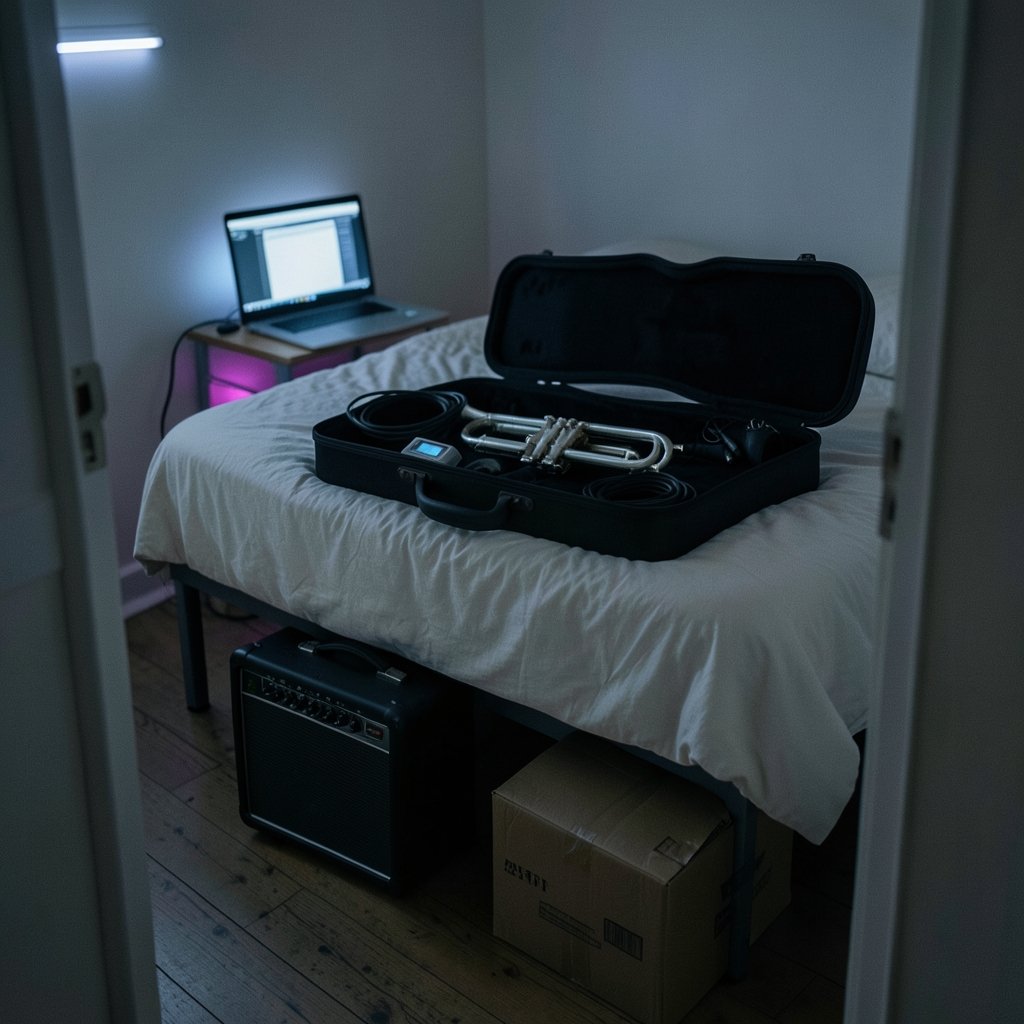
Quick Answer: Where to sell musical instruments?
You can sell musical instruments through online marketplaces like Reverb and eBay, local platforms like Facebook Marketplace, music shops that buy outright or take gear on consignment, and auction houses for rare or high-value pieces. The right venue depends on what you’re selling: heavy items like pianos and drum kits usually move best locally, while collectible guitars and vintage brass often reach better buyers online.
Each route differs in fees, speed, and risk. Online marketplaces handle payment protection but add shipping headaches, while local sales avoid shipping entirely but narrow your pool of buyers.
Before listing anything, compare fees, commission rates, shipping costs, payment protection, local demand, and how quickly you need the money.
Why the Right Venue Matters More Than the Price Tag
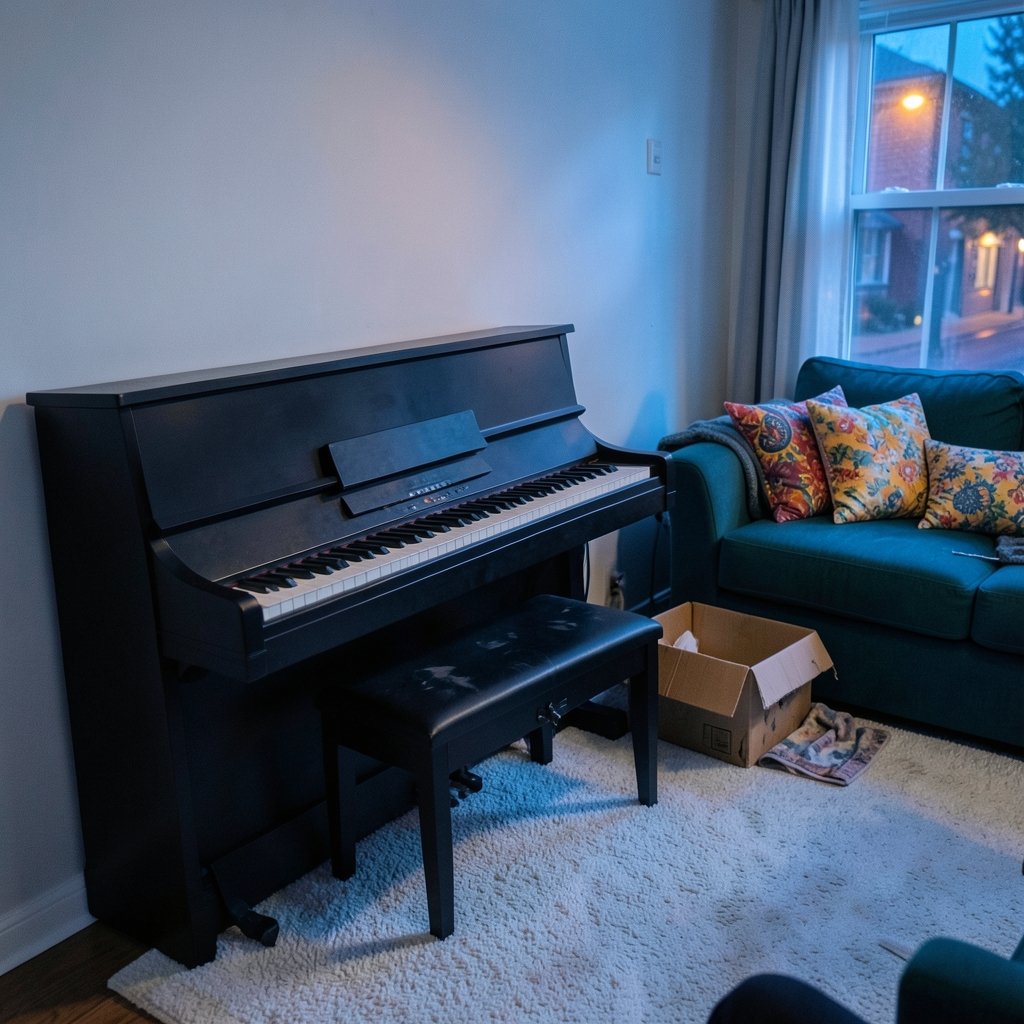
Ever tried to sell a drum kit on a national marketplace and watched the listing gather dust for six weeks? It happens constantly, and it rarely has anything to do with the kit itself. The instrument was fine. The venue was wrong.
Musical instruments are strange retail objects. A vintage trumpet might be worth four figures to the right collector and almost nothing to a neighbor scrolling a local feed. A digital piano is the reverse: heavy, hard to ship, and easy to sell to someone five miles away who can borrow a truck. Matching the instrument to the venue is the single biggest lever a seller controls, and it matters more than shaving twenty dollars off the asking price.
The practical side deserves equal attention. Fees quietly eat into proceeds, shipping a guitar without a proper case invites damage claims, and payment scams target instrument sellers because the sums are large. A seller who understands the trade-offs before listing tends to walk away with more money and fewer headaches.
Online Marketplaces Built for Musicians
Reverb: The Specialist’s Default
Reverb launched in 2013 and has grown into the largest dedicated marketplace for new and used musical instruments. Its big advantage is audience quality: buyers on the site are musicians and collectors actively hunting gear, not general bargain hunters. The platform handles payments and buyer protection, which removes much of the fraud risk that plagues classifieds.
The catch is fees. Reverb has historically charged individual sellers around 3.5%, with higher rates for shops, though those percentages have shifted over time. Sellers should confirm current rates before pricing a listing, because a fee that looks small on a $200 pedal becomes real money on a $3,000 guitar.
Reverb’s price guide and sold-listing history are genuinely useful research tools. Checking what comparable instruments actually sold for, rather than what optimistic sellers are asking, keeps expectations realistic.
eBay: Still King for Vintage and Collectible Gear
eBay remains a major venue for instruments, especially vintage and collectible pieces. Its reach is enormous, and for rare gear the buyer might genuinely be on the other side of the country. Final value fees plus payment processing add up, though, and bulky items like pianos or full drum kits become a shipping nightmare that few sellers want to repeat. eBay rewards sellers who photograph thoroughly, describe flaws honestly, and price competitively.
Facebook Marketplace and Local Classifieds
For large, heavy, or fragile instruments, local selling is the standard route. Facebook Marketplace, which launched in 2016, allows local pickup and cash payment, sidestepping shipping costs and fraud risk in one move. Pianos, organs, drum kits, and heavy amps are classic local-sale items because the buyer can inspect and haul them away.
The trade-off is a smaller buyer pool and more time-wasting messages. Serious sellers photograph the instrument from every angle, list dimensions and weight, and state clearly that the buyer arranges transport.
Local Music Shops, Trade-Ins, and Consignment
Selling Outright
Local music shops and trade-in programs buy used instruments outright or take them on consignment. Outright purchase is fast and simple: the shop hands over cash or store credit and takes on the resale risk. The trade-off is price. Shops typically pay somewhere in the range of 50 to 70% of resale value, since they need margin to cover floor space and slow-moving inventory. Those percentages vary widely by shop and instrument type, so treat them as a rough guide rather than a rule.
Consignment Arrangements
Consignment means the shop sells on your behalf and takes a commission, commonly 20 to 30%. It often suits high-value or niche instruments where the shop already has a customer base waiting. A specialized violin dealer, for example, may find a buyer far faster than a general listing would. Sellers should get the commission rate, payout timeline, and insurance responsibility in writing before leaving an instrument behind.
This model is the same one used across retail, where a shop holds goods and pays the owner after sale rather than buying inventory upfront. The arrangement works well when trust runs both ways and the paperwork is clear.
Auction Houses for Rare and High-Value Instruments
Auction houses handle high-value, vintage, or collectible instruments, notably violins, guitars, and historical brass. They charge both buyer’s and seller’s premiums, and those rates vary by house and by sale. The upside is access to serious collectors and the possibility of competitive bidding pushing a price above expectations. The downside is uncertainty: an auction can flop, and the seller pays fees either way.
Auctions make the most sense for instruments with documented provenance, rare makers, or genuine collectible status. For a mid-range student violin, the premiums usually outweigh any benefit.
How the Main Options Compare
| Venue | Best for | Typical cost to seller | Speed | Main risk |
|---|---|---|---|---|
| Reverb | Mid to high-end gear, engaged buyers | Roughly 3.5% for individuals, higher for shops | Moderate | Fees, shipping damage |
| eBay | Vintage and collectible pieces | Final value fee plus payment processing | Moderate | Shipping bulky items, returns |
| Facebook Marketplace | Pianos, drum kits, amps, heavy gear | Free to list | Fast for local pickup | Time-wasters, payment scams |
| Music shop buyout | Quick, hassle-free sales | Roughly 30–50% below resale value | Very fast | Lower payout |
| Consignment | High-value or niche instruments | Commonly 20–30% commission | Slow | Payout delays, shop closure |
| Auction house | Rare, documented, collectible pieces | Buyer’s and seller’s premiums | Scheduled | Unsold lots still cost money |
Pricing an Instrument Before You List It
Pricing is where most sellers lose money, and it usually happens in one of two directions. Some anchor to what they paid years ago and refuse to budge. Others undercut themselves out of fear and leave hundreds on the table.
The reliable method is checking sold listings, not asking prices. Reverb’s price guide and eBay’s completed-sale data show what buyers actually paid. Condition adjustments matter enormously with instruments: fret wear, finish cracks, missing case candy, and electronics issues all move the number. A guitar with a professional setup and original case commands more than an identical model with neither.
Sellers should also factor in the cost of the chosen venue. A $1,000 sale on a platform charging 3.5% nets $965 before shipping. The same instrument sold to a shop at 60% of resale nets $600 but requires no photography, no messages, and no packing. Neither is wrong; they are different trades of money for time.
Shipping, Payment, and Fraud Protection
Shipping instruments is where casual sellers get hurt. Guitars and amps need proper cases and specialized carriers; pianos generally require specialist movers. A guitar shipped in a gig bag is a damage claim waiting to happen, and carriers often exclude certain instrument damage unless packed to specification.
Payment method matters just as much. Common scams include overpayment schemes, check fraud, and fake payment confirmations. Marketplaces with escrow-style payment, like Reverb and eBay, reduce but do not eliminate that risk. Local cash-in-hand sales avoid it entirely, provided the meeting happens somewhere safe and public.
There is also a tax dimension worth knowing. In the United States, sales of used personal property by an individual are generally not subject to sales tax, but marketplace facilitators may collect and remit sales tax on the seller’s behalf under state marketplace-facilitator laws that followed the 2018 South Dakota v. Wayfair Supreme Court decision. Rules vary by state and country, so a quick check with a local tax authority before a large sale is sensible.
Mistakes That Cost Sellers Real Money
The same errors show up again and again in instrument sales. Poor photos top the list: three blurry shots in a dark room tell a buyer nothing and signal a seller who may not know what they have. Vague descriptions follow close behind. Buyers want serial numbers, model years, modification history, and honest notes on wear.
Another common mistake is listing a heavy instrument nationally without pricing shipping first. A drum kit that seems sellable at $800 becomes unsellable once the buyer realizes freight costs $300. Local listing solves this instantly.
Sellers also forget to research niche communities. A vintage synthesizer may sit ignored on a general marketplace while a dedicated collector forum would have moved it in days. The same logic applies to specialty beauty and grooming gear, where dedicated communities often outperform general platforms; sellers of textured hair products, for instance, find engaged buyers through 4c hair communities rather than broad classifieds. Instruments follow the same pattern.
Finally, sellers underestimate timing. January and September, when lessons restart and bands regroup, tend to bring more buyers than mid-summer. Patience during slow months beats panic discounting.
When a Niche or Specialist Route Wins
Some instruments simply do not belong on general marketplaces. A hand-built classical guitar, a professional-grade oboe, or a vintage brass instrument with historical significance may need a specialist dealer or auction house to reach the right buyer. The same principle applies in other resale markets: fashion resellers know that platforms built for a specific audience outperform general ones, which is why Depop selling strategies differ so much from standard classifieds. Instruments reward the same thinking.
High-value items also benefit from documentation. Service records, original receipts, provenance letters, and professional appraisals raise buyer confidence and justify stronger prices. A seller with a paper trail can often command more than a comparable instrument listed without one.
Real estate has a parallel worth noting: presentation and audience matter as much as the asset itself, which is why luxury home selling leans on staging and targeted marketing rather than a generic listing. A $15,000 vintage guitar deserves the same deliberate approach.
Conclusion
There is no single best place to sell a musical instrument, only a best fit for each instrument and each seller’s priorities. Reverb suits mid-range and high-end gear with engaged buyers and payment protection. eBay remains strong for vintage and collectible pieces despite its fees. Facebook Marketplace and local classifieds are the practical answer for pianos, drum kits, and heavy amps where shipping would kill the deal. Music shops offer speed at a discount, consignment serves high-value and niche instruments, and auction houses make sense for rare pieces with provenance.
The sellers who do best share a few habits: they check sold prices instead of asking prices, photograph honestly, price shipping before listing, and match the venue to the instrument rather than forcing every sale through one platform. A little research up front usually translates into a better price and a far calmer transaction.
FAQ
How much should I expect to lose in fees when selling an instrument online?
Dedicated instrument marketplaces have historically charged individual sellers around 3.5%, while general marketplaces add final value fees plus payment processing. On a $1,000 sale, budget roughly $35 to $130 depending on the venue. Always confirm current rates before pricing, since fee schedules change.
Is it better to sell to a music shop or list the instrument myself?
A shop is faster and simpler but typically pays 50 to 70% of resale value. Listing yourself takes more work and time but usually nets more money. Choose the shop route when speed matters or the instrument is slow-moving; list it yourself when you have time and the gear is in demand.
Can I sell a piano on an online marketplace?
You can list one, but local platforms work far better. Pianos are heavy, fragile, and expensive to move, so buyers almost always want to inspect and arrange transport themselves. Specialist piano movers are generally required, and national shipping rarely makes financial sense.
What documents should I keep when selling a valuable instrument?
Keep the original receipt if you have it, service and repair records, any appraisal, and documentation of provenance such as maker certificates or ownership history. These raise buyer confidence and support a stronger asking price, especially for vintage or collectible pieces.
How do I avoid scams when selling instruments locally?
Meet in a public place, accept cash or a verified instant payment, and never release an instrument based on a screenshot of a payment confirmation. Be wary of buyers who offer to overpay and ask for a refund of the difference, which is a classic fraud pattern.
Do I owe tax when I sell a used instrument?
In the United States, individual sales of used personal property are generally not subject to sales tax, but online marketplaces may collect and remit sales tax on your behalf under state marketplace-facilitator laws. Rules vary by location and by whether the sale counts as a business activity, so check with a local tax authority for larger sales.









