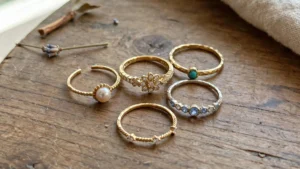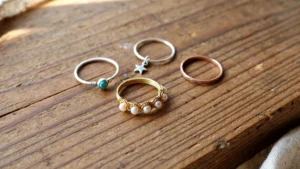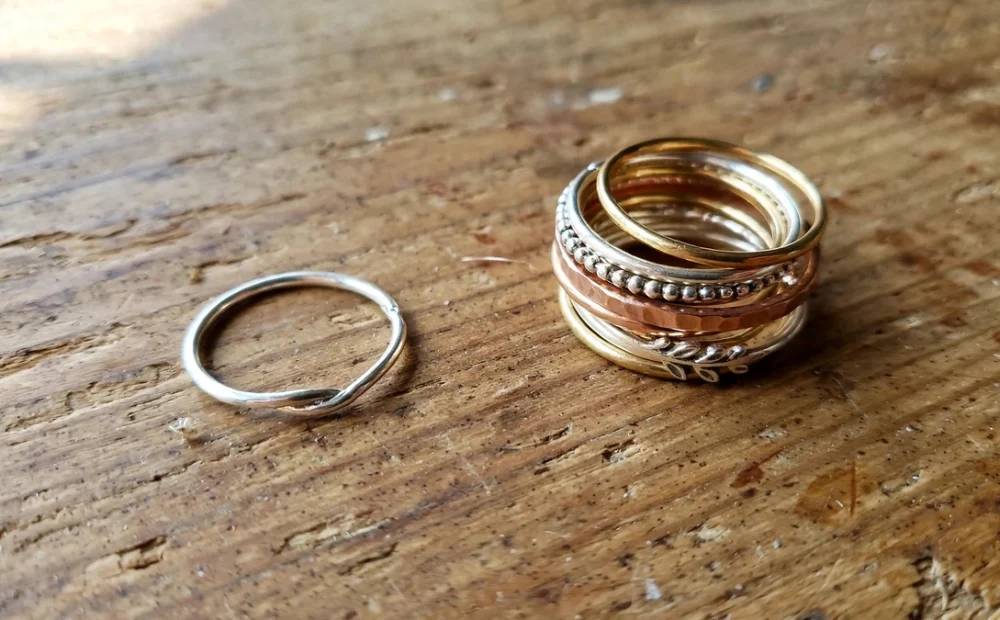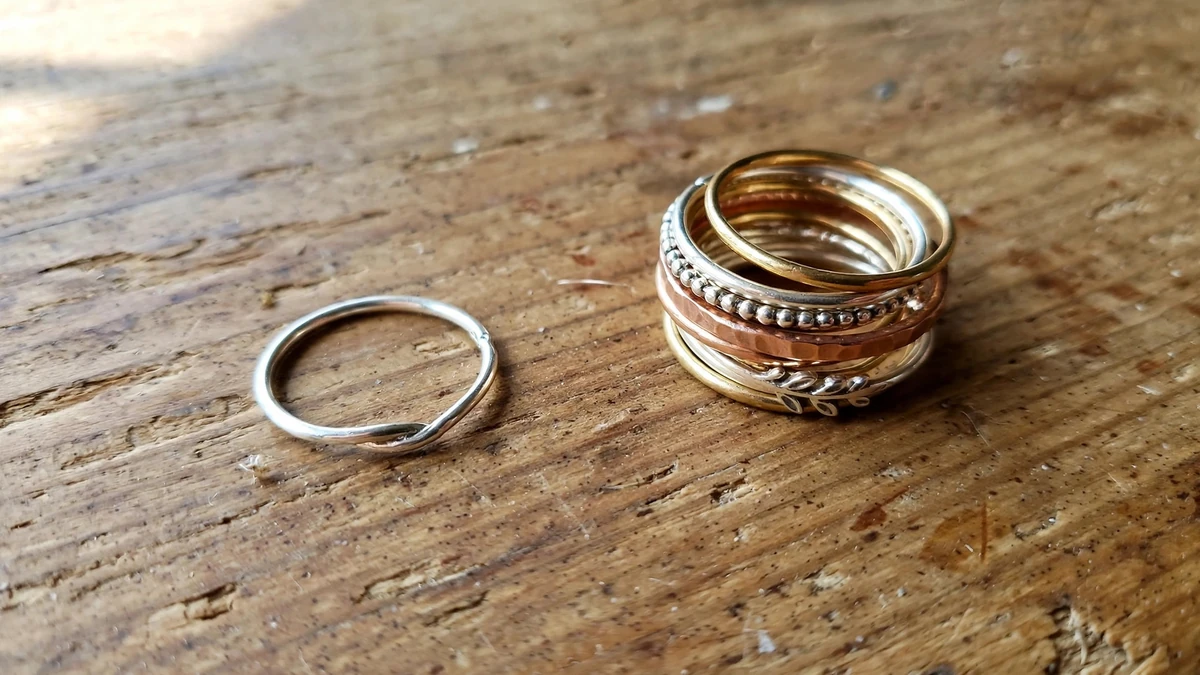
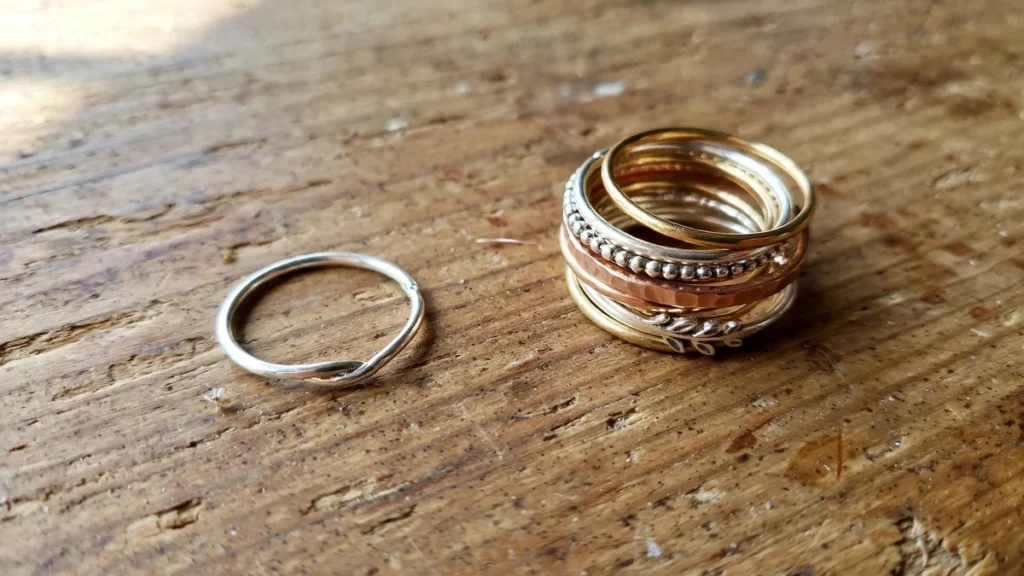
A toe ring is a small piece of jewellery with a surprisingly big decision behind it. One slim band on a single toe is quiet, classic and easy to live with. A stack of two or three rings is bolder and more noticeable, and the two styles behave very differently on the foot, with shoes, and across a whole day.
The choice is not about which one is better in general. It is about which one suits your feet, your shoes, your budget and how much attention you want on your toes. A single ring can disappear under a sandal strap, while a stack can catch on socks or rub between toes. The metal, the fit and the number of rings all change how it feels.
Below are nine comparisons that matter in 2027, from comfort and cost to how each style photographs and how long it lasts. Each one covers what it does well, what to watch for, and who it suits best.
Key takeaways
- A single toe ring is the easiest to wear every day, while a stack makes a stronger statement but needs more care with fit.
- Fit matters more than style: a ring that is too tight pinches, and one that is too loose slides off or spins.
- Gold and silver both work well, but gold is warmer on most skin tones and silver is cooler and often cheaper.
- Stacked rings cost more in total and need more cleaning, because dirt and moisture collect between the bands.
- No toe ring is truly one-size-fits-all, and a ring that hurts, leaves a mark, or turns the skin green should be removed, not worn through.
What single and stacked toe rings actually are
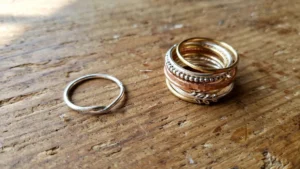
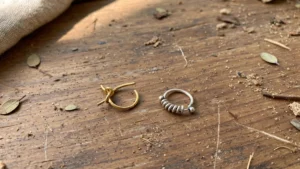
A single toe ring is one band worn on one toe, most often the second toe, because it is usually the longest and the easiest to fit. It can be a plain metal band, a thin chain, or a band with one small stone or charm. It sits close to the skin, moves little, and works with almost every sandal and most open shoes.
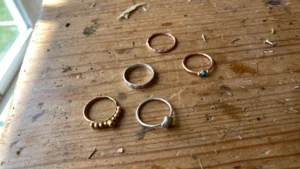
A stacked toe ring is two or more bands on the same toe, or a set spread across two or three toes. The bands can match, or mix metals, textures and stones. The effect is layered and decorative, and it is popular for holidays, weddings and beach outfits, where feet are on show.
The difference is not only visual. A single ring has one point of contact with the skin, while a stack has several, and each band can rub against the next one, trap moisture, or press on the toe when the foot swells in heat. That is why the comparison below looks at comfort and care as closely as style, because a toe ring you cannot wear comfortably is one you will stop wearing.
How we chose these comparisons and what to look for
Look first at the fit. A toe ring should slide on with slight resistance and sit snugly without pinching. Toes change size through the day, especially in heat, so a ring that fits in the morning can feel tight by the afternoon. An adjustable open band is more forgiving than a fixed closed band, and the safer choice for a first toe ring.

Look next at the metal. Solid gold and sterling silver are the most reliable choices for daily wear, because they are less likely to cause irritation than plated or coated metals. Plated rings can look just as good at first, but the coating wears thin with water, sand and sweat, and the metal underneath can then irritate the skin. Our guide to gold jewellery for everyday wear explains why solid pieces last longer, and the same logic applies to the smallest piece of jewellery you own.
Finally, look at how the ring will live with your shoes. A chunky stack can press against a sandal strap or catch on a closed shoe, while a single slim band rarely does. If you wear trainers most days, a toe ring may only be practical at home or on holiday. If you live in sandals in summer, either style can work, but the stack will show more.
The 9 comparisons that matter in 2027
First impressions and how they photograph
What we like: A single ring looks clean and deliberate in photographs, especially in close-ups of sandals and pedicures. A stack looks richer and more styled, and photographs beautifully on bare feet at the beach. What to consider: A stack can look busy if the bands are all different, and a single ring can disappear in a wide shot.
Best for: Single, for minimal and classic looks; stacked, for holidays and styled outfits. Material: Gold, silver, or mixed metals. Price range: About £15 to £80 for a single band; about £40 to £200 for a stack. Standout feature: A stack gives more visual interest per toe.
Comfort and how they feel all day
What we like: A single slim band is easy to forget once it is on, which is the best sign of a good fit. A stack can feel secure and snug when each band fits well. What to consider: Stacked bands can rub against each other and the next toe, and feel tight when feet swell in heat or after walking.
Best for: Single, for all-day wear; stacked, for shorter outings. Material: Smooth, polished metal with rounded edges. Price range: About £15 to £120. Standout feature: A single band is the most comfortable toe ring to wear from morning to night.
Durability and what can go wrong
What we like: A single solid band is hard to damage, because there is nothing to catch or bend. A well-made stack is also durable, and each band can be replaced on its own if one breaks. What to consider: Thin stacked bands bend more easily, and bands that rub together can scratch each other over time. Adjustable bands can loosen and need reshaping.
Best for: Single, for active days and travel; stacked, for careful, occasional wear. Material: Solid gold or sterling silver. Price range: About £20 to £150. Standout feature: A single solid band is the hardest toe ring to damage.
Matching the outfit and the occasion
What we like: A single ring works with almost everything, from a linen dress to swimwear, because it does not compete with the outfit. A stack works best when the outfit is simple, so the toes can carry the detail. What to consider: A stack can clash with a busy outfit, a patterned sandal or a lot of other jewellery, and look out of place at a formal event.
Best for: Single, for everyday and formal occasions; stacked, for holidays, festivals and beach weddings. Material: Gold for warm outfits, silver for cool tones. Price range: About £15 to £200. Standout feature: A stack turns bare feet into a styled detail.
Gold, silver and mixed metals
What we like: Gold is warm, suits most skin tones, and holds its colour well. Silver is cool, bright, and often cheaper for the same weight. Mixed metals in a stack can look modern and intentional. What to consider: Gold and silver wear at different rates, so a mixed stack can age unevenly, and silver tarnishes faster in salt water.
Best for: Gold, for warm skin tones; silver, for cool skin tones; mixed, for a modern layered look. Material: Solid gold, sterling silver, or gold-filled. Price range: About £20 to £250. Standout feature: Gold keeps its colour longest in daily wear.
Cost for one ring and for a set
What we like: A single ring is cheap to start with, and a good one can last for years. A stack can be built slowly, one band at a time, which spreads the cost. What to consider: A stack costs more in total, and replacing one band in a matched set can be hard if the design is discontinued.
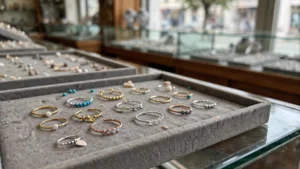
Best for: Single, for a first toe ring and a small budget; stacked, for collectors building a set over time. Material: Gold-plated for a low budget, solid metal for a long-term buy. Price range: About £15 to £80 for one; about £40 to £250 for a set. Standout feature: A single solid gold band is the best value per wear.
Care before and after wearing
What we like: A single ring is quick to clean, dry and store. A stack can be taken apart and cleaned band by band. What to consider: Moisture, sand and sunscreen collect between stacked bands, and if they are not rinsed off, they can irritate the skin and dull the metal.
Best for: Single, for low-maintenance wear; stacked, for people happy to clean jewellery after the beach. Material: Sterling silver needs more polishing than gold. Price range: About £15 to £200. Standout feature: A single band takes seconds to clean and dry.
Skin sensitivity and allergies
What we like: Solid gold and sterling silver are usually well tolerated, even on sensitive skin. A single band has less metal touching the skin, so there is less to react to. What to consider: Nickel in cheap alloys is the most common cause of irritation, and a stack means more metal, more contact, and more chance of a reaction.
Best for: Single, for sensitive skin; stacked, only in solid gold or sterling silver. Material: Solid gold, sterling silver, or surgical steel. Price range: About £20 to £200. Standout feature: Hypoallergenic solid metals are the safest choice for sensitive skin.
Keeping it afterwards as a keepsake
What we like: A single gold band can become a keepsake, especially if it marks a holiday or a milestone. A stack can be added to over years, with each band marking a different trip or occasion. What to consider: Cheap plated bands have little resale value and wear out, while solid gold and silver hold value better and can be resized.
Best for: Single, for a first keepsake; stacked, for a collection built over time. Material: Solid gold or sterling silver. Price range: About £40 to £300. Standout feature: A solid gold band is the toe ring most likely to be kept for years.
Which toe ring is right for you
Start with your feet. If your second toe is long and straight, a single band or a stack will both sit well. If your toes are short or close together, a single slim band is more comfortable, and a stack may feel crowded. Try a ring on at the end of the day, when your feet are largest, so the fit you choose is the fit you will live with.
Then think about your shoes. If you wear sandals most of the summer, either style works, and the stack will be seen more. If you wear closed shoes, trainers or boots for most of the year, a single slim band is the practical choice, because it is less likely to press or catch. A statement necklace can carry the drama instead.
Finally, think about how much care you want to give it. A single ring needs almost no maintenance beyond an occasional clean. A stack needs rinsing after the beach, drying between the bands, and checking for bending. If that sounds like a chore, choose the single ring; if it sounds like part of the pleasure, the stack will suit you.
The caveats that matter
Toe rings are small, but they sit on a part of the body that works hard. Feet swell, sweat and walk for hours, and a ring that is fine in a shop can feel very different after a long day. The most common problems are all avoidable: a ring that is too tight, a metal that irritates the skin, or a stack that traps moisture. None are a reason to avoid toe rings, but all are a reason to choose carefully and take the ring off if something feels wrong.
| Detail | What is known |
|---|---|
| Best for everyday wear | A single slim band: comfortable, durable and low maintenance |
| Best for a bold look | A stack of two or three bands, with bare feet or open sandals |
| Fit | Snug without pinching; try on at the end of the day |
| Safest metals | Solid gold, sterling silver or surgical steel; avoid nickel-heavy alloys |
| Cost | £15 to £80 for one band; £40 to £250 for a stack |
| Care | Rinse after swimming, dry fully, store bands separately |
| Who should avoid a stack | People with sensitive skin, swollen feet, or all-day standing jobs |
| When to take it off | If it pinches, marks, itches, or turns the skin green |
If you have diabetes, poor circulation, or a foot condition, check with your clinician before wearing a toe ring, because even a small ring can cause problems if it presses on the skin for hours. The same applies to a cut, blister or infection on the toe: wait until it has healed.
Checklist: choosing between single and stacked toe rings
Use these checks before you buy, and again after a week of wearing.
- Try it on at the end of the day, when your feet are at their largest, and check that it slides on with slight resistance.
- Check the metal: solid gold, sterling silver or surgical steel, and ask what alloy is used if it is plated.
- Walk around in it for ten minutes before you decide, and check for pinching or rubbing between the toes.
- Check it against your shoes: does it catch on a sandal strap, or press inside a closed shoe?
- For a stack, check that each band fits on its own, and that the bands do not pinch when worn together.
- Plan the care: rinse after swimming, dry fully, and store the bands separately so they do not scratch.
Frequently asked questions
Which toe do most people wear a toe ring on?
The second toe, because it is usually the longest and the easiest to fit. Some people wear one on the big toe, but the fit is harder there, and a stack is rarely comfortable on it.
Can I wear a toe ring every day?
Yes, a single slim band in solid gold or sterling silver can be worn every day. Take it off at night if your feet swell, and before swimming in the sea if you want to avoid losing it.
Are stacked toe rings comfortable?
They can be, if each band fits well and the bands are thin and smooth. They are less comfortable than a single ring for long walks, in heat, or with closed shoes, because the bands can rub and trap moisture.
Can I wear a toe ring with closed shoes?
A single slim band usually works with roomy closed shoes, but a stack often presses and catches. Try it with the shoes you actually wear, and take the ring off if it hurts or leaves a mark.
Does a toe ring turn the skin green?
It can, if the ring is made from a cheap alloy containing copper or nickel. Solid gold, sterling silver and surgical steel do not usually cause this. If the skin turns green, stop wearing the ring and check what metal it is made from. Our guide to anklets for women uses the same metal advice, because the same cheap alloys cause the same problem on the ankle.
How do I stop a toe ring from falling off in the sea?
Choose a snug fit, and avoid wearing a loose or adjustable ring in the water. Cold water shrinks toes slightly, so a ring that fits on the beach can slip off in the sea. If you swim often, wear a single band that fits well, and leave a loose stack at home.
The bottom line
A single toe ring is the easier choice: comfortable, durable, cheap to start with, and easy to wear every day. A stack is the bolder choice: more decorative, more personal, and more rewarding when the outfit is simple and the feet are on show. Neither is better in general; the right one fits your feet, your shoes and the amount of care you are willing to give it.
Start with one good band in solid gold or sterling silver, wear it for a week, and see how it feels. If you love it, add a second band and build a stack slowly, so you get the comfort of a single ring and the style of a stack, without buying three rings you never wear.