
An anklet is the smallest piece of jewellery you can wear, and it does a surprising amount of work. One fine chain around the ankle finishes an outfit in a way that is easy to miss and hard to forget. It draws the eye down, it moves when you walk, and it makes even a simple dress and flat sandals look considered. In 2027, anklets are back in a serious way, not as a holiday novelty but as a everyday piece, worn with tailored clothes, evening dresses and everything in between.
The reason they are worth it is value, not nostalgia. An anklet costs less than almost any other piece of fine jewellery, it suits every age and every budget, and it works with clothes you already own. You do not need a new wardrobe to wear one, just open shoes, a visible ankle, and a chain that fits.
Below are nine reasons anklets are worth it in 2027, from the way they finish an outfit to how well they travel, how long they last, and why a good one is one of the best-value pieces of jewellery you can buy. Each reason covers what it does well, what to watch for, and who it suits best, so you can decide whether an anklet earns a place in your jewellery box.
Key takeaways
- An anklet finishes an outfit in seconds, and it costs less than almost any other piece of fine jewellery.
- It works with clothes you already own, from summer dresses to tailored trousers with cropped hems.
- Fit matters more than price: a well-fitted anklet in a metal you tolerate is worth more than an expensive one that digs in.
- Anklets travel better than any other accessory, because they are small, light and hard to break.
- No anklet suits every outfit or every ankle, and a cheap plated chain will not last a season of sun cream and sea water.
What an anklet actually does for an outfit
An anklet works because the ankle is a natural focal point. It is where the leg narrows, where the shoe begins, and where the eye lands when you walk. A fine chain there draws attention to the line of the leg without adding bulk or colour to the rest of the outfit. It is the jewellery equivalent of a good hem: small, precise, and easy to overlook until it is missing.
It also moves. Unlike a ring or a pair of earrings, an anklet is in motion all day, catching the light with every step, which is what makes even a plain chain look alive. A small charm, a row of beads or a single pearl adds a little more, a flash of light or a soft sound, without ever becoming loud. The effect is subtle, but it is the difference between an outfit that looks finished and one that looks almost finished.
The third thing an anklet does is connect the outfit. Shoes, hem and jewellery can feel like separate decisions, and an anklet ties them together: a gold chain picks up the buckle on a sandal, a silver chain echoes a grey dress, a beaded strand matches a summer print. It is a small link, but it makes the whole outfit feel intentional rather than assembled.
How we judged what makes an anklet worth it
We looked first at value, not price. A piece of jewellery is worth it when what it gives you, in wear, versatility and longevity, is more than what it costs. An anklet scores well here: the good ones are inexpensive, they work with many outfits, and a solid metal chain can last for years. A piece that costs little, gets worn often and lasts a long time is good value by any measure.
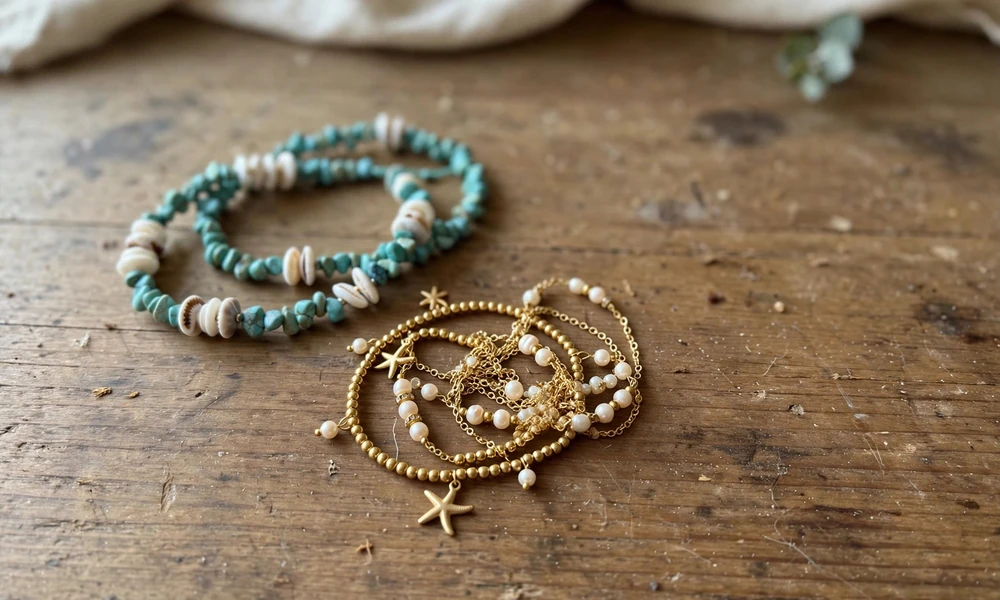
Look next at how often you will actually wear it. Jewellery that stays in a box is never worth it, however beautiful it is. An anklet is easy to wear because it is light, it does not interfere with your hands, and it suits warm weather, when other jewellery can feel heavy. Our guide to the best everyday anklets shows how many styles are designed for daily wear, and that is the real test: would you reach for it on an ordinary Tuesday, not just on holiday?
Finally, look at the metal and the fit. A well-fitted anklet in solid gold, sterling silver or surgical steel is comfortable, durable and kind to sensitive skin. A cheap plated chain that turns your ankle green in a week is not worth it at any price. An anklet that is too tight digs in, one that is too loose slides down to your shoe, and neither will be worn twice.
The 9 reasons anklets are worth it in 2027
They finish an outfit in seconds
What we like: One chain around the ankle makes an outfit look complete, even when the rest of it is simple. A summer dress, flat sandals and an anklet looks styled; without one, the same outfit looks undressed. What to consider: The effect depends on the ankle being visible, so it is wasted under long trousers or boots. Best for: Anyone who wants a finished look without effort. Cost: From about £10 for a simple chain. Time needed: Seconds to put on. Standout feature: The fastest finishing touch in jewellery.
They are the cheapest way to look polished
What we like: A good anklet costs less than a necklace, a bracelet or a pair of earrings in the same metal, yet it makes just as much difference to how an outfit looks. It is the best value per wear in most jewellery boxes. What to consider: Very cheap plated chains lose their finish quickly, so spend a little more on solid or well-plated metal. Best for: Anyone building a jewellery collection on a budget. Cost: £10 to £80 for a good everyday chain. Time needed: No time at all once it is bought. Standout feature: Polished looks for the price of a lunch.
They let you add colour without a loud dress
What we like: A beaded anklet, a turquoise charm or a row of coloured stones adds colour exactly where it is wanted, at the ankle, without changing the rest of the outfit. What to consider: Bright beads can clash with a printed dress, so keep the rest of the outfit plain when the anklet is colourful. Best for: Anyone who likes colour but prefers quiet clothes. Cost: £12 to £60 for a beaded or stone anklet. Time needed: Seconds to put on. Standout feature: Colour without commitment.
They work for weddings, proms, and formal dinners
What we like: A fine gold or pearl anklet is elegant with an evening dress, and it is one of the few pieces of jewellery visible when you are seated at a table. What to consider: Keep it fine and simple for formal events; a heavy or noisy anklet can feel out of place. Best for: Brides, bridesmaids and evening guests. Cost: £30 to £150 for a formal anklet in gold or pearls. Time needed: A minute to choose the right one. Standout feature: Formal jewellery that is still comfortable to wear all evening.
They do not need a matching outfit to look right
What we like: A plain gold or silver anklet goes with almost everything, from denim to silk, because it is neutral. You do not need to plan an outfit around it, which is more than can be said for most jewellery. What to consider: A very distinctive anklet, with large charms or bright stones, does need a sympathetic outfit, so keep one plain chain for days when you do not want to think about it. Best for: Anyone who wants jewellery that just works. Cost: £15 to £70 for a versatile plain chain. Time needed: None. Standout feature: One chain, every outfit.
They are the easiest formal accessory to carry
What we like: An anklet weighs almost nothing, takes up no space, and can be slipped on in seconds, which makes it the easiest formal accessory to carry in a bag. What to consider: Put it in a small pouch, not loose in a bag, or the chain will tangle with everything else. Best for: Travellers, wedding guests and anyone changing outfits during the day. Cost: £15 to £80 for a portable formal anklet. Time needed: Seconds to put on. Standout feature: Formal jewellery that fits in a coin pocket.
They travel better than any other accessory
What we like: Anklets are small, light and hard to break, which makes them the best-travelling piece of jewellery you can own. They pack flat, and a single chain can dress up a whole holiday wardrobe. What to consider: Take plated chains off before swimming, and keep the anklet in a pouch rather than loose in a suitcase. Best for: Holidays, beach trips and light packers. Cost: £10 to £60 for a good travel anklet. Time needed: None to pack. Standout feature: A whole jewellery wardrobe in a space the size of a coin.
They suit every age and every budget
What we like: Anklets have no age limit. A teenager wears a beaded chain, a woman in her forties wears a fine gold one, a grandmother wears pearls, and all three look right. The same is true of budget: a good anklet exists at every price. What to consider: Choose the style for your life, not your age. A heavy charm anklet suits a teenager better than a boardroom, and a fine gold chain suits both. Best for: Everyone, from first jewellery to a keepsake. Cost: £10 to £300, depending on metal and stones. Time needed: A few minutes to find your style. Standout feature: The most democratic piece of jewellery.
A good one lasts for years, not one season
What we like: A solid gold or sterling silver anklet, worn with basic care, can last for years and be passed on. It does not go out of fashion, because a fine chain is a classic, and it can be repaired, resized or replated if it needs it. What to consider: Plated chains will not last as long, especially with sun cream and sea water, so buy solid metal if you want a keepsake. Best for: Anyone buying jewellery to keep. Cost: £60 to £300 for a solid metal anklet. Time needed: A minute of care after wearing. Standout feature: A classic that outlasts trends.
Which anklets are right for you
Start with your life, not the jewellery. If you walk a lot, wear flat shoes and want something for every day, choose a fine, lightweight chain in solid gold, sterling silver or surgical steel, with an extender so you can adjust the fit. If you want something for evenings and occasions, choose a pearl or diamond-accented chain, fine enough to be elegant and light enough to wear all evening.
Think next about your skin. If you have sensitive skin, or you have reacted to jewellery before, choose metals you know you tolerate and avoid cheap plated chains. Nickel is the usual cause of irritation, and the ankle is a bad place for a reaction, because it is hidden under a shoe and easy to miss. A gold piece for everyday wear follows the same rule, and the same metals that suit your ears and wrist will suit your ankle.
Finally, think about how you will wear it. If you want one anklet for everything, buy a plain chain in the metal you wear most. If you want a collection, start with the plain chain and add a beaded one for summer and a pearl one for evenings. One good anklet, worn often, is worth more than five cheap ones that stay in a box.
The caveats that matter
Anklets are worth it, but they are not trouble-free. The ankle is one of the hardest-working parts of the body for jewellery. It moves constantly, rubs against shoes, and is exposed to sweat, sunscreen and sea water, all of which wear plating faster than the same chain would wear on the wrist. A chain that is too tight will dig in and leave a mark, while one that is too loose will slide down and catch on your shoe. Fit matters more for an anklet than for almost any other piece of jewellery.
| Detail | What is known |
|---|---|
| Best value | A fine chain in solid gold or sterling silver, worn often, lasting years |
| Best for everyday wear | A lightweight chain with an extender, in a metal you tolerate |
| Best for formal occasions | A fine gold or pearl anklet, simple and light |
| Best for travel | One or two light chains, packed in a pouch, no loose tangles |
| Fit | Snug enough to stay above the ankle bone, loose enough to move freely |
| Care | Wipe after wear, store separately, keep away from perfume and sea water |
| Sensitive skin | Choose solid gold, sterling silver or surgical steel; avoid cheap plated chains |
| What an anklet does not do | It does not suit every outfit, and it does not survive neglect in sea water or sun cream |
If you are pregnant, or your ankles swell in heat, buy an anklet with a generous extender, or size up. An anklet that fits in the morning can feel tight by the afternoon, and a chain that digs in will not be worn again.
Checklist: buying an anklet that is worth it
Use these checks before you buy, and again when you try the anklet on at home.
- Check the fit: it should sit above the ankle bone and move freely without sliding down to your shoe.
- Check the extender: at least three centimetres, so you can adjust the length for warm days and different shoes.
- Check the metal: solid gold, sterling silver or surgical steel, especially if your skin is sensitive.
- Check the clasp: it should close firmly and be easy to fasten with one hand.
- Check the weight: light enough to forget you are wearing it by the end of the day.
- Check the care: wipe it after wear, store it separately, and take it off before swimming.
Frequently asked questions
Are anklets still in style in 2027?
Yes. Anklets are worn in 2027 as an everyday piece, not just on holiday, with tailored clothes as well as summer dresses. A fine chain looks current, and a beaded or layered anklet suits a holiday wardrobe.
How much should I spend on an anklet?
From about £10 for a simple chain to £300 for solid gold. A good everyday anklet in sterling silver or gold usually costs £30 to £80, and it is worth spending a little more on solid metal if you want it to last.
Can I wear an anklet every day?
Yes, if it is light, well-fitted and in a metal you tolerate. Take it off for swimming and exercise, and wipe it after wear so sun cream and sweat do not wear the finish.
Should I wear an anklet on my left or right ankle?
Either. There is no rule. Most people wear it on the ankle that feels more comfortable, or the one that shows more with their usual shoes.
Can I wear an anklet with a pearl necklace?
Yes. A pearl anklet with a pearl necklace is a classic pairing. Keep the metals consistent so the look stays coherent. A pearl necklace and a pearl anklet together is elegant rather than excessive, as long as both are fine and simple.
Will an anklet irritate sensitive skin?
It can, if the metal contains nickel or the chain is plated cheaply. Choose solid gold, sterling silver or surgical steel, test it for a few hours before wearing it all day, and stop wearing it if your skin becomes red or itchy.
The bottom line
An anklet is worth it because it does more than its size suggests. It finishes an outfit in seconds, it costs less than almost any other piece of fine jewellery, it suits every age and every budget, and a good one lasts for years. It is the smallest investment in your jewellery box, and one of the most useful.
Buy one good chain, in a metal you love and a length that fits, and wear it. If it becomes the piece you reach for without thinking, it has earned its place. That is the honest test of whether any piece of jewellery is worth it.