

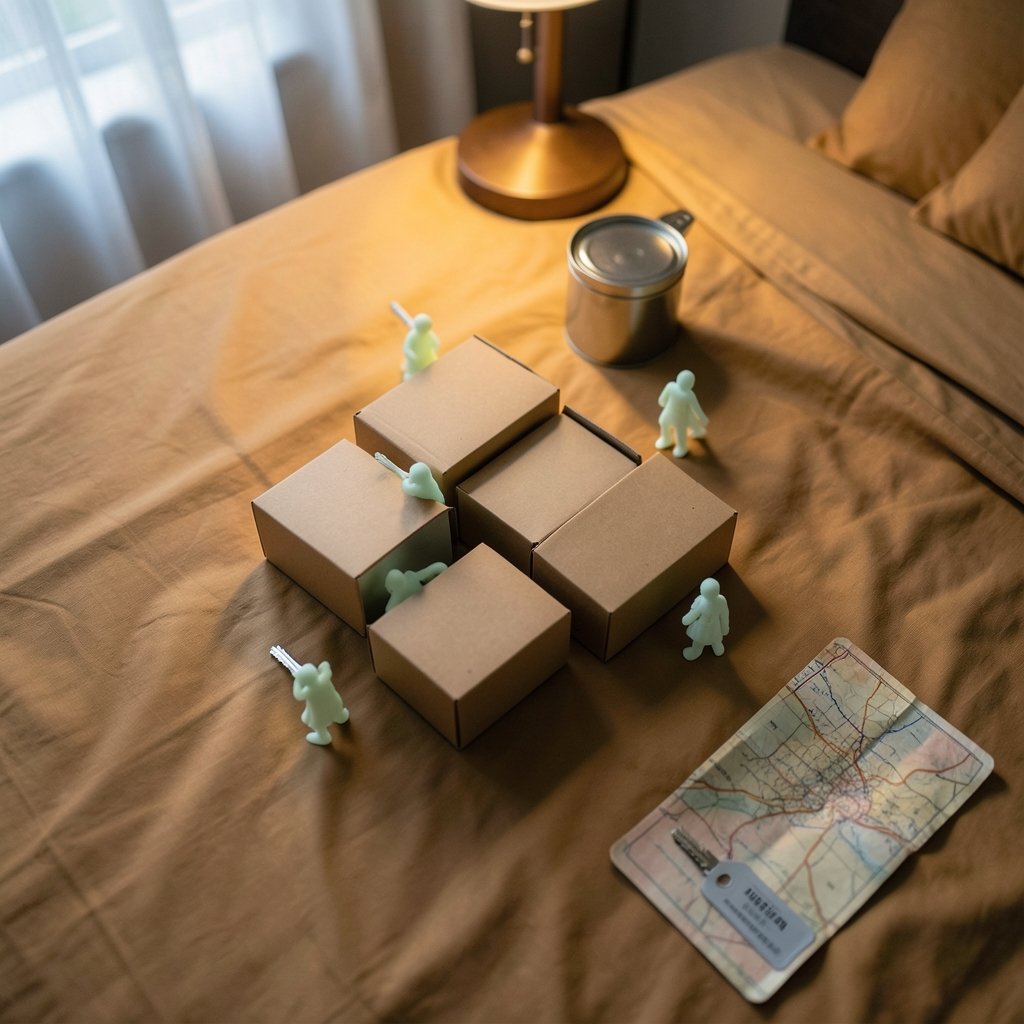
Have you ever flipped a small cardboard box in your hand, hoping for one specific tiny glow-in-the-dark creature, and felt your heart speed up just a little? That is the strange, delightful pull of the Smiski series. These little figures are designed to hide, peek, and glow, and once you notice one sitting quietly on a shelf or in the corner of a desk, you start seeing them everywhere. This guide breaks down what Smiski actually is, how the series are structured, why collectors care so much about the rare ones, and how to build a collection without wasting money on duplicates.
What Is Smiski?
Smiski is a line of small, glow-in-the-dark vinyl figures made by the Japanese toy company Dreams Inc. The figures are built around a simple, charming idea: each one is posed as if it is hiding. Some peek around imaginary corners. Some sit hunched in a corner with their knees pulled up. Some cover their eyes as if they have been caught. The whole point is that they are meant to be tucked into odd places around a home, then discovered faintly glowing when the lights go down.
The line launched in Japan in 2017 and later spread to specialty retailers and online stores around the world, where it picked up a devoted collector following. The figures are typically only a few centimeters tall, cast in glow-in-the-dark vinyl or PVC, and sold in blind box packaging, meaning the buyer does not know which figure is inside until the box is opened.
That last detail is the engine that drives the entire hobby. Blind boxes turn a cheap, cute object into a small gamble, and the gamble is what keeps collectors coming back.
How the Blind Box Format Works

A blind box is a sealed package where the contents are randomized. The manufacturer produces a set number of designs for a given series, packs them in identical boxes, and ships them out. Nobody, not the buyer and not the store, knows which figure is in which box. This format is common across collectible toy culture and is the reason trading communities form so quickly around any blind-box line.
For Smiski, the practical consequences are worth understanding before you spend money:
- You cannot choose your figure. Online listings sometimes show a photo of the “possible” figures, but that is a menu, not a guarantee.
- Duplicates are normal. Buying multiple boxes from the same series will eventually produce repeats. This is not bad luck; it is basic probability.
- Sealed cases are the collector’s workaround. A full display case typically contains a complete set of the regular figures, though the exact ratio depends on the series. Serious collectors often buy a whole case to guarantee a full set, then trade or sell the extras.
- Weight and shake tests are unreliable. Some buyers try to guess contents by weight or sound. In practice, this works poorly because the figures are small and the packaging is fairly uniform.
If you are new to blind boxes generally, the format is worth reading up on before you commit to a full case, because the economics change completely once you are buying in bulk rather than one box at a time.
Understanding the Series Structure
Smiski is organized into numbered series, usually labeled Series 1, Series 2, Series 3, and so on. Each series contains a group of regular figures plus one or more rarer secret figures that are short-packed, meaning they appear far less often than the standard designs. The exact number of figures per series has changed over time, so it is worth checking the manufacturer’s current listings rather than relying on older collector posts, which go stale quickly.
Beyond the numbered main line, Dreams also produces themed sub-lines. These include Smiski Museum, Smiski Yoga, Smiski Work, and Smiski Living, along with larger or special-edition figures. Each sub-line has its own theme and its own set of poses, which is a big part of why the hobby stays interesting: a collector who has “finished” the main numbered series can pivot to a themed set and start fresh.
| Collection Type | What It Focuses On | Who It Suits |
|---|---|---|
| Numbered main series | Core hiding poses, regular plus secret figures | New collectors building a foundation |
| Themed sub-lines (Museum, Yoga, Work, Living) | A specific concept or setting | Collectors who want variety and display themes |
| Special and larger editions | Oversized or limited figures | Display-focused collectors with more budget |
A word of caution on series counts: precise figure totals per series are the single most commonly outdated fact in Smiski content online. Numbers get repeated from post to post without anyone checking the source. If a specific count matters to you, verify it against the manufacturer’s own product listing before you buy.
Why the Secret Figures Matter So Much
Every blind-box line needs a chase element, and for Smiski it is the secret figures. These are produced in much smaller quantities than the regular designs, which makes them harder to pull and more valuable on the secondary market. That scarcity creates the trading culture that surrounds the hobby.
The practical effect is a two-tier collecting experience. Most people open boxes, get a mix of regular figures, and are perfectly happy. A smaller group chases secrets specifically, buying sealed cases, trading duplicates, and hunting on resale platforms. Neither approach is wrong, but they demand very different budgets.
A useful habit: before buying a sealed case hoping for a secret, decide in advance what you will do if you do not get one. Collectors who buy cases purely for the chase tend to end up with a lot of duplicate regular figures and a lingering frustration. Collectors who buy cases to complete the regular set, and treat a secret as a bonus, tend to enjoy the hobby far more.
Practical Tips for Building a Collection
Experience in this hobby tends to teach the same handful of lessons, usually after some money has already been spent. Here is what actually works.
- Start with one series, not five. The temptation to buy across every sub-line at once is strong, and it is the fastest way to end up with a scattered collection and no complete sets.
- Buy a sealed case if you want a full set. For most people chasing completion, a case is cheaper than buying individual boxes until you happen to pull every design.
- Keep a simple inventory. A note on your phone listing which figures you own, by series, prevents the classic mistake of buying a duplicate you already have.
- Trade locally or in collector communities. Duplicates are not waste; they are currency. Trading is how most collectors fill gaps without spending more.
- Display them where they will actually glow. These figures need light exposure to charge. A shelf in a dark corner will leave them looking dull. Charge them near a window or lamp during the day, then enjoy the glow at night.
- Check the box condition before buying secondhand. Creased or opened boxes lose value, and an “opened” listing usually means the figure has been identified, which defeats the point if you are buying blind.
One more practical note: keep the small figures away from pets and small children. They are tiny, they look like toys, and they are not designed for rough handling.
Common Mistakes Collectors Make
The mistakes in this hobby are remarkably consistent, and most of them come from impatience rather than bad luck.
Buying single boxes online from resellers. A reseller who has already opened and identified the box may sell you a regular figure at a markup while keeping the secret. Unless the seller is reputable and the box is genuinely sealed, you are paying extra for less surprise.
Assuming older series are still in production. Older numbered series can become hard to find as stock runs out. Collectors who assume they can “get to it later” sometimes find that a series has quietly become expensive on the secondary market.
Ignoring the glow factor. Part of the appeal is the phosphorescent material. Figures that have been stored in a dark box for months will look unimpressive until they are charged in light. This is not a defect, and it is worth knowing before you panic about a “dud” figure.
Overpaying for secrets without checking recent sales. Secondary market prices swing. A secret that sold high last year may be far cheaper now. Check recent completed sales rather than asking prices, which are often optimistic.
Forgetting that this is a hobby, not an investment. Some rare figures hold value, but blind-box toys are a collectible, not a financial plan. Treat the money as spent on enjoyment.
Where Smiski Fits in the Wider Collector World
Smiski sits at an interesting intersection. It is a Japanese designer toy line, a blind-box collectible, and a piece of home decor all at once. That combination is why it has crossed over from hardcore toy collectors into a broader audience of people who simply like small, strange, charming objects.
The design language also connects to wider trends in textured, character-driven hair and figure styling that show up across collectible culture, from the sculpted tufts on a figure’s head to the way a character’s silhouette reads at a glance. Collectors who care about that detail often find themselves comparing sculpts the same way enthusiasts compare 4c hair textures or the distinct wave patterns of 2b hair in character design: the small differences are what make one version feel right and another feel off. It is the same instinct for detail, just applied to vinyl instead of people.
That attention to silhouette is also why display matters so much. A row of Smiski figures arranged along a shelf edge, each one peeking over the lip, reads as a single scene rather than a collection of objects. Collectors who lean into that staging get far more out of the hobby than those who keep everything in a drawer. (The row)
Display and Care Basics
Glow-in-the-dark vinyl is forgiving but not indestructible. A few habits keep a collection looking good.
Keep figures out of direct, prolonged sunlight. Strong UV exposure can yellow light-colored vinyl over time. Indirect daylight is plenty for charging the glow. Dust is the other enemy; a soft brush or a quick rinse with mild soap and water handles most buildup, as long as the figure is fully dried afterward. Avoid harsh solvents, which can dull the finish.
For display, shallow shelves and ledge-style mounts work well because they let the figures sit at the edge, mid-peek. A small dedicated light nearby during the day keeps them charged, and the payoff comes when the room goes dark.
Conclusion
The Smiski series is one of those hobbies that looks simple from the outside and reveals real depth once you are in it. A tiny glow-in-the-dark figure in a blind box becomes a puzzle, a chase, a trading community, and eventually a small staged scene on a shelf. The appeal is not complicated: it is the pleasure of discovery, repeated.
The smart approach is straightforward. Pick one series to start, buy a sealed case if completion matters to you, keep a simple inventory, trade your duplicates, and treat secrets as a bonus rather than the goal. Verify figure counts against current manufacturer listings instead of trusting old forum posts, and charge your figures in light so they actually glow. Do those things and the hobby stays fun, affordable, and full of small surprises, which is exactly what it is supposed to be.
Frequently Asked Questions
What is a Smiski?
A Smiski is a small, glow-in-the-dark vinyl figure made by the Japanese toy company Dreams Inc. Each one is posed as if it is hiding, peeking, or sitting in a corner. They are sold in blind boxes, so buyers do not know which design they will get until they open the package.
When did Smiski first come out?
The line launched in Japan in 2017. It later became available internationally through specialty retailers and online stores, where it built a dedicated collector following. Release dates for individual themed sub-lines vary, so check current product listings for specifics.
How many figures are in each Smiski series?
The number of regular figures per series has changed over time, and each series also includes one or more rarer secret figures. Because these counts shift and older information circulates widely online, the safest approach is to confirm the current figure list on the manufacturer’s own product page before buying.
What are Smiski secret figures?
Secret figures are short-packed designs produced in much smaller quantities than the regular figures in a series. They are harder to pull from a blind box and therefore more sought after on the secondary market. Collectors often trade duplicates to get them rather than buying boxes repeatedly.
Are Smiski figures worth collecting?
They are worth collecting if you enjoy the process. The figures are inexpensive individually, the designs are charming, and the blind-box format adds an element of surprise. Rare figures can hold value on the secondary market, but blind-box toys should be treated as a hobby rather than a financial investment.
How do you make Smiski glow brighter?
The figures need light exposure to charge their phosphorescent material. Place them near a window or a lamp during the day, then move them to a darker spot at night. Figures stored in a dark box for a long time will look dull until they are charged again, which is normal and not a defect.









