

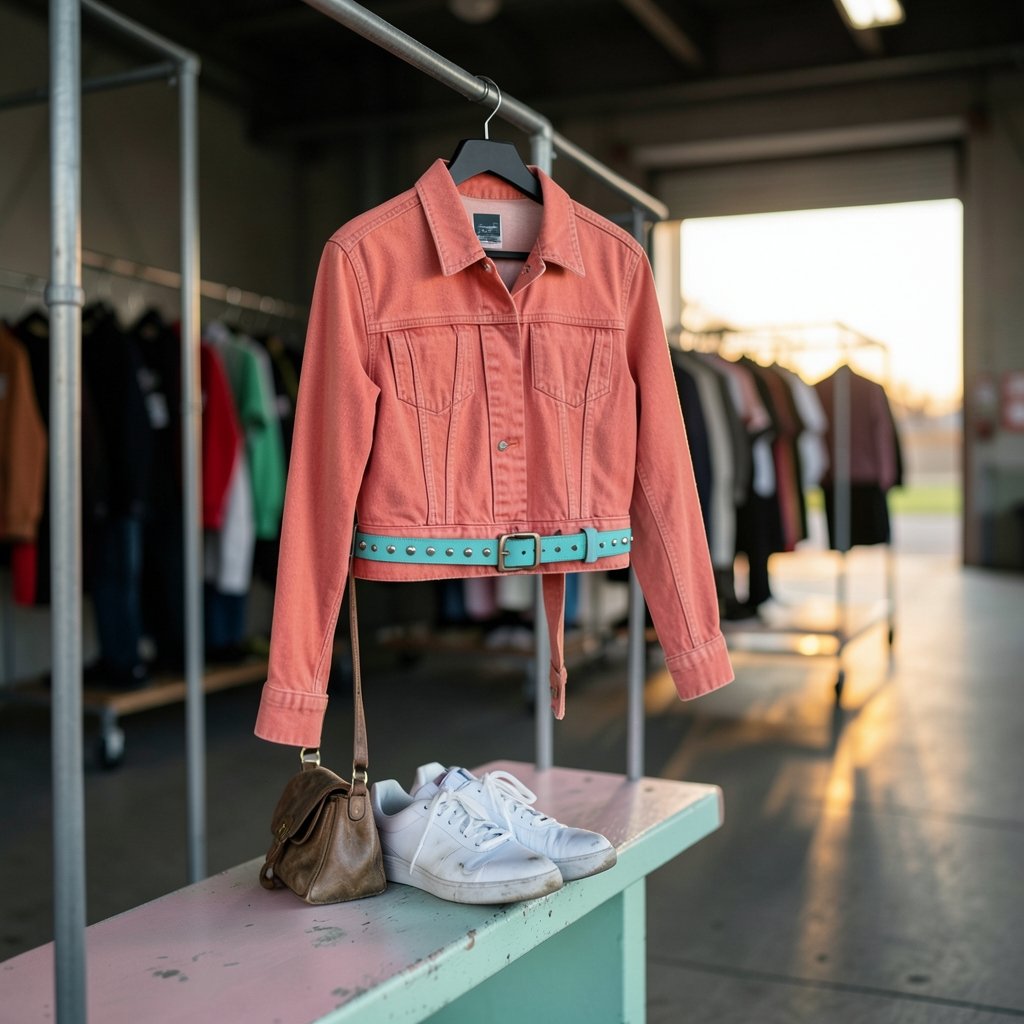
What happens when a sharp-shooting guard with a well-documented love of clothes joins one of the WNBA’s loudest fashion markets? That question frames the Sophie Cunningham Indiana Fever fashion discussion. Cunningham built a following in Phoenix for her shot and her wardrobe, and her move to Indiana drew more attention to her personal style. Her outfits have become part of the pre-game scene in Indianapolis, and fans now track her arrivals the way they track box scores.
The short version: Cunningham treats fashion as a genuine second craft. She mixes western roots, bold color, and body-confident silhouettes into outfits that photograph well and read clearly on camera. That formula travels well to a market that rewards personality. Below is a practical breakdown of what she wears, why it works, and how fans and stylists can learn from it.
The Tunnel Walk Is Now Part of the Job
The pre-game arrival, often called the tunnel walk, has become a formal part of WNBA coverage. Players arrive hours before tip-off, cameras catch them in the hallway, and those images circulate widely before the game even starts. It is a low-stakes, high-visibility runway, and Cunningham understands the assignment.
For a player in a smaller media market, the tunnel walk is leverage. It creates a second identity beyond the stat line and gives sponsors and broadcasters a reason to feature you. Cunningham’s outfits tend to be deliberate rather than accidental: a statement piece, a clean base, and one strong accessory. That structure is why her looks photograph consistently well and why her arrival photos travel.
This mirrors a broader shift in how basketball style is covered. The rise of athlete-driven fashion content, much of it documented in outlets like these 2010s fashion athleisure streetwear Instagram retrospectives, turned the tunnel into a legitimate style beat. Cunningham is a direct beneficiary of that shift.
What Sophie Cunningham Actually Wears

Cunningham’s style is easiest to understand in categories. She does not chase every trend; she repeats a handful of moves that suit her frame, her personality, and the camera.
| Look | Key Elements | Why It Works |
|---|---|---|
| Western-leaning | Denim, leather, boots, turquoise accents | Ties to her Missouri background and reads as authentic |
| Bold color blocking | Saturated separates, matching sets | Pops against arena hallways and broadcast lighting |
| Tailored minimal | Sharp blazers, clean trousers, heels | Signals polish for sponsor and media events |
| Athleisure remix | Elevated sweats, statement sneakers | Practical for travel days and shootarounds |
| Evening glam | Slip dresses, metallic finishes, structured bags | Suits team events and league appearances |
The through-line is confidence and fit. Cunningham favors pieces that sit close to the body and let one element dominate. She rarely layers three loud items at once. That restraint is what separates a strong tunnel look from a costume.
The Western Thread
Cunningham’s Missouri upbringing shows up in her wardrobe. Denim, leather, and occasional turquoise details appear in her rotation. This is not a costume version of western style; it is subtle and personal. When a player’s regional identity shows up in their clothes, fans read it as genuine, and authenticity is the currency of athlete fashion.
Color as a Signature
Cunningham leans into saturated color. Bright separates and matching sets give her arrival photos a recognizable signature. In a league where many players default to monochrome, color is a differentiator. It also plays well on social media, where a strong color story stops the scroll.
Why Indiana Is the Right Stage
Indiana is a basketball state, and the Fever have one of the most engaged fan bases in the league. That combination creates unusual visibility. A player’s pre-game outfit is seen by a passionate local audience and then amplified nationally through highlight packages and social clips.
The Fever’s rise as a cultural story, driven by a young core and national attention, pulled the team into the broader fashion conversation. Coverage of the league’s style moment, including how the Barbie world tour book delivers fashion movie only hinted at treated athlete aesthetics, shows how much appetite exists for basketball and fashion in the same breath. Cunningham walked into that environment with an established point of view.
There is also a practical benefit. A strong personal brand in Indianapolis can translate into local partnerships, appearance fees, and media opportunities that extend well past her playing career. Fashion is not a distraction from her job; it is a parallel asset.
The Business Side of Player Style
Athlete fashion is now a business ecosystem. Stylists, brand partnerships, and content deals sit behind many tunnel looks. Cunningham’s approach fits neatly into that economy because her outfits are photogenic, repeatable, and easy to describe. That matters for brands looking for a clear visual identity.
For readers tracking the broader market, the 2026 fashion trends guide offers useful context on where athlete-driven style is heading, including the continued blur between sportswear and ready-to-wear. Cunningham’s rotation sits right in that overlap.
A few practical observations for anyone trying to build a similar wardrobe:
- Pick one hero piece per outfit and build around it.
- Keep the base neutral so the statement reads clearly.
- Prioritize fit over brand; tailoring beats logos.
- Repeat silhouettes that work rather than chasing novelty.
- Photograph the outfit before wearing it publicly to check how it reads on camera.
That last step is the one most people skip. Under arena lighting and phone cameras, colors shift and details vanish. Testing a look in a photo first is the cheapest fix available.
Common Mistakes in Athlete Fashion Coverage
Fans and aspiring stylists often misread how these looks come together. A few recurring errors are worth naming.
Assuming every outfit is sponsored. Many tunnel looks are personal purchases or pieces pulled from a player’s own closet. Not every appearance is a paid placement.
Ignoring the venue. Arena hallways are often dim, with mixed lighting. Outfits that look great in daylight can fall flat on arrival. Cunningham’s brighter palettes solve this problem.
Overlooking comfort. Players have to sit, stretch, and sometimes warm up in these clothes. Practicality shapes the choices more than outsiders assume.
Treating one look as a signature. Style is a pattern, not a single outfit. Cunningham’s identity comes from repetition across a season, not one viral photo.
How Her Style Compares to the League
Cunningham is not the only WNBA player with a fashion following, and comparison is useful. Some players lean into high-fashion editorial looks with designer loans. Others stay in relaxed streetwear. Cunningham sits in a middle lane: accessible, colorful, and personal.
| Style Lane | Typical Approach | Example Traits |
|---|---|---|
| Editorial high fashion | Designer pieces, stylist-driven | Rare, expensive, heavily photographed |
| Streetwear-first | Sneakers, oversized fits, graphics | Comfortable, youth-oriented |
| Personal signature | Repeatable silhouettes, strong color | Authentic, brand-friendly |
| Cunningham’s lane | Western accents, bold color, clean fit | Accessible, photogenic, consistent |
Her position in that middle lane is strategically smart. It keeps her relatable to fans while remaining polished enough for brand work. The Italian luxury fashion influence visible across the league’s red-carpet moments shows where the ceiling sits, but Cunningham’s strength is that she does not need designer loans to look intentional.
What Fans Can Learn From Her Approach
Cunningham’s wardrobe offers transferable lessons for anyone building a personal style, athlete or not.
Start with your body and your background. Her western touches work because they are true to her. Borrowing someone else’s regional style rarely lands.
Use color deliberately. A single saturated piece does more work than a busy print. This is especially true in photos.
Invest in fit. A well-tailored basic outperforms an expensive item that fits poorly. This is the most common gap in everyday wardrobes.
Build a rotation, not a collection. Cunningham repeats formulas. Repetition creates recognition, and recognition is what makes a style feel like a signature rather than a series of random outfits.
For readers who want to follow the broader trend cycle around athlete style, the 2026 fashion trends female coverage and the wider fashion trends 2026 tag are useful starting points. The 2026 Fashion Trends Guide: What’s In, Out & Worth Wearing also breaks down which silhouettes are actually worth buying.
The Media and Content Angle
Cunningham’s fashion presence is amplified by the way modern sports media works. A single arrival photo can generate multiple stories, clips, and social posts. Illustration and visual storytelling play a role too; work like the Angelica Hicks fashion illustrator turns runway moments into pieces shows how runway and athlete style get translated into shareable art.
For fans who want deeper coverage without drowning in newsletters, there are practical ways to find the best fashion substacks without wasting your inbox. Curating a few strong sources beats following everything.
The key insight is that Cunningham’s fashion story is not separate from her basketball story. It runs alongside it, and the two reinforce each other. A strong arrival look draws attention; strong play keeps it.
Conclusion
Sophie Cunningham’s Indiana Fever fashion is best understood as a deliberate personal brand rather than a series of random outfits. Her formula is clear: western-rooted details, bold color, clean tailoring, and confident fit. That combination travels well to a market that rewards personality, and it gives her a second identity beyond the box score.
The practical takeaways are simple. Build around one hero piece. Keep the base neutral. Prioritize fit over labels. Test looks on camera before wearing them publicly. Repeat what works instead of chasing every trend. Cunningham does these things consistently, and that consistency is why her arrival photos keep getting shared.
For fans, the fun is in watching the rotation evolve across a season. For anyone studying athlete style as a business, her approach is a clean case study in how a player can turn a hallway walk into a genuine asset.
FAQ
Is Sophie Cunningham known for her fashion?
Yes. Cunningham has a well-documented reputation for pre-game tunnel looks, built over multiple seasons. Her style leans on western details, bold color, and clean, body-confident silhouettes.
What style does Sophie Cunningham usually wear?
She favors a mix of western-leaning pieces like denim and leather, saturated color blocking, tailored minimal looks, and elevated athleisure. She typically builds each outfit around one strong statement piece.
Why does the pre-game tunnel walk matter so much?
The tunnel walk is a highly photographed, low-pressure moment that generates significant social media attention. It lets players build a personal brand and attract sponsorship interest separate from their on-court performance.
Does playing in Indiana change a player’s fashion visibility?
It can. Indiana has one of the most engaged fan bases in the league, and Fever games draw national attention. That combination increases how often a player’s arrival looks are seen and shared.
How can fans follow WNBA player style without getting overwhelmed?
Curate a small number of reliable sources rather than following everything. A few strong newsletters, league accounts, and style-focused publications will cover the major looks without flooding your feed.
What is the biggest mistake people make when copying athlete style?
Skipping the fit check and the photo test. Arena lighting and phone cameras change how colors and details read, so testing an outfit in a photo first is the simplest way to avoid a look that falls flat.














