


Does the phrase “species owl” make you picture one specific bird, or a whole family of night hunters? If you are not sure, you are in good company. The term shows up in search bars, crossword clues, and casual conversation, yet it does not name any single bird in the way that “barn owl” or “snowy owl” does. That ambiguity is exactly why it deserves a closer look.
The short answer: owls are not one species. They form an entire order of birds, the Strigiformes, made up of roughly 250 species split across two families. The phrase “species owl” most likely means one of three things: owls as a group, the genus Strix (whose Latin name literally means “owl”), or the practice of identifying an owl down to species level. This article untangles all three, explains how owl species are counted and classified, and shows what the distinction means for conservation and everyday birdwatching.
Why “Species Owl” Is Not a Real Scientific Name
Biologists do not use “species owl” as a formal label. It is not in any checklist, field guide, or taxonomic database. When the phrase appears, it is usually shorthand, a search query, or a translation quirk rather than a precise term.
The confusion often starts with the word Strix. In Latin and Greek, strix meant “owl,” and it survives today as the name of a genus of wood owls that includes the Tawny Owl (Strix aluco) and the Barred Owl (Strix varia). Someone who encounters Strix in a species list might reasonably read it as “species owl” and assume it refers to a single bird. It does not. It refers to a group of related owls within a much larger order.
There is a second source of confusion. Owls look so distinctive, with their flat faces and forward-facing eyes, that people naturally treat them as one big category. In everyday speech that works fine. In science, though, “species” is a technical unit, and owls fill hundreds of those units.
How Many Owl Species Are There?
The honest answer is “it depends on which checklist you trust.” Owl taxonomy is actively revised, and the major world bird lists do not always agree on where one species ends and another begins. The two families break down like this:
| Family | Common name | Approximate species | Typical features |
|---|---|---|---|
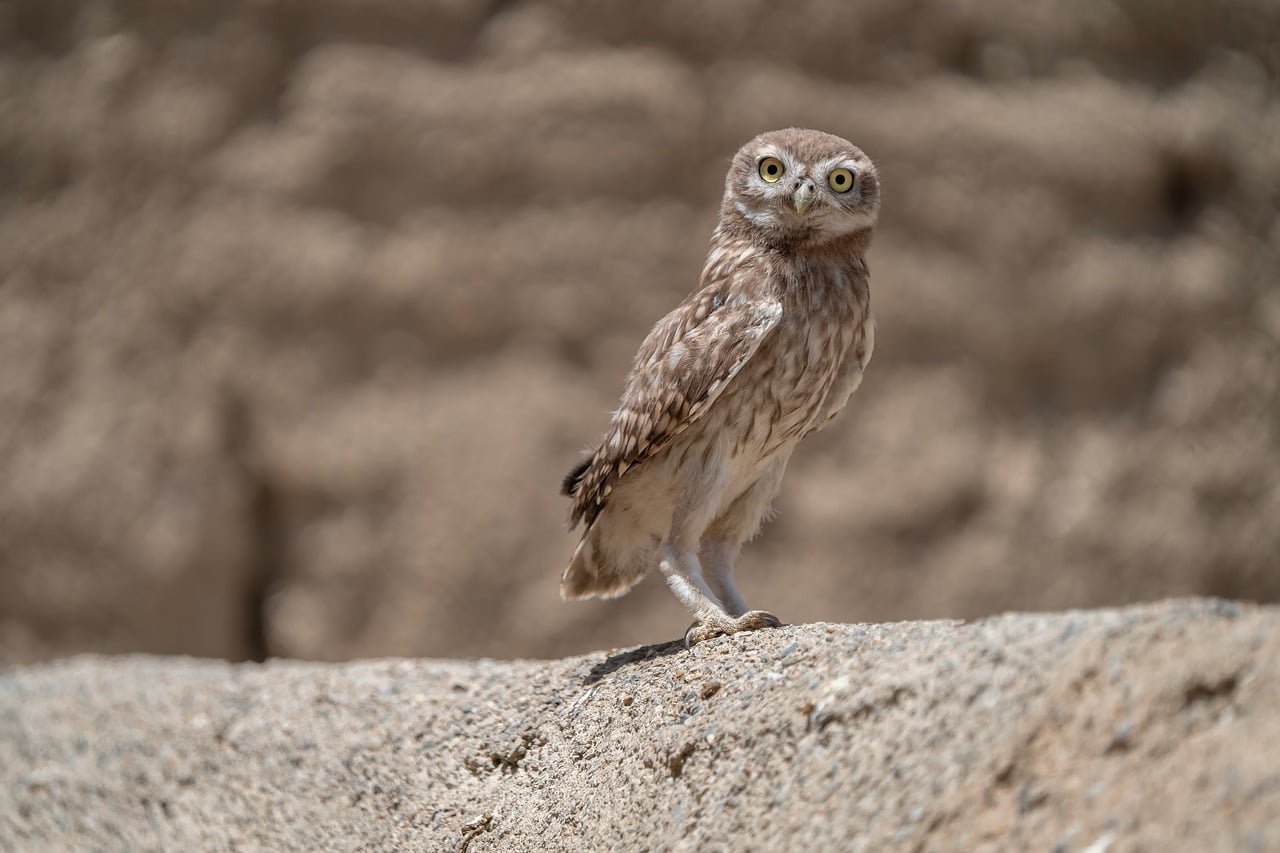
| Strigidae | True owls | About 230 | Rounder heads, varied habitats worldwide |
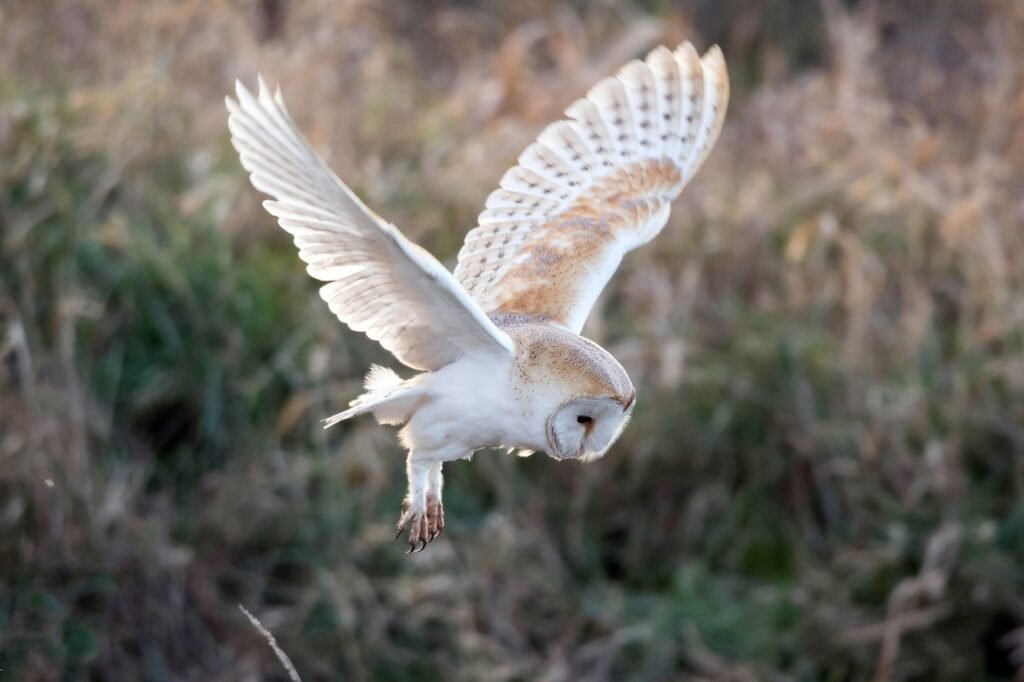
| Tytonidae | Barn owls | About 20 | Heart-shaped facial disc, long legs |
Those numbers are approximate and shift as genetic studies split or merge populations. The IOC World Bird List is the usual reference for current totals, but the Clements checklist and BirdLife’s taxonomy sometimes count differently. If you see a precise figure quoted, check which list and which year it comes from. A claim of “250 owl species” is reasonable, but a claim of “exactly 248” needs a source and a date attached.
This is also where the biological species concept matters. It defines a species as a group of populations that interbreed in nature and are reproductively isolated from other groups. Owls complicate that definition because some populations hybridize where their ranges overlap, which is precisely what happens between Barred Owls and Spotted Owls in western North America.
The Genus Strix: Where the Name Comes From
If “species owl” has a single most likely origin, it is Strix. This genus sits inside the true owl family and contains many of the familiar woodland owls of Europe and North America. Members share a rounded head without ear tufts, a relatively large facial disc, and a preference for forest or woodland edges.
The name carries weight in folklore as well. In ancient Rome, strix referred to a night bird, and over centuries the word became tangled with stories about nocturnal creatures. That history is a reminder that owl names often come from human imagination as much as from anatomy.
For a reader trying to pin down “species owl,” the practical takeaway is simple: if you see Strix followed by a second word, you are looking at a genus and a species together, such as Strix varia. That two-part name, the binomial, is how scientists identify a single owl species.
What Makes an Owl a Species: Identification Basics
Identifying an owl to species level is a skill, and it rarely depends on seeing the bird. Most owls are nocturnal or crepuscular, active at night or around dawn and dusk, so birders rely heavily on sound.
Here is what actually works in practice, based on how experienced observers operate:
- Learn the calls first. Each species has a distinct hoot, screech, or series of notes. A Barred Owl’s “who cooks for you” rhythm is unmistakable once learned, and it carries far better through forest than a glimpse of feathers.
- Note the habitat. A bird calling from a cattail marsh is unlikely to be a woodland specialist. Habitat narrows the list fast.
- Check the facial disc and eye color. Barn owls have heart-shaped faces and dark eyes; most true owls have rounder faces and yellow or orange eyes.
- Look at ear tufts carefully. Tufts are feathers, not ears, and several species can flatten them. Never identify an owl on tufts alone.
- Record the time and season. Some owls call only in breeding season, and a silent winter forest does not mean an empty one.
A common beginner mistake is assuming every large owl is a Great Horned Owl. Size is hard to judge at night, and silhouette plus call will serve you far better than a guess based on bulk. Another mistake is playing recorded calls repeatedly to draw birds in. Used sparingly it can confirm an identification; overused, it stresses birds during nesting season.
Owl Adaptations That Set Species Apart
What unites owls as an order is a suite of hunting adaptations so refined that they read like engineering. Forward-facing eyes give them binocular vision and depth perception. Asymmetrical ear openings, set at different heights on the skull, let them pinpoint sound with remarkable accuracy. Fringed flight feathers soften the air passing over the wing, producing the near-silent flight that makes owls such effective night hunters.
Different species tune these tools differently. Barn owls hunt by sound in open grassland and can locate prey under snow or vegetation. Fishing owls and fish owls have adapted to aquatic prey. Small screech owls take insects and small mammals, while the largest species tackle prey as big as hares. The variation is exactly why treating owls as one “species” misses the point: the order is a study in specialization.
Feather structure also explains a practical birding tip. Because owl flight is quiet, you often hear an owl’s call long before you hear it move. That silence is a clue in itself: a large bird passing overhead without a sound is worth a second look.
Conservation: Why Species-Level Thinking Matters
Here the abstract question of what counts as a species becomes very concrete. Conservation law and funding attach to species and subspecies, not to broad categories. Two examples show the stakes.
The Northern Spotted Owl (Strix occidentalis caurina) was listed as threatened under the US Endangered Species Act in 1990, a decision that tied owl survival directly to old-growth forest policy in the Pacific Northwest. The listing turned a bird into a symbol in a long-running land-use debate.
The second example is more tangled. Barred Owls have expanded their range westward, where they compete and hybridize with Spotted Owls. Wildlife managers have run removal experiments to test whether reducing Barred Owl numbers helps Spotted Owls. The lesson is that “owl species” are not fixed puzzle pieces. Ranges shift, species interact, and management decisions have to follow the ecology rather than the label.
Legal protection adds another layer. Most owls fall under CITES Appendix II, which regulates international trade in listed species, and the convention has been in force since 1975. In the United States, the Migratory Bird Treaty Act of 1918 prohibits taking migratory birds, owls included. For anyone who finds an injured owl or a fallen feather, the practical rule is to contact a licensed wildlife rehabilitator rather than handle the bird yourself.
Owls in Hair Typing and Pop Culture Searches
Here is a quirk worth addressing, because it explains a slice of the search traffic around this topic. Some visitors arrive looking for “owl” content and land instead on hair-typing pages, since hair pattern names use similar shorthand. If your actual interest is textured hair rather than birds, the resources on 4c hair and 2b hair cover curl patterns in detail, and readers comparing styling routines often browse guides like the row for inspiration. The overlap is purely linguistic, but it is a useful reminder that short search phrases carry more than one meaning.
For bird content, the practical fix is to search with a qualifier: “owl species list,” “barn owl facts,” or “Strix genus.” Adding one descriptive word cuts the noise dramatically.
How to Explore Owl Species Yourself
You do not need a research library to get started. A few habits will take a curious beginner a long way.
Start with a regional field guide rather than a global one. A guide covering your continent will show 20 to 40 owl species instead of 250, which makes learning manageable. Pair it with a call library, since sound is the primary identification tool. Then pick one local species and learn its call cold. One bird known deeply teaches more than ten known vaguely.
Keep a simple log of date, time, location, habitat, and what you heard or saw. Patterns emerge quickly, and after a season you will know which owls share your neighborhood and when they are most vocal. Join a local birding group if you can; experienced ears shorten the learning curve enormously.
Finally, respect the birds. Use playback sparingly, stay on trails, and never approach a nest. The reward for patience is a genuine encounter rather than a stressed bird fleeing into the dark.
Conclusion
“Species owl” is not a scientific term, and that is the key to understanding it. Owls are an order, not a species, made up of roughly 250 birds across two families. The phrase most likely points to owls as a group, to the genus Strix whose name means “owl,” or to the everyday work of identifying an owl down to species level. Each reading is useful, and none of them describes a single bird.
What matters more than the label is the biology behind it. Owl species differ in their calls, habitats, and hunting adaptations, and those differences drive real conservation decisions, from the Northern Spotted Owl’s listing to the complicated overlap between Barred and Spotted Owls. Whether you are a birder learning your first hoot or a curious reader untangling a search result, the path forward is the same: pick a checklist, learn the local species, and let the birds teach you the rest.
Frequently Asked Questions
Is “species owl” a real scientific term?
No. It does not appear in formal taxonomy or standard checklists. It is informal shorthand that usually means owls as a group, the genus Strix, or species-level identification of an owl. Scientists use precise names such as Strigiformes for the order and Strix varia for a single species.
How many owl species exist worldwide?
Approximately 250, split between true owls (Strigidae, around 230 species) and barn owls (Tytonidae, around 20). The exact total varies by checklist and year, because the IOC World Bird List, Clements, and BirdLife sometimes classify populations differently. Always check which list a number comes from.
What does the name Strix mean?
Strix is Latin and Greek for “owl.” It is the genus name for a group of wood owls that includes the Tawny Owl and the Barred Owl. Seeing Strix in a species list means you are looking at a genus, not a single bird, and the full two-part name identifies the exact species.
Are owls protected by law?
Most are. Owls are listed on CITES Appendix II, which regulates international trade, and in the United States the Migratory Bird Treaty Act of 1918 prohibits taking migratory birds, owls included. If you find an injured owl or a fallen feather, contact a licensed wildlife rehabilitator instead of handling it.
Why was the Northern Spotted Owl so important?
It was listed as threatened under the US Endangered Species Act in 1990, which linked its survival to old-growth forest policy in the Pacific Northwest. The listing became a landmark case showing how species-level protection can shape land management far beyond the bird itself.
Can I identify an owl without seeing it?
Yes, and that is often the best approach. Most owls are nocturnal or crepuscular, so learning calls is the most reliable method. Combine the call with habitat, season, and time of night, then confirm with eye color or facial shape if the bird appears. Use recorded playback sparingly to avoid stressing nesting birds.









