

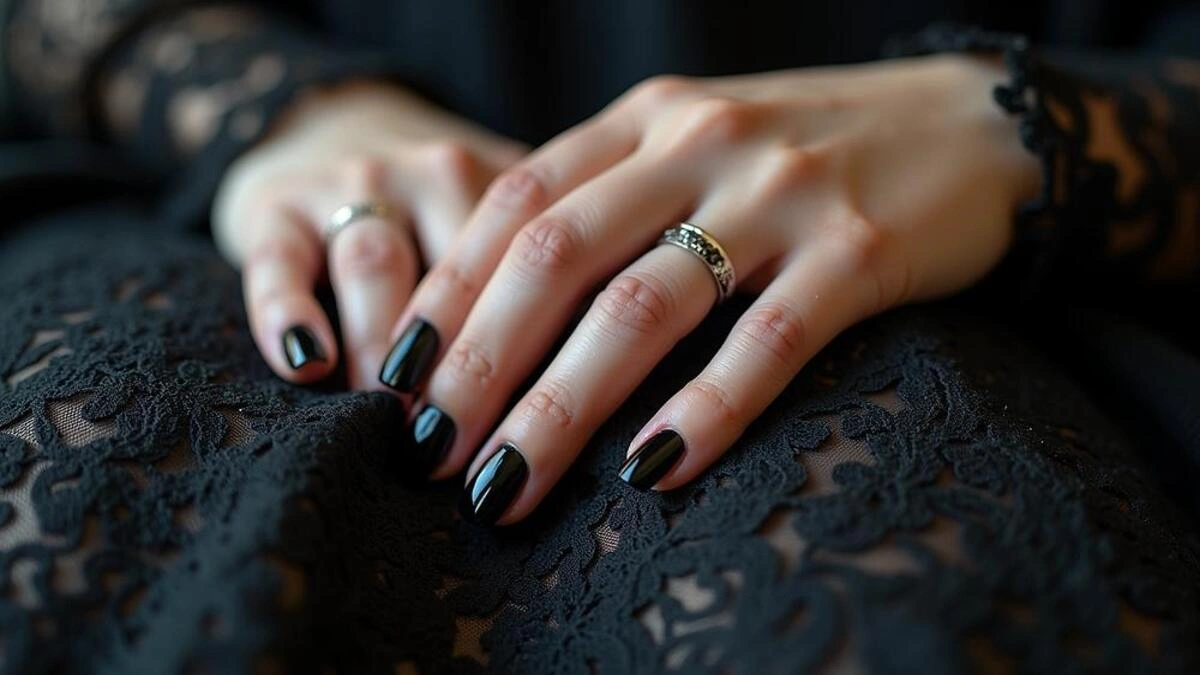

Square nails look clean, modern, and instantly recognizable. But there is one common frustration: those crisp corners can catch on clothes, chip unexpectedly, or break before the manicure has had much time to shine.
The solution is not necessarily to abandon the shape. Square nails work best when the side walls are filed evenly, the free edge stays straight, and the corners receive a little extra care. If sharp corners keep causing problems, squoval offers a softer alternative without losing the square look.
This guide explains how square nails are shaped, who they suit, how to file them at home, and which designs make the most of their flat tips.
AI Overview: What Are Square Nails?
Square nails have straight side walls and a flat free edge that meets the sides at defined corners. The shape creates a crisp, geometric appearance and works particularly well on short-to-medium nails. Its main drawback is that sharp corners can snag or chip. Gentle corner smoothing, careful filing, and regular edge sealing help maintain the shape. Squoval is a practical alternative because it keeps the flat tip while rounding the corners.
Key Takeaways
- Square nails have straight side walls, a flat tip, and defined corners.
- The shape works particularly well at short-to-medium lengths.
- Corners are the main weak point because they can catch and chip.
- Careful filing and gentle corner smoothing help maintain the shape.
- Squoval keeps the straight tip while rounding the corners.
- French tips, sheer neutrals, and minimalist lines complement square nails.
- Choose a length and shape that suit your everyday activities.
What Are Square Nails? Shape and Structure
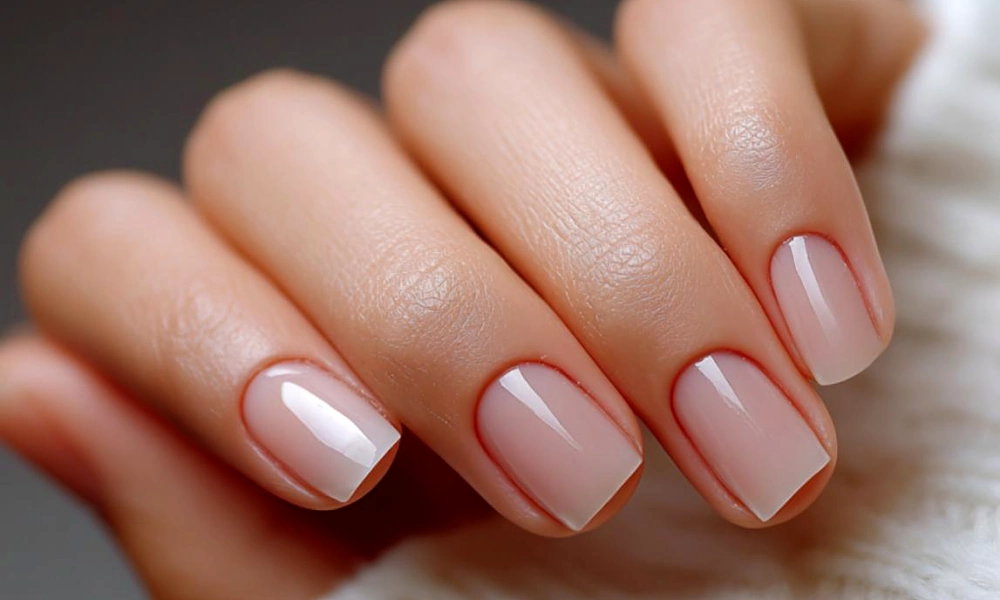
A true square nail has three defining features:
- Straight side walls: Both sides run parallel rather than tapering toward the tip.
- Flat free edge: The tip is filed straight across.
- Defined corners: The edges meet at sharp angles instead of forming a rounded curve.
The result is a structured shape that looks especially neat with simple polish and graphic nail art. Square nails can be short, medium, or long. However, a moderate free edge often provides a good balance between a clearly defined shape and everyday comfort.
Square Nails Compared With Other Shapes
The difference between square and neighboring nail shapes comes down to the tip and corners.
| Nail shape | Tip and edge | Overall appearance |
| Square | Flat tip with defined corners | Crisp and geometric |
| Squoval | Flat tip with rounded corners | Soft but structured |
| Round | Curved edge | Natural and understated |
| Coffin | Flat tip with tapered sides | Dramatic and elongated |
| Almond | Rounded sides ending in a soft point | Slim and elegant |
| Stiletto | Tapered sides ending in a sharp point | Bold and dramatic |
If you are comparing a flat tip with a pointed silhouette, this guide to stiletto nails explains the differences in shape and practicality.
Who Do Square Nails Suit Best?

Square nails are particularly appealing if you like clean lines and a manicure that looks structured rather than softly rounded.
They can work well on:
- Medium or wider nail beds: The straight tip creates a balanced, defined outline.
- Strong natural nails: A firm free edge is better equipped to maintain crisp corners.
- Short-to-medium lengths: These lengths offer a practical compromise between appearance and daily use.
- Fans of French manicures: The flat tip creates a natural-looking canvas for a straight French line.
Narrow nail beds can also wear square nails. The important thing is to avoid making the corners too wide or allowing them to press into the surrounding skin. If your nails are brittle, peeling, or repeatedly breaking at the corners, a softer shape may be more comfortable while you work on protecting them.
How to File Square Nails at Home

A square manicure can look uneven when one side is shorter or the tip slopes slightly. The key is to establish parallel side walls before shaping the free edge.
You will need a nail file and, if necessary, a fine buffer for minor edge smoothing.
Step 1: Start With Clean, Dry Nails
Remove old polish and make sure your nails are dry before filing. Working on dry nails makes it easier to see the natural edge and avoid shaping them while they are softened by water.
Step 2: Straighten the Side Walls
File each side gently so the walls run parallel. Avoid filing too deeply into the sides, as this can weaken the nail and make the shape uneven.
Step 3: File the Tip Straight Across
Move the file from each corner toward the center using controlled strokes. Check that the free edge looks level rather than angled.
Step 4: Check the Corners
Look at the nails from above and compare both sides. The corners should be defined, but they should not have rough edges that catch on fabric.
Step 5: Smooth and Finish
Use a fine file to remove roughness. If needed, lightly soften the sharpest points without rounding the entire tip. Apply your chosen base coat and polish, following the product instructions. If you use a top coat, wrap it over the free edge to help protect the finish.
Why Do Square Nail Corners Chip?

The corners are the most troublesome part of a square manicure. They can catch on clothing, handles, drawers, and other objects during everyday activities.
Once a corner chips, the damage can spread along the free edge. This is especially frustrating when the rest of the manicure still looks fresh.
A few habits can help:
Seal the Free Edge
Apply top coat across the tip rather than only over the top surface. Reapply according to the product instructions when the finish begins to wear.
Soften the Sharpest Points
You do not have to remove the square shape to make it more comfortable. A couple of gentle strokes with a fine file can reduce snagging while preserving the straight tip.
Wear Gloves for Cleaning
Frequent water exposure and cleaning products can affect the nail and manicure. Wear suitable gloves when washing dishes or handling household cleaners.
Stop Using Nails as Tools
Opening cans, scraping stickers, and pulling at packaging can put unnecessary pressure on the corners. Use an appropriate tool instead.
For a broader routine covering hydration, filing, and everyday protection, read this guide to natural nail care.
Squoval, French Tips, and Square Nail Design Ideas

If you love the flat tip but dislike sharp corners, squoval may be the better choice.
Squoval keeps the straight free edge and gently rounds the corners. It offers much of the same structured appearance while reducing the sharp points that can catch on everyday objects.
French Tip Square Nails
The flat edge makes square nails a natural match for French manicures. A thin, even line across the tip emphasizes the shape without making the design look crowded.
You can choose a classic white tip or experiment with a soft color. See more inspiration in these short French tip nail ideas.
Sheer Pink and Milky Neutrals
A sheer pink, nude, or milky white polish gives square nails a neat, understated finish. These shades let the straight outline do most of the visual work.
Minimalist Tip Lines
A fine line across the free edge can make the geometry stand out. Metallic or contrasting lines offer a slightly bolder version while keeping the overall manicure simple.
Bridal Square Nails
Square nails can suit a bridal manicure when the design is clean and coordinated with the outfit. Sheer shades, delicate French tips, and subtle accents keep the look elegant in photographs.
For more inspiration, explore these wedding nail ideas.
Expert Tips for Keeping Square Nails Neat

A square manicure needs occasional maintenance to keep the sides and tip balanced.
- Check symmetry regularly. As nails grow, the side walls can become uneven. Make small corrections rather than reshaping aggressively.
- File in controlled strokes. Avoid rough sawing motions that can leave the edges uneven.
- Keep the length practical. Shorter square nails are often easier to manage during typing, exercise, and household tasks.
- Protect the corners. Lightly smooth rough points before they begin catching on fabric.
- Maintain the surrounding skin. Hand cream and cuticle oil can help prevent dry, rough skin around the nail.
Frequently Asked Questions
Are square nails strong?
Square nails can work well on naturally strong nails, but their corners can be vulnerable to direct impacts and snagging. Keeping the edges smooth and protecting the free edge can help reduce damage.
Why do the corners of square nails chip?
The sharp corners can catch on fabric, handles, and other objects. Once a corner lifts or cracks, the damage may spread across the tip. Gentle smoothing and careful everyday handling can help.
What is the difference between square and squoval nails?
Square nails have defined corners where the flat tip meets the side walls. Squoval nails keep the flat tip but round those corners slightly. Squoval generally offers a softer, less angular finish.
Do square nails work on short nails?
Yes. Short square nails can look neat and modern. Leave enough free edge for the flat tip to remain visible, and keep the side walls even.
How often should I reshape square nails?
For natural nails, a light touch-up every week or two may be enough, depending on growth and wear. Extensions need maintenance according to the product and salon system used. Avoid heavy filing sessions that remove unnecessary nail material.
Are square nails good for French tips?
Yes. The flat tip provides a clear guide for a straight French line. Thin white tips, colored French designs, and minimalist lines all work well with the shape.
Final Thoughts
Square nails deliver a clean, structured manicure, but the sharp corners need a little attention. Keep the side walls parallel, file the tip evenly, and smooth rough points without losing the shape. For gel manicures, the American Academy of Dermatology’s advice on gel polish explains precautions that can help protect your nails.
If strict square corners keep catching or breaking, switch to squoval rather than giving up on the flat-tip look. The best shape is the one that looks good and works comfortably with your routine.









