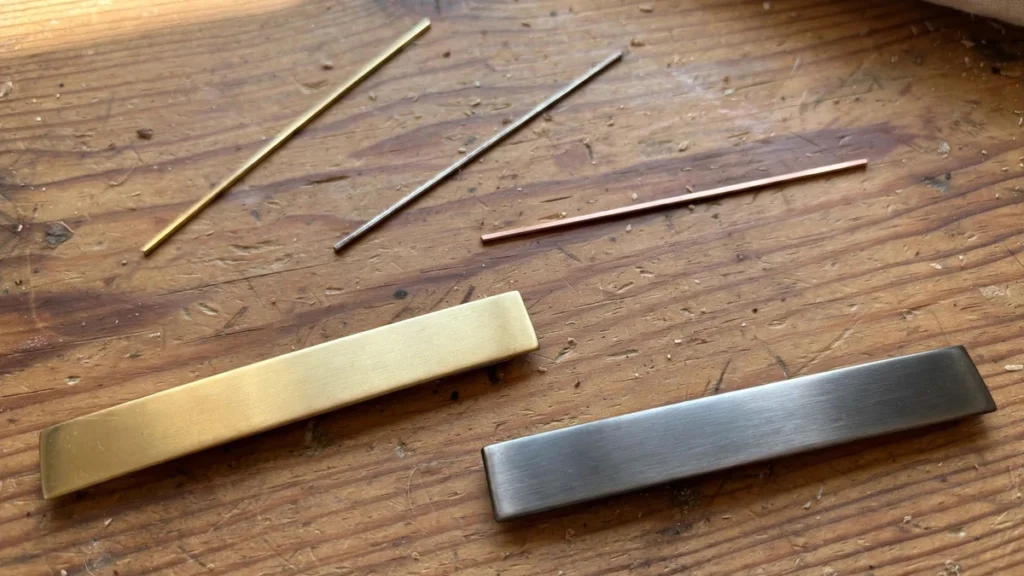
Thin vs Wide Tie Bars 2027: 9 Comparisons That Matter
A tie bar is a small piece of metal, and it does a surprising amount of work. It holds your tie to your shirt, and adds a single clean line of metal to an outfit that might otherwise have none. The question most men actually face is not whether to wear one, but how wide it should be.
The difference is measured in millimetres, but it changes the whole balance of the chest. A slim bar suits a narrow tie and a modern suit. A wide bar suits a classic tie and a broader lapel. Get the pairing wrong and the bar looks like it belongs to someone else’s outfit, either lost on a wide tie or overpowering a slim one.
Below are nine comparisons that matter when you are choosing between thin and wide tie bars in 2027. Each one covers what each width does well and who it suits best.
Key takeaways
- A tie bar should never be wider than your tie. That single rule decides most width choices before anything else.
- Thin bars suit slim ties, modern suits and younger, more casual styling. Wide bars suit classic ties, broader lapels and formal dress.
- Match the width to your tie, not to your mood. A bar that is too wide for a slim tie looks clumsy, and a bar that is too narrow for a wide tie looks lost.
- Silver and gold are the safest metals. Match the bar to your watch, belt buckle and cufflinks rather than to your tie.
- No tie bar fixes a badly tied knot, a tie that is too long, or a shirt that does not fit. The bar finishes a good outfit; it does not rescue a poor one.
What thin and wide tie bars actually are
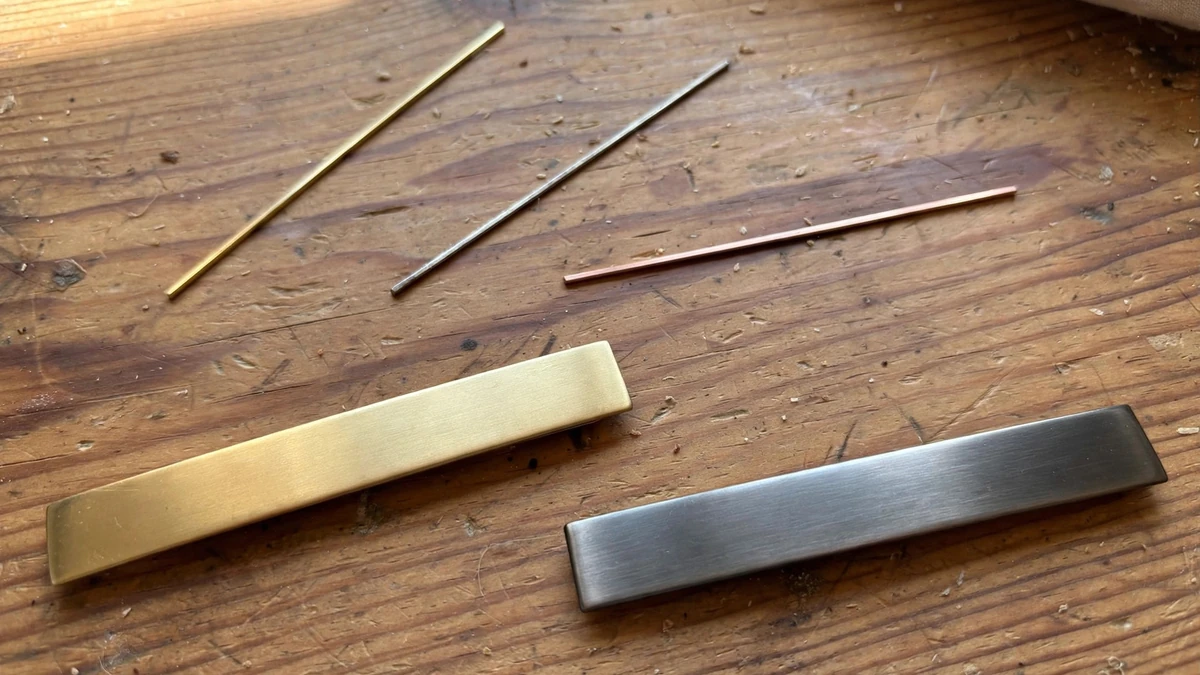
A tie bar, sometimes called a tie clip or tie slide, is a small bar of metal that fastens your tie to the front placket of your shirt. It sits horizontally across the tie, usually between the third and fourth shirt buttons, and holds the tie flat against your chest. Thin bars are usually around 3 to 4 centimetres long. Wide bars are usually 5 to 6 centimetres long.
The two widths come from two eras of menswear. Wide bars belong to the classic era, when ties were wider, lapels were broader, and suits were cut with more room. Thin bars belong to the slim era, when ties narrowed, lapels slimmed down, and suits moved closer to the body.
Most bars are made from stainless steel, silver, or gold, sometimes with enamel, mother-of-pearl, or a stone set into the face. The mechanism is usually a simple clip that grips the tie and the shirt together, or a slide that passes behind the tie. That is why choosing by width, rather than by brand or price, is the most useful place to start.
How we chose these comparisons and what to look for
Look first at the width of your tie. Measure the widest part of the tie you wear most often. Your tie bar should cover about three quarters of that width, and never extend past the edges of the tie. This one measurement narrows the choice more than any style guide.

Look next at the metal and the finish. A polished silver bar is the most versatile choice, because it works with a navy suit, a grey suit, and a black suit, and it matches a steel watch without thinking. Our guide to the best silk ties for men is a useful companion here, because the tie itself, its width and its fabric, decides which bar will sit well on it.
Finally, look at the clasp. A good clip grips firmly without crushing the tie fabric, and it opens and closes smoothly. A cheap clip either slides down the tie during the day or bites into the fabric and leaves a mark. If it holds the tie flat against your shirt when you lean forward, it is doing its job.
The 9 comparisons that matter in 2027
First impressions and formality
What we like: A thin bar reads modern, minimal and understated. A wide bar reads classic, confident and deliberate. What to consider: A thin bar can look too slight at a black-tie event, and a wide bar can look too heavy with a slim, fashion-forward suit. Best for: Thin for modern offices and smart-casual days; wide for weddings, formal dinners and classic suits. Material: Stainless steel or silver for thin bars; silver or gold for wide bars. Price range: About 20 to 80 pounds for a good thin bar; about 40 to 150 pounds for a good wide bar. Standout feature: A thin bar disappears into the outfit; a wide bar makes a quiet statement of its own.
How each width sits on the tie
What we like: A thin bar sits lightly on a slim tie and barely disturbs the fabric. A wide bar spreads its grip across a classic tie and holds it flat. What to consider: A thin bar on a wide tie leaves the edges of the tie unsupported, so the tie can curl at the sides. A wide bar on a slim tie overwhelms the fabric and can crease it. Best for: Thin for ties under 7 centimetres wide; wide for ties over 8 centimetres wide. Material: A smooth clip back for thin bars; a sprung clip for wide bars. Price range: About 25 to 90 pounds either way. Standout feature: A wide bar holds a heavy silk tie flat all day; a thin bar leaves a light tie untouched.
Matching your tie width
What we like: Matching the bar to the tie is simple and reliable. A slim tie takes a slim bar, a classic tie takes a classic bar, What to consider: Most men own ties of more than one width, so one bar will not suit every tie. Best for: Men who wear one tie width most of the time; a second bar in the other width if your ties vary. Material: Any, as long as the length is right. Price range: About 20 to 60 pounds for a second bar. Standout feature: A bar that covers about three quarters of the tie width looks right every time.
Matching your lapel and frame
What we like: A wide bar balances a broad lapel and a larger frame. A thin bar balances a narrow lapel and a slimmer frame, for the same reason. What to consider: A wide bar on a very slim man can look oversized, and a thin bar on a very broad man can look lost. Best for: Thin for slim lapels and slimmer builds; wide for classic lapels and broader builds. Material: Silver for a cool, balanced look; gold for warmth against a dark suit. Price range: About 30 to 120 pounds. Standout feature: A bar that echoes the width of your lapel makes the whole outfit look intentional.
Weight and how it feels
What we like: A thin bar is light and easy to forget on a long day. A wide bar has a satisfying weight that feels substantial and well made. What to consider: A heavy wide bar can drag a light silk tie down and pull the knot off centre. A very light thin bar can feel flimsy and slide during the day. Best for: Thin for light fabrics and long days; wide for heavier ties and shorter, formal occasions. Material: Stainless steel for a light thin bar; solid silver or gold for a wide bar with presence. Price range: About 20 to 200 pounds depending on the metal. Standout feature: A well-balanced bar stays put without you thinking about it.
Material and finish
What we like: Thin bars look best in polished steel or silver. Wide bars show off material well, so gold, brushed silver and enamel all have room to breathe. What to consider: A wide bar in a cheap, shiny metal can look gaudy, because there is more of it to see. A thin bar in a dull finish can disappear entirely. Best for: Thin in polished silver or steel; wide in gold, brushed silver or enamel. Material: Sterling silver, gold plate, or stainless steel. Price range: About 25 to 300 pounds. Standout feature: A wide bar with a stone or enamel inlay turns a practical clip into a piece of jewellery.
Occasion and dress code
What we like: A thin bar suits modern weddings, creative offices and smart-casual evenings. A wide bar suits traditional weddings, formal dinners and business dress. What to consider: A wide bar at a casual lunch can look overdressed, and a thin bar at a very formal event can look underdressed. Best for: Thin for daytime weddings and modern offices; wide for evening weddings and formal business. Material: Matte silver for daytime; polished gold or silver for evening. Price range: About 20 to 150 pounds. Standout feature: The right width for the occasion is the one nobody comments on.
Care and durability
What we like: A thin bar is simple, with less metal to tarnish, so it is easy to keep clean. A wide bar is usually more solidly built, with a stronger spring, so it holds up well over years of use. What to consider: A thin bar can bend if it is dropped or caught on a jacket lining. A wide bar has more surface to scratch, especially in a polished finish. Best for: Thin for everyday wear and travel; wide for occasional wear and special occasions. Material: Stainless steel for durability; silver for a finish that can be polished back to new. Price range: About 20 to 100 pounds. Standout feature: A silver bar can be polished and kept for decades; a steel bar needs almost no care at all.
Price and value
What we like: Thin bars are usually cheaper, because they use less metal and simpler construction. Wide bars cost more, but they often use better materials and stronger springs, so they can be better value over time. What to consider: A very cheap bar in either width is a false economy. It will slide, tarnish or break, and you will replace it within a year. Best for: Thin as a first bar on a modest budget; wide as a long-term purchase in good metal. Material: Steel for a first bar; silver or gold for a keeper. Price range: About 20 to 80 pounds for thin; about 40 to 300 pounds for wide. Standout feature: One good bar in the right width is worth more than three cheap bars in the wrong one.
Which tie bar is right for you
Start with your tie. If your ties are slim, under 7 centimetres at their widest, a thin bar is the natural choice. If your ties are classic, over 8 centimetres, a wide bar is the natural choice.
Then think about your frame and your lapels. A slimmer man with narrow lapels will look best in a thin bar, and a broader man with classic lapels will look best in a wide bar. The bar should look as if it belongs on your chest, not as if it was borrowed from someone else.
Finally, think about where you wear it. If most of your suited days are formal business and evening events, a wide bar in silver or gold is the better investment. Our guide to the best tuxedos for men is worth reading alongside this one, because the most formal outfits are where a wide bar earns its place, and the tuxedo is the most formal outfit most men will ever wear.
The caveats that matter
A tie bar is a finishing touch, not a repair. It will not fix a tie that is too long, a knot that is badly tied, or a shirt collar that does not fit.
| Detail | What is known |
|---|---|
| Golden rule | The bar should never be wider than the tie; about three quarters of the tie width is ideal |
| Thin bar width | About 3 to 4 centimetres long; suits ties under 7 centimetres wide |
| Wide bar width | About 5 to 6 centimetres long; suits ties over 8 centimetres wide |
| Best placement | Horizontally across the tie, between the third and fourth shirt buttons |
| Best metal | Silver or steel for everyday wear; gold for warmer outfits and formal evenings |
| What to avoid | A bar that sticks out past the tie, a clip that crushes the fabric, or a bar that slides down |
| Care | Wipe after wearing, store in a lined box, polish silver occasionally with a silver cloth |
| What it does not do | It does not fix a bad knot, a tie that is too long, or a suit that does not fit |
If you wear a tie bar with a waistcoat, the bar is mostly hidden, so choose by comfort rather than appearance. If you wear one without a jacket, the bar is fully on show, so choose by width and finish.
Checklist: choosing between thin and wide tie bars
Use these checks before you buy, and again when you put the bar on with a new tie.
- Measure your tie: the bar should cover about three quarters of the tie width, and never extend past its edges.
- Match the width to the tie, not the occasion alone: slim ties take thin bars, classic ties take wide bars.
- Check the lapel: a bar that echoes your lapel width makes the whole chest look balanced.
- Match the metal: silver or steel with a steel watch, gold with a gold watch, and the same metal as your cufflinks where possible.
- Test the clip: it should grip firmly without crushing the tie, and hold the tie flat when you lean forward.
- Place it right: horizontally, between the third and fourth shirt buttons, level and centred on the tie.
Frequently asked questions
How wide should a tie bar be?
It should cover about three quarters of your tie width and never extend past the edges of the tie. For a slim tie under 7 centimetres, a thin bar of about 3 to 4 centimetres is right. For a classic tie over 8 centimetres, a wide bar of about 5 to 6 centimetres is right.
Should a tie bar match your watch?
Ideally, yes. Match the metal of the bar to the metal of your watch, belt buckle and cufflinks. Silver with silver, gold with gold.
Where exactly should a tie bar sit?
Horizontally across the tie, between the third and fourth shirt buttons, level and centred. The third-to-fourth-button position keeps it visible when the jacket is open and hidden when it is closed.
Can you wear a tie bar without a jacket?
Yes, and this is where the width matters most, because the bar is fully visible. A thin bar looks clean and modern without a jacket. A wide bar looks more deliberate and formal. Choose the width that suits the tie and the occasion, since there is no jacket to soften the choice.
Do tie bars damage ties?
A good clip should not damage a tie. A cheap or over-tight clip can leave a mark, especially on silk or a knitted tie. Test the clip on the tie you will wear, avoid forcing it, and do not leave the bar clipped to the same spot on a tie for months at a time. A guide to buying a tie is useful here, because a well-made tie with a firm weave handles a clip better than a loosely woven one.
Are wide tie bars out of fashion in 2027?
No. Wide bars are classic, not dated, and they suit classic ties, broader lapels and formal occasions as well as they ever did. The fashion question is not which width is in, but which width matches the tie you are wearing.
The bottom line
The choice between a thin and a wide tie bar is really a choice about proportion. Measure your tie, match the bar to about three quarters of its width, and let the lapel and the occasion guide the rest. A thin bar suits slim ties, modern suits and relaxed days. A wide bar suits classic ties, broader lapels and formal evenings.
Buy one good bar in the width that matches the tie you wear most, in silver or gold to match your watch, and wear it level between the third and fourth buttons. The bar is a small thing, and when it is right, nobody notices it at all, which is exactly how it should be.