
A cashmere hoodie is the hooded sweatshirt translated into luxury knitwear. It keeps the familiar shape — hood, front pocket, ribbed cuffs and hem — and replaces cotton fleece with cashmere, the soft undercoat fibre of the cashmere goat. The result looks like a hoodie and behaves like fine knitwear: lighter than it looks and warmer than its weight suggests.
That combination is exactly why it confuses people. It is sold as casual clothing and styled with jeans and trainers, yet it needs the same gentle care as a cashmere sweater and costs several times more than an ordinary hoodie. Some are genuinely pure cashmere; others use the word on the label while the fibre content tells a different story.
This guide explains what a cashmere hoodie actually is, how the fibre is made, how to judge quality from the label and the knit, how it compares with cotton and merino hoodies, and how to wash and store one. The short version: check the percentage, feel the knit, and be honest about whether you will look after it like knitwear.
Key takeaways
- A cashmere hoodie is a hooded pullover or zip-front top knitted in cashmere, keeping the hoodie shape while replacing fleece with a fine, light, warm fibre.
- Real cashmere comes from the undercoat of cashmere goats, mostly in Mongolia and China, with fibres between 14 and 19 microns wide.
- The label percentage matters more than the word cashmere: look for 100% cashmere, or a stated blend, and be wary of unnamed small percentages.
- Two-ply yarn knitted at around 12 gauge is the classic everyday weight, warm enough alone in autumn and thin enough to layer under a coat.
- Hand wash in cool water, dry flat, store folded, and expect some pilling at first — good cashmere pills less, and pills can be removed with a comb.
What a cashmere hoodie actually is
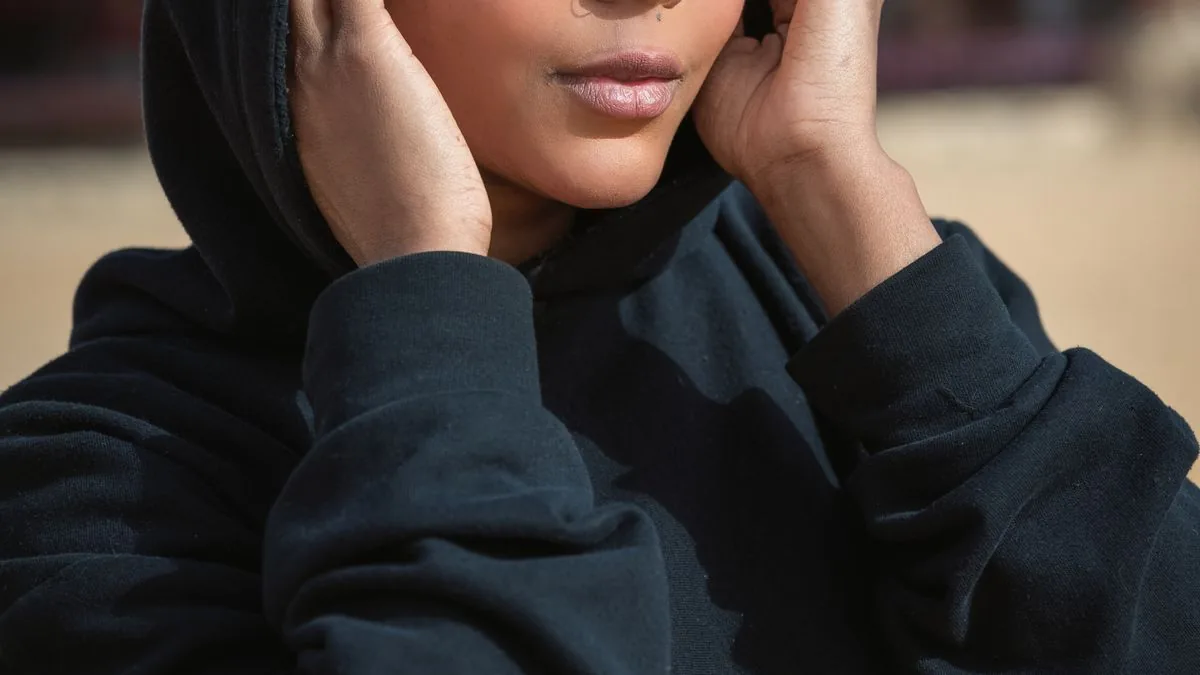
A cashmere hoodie is a hooded top knitted from cashmere yarn, made in the same two shapes as any other hoodie: a pullover with a kangaroo pocket, or a zip-front with two side pockets. The hood is usually knitted in a double layer, the cuffs and hem are ribbed, and the drawstrings, when present, are flat cotton or grosgrain rather than the round cords found on sportswear.
The difference is in how it feels and wears. Cashmere fibres are far finer than cotton or ordinary wool, so the knit feels soft against the skin and is remarkably warm for its weight, because the fine, crimped fibres trap air. But cashmere is not hard-wearing: it pills where fabric rubs and stretches if hung up wet.

How cashmere is made, and why it costs so much
Cashmere is the soft undercoat of the cashmere goat, raised mainly on the high plateaus of Mongolia and China. Each spring the goats moult, and the fine undercoat is combed out by hand, separated from the coarse outer guard hairs, cleaned, and spun into yarn. A single goat takes at least two years to produce enough fibre for one jumper.
Quality is judged mainly on two measurements: fibre diameter and fibre length. Pure cashmere sits between 14 and 19 microns, and the finer the fibre, the softer the yarn; lengths generally run 28 to 42 millimetres, and longer fibres spin into stronger yarns that pill less. Two-ply is the classic balance of lightness and strength, and a 12-gauge knit is typical for a hoodie.
Pullover or zip-front: the two styles
The pullover is the classic cashmere hoodie. It slips on over the head, has a kangaroo pocket across the front, and reads as relaxed and casual. It layers well under a coat because there is no zip adding bulk down the front. Its weakness is the pocket: a loaded kangaroo pocket stretches the front, so it should hold hands, briefly, and little else.
The zip-front is the more practical of the two. It opens fully, so it works as a light jacket over a T-shirt. The trade-off is the zip itself, which adds weight and a hard edge to a soft garment. A good zip-front has a covered zip and a knitted facing behind it. Fit matters either way: the shoulder seam should sit on the shoulder and the hem at the hip.
How to tell a good one from a blend in disguise
Start with the label, and read the fibre content rather than the product name. A garment described as a cashmere hoodie may legally contain only a small percentage of cashmere, with the rest made up of wool, viscose, or nylon. Look for 100% cashmere, or a blend with a stated percentage, such as 70% cashmere and 30% silk.
Next, feel the knit and look at its density. Hold the garment up to the light and gently pull a small area: a good cashmere knit looks even and tight, with no thin patches, and it springs back when released. Long-fibre cashmere feels smooth and almost silky, while short-fibre cashmere feels slightly rough and pills quickly. Price is also a clue, since real cashmere cannot be cheap.
Cashmere hoodie vs the alternatives
A cashmere hoodie is not the best choice for every situation. The table below compares it with the most common alternatives, so you can see what you are paying for and what you are giving up.
| Garment | Warmth for weight | Softness | Durability | Care | Typical price |
|---|---|---|---|---|---|
| Cashmere hoodie | Excellent | Excellent | Moderate | Hand wash, dry flat | High |
| Cotton fleece hoodie | Moderate | Good | Excellent | Machine wash | Low |
| Merino wool hoodie | Very good | Very good | Good | Gentle wash | Medium to high |
| Cashmere sweater | Excellent | Excellent | Moderate | Hand wash, dry flat | High |
| Cashmere blend hoodie | Good | Good | Good | Gentle wash | Medium |
| Lambswool hoodie | Good | Moderate | Good | Gentle wash | Medium |
| Synthetic fleece hoodie | Good | Moderate | Excellent | Machine wash | Low |
| Cashmere cardigan | Excellent | Excellent | Moderate | Hand wash, dry flat | High |
The comparison that matters most is with merino. Cashmere is softer and warmer for its weight, but merino is tougher and easier to look after, so it is often the better choice for hard daily wear, travel, and exercise. Choose cashmere for quiet days at home, and merino or cotton fleece if you want a hoodie you can machine wash after a long walk. Our guide to cashmere vs merino sweaters sets out the trade-offs, and a good cashmere sweater is also worth comparing before you buy.
How to style a cashmere hoodie
The easiest way to wear a cashmere hoodie is to treat it as a smarter sweatshirt. With straight-leg jeans and clean white trainers, it reads as polished casual; with tailored trousers and loafers, it becomes the relaxed half of a smart-casual outfit. Keep the colours quiet — charcoal, navy, oatmeal, camel, or black.
Layering is where a cashmere hoodie earns its price. It is thin enough to sit under a wool coat, a trench, or a leather jacket without bunching, and the hood adds a casual edge to a tailored coat. Avoid pairing it with other very casual pieces all at once: a cashmere hoodie with jogging bottoms and sliders wastes the fibre, so give it one smarter element, such as good jeans. Our guide on how to style a crewneck covers the same layering habits.
How to wash and care for a cashmere hoodie
Hand washing is the safest method, and it takes about twenty minutes. Turn the hoodie inside out, fill a clean basin with cool water at around 30 degrees, and add a small amount of a gentle wool or cashmere detergent. Soak it for about ten minutes, then press the water out gently without wringing, roll it in a clean towel, and lay it flat to dry, reshaping it to its measurements.
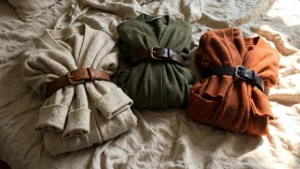
Storage matters as much as washing. Fold a cashmere hoodie and store it in a drawer or a sealed container, never on a hanger, because the weight of the hanging knit stretches the shoulders and lengthens the body. Keep the kangaroo pocket empty and use cedar blocks or lavender sachets against moths. Wash it every three to five wears and remove pills with a cashmere comb.
Is a cashmere hoodie worth the price?
A good cashmere hoodie costs several times more than a cotton one, and it is worth it only if you will wear it often and care for it properly. It is the softest, lightest, and warmest option for its weight, and a well-made one can last ten years or more with gentle care. Worn most days in cool weather, the cost per wear can end up lower than buying a cheap one every season.
It is not worth it if the hoodie will be treated like a gym sweatshirt. Cashmere cannot survive hot washes, tumble drying, or being stuffed into a bag day after day. If that is how the hoodie will live, a merino or cotton fleece version will look better for longer and cost far less. Nor is it worth paying a luxury price for a blend with a small cashmere percentage.
Checklist: buying a cashmere hoodie honestly
- Read the fibre content on the label and look for 100% cashmere, or a blend with a stated percentage, not just the word cashmere.
- Check for two-ply yarn and a dense, even knit, and hold the fabric to the light to look for thin patches.
- Feel for smoothness rather than roughness, since long-fibre cashmere feels almost silky and pills less.
- Choose a classic fit with the shoulder seam on the shoulder, and a neutral colour you will wear often.
- Inspect the hood, the zip or pocket, and the ribbing, and make sure the finishing looks careful rather than rushed.
- Be honest about the care: if you will not hand wash it and store it folded, buy merino or cotton fleece instead.
Frequently asked questions
Is a cashmere hoodie worth the price?
It can be, if you wear it often and care for it gently. A good one is softer, lighter, and warmer for its weight than any cotton hoodie, and it can last for years. It is not worth it if it will be machine washed hot or tumble dried.
How can I tell if a cashmere hoodie is real cashmere?
Read the fibre content on the label and look for 100% cashmere, or a blend with a stated percentage. Real cashmere feels smooth and almost silky, with a dense, even knit and no thin patches when held to the light. A very low price is also a clue.
Does a cashmere hoodie pill?
Yes, some pilling is normal, especially in the first few wears and where the fabric rubs, such as under the arms and around the pocket. Good cashmere made from long fibres pills less. Remove pills with a cashmere comb or an electric de-piller.
Can I machine wash a cashmere hoodie?
Only if the care label says so, and even then a cold wool cycle inside a mesh bag is the limit. Hand washing in cool water is always safer. Never use bleach, a hot wash, or a tumble dryer, and never wring the garment.
Is a cashmere hoodie warmer than a cotton hoodie?
Yes, for its weight. Cashmere fibres are finer and more crimped than cotton, so they trap more warm air in a lighter knit. A cashmere hoodie can feel barely heavier than a T-shirt yet keep you warm on a cool evening.
How long does a cashmere hoodie last?
A well-made one can last ten years or more with gentle care: hand washing, flat drying, folded storage, and a day of rest between wears. A poorly made one can look tired within a single season.
The bottom line
A cashmere hoodie is a simple idea done in a demanding fibre: a hoodie shape knitted in cashmere, softer and warmer for its weight than anything else in its class. The label is where the truth lives, so read the percentage, feel the knit, and check the ply and the finishing before you pay a premium.
Buy it only if you will treat it like knitwear. Wash it by hand in cool water, dry it flat with the hood shaped, and store it folded with the pocket empty. Do that, and a cashmere hoodie becomes the most comfortable thing you own. Treat it like a sweatshirt, and it will remind you, quickly and expensively, that it never was one.
Note: Prices and fibre claims vary between makers, so always read the care label and the fibre content on the garment you are buying rather than relying on the product name alone.