The best hotel slippers are the ones you notice for about ten seconds and then forget completely. You step out of bed onto cold marble or polished wood, slide your feet into something soft and warm, and the room suddenly feels finished.
What separates a good pair from a thin disposable one is the weight of the fabric, the cushion under the heel, whether the sole grips on a wet floor, and whether it still feels good after an hour. Luxury hotels choose slippers as they choose towels and robes: by feel first.
Below are eight hotel-style slippers for 2027, organised by the job each one does best.
Key takeaways
- The best hotel-style slippers pair a soft natural upper with a cushioned sole that grips smooth floors.
- Closed-toe pairs are warmer; open-toe pairs are cooler and better for spas and warm climates.
- Terry and waffle weaves are the most practical for home; fleece and velvet feel more luxurious but need gentler care.
- Slippers should feel snug at first, because soft linings compress with wear.
- No single pair is best for everyone, and the most expensive is not automatically the most comfortable.
What makes a slipper feel like a hotel slipper
A hotel slipper is judged in the first minute of wear. The upper should feel soft with no scratchy seams, the footbed should cushion the heel, and the sole should be quiet on hard floors. If any of those three is missing, the slipper feels cheap, however smart it looks.
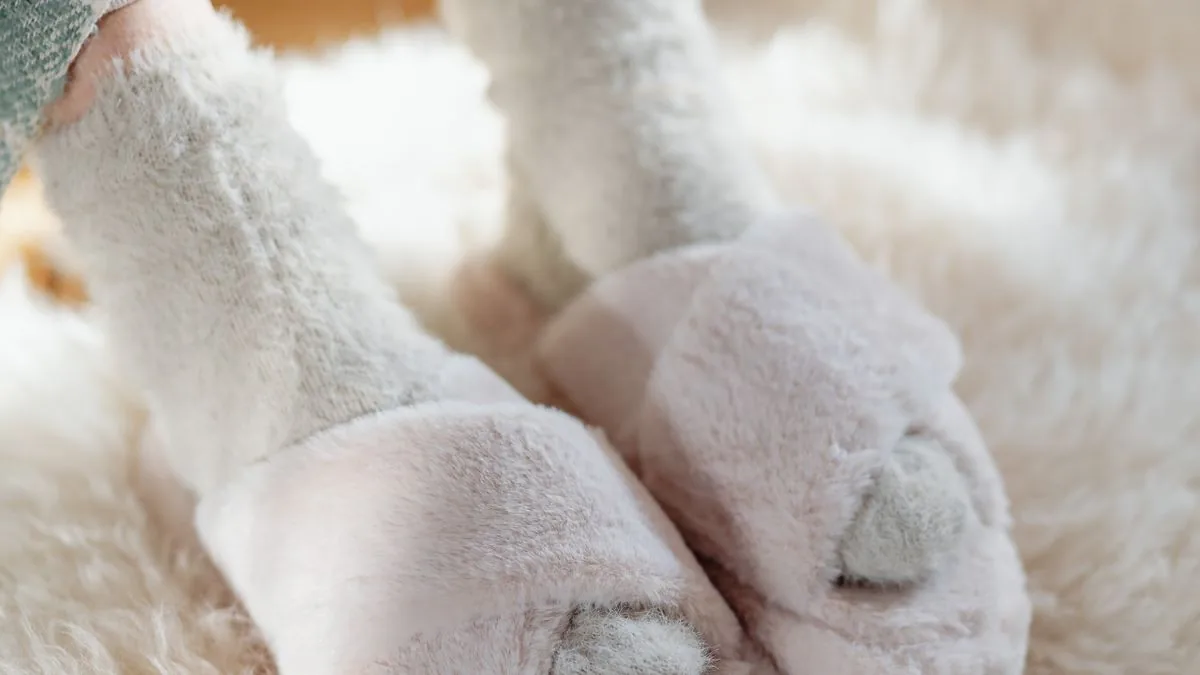
Cotton terry is the classic choice: soft, absorbent, and hard-wearing. Waffle weave is lighter and more breathable, with a honeycomb texture that dries quickly. Velvet and velour feel warmer and look more polished, suiting suites and cold-weather hotels, while coral fleece is the plushest of all, though it pills if the fabric weight is low.
The sole is the part people overlook until they step onto wet tile. A fabric sole is quiet but slippery, a thin EVA sole is light and flexible, and a textured rubber or TPR sole grips far better and lasts longer. That grip is worth paying for: marble, tile, and polished wood are exactly the floors where a slide is most likely. The best luxury hotels in Paris set the standard: thick, quiet slippers that feel like part of the room, not a disposable extra.
The best luxury hotel slippers in 2027
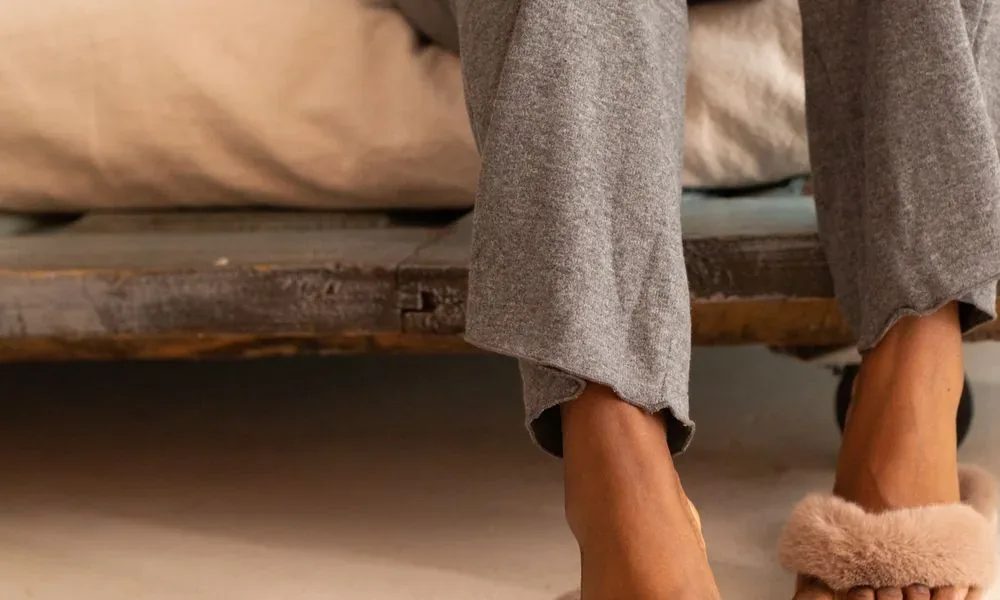
These eight picks cover the main hotel styles. Compare the style, the material, and the sole before you compare prices, and choose the one that matches where and how you will wear it.
1. Best overall: the classic closed-toe terry slipper
This is the pair most five-star hotels put by the bed. A closed-toe cotton terry upper feels like a fresh towel, absorbs moisture after a shower, and stays comfortable for hours. Look for terry around 300 to 500 GSM, a cushioned insole, and a textured sole. Terry dries slower than waffle weave, but washed gently and air-dried, it holds its shape well.
2. Best for spas: the open-toe waffle slipper
Waffle weave is the spa slipper: light, breathable, and quick to dry, with an open toe that keeps feet cool in a warm treatment room or beside a pool. Choose it if you run hot or want a slipper mainly for after a bath or a swim. The trade-off is warmth: waffle slippers are a poor choice for a cold house in winter.
3. Best for cold rooms: the plush velour slipper
When the room is cold and the floor is colder, velour wins. The short, dense pile feels smooth and warm at once, and it looks far smarter than fleece, which is why luxury suites favour it. A velour pair with a memory foam footbed pairs naturally with a robe on a slow winter morning, including the best silk robes for women. Keep velour for dry rooms: it needs gentler care than terry.
4. Best for winter trips: the sherpa-lined slipper
Sherpa and coral fleece are the warmest hotel styles, built for ski lodges and cold houses. The thick lining traps warmth, the closed heel keeps draughts out, and a sturdy rubber sole means you can step onto a cold hallway without flinching. If your stay involves snow, this is the pair to pack, and the best luxury ski resorts are where it earns its place. The trade-off is bulk: sherpa slippers do not pack well and can overheat in a warm room.
5. Best for packing: the foldable travel slipper
Hotel slippers are wonderful until you have to carry them home, which is why a foldable pair earns its place in a carry-on. The best travel slippers collapse flat, weigh almost nothing, and still have a real sole. Look for a cotton or microfibre upper, a flexible EVA sole with some grip, and a small pouch to keep them separate from clean clothes. They are also useful on flights. They trade cushioning for packability, so they will never feel as plush as a full terry pair at home.
6. Best washable: the machine-washable terry scuff
An open-heel scuff in machine-washable terry is the classic hotel look and the most practical pair for daily wear. It slips on and off in a second, survives regular washing, and dries faster than a closed-heel slipper because air circulates around the heel. For daily hard wear, washability matters more than plushness. The open heel fits many foot sizes but gives less support, so look for a contoured footbed if you are on your feet for long stretches.
7. Best for suites: the velvet mule
The velvet mule is the dressiest hotel slipper, the one that looks right with evening loungewear rather than pyjamas. A smooth velvet upper and a slim sole give it a polished silhouette, and it works as well in a living room as in a hotel suite. Choose a dark colour such as navy or burgundy, which hides marks better than white and looks more expensive. Velvet shows wear sooner than terry, and it is not a bathroom slipper, so treat it as an indoor shoe for dry rooms.
8. Best eco choice: the bamboo or recycled-fleece slipper
Bamboo velour is silky, breathable, and biodegradable, while recycled fleece made from plastic bottles feels almost identical to standard fleece with a much smaller footprint. Both are increasingly common in eco-certified hotels, and they suit anyone who wants the hotel feeling without single-use waste. Look for a washable construction and a durable sole: a sustainable slipper that falls apart in a month helps nobody. They need a gentle wash and cost a little more than standard fleece.
How the eight picks compare
Use this table to narrow the list to two or three styles. No single row wins on every measure: the right slipper depends on your floors, your climate, and your habits.
| Pick | Best for | Material | Warmth | Washable |
|---|---|---|---|---|
| Classic closed-toe terry | Everyday wear | Cotton terry | Medium-high | Machine wash |
| Open-toe waffle | Spas and warm rooms | Waffle cotton | Low | Machine wash |
| Plush velour | Cold bedrooms | Velvet / velour | High | Gentle wash |
| Sherpa-lined | Winter and ski trips | Coral fleece / sherpa | Very high | Hand wash |
| Foldable travel | Carry-on packing | Cotton / microfibre | Low-medium | Machine wash |
| Machine-washable scuff | Daily hard wear | Cotton terry | Medium | Machine wash |
| Velvet mule | Suites and evenings | Velvet | Medium | Spot clean |
| Bamboo / recycled fleece | Eco-conscious homes | Bamboo / rPET fleece | Medium-high | Gentle wash |
How to choose the right pair
Start with the floor, not the catalogue. On marble, tile, or polished wood, grip matters most, so prioritise a textured rubber or TPR sole over a pretty upper. On carpet, softness matters more. After a shower, absorbency matters most, which points to terry or waffle cotton.
Next, think about warmth honestly. People who run cold should choose closed-toe styles in velour, sherpa, or thick terry, while people who run hot should choose open-toe waffle or a light cotton scuff. A slipper that overheats your feet will end up kicked off by the sofa, so err on the cooler side if you are unsure.
Finally, check the fit. Hotel slippers are often sold in one or two sizes rather than exact shoe sizes. They should feel snug when new, because soft linings compress with wear and a loose slipper slips at the heel. Between sizes, size down for a plush-lined pair and size up for a stiff velvet mule, and check the returns policy first.
How to look after them
Machine-washable terry and waffle pairs should go in a mesh bag on a gentle cycle and be air-dried rather than tumble-dried, because heat breaks down elastic and flattens plush linings. Washed this way, a pair can survive dozens of cycles.
Velvet, velour, sherpa, and bamboo pairs need a lighter touch. Hand wash them in cool water with a mild detergent, press out the water rather than wringing, and dry them flat away from direct heat. Never put a velvet mule in the washing machine, and brush velvet gently to lift the pile back up. That care is the difference between a slipper that looks tired in a month and one that still looks good a year later.
Before you buy: a quick checklist
- Check the sole first: textured rubber or TPR grips on tile and marble, while a plain fabric sole slides.
- Match the material to the room: terry for bathrooms, waffle for spas and warm climates, velour or sherpa for cold bedrooms.
- Choose closed-toe for warmth and open-toe for cooling, and do not expect one pair to do both jobs well.
- Check washability on the label, and prefer machine-washable styles for pairs you will wear every day.
- Try for a snug first fit, because soft linings compress and a loose slipper will slip at the heel.
- Buy a second, lighter pair for travel if you fly often.
Frequently asked questions
Are hotel slippers meant to be taken home?
Usually, yes, when they are the disposable or amenity kind left in the room for guests. Washable slippers from a hotel laundry programme are hotel property and should stay in the room.
What is the best material for hotel slippers?
Cotton terry is the best all-rounder: soft, absorbent, and washable. Waffle cotton is better for warm rooms and spas because it breathes and dries faster, while velvet and sherpa are warmer but need gentler care.
Are open-toe or closed-toe slippers better?
Closed-toe slippers are warmer and better for cold floors and winter, while open-toe slippers are cooler and better for warm climates, spas, and post-shower use. If you can only buy one pair, choose closed-toe for a cold home and open-toe for a warm one.
Can hotel-style slippers be machine washed?
Many can, but not all. Terry and waffle cotton pairs are usually machine washable on a gentle cycle, while velvet, velour, sherpa, and bamboo pairs often need hand washing or a gentle cycle in a mesh bag. Always check the care label, and air dry rather than tumble dry.
How should hotel slippers fit?
They should feel snug when new, with your heel held rather than sliding. Soft linings compress with wear, so a pair that feels perfect on day one often feels loose within weeks. If you are between sizes, size down for plush-lined styles.
How long do good hotel slippers last?
A well-made washable pair worn daily typically lasts a year or more with proper care, while a thin disposable pair is designed for a single stay. The sole usually wears out before the upper, so a rubber or TPR sole will outlast a fabric sole by a wide margin.
The bottom line
The best luxury hotel slipper in 2027 is not the most expensive pair or the one with the fanciest name. It is the pair that matches your home: a grippy sole for hard floors, a material that suits your climate, and a fit that stays snug after the lining settles. For most people, the classic closed-toe terry slipper is the right first buy, with a lighter waffle pair for warm days.
Buy the style, not the label. Check the sole, check the care instructions, and choose the pair you will actually wear every morning rather than the pair that photographs best.
Note: Prices, sizes, and care instructions vary by maker, so check the label on the exact pair you buy before washing it.