Angelica is one of those perfume notes that most people have smelled without ever knowing its name. It is the green, herbal lift in a gin and tonic, the earthy depth in a herbal liqueur, and the quiet backbone in dozens of perfumes that list it in the small print and never mention it on the box. It smells of celery leaf and green pepper, with a soft musky warmth underneath, and it is one of the most useful materials a perfumer has, precisely because it does its work without drawing attention to itself.
The confusion around angelica starts with the plant itself. Angelica archangelica is a tall, sturdy biennial that grows in damp soil across northern Europe, and it belongs to the carrot family, alongside celery, parsley, fennel and lovage. Perfumers use two different materials from it, an oil distilled from the roots and an oil distilled from the seeds, and the two smell different enough that they are almost separate notes. Add to that the fact that the name also appears on bottles where it is a marketing word rather than a listed ingredient, and it is easy to see why the note feels mysterious.
This guide explains what angelica is, how to read it on a note list, and what it actually does in a perfume, so you can tell the real thing from the label dressing, and choose a bottle that suits you rather than guessing.
Key takeaways
- Angelica is a tall carrot-family plant, and perfumers use oil from its roots and its seeds, which smell different from each other.
- The note smells green and herbal, like celery leaf and green pepper, with a musky, earthy warmth in the drydown.
- Angelica works as a bridge in a perfume, connecting bright top notes to woody and musky bases.
- Root oil is restricted under IFRA rules because it can make skin more sensitive to sunlight.
- Angelica is a supporting note in most perfumes, so sample before buying, and judge it on skin rather than on paper.
What angelica actually is
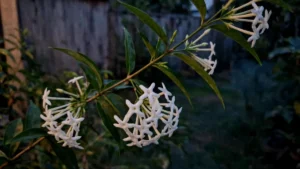
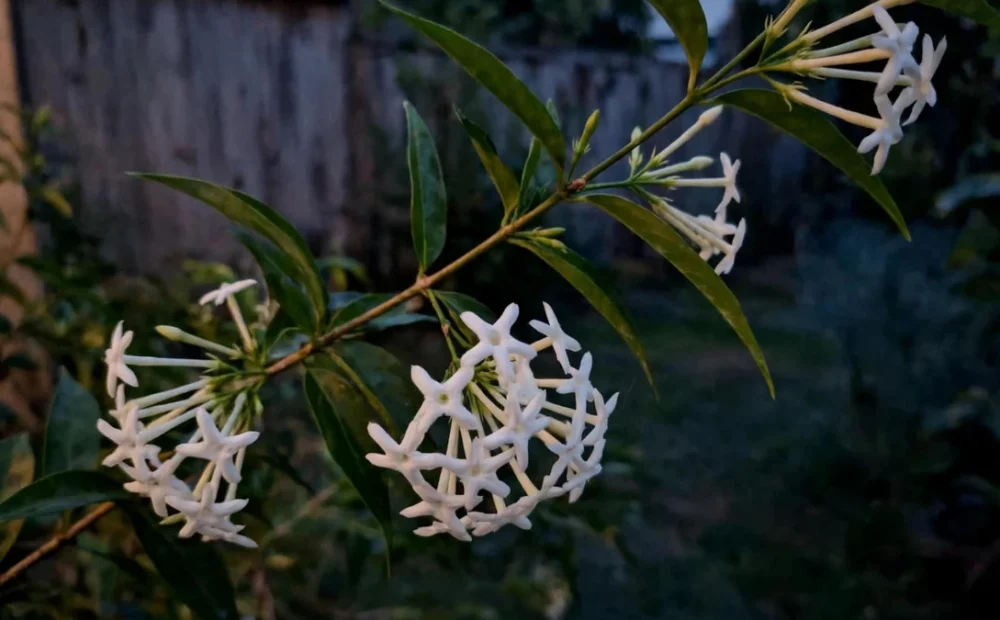
Angelica archangelica, sometimes called garden angelica, is a biennial plant that spends its first year growing a rosette of leaves and its second year shooting up a thick, hollow stem that can reach two metres. It likes damp ground, riverbanks and marsh edges, and it has been grown in monastery gardens and kitchen gardens across northern Europe for centuries, long before anyone thought to put it in a perfume bottle.
The plant has a long history in food and medicine. Its candied stems were a confection in old European kitchens, its roots flavoured herbal liqueurs, and its leaves went into salads and preserves. That culinary past is part of why the note smells the way it does: green, savoury and a little bitter, more like something from a kitchen garden than something from a flower shop.
Perfumers came to angelica through the same route as gin distillers. The root and the seeds both yield an essential oil by steam distillation, and the oils carry the plant’s green, peppery, musky character into a perfume. The root oil is the more prized of the two, darker and earthier, while the seed oil is brighter and greener. Our guide to what a lovage perfume is covers a close cousin in the same family, and lovage is the warmer, more rooty place to begin if angelica sounds too sharp.
How to read an angelica note list
Note lists are marketing documents as much as they are recipes, so it helps to know what you are looking at. When a bottle lists “angelica” without saying root or seed, it usually means the root oil, which is the more commonly used material. When it lists “angelica seed”, the perfumer is telling you the brighter, greener oil is in play. When it lists “angelica root”, expect a darker, earthier, more musky character.

Position on the list matters too. A note listed among the top notes is doing bright, fresh work in the opening, and you will smell it in the first minutes. A note listed in the heart is shaping the middle of the wear, and a note listed in the base is there for depth and longevity. Angelica appears in all three positions, and the same material behaves differently in each one, which is why two perfumes with angelica on the list can smell nothing alike.
Be wary of bottles that use the word angelica in the name but do not list it in the notes. A name is a promise a brand makes, and a note list is a record of what is actually in the bottle. The two do not always match, and the note list is the more reliable of the two.
Nine things worth knowing about angelica in perfume
The plant behind the note stands two metres tall in damp soil
Angelica archangelica is not a delicate herb. It is a tall, thick-stemmed biennial that grows beside rivers and in marshy ground, and in its second year it can tower over the person tending it. The size matters because the root system is large, and the roots are where the most prized oil comes from. A plant that big, grown in wet soil, gives an oil that smells of damp earth as much as of green leaves.
The seed oil is bright and green, the root oil is dark and earthy
Steam-distilling the seeds gives a pale oil that smells fresh, peppery and green, with a sparkling quality in the opening. Steam-distilling the roots gives a darker oil that smells earthy, musky and almost woody, with a celery-like depth that sits close to the skin. Perfumers choose between them the way a cook chooses between a fresh herb and a dried spice: same plant, different job.
The scent reads as celery leaf, green pepper and cold earth
Ask ten people to describe angelica and most of them will reach for the same words. The first impression is celery leaf, fresh and a little sharp. Behind it sits green pepper, a cool spiciness that never turns hot. Underneath both is cold earth, a damp, musky depth that is easy to miss on a blotter and obvious on skin. That three-part character is what makes the note so recognisable once you know it.
Angelica root oil is capped by IFRA because sunlight turns it phototoxic
Angelica root oil contains furanocoumarins, compounds that can make skin more sensitive to ultraviolet light. In strong sun, skin that has been in contact with the oil can redden or blister, a reaction called phototoxicity. The perfume industry body IFRA therefore limits how much root oil can be used in a finished perfume, and limits it further in products meant for skin that will see the sun. Seed oil is not restricted in the same way, which is one reason perfumers often prefer it.
Gin distillers were using angelica long before perfumers made it fashionable
Angelica root is one of the classic gin botanicals, alongside juniper and coriander, and it has been in the still for centuries. In gin it does the same job it does in perfume: it adds a dry, earthy, musky depth that keeps the bright botanicals from floating away. The link is not a coincidence. Perfumers and distillers draw on the same palette of aromatic plants, and a note that works in a glass often works in a bottle too.
The note bridges green openings and musky, woody drydowns
A perfume is a journey from bright to deep, and the middle of that journey is where most compositions fall apart. Angelica is one of the materials that holds the middle together. Its green top keeps the opening fresh, its musky depth anticipates the base, and the result is a perfume that feels like one continuous scent rather than a bright start that collapses into a dull finish. That bridging role is why the note appears in so many compositions where it is never the star.
Angelica softens sweetness without adding sugar
Sweetness is easy to add to a perfume and hard to control. Vanilla, tonka and amber can all turn a composition cloying if nothing pushes back against them. Angelica pushes back with bitterness and green, not with more sweetness, and the effect is a perfume that stays warm without turning syrupy. That is why the note appears in so many vanilla and amber compositions, including the most famous angelica perfume of all, where it keeps the vanilla honest.
The note appears in niche bottles far more than in designer ones
Count the angelica perfumes on a department store shelf and you will find a handful. Count them in a niche boutique and you will find dozens. The reason is partly cost, since the root oil is expensive and restricted, and partly taste, since angelica’s herbal, celery-like character is harder to sell to a mass audience than a sweet floral. Niche houses can afford to be strange, and angelica rewards strangeness.
A small dose changes a blend; a large dose takes it over
Angelica is a strong material, and a little of it goes a long way. At a low dose it lifts a composition, adds freshness, and deepens the drydown without announcing itself. At a high dose it dominates, and the perfume starts to smell of celery and damp earth above everything else. Perfumers talk about angelica the way cooks talk about a powerful spice: the difference between a pinch and a spoonful is the difference between a good dish and a ruined one.
Which angelica perfume is right for you
Begin with the amount of greenness you can live with. If you are new to herbal perfumes, a designer bottle with angelica in the heart is the kindest introduction, because the note is softened by amber and musk. If you already wear green chypres and vetiver, a niche bottle where angelica leads will feel like a natural next step, with more depth and more challenge. Our guide to what a dill perfume is covers another carrot-family note with a similar green character, and dill is the sharper, more pungent place to begin if angelica sounds too soft.
Think about when you will wear it. Light, citrus-led angelica perfumes suit spring and summer, when their brightness has room to breathe. Warm, vanilla-led and incense-led angelica perfumes belong to autumn and winter, when their depth feels right. Rain-washed, transparent angelica perfumes work in any weather, because their character suits a grey day as well as a bright one.
Finally, consider how much you want to smell the note itself. Some bottles use angelica as a quiet modifier that you will only notice if you are looking for it. Others put it at the centre, and there is no mistaking it. Neither approach is better, but they are different experiences, and knowing which one you want saves you from a bottle that disappoints.
The caveats that matter
Angelica is a rewarding note, and the honest starting point is that it will not smell like a conventional perfume. The celery and green pepper character is genuine, and on some skin it reads herbal enough to bring a garden to mind rather than a fragrance counter. That herbal character is the note itself, which is why a sample matters more here than it does with a rose or a vanilla.
Sunlight is the second caveat. Because root oil can make skin more sensitive to sun, be careful wearing a root-heavy angelica perfume on bare skin in strong sun, and consider applying it to clothes rather than skin on bright days. Our guide to what a fennel perfume is covers another herbal note from the same family, and the same advice applies: sample first, and wear it with care in strong sun.
| Detail | What is known |
|---|---|
| What angelica is | Angelica archangelica, a tall carrot-family plant grown in damp soil |
| What it smells like | Celery leaf and green pepper, with a musky, earthy warmth underneath |
| Root oil versus seed oil | Root oil is dark and earthy, seed oil is bright and green |
| Where it sits in a perfume | Top, heart or base, usually as a bridge and modifier |
| Why it is restricted | Root oil can make skin more sensitive to sunlight |
| Best season | Spring and autumn for light bottles, winter for warm and smoky ones |
| Who should sample first | Everyone, because angelica can turn sharply herbal on some skin |
| What it does not do | It does not smell sweet, and it does not lead a mainstream perfume |
If you have sensitive skin or a known allergy to plants in the carrot family, including celery, parsley and carrot itself, patch-test an angelica perfume on your inner arm before wearing it on your neck or wrists. As a plant-derived material, it can trigger a reaction in sensitive people even when the perfume is well made.
Checklist: buying an angelica perfume without regrets
Use these checks before you buy, and again after two wearings.
- Sample before you buy: get a sample or a decant first, never a full bottle blind, because angelica divides opinion.
- Wear it on two days: once in the morning and once at night, since angelica shifts a lot as it dries down.
- Read the note list: angelica root or angelica seed should be named outright, not merely suggested by a green accord.
- Check whether the name matches the notes: a bottle can be called angelica without listing it, and the note list is the reliable record.
- Check the sunlight question: if the perfume is root-heavy, be careful wearing it on bare skin in strong sun.
- Judge it on skin, not paper: angelica reads greener on a blotter and warmer on skin, and your skin is where it will live.
Frequently asked questions
What does angelica actually smell like in a perfume?
Green and herbal, like celery leaf and green pepper, with a soft musky warmth underneath. The root oil is darker and earthier, the seed oil is brighter and greener, and most perfumes use one or the other rather than both.
Is angelica a flower or a herb?
A herb. Angelica archangelica is a tall biennial plant in the carrot family, and perfumers use oil distilled from its roots and its seeds. It is not a flower, and it does not smell floral, though it can appear in floral perfumes as a green counterweight.
Why do some angelica perfumes warn about sunlight?
Because angelica root oil contains furanocoumarins, which can make skin more sensitive to ultraviolet light. The perfume industry limits how much root oil can be used, and it is wise to be careful wearing a root-heavy perfume on bare skin in strong sun.
Does an angelica perfume smell like gin?
Not exactly, but the family resemblance is real. Angelica root is a classic gin botanical, so a green, herbal angelica perfume can remind people of gin, especially in the opening. The resemblance fades as the perfume dries down and the woods and musks take over.
Can I wear angelica in warm weather?
Yes, if you choose a light one. Citrus-led and cologne-style angelica perfumes work well in warm weather, while the warm, vanilla-led and incense-led bottles are better saved for cooler days. Avoid wearing a root-heavy perfume on bare skin in strong sun.
How should I choose my first angelica bottle?
Start with a sample of a designer bottle where angelica sits in the heart, so the note is softened by amber or musk. Wear it twice, once in the morning and once in the evening, and only move to a niche bottle where angelica leads once the note feels familiar.
The bottom line
Angelica is a note worth knowing, not because it is easy but because it is useful. It is the green, herbal material that holds a perfume together, keeps sweetness honest, and connects a bright opening to a warm drydown, and once you learn to recognise it you will start noticing it in bottles you have worn for years.
Sample a bottle where angelica sits in the heart, wear it twice, and judge it on your own skin. Patience is what this note rewards, and a blind buy is what it punishes.