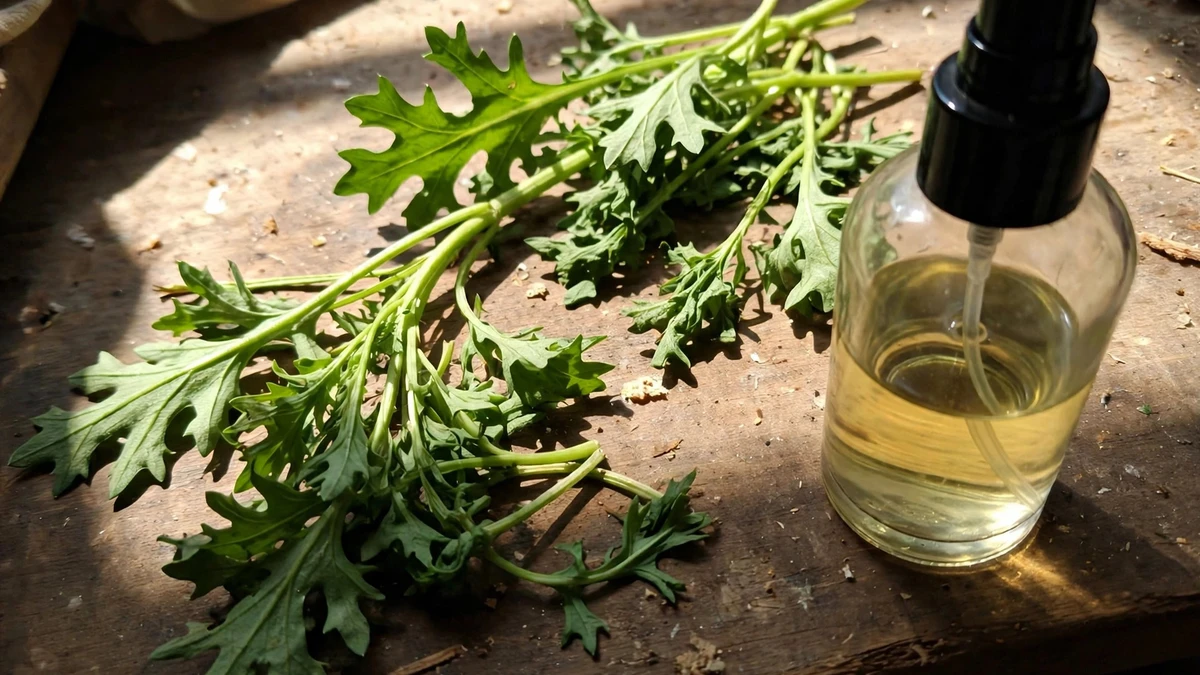

Lovage is a herb most people know from the kitchen, if they know it at all. It grows tall in a herb garden, tastes of celery and parsley, and turns up in soups, stocks and salads across Europe. What almost nobody expects is that the same plant has a second life in perfumery, where its root is turned into one of the greenest, most savoury notes a perfumer can use. It is rare, it is challenging, and it is the reason a handful of niche perfumes smell like nothing else on the shelf. It is also a note that divides opinion on first sniff and wins people over slowly, which is part of its charm.
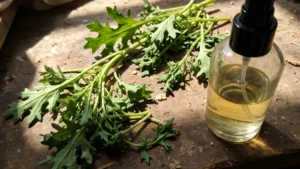
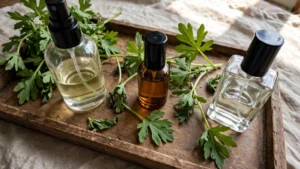
The note itself is lovage root, taken from Levisticum officinale, a tall perennial in the carrot family. The root is dried and solvent-extracted into a dark, thick absolute, and the result smells of celery leaf, parsley and warm earth, with a spicy depth that keeps it from smelling like a salad.
This guide explains what lovage is, how it smells, why it is so rare in perfume, and how to choose a bottle that carries it well.
Key takeaways
- Lovage root smells of celery leaf and parsley with a warm, spicy, rooty depth, and it is a green note, not a sweet one.
- It is rare in perfume because the absolute is costly and the profile is hard to place, so it lives mostly in niche and artisanal bottles.
- Lovage usually sits in the heart or the base, where it deepens vetiver, steadies iris and lifts woody accords.
- Its best partners are vetiver, cedar, iris and cardamom, and it turns savoury rather than sweet as it dries down.
- Lovage can smell almost soup-like on some skin, so sample any lovage perfume twice before buying a full bottle.
What lovage actually is
Lovage, Levisticum officinale, is a tall, robust perennial herb native to southern Europe, and it has been cultivated for culinary and medicinal use since antiquity. The root is thick, fleshy and aromatic, and it is the root, not the leaf, that perfumers care about.
The reason is concentration. The leaf is fresh and fleeting, but the root holds the plant’s deeper aromatic compounds, including the warm, spicy, slightly sweet character that survives distillation and extraction. When the dried root is solvent-extracted, the result is lovage root absolute, a dark, viscous, semi-solid material with an intensely concentrated smell. That thickness is also why the absolute is handled with care in the lab, measured in drops rather than in millilitres.
It helps to think of lovage as a root note in both senses of the word. It comes from a root, and it behaves like one in a perfume, grounding lighter notes and giving green compositions a sense of depth.
How to read a lovage note list
When you see lovage root on a note list, read the notes around it, because they tell you what job the lovage is doing. Next to musk and oud, it is probably a green counterweight to something heavy and animalic.

Also check where lovage sits in the pyramid. In most bottles it is listed in the heart or the base, which means you will not smell it in the first spray. You will meet it after ten or twenty minutes, when the citrus and the bright top notes have faded, and it will stay with you into the drydown. The exception is a bottle like Virulhaka Raja, which puts lovage in the opening, and there the green arrives immediately and then steps back.
Finally, do not confuse lovage with celery seed, which is a different material from a related plant. Celery seed oil is sharper, brighter and more one-dimensional, while lovage root is warmer, rounder and more complex. Our guide to the fennel perfume covers another member of the same plant family, and fennel is a useful comparison, because it shares the green herbal character but leans sweet where lovage leans savoury.
Nine things worth knowing about lovage in perfume
Lovage is Levisticum officinale, a tall carrot-family herb, and the root is what perfumers use
What it shows: The note comes from a real, identifiable plant with a long culinary history, not a synthetic accord invented in a lab. What to consider: Only the root is used in perfumery, so a note list that says lovage leaf or lovage herb is describing something else, or a marketing shorthand.
That family resemblance matters, because it explains why lovage smells the way it does and why it pairs well with its cousins. The plant is a hardy perennial, native to the Mediterranean, and it has been grown in herb gardens across Europe for centuries.
Celery and parsley lead, and a warm root follows behind
What it shows: Lovage is a savoury green note, and its first impression is leafy and herbal rather than floral or sweet. What to consider: The savoury edge is the point, but it is also the reason some people find the note strange, so expect a kitchen-garden character rather than a flower-shop one.
In a perfume that first impression is softened and stretched, but it does not disappear.
Lovage root absolute is made by solvent extraction, and it arrives dark and thick
What it shows: The material is a concentrated natural extract, which is why it is expensive and why perfumers dose it in drops. What to consider: The dark colour and thick texture mean it is used in tiny amounts, and a formula with too much of it would overwhelm everything else.
To make lovage root absolute, the dried root is washed with a solvent that draws out the aromatic compounds, and the solvent is then removed, leaving a dark, viscous, semi-solid material. The result is intensely concentrated, with a smell far stronger than the fresh root, and it carries the full range of the plant’s character in a single drop. The yield is low, the work is slow, and the finished material is closer to a paste than a liquid, which is why only small houses tend to bother with it.
Lovage and celery seed share a family smell, but the root is warmer and rounder
What it shows: The two materials are related but not interchangeable, and a perfumer chooses between them for a reason. What to consider: If a perfume lists celery seed rather than lovage root, expect a sharper, brighter green, not the warm rooty depth described here.
Celery seed oil comes from Apium graveolens, a close cousin in the same family, and the two materials share the green, herbal, slightly spicy character that defines the family. The difference is in the balance. Celery seed is brighter and sharper, with a cleaner green that reads almost like a fresh vegetable. Lovage root is warmer and rounder, with an earthy, rooty depth that celery seed does not have, and a faint sweetness that softens the green.
Lovage has flavoured food and medicine for centuries before it reached a bottle
What it shows: The plant has a long human history, and its perfume use is a recent chapter in a much older story. What to consider: The culinary history explains the savoury character, and it is why the note can smell like a kitchen as much as a garden.
It was a household plant before it was a perfume material, and that history is still in the smell. That is not a flaw. It is the note being honest about where it comes from.
Lovage is rare because the absolute is costly and the profile is hard to place
What it shows: The scarcity is real and structural, not a marketing story, and it explains why the note lives in niche bottles. What to consider: A mainstream house has little reason to use a costly, divisive material, so do not expect a designer lovage perfume any time soon.
The second is character: lovage is savoury, green and a little strange, and it does not fit the sweet, floral, crowd-pleasing profile that sells in large volumes.
Vetiver is lovage’s best partner, and iris is its quiet second
What it shows: Lovage works best with earthy, woody and powdery notes that share its rooted character. What to consider: A lovage perfume built on vetiver or iris will usually be the easiest to wear, while one built on musk or oud will be darker and more demanding.
Vetiver and lovage share an earthy, rooted quality, but where vetiver tends toward the smoky and woody, lovage adds a herbal brightness that stops vetiver from becoming too moody or heavy. The pairing is one of the most reliable in green perfumery, and it turns up in several of the bottles on our list. Iris is the quieter partner: its dry, powdery, violet-like character complements lovage’s green earthiness, and together they create an accord that feels both green and soft, which is a rare combination. Our guide to the cardamom perfume explains why that spice works so well with green herbal notes.
Lovage works in the heart and the base, and it stretches a perfume’s wear
What it shows: Lovage is a lasting note, not a fleeting top note, and it contributes to longevity rather than just to the opening. What to consider: Because it sits deep in the composition, you may not notice it at first, so give a lovage perfume twenty minutes before you judge it.
Most green notes are top notes: bright, fresh, and gone within the hour. Lovage is different. Its heavier, root-derived compounds evaporate slowly, so the note is still present hours after application, holding the base together and keeping the drydown green rather than letting it turn sweet or flat. That longevity is one of the reasons perfumers value it, even in tiny amounts, and it is why a lovage perfume often lasts longer than its light, green character would suggest. A wearer who sprays in the morning can still catch the green at lunchtime, long after the brighter top notes have gone.
Fennel is lovage’s sweet cousin, not its twin
What it shows: The family resemblance is real, but the two notes smell different and do different jobs in a perfume. What to consider: If you like fennel, lovage is a natural next step, but expect a savoury root rather than a sweet seed.
Fennel and lovage both belong to the carrot family, and both bring a green, herbal, slightly aniseed character to a perfume. The difference is in the direction they lean. Fennel leans sweet, with the aniseed warmth of its seeds carrying the note, and it sits in the top and the heart, bright and lifting. Lovage leans savoury, with the celery and parsley character of its root carrying the note, and it sits in the heart and the base, deep and grounding. Our guide to the dill perfume covers a third cousin in the same family, and dill sits between the two, greener than fennel and lighter than lovage.
Which lovage perfume is right for you
If you have never smelled lovage in a perfume, start with a sample of a gentle one. Partisan Love and Maruyama are the kindest introductions, because the lovage is soft and the compositions are built around familiar herbs. Wear the sample twice, once in the morning and once in the evening, and pay attention to the drydown rather than the opening, because that is where lovage does its work.
If you already wear green perfumes, the choice depends on how much challenge you want. Norne Oil and Dead Air are the next step, with more depth and more strangeness, and both reward a wearer who likes woody, resinous scents. Onthamara is the final step, a dark animalic parfum for collectors who already love musk and oud.
Think about the season as well. Lovage shows its best side in cool air, when the green stays fresh instead of turning soupy, and after dark, when the rooty depth can open up. The lighter bottles work in spring and autumn, while the heavier ones belong to winter.
The caveats that matter
The first caveat is the savoury character itself. Lovage smells of celery and parsley, and on some skin that reads as soup, salad dressing, or a herb garden after rain.
The second caveat is availability. Lovage perfumes come from small houses, several are limited releases, and a few are already hard to find at retail. Prices shift, bottles disappear, and a scent you love today may be gone next month.
| Detail | What is known |
|---|---|
| Plant | Levisticum officinale, a tall perennial in the carrot family, native to southern Europe |
| Material used | Lovage root absolute, made by solvent extraction of the dried root |
| What it smells like | Celery leaf and parsley, with a warm, spicy, rooty depth underneath |
| Where it sits | Usually the heart or the base, as a supporting and modifying note |
| Best partners | Vetiver, cedar, iris, cardamom, and citrus in the opening |
| Closest relatives | Fennel, dill, caraway and celery seed, all in the same plant family |
| Who should sample first | Everyone, because lovage can turn savoury on some skin |
| What it does not do | It does not lead a mainstream perfume, and it does not project loudly |
If you have sensitive skin or a known allergy to plants in the carrot family, including celery, parsley and carrot itself, patch-test a lovage perfume on your inner arm before wearing it on your neck or wrists. The note comes from a plant, so cross-sensitivity is possible even in a well-made perfume.
Checklist: buying a lovage perfume without regrets
Run through these checks before you buy, and repeat them after two wearings.
- Start with a sample: get a sample or a decant first, and never buy a full bottle blind, since lovage divides opinion.
- Try it twice: once in the morning and once at night, because lovage shifts a great deal as it dries down.
- Check that lovage root is named on the note list, rather than only suggested by a green accord.
- Check the notes around it: vetiver, iris and cedar are good signs, while a heavy musk base means a darker wear.
- Check stock before you fall for a bottle: small houses sell out fast, and a favourite can vanish for months.
- Test it on skin, not paper: lovage reads greener on a blotter and warmer on your wrist, and your wrist is where it will live.
Frequently asked questions
Will people think I smell of celery if I wear lovage?
It can, especially in the first hour, because celery is the closest everyday smell to lovage root.
What tells lovage apart from celery seed on skin?
Celery seed oil is sharper, brighter and more one-dimensional, while lovage root is warmer, rounder and more complex, with an earthy depth that celery seed does not have.
Does lovage belong in summer or in winter?
Cold weather, in most cases. Lovage reads fresh and green in cool air, but in high summer the savoury character can turn soupy. The lighter lovage bottles work in spring and autumn, while the heavier ones belong to winter.
Why can’t I smell the lovage in my perfume after an hour?
It probably has not disappeared. Lovage sits deep in a composition, so it fades from conscious notice while still shaping the drydown.
Can lovage make a light perfume wear longer?
Yes, that is one of its practical uses.
What base note holds a lovage perfume in place?
A woody or resinous base works best: vetiver, cedar, sandalwood or labdanum all give lovage something to lean on. A sweet vanilla base is a poor match, because it fights the savoury green rather than supporting it.
The bottom line
A lovage perfume is not a safe, easy, crowd-pleasing purchase. It is a green, savoury, rooty note that lives in small-batch bottles made for people who enjoy a challenge, and it rewards patience more than it rewards impulse.
Start with a gentle bottle, learn the note on your own skin, and only then move toward the darker, more demanding releases. Lovage will never be a bestseller, but for the people it suits, it is one of the most interesting green notes in perfumery, and it is worth the effort of finding.