Lovage is not a note most perfume lovers meet on purpose. It hides in the small print of niche bottles, listed as lovage root, and it rarely gets top billing. That is a shame, because it is one of the most distinctive green notes in perfumery: savoury, herbal, a little rooty, and unlike anything else on a shelf full of citrus and white flowers. If you have ever sniffed a perfume and thought of a herb garden after rain, or of celery leaves crushed between your fingers, you have probably met lovage without knowing its name.
The smell itself is green and savoury rather than sweet. The first impression is celery leaf and parsley, fresh and a little sharp, and underneath it sits a warm, spicy rootiness that keeps the green from turning thin or soapy. On skin it behaves like a supporting player. It deepens vetiver, steadies iris, and gives woody bases a herbal lift, but it seldom leads a composition on its own.
Below are nine perfumes that list lovage root as a named note, checked against Fragrantica’s note records, and none of them has appeared in an earlier BrassSmile roundup. They run from about $85 to about $395, from a quiet Ukrainian niche release to a limited Thai parfum, and each one uses lovage in a different way. If you are curious about green perfumes but bored of the usual vetiver and galbanum, this is a good place to start.
Key takeaways
- Lovage root smells of celery leaf and parsley with a warm, spicy, rooty depth, and it reads green rather than sweet.
- It is a niche note: the nine bottles here are mostly small-batch, artisanal releases, and several are limited or hard to find.
- Lovage works best as a supporting note, deepening vetiver, iris and woody bases rather than leading a scent.
- Prices run from about $85 to about $395, and the cheapest bottle here is also one of the easiest to wear.
- Lovage can smell savoury and almost soup-like on some skin, so sample before buying a full bottle, and expect the note to sit close rather than project loudly.
What lovage smells like in a bottle
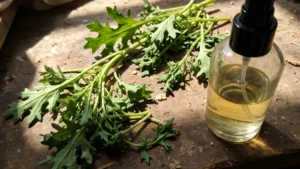
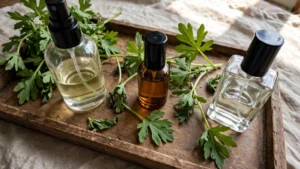
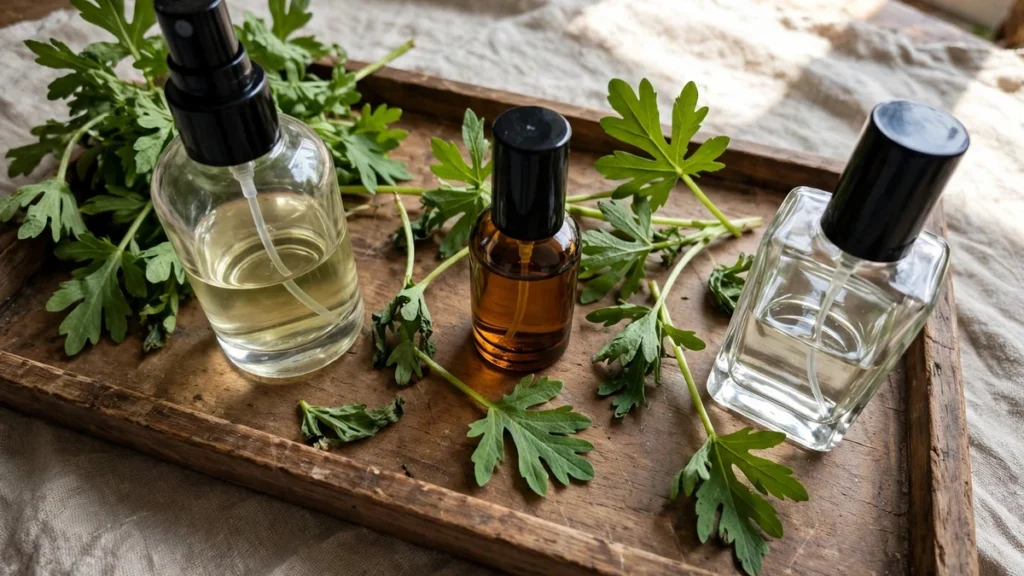
Lovage comes from Levisticum officinale, a tall perennial herb in the carrot family, and perfumers use the root, not the leaf. The root is steam-distilled or solvent-extracted into a dark, concentrated absolute, and a little of it goes a long way. On a blotter the first thing you notice is the green: celery, parsley, a faint aniseed warmth.
Most green notes are either fresh, like galbanum, or soft, like violet leaf. Lovage is neither. It has a kitchen-garden character that some people love at first sniff and others need a few wearings to understand. Our guide to the best fennel perfumes covers a close cousin in the same family, and fennel is the easier, sweeter place to begin if lovage sounds too strange.
In a finished perfume lovage usually sits in the heart or the base, where it acts as a modifier. It can lift a heavy woody base, add a green edge to a rose, or give a musky animalic blend a herbal counterweight. That supporting role is the thread running through all nine bottles below.
How we chose these nine lovage perfumes
Every bottle here was checked against Fragrantica’s lovage root note page, and each one lists lovage root as a named note in its composition. We also checked each name against every earlier BrassSmile perfume roundup, so none of these nine has been picked before, under any spelling or variant name.

We looked for variety as well as quality. There is a quiet daytime green, a forest oil, a rose built on a lovage base, a resinous oriental, and a dark animalic parfum, so the list covers most of the ways lovage is actually used.
The 9 best lovage perfumes of 2027
Partisan Love by Char-Zillya
What we like: The most affordable way into lovage, a green herbal unisex scent from a small Ukrainian house, with a straightforward, wearable character. What to consider: A 2017 release with limited distribution, so finding a bottle takes some hunting, and the house is far less known than the names further down this list. Best For: Collectors who want the cheapest way into lovage. Material: Eau de parfum. Price Range: $85–$105/50 ml. Standout Feature: The lowest-priced lovage bottle in this list.
Partisan Love is the gentle entry point. The lovage here is green and herbal rather than rooty, and it sits in a composition that wears like a walk through a herb garden rather than a statement perfume.
Les Fleurs du Malt by Jaclair
What we like: A floral take on lovage, pairing the green root note with a soft malted warmth that no other bottle here attempts. What to consider: A small French house with a short distribution list, and the malted sweetness may not suit people who want their green notes sharp. Best For: Evening wear with a green, malted edge. Material: Eau de parfum. Price Range: $110–$135/50 ml. Standout Feature: A malt-floral pairing no other bottle here attempts.
Les Fleurs du Malt is the odd one out in the best way. The name promises flowers and malt, and the lovage threads through both, keeping the floral side from turning sweet and the malted side from turning heavy.
High to Lotus by Space Fluid
What we like: The quietest bottle on this list, a meditative green unisex scent in which lovage gives a calm, herbal stillness. What to consider: A 2023 small-batch release, so availability is patchy, and the low-key character means it sits very close to the skin. Best For: Quiet daytime wear and meditation. Material: Eau de parfum. Price Range: $140–$165/50 ml. Standout Feature: The most meditative, low-key wear in this list.
High to Lotus does not try to impress anyone in the first five minutes. The lovage is soft and leafy, the wear is calm, and the whole thing feels designed for slow days rather than loud rooms.
Norne Oil by Slumberhouse
What we like: An oil concentration rather than a spray, with a dense, resinous, forest character and a lovage note that adds a green herbal cut to the woods. What to consider: The oil format needs a different application, a drop warmed between the fingers, and the scent is heavy and coniferous, which is not an everyday profile. Best For: Cold weather and forest walks. Material: Perfume oil. Price Range: $170–$185/30 ml. Standout Feature: An oil concentration, not a spray.
Norne Oil is the most physical bottle here. Slumberhouse built it around fir and resin, and the lovage root keeps the woods from turning into a candle, adding a green, almost damp-leaf edge.
Maruyama by Prissana
What we like: A herb-garden blend by Prin Lomros, with lovage root alongside marjoram, angelica, chamomile and vetiver, and a gentle, green wear. What to consider: A 2019 release that is often out of stock, and the soft herbal character means it will not project far in a large room. Best For: Herb-garden lovers who want a gentle green. Material: Eau de parfum. Price Range: $190–$210/30 ml. Standout Feature: A herb-garden blend built by Prin Lomros.
Maruyama was inspired by a herb and flower garden in Sapporo, and it smells like it. The lovage sits among familiar garden herbs, and the whole composition feels gathered rather than built, with chamomile softening the green and vetiver grounding it.
Dead Air by .Oddity
What we like: Mark Buxton’s atmospheric extrait, with lovage root among davana, violet leaf, salt, vetiver and labdanum, and a strange, memorable character. What to consider: Deliberately odd, with a damp, dusty, liminal-space mood that some people find unsettling, and it is not a safe blind buy. Best For: Art lovers and fans of strange, atmospheric scents. Material: Extrait de parfum. Price Range: $215–$235/50 ml. Standout Feature: Mark Buxton’s liminal-space concept.
Dead Air is the conversation piece. The lovage root is part of a green, salty, woody accord that smells like an empty room with the windows open, and it is the note that keeps the composition feeling alive rather than abandoned.
Virulhaka Raja by SIAM 1928
What we like: Lovage as a top note rather than a base note, opening with copper and elemi before oud, cotton flower and a resinous base. What to consider: A 2025 release from a small Thai house, with castoreum and oud in the base, so it is warm, animalic and not for the faint-hearted. Best For: Warm evenings and resin lovers. Material: Eau de parfum. Price Range: $265–$295/50 ml. Standout Feature: Lovage as a top note, not a base note.
Virulhaka Raja is the only bottle here that puts lovage in the opening, and the effect is striking. The green-spicy lift arrives first, metallic and bright, and then the resins and oud take over, so the lovage feels like a door opening rather than a foundation.
Persephone’s Rose by Pictura Fragrans
What we like: A modern rose with lovage root anchoring the base, so the floral heart stays green and earthy instead of turning sweet. What to consider: A 2026 release with a complex base that includes smoke and hemlock notes, so it is darker than a typical rose perfume. Best For: Rose lovers who want a green, earthy base. Material: Eau de parfum. Price Range: $310–$345/50 ml. Standout Feature: Lovage anchoring a modern rose.
Persephone’s Rose is the proof that lovage can work in a floral. The rose heart is full and generous, but the lovage in the base keeps it rooted, adding a green earthiness that stops the sweetness from taking over.
Onthamara by Prin
What we like: A limited parfum by Prin Lomros, with lovage root among Thai oud, musk, camphor, black tea and jatamansi, and an extraordinary depth. What to consider: The most expensive bottle here, a 30 ml limited release that is often out of stock, and the animalic musk character is intense. Best For: Experienced collectors and animalic fans. Material: Parfum. Price Range: $370–$395/30 ml. Standout Feature: A limited parfum with Thai oud and musk.
Onthamara is the deepest and darkest bottle on this list. The lovage root is one voice in a large, feral composition, and its job is to add a green herbal thread through the musk, oud and resins.
Which lovage perfume is right for you
Start with how much strangeness you want. If you are new to green perfumes, Partisan Love or Maruyama are the kindest introductions, because the lovage is soft and the compositions are built around familiar herbs. If you already wear vetiver and green chypres, Norne Oil or Dead Air will feel like a natural next step, with more depth and more challenge. The cardamom family is another useful reference point, and our guide to the best cardamom perfumes covers a spice that pairs well with lovage in several of these bottles.
Think about format as well as scent. Norne Oil is the only oil here, and it wears differently from a spray, closer to the skin and longer-lasting. Onthamara is a parfum, so two sprays are plenty, while the eau de parfum bottles are more forgiving if you spray generously.
Finally, consider the season. Lovage is at its best in cool weather, when the green reads fresh rather than soupy, and in the evening, when the rooty depth has room to develop. The lighter bottles, Partisan Love and High to Lotus, work in spring and autumn, while Norne Oil and Onthamara belong to winter.
The caveats that matter
Lovage is a challenging note, and the first thing to accept is that it will not smell like a conventional perfume. The celery and parsley character is real, and on some skin it leans savoury enough to remind people of soup or a salad dressing. It is the note itself, and it is why sampling matters more here than with a rose or a vanilla.
Availability is the second caveat. Most of these houses are small, several bottles are limited releases, and a few are already hard to find at retail. Prices move, bottles sell out, and a scent you love may not be there next month. If you find one you want, do not wait for a sale that may never come. Our guide to the best dill perfumes covers another rare herbal note with the same availability problem, and the same advice applies: sample first, then buy the bottle you actually want.
| Detail | What is known |
|---|---|
| What lovage smells like | Celery leaf and parsley, with a warm, spicy, rooty depth underneath |
| Where it sits in a perfume | Usually the heart or the base, as a supporting and modifying note |
| Price range in this list | About $85 to about $395, across nine non-overlapping bands |
| Easiest bottle for a beginner | Partisan Love, the cheapest and the most straightforward green |
| Most challenging bottle | Onthamara, a limited animalic parfum with Thai oud and musk |
| Best season | Cool weather and evenings, when the green reads fresh rather than soupy |
| Who should sample first | Everyone, because lovage can turn savoury on some skin |
| What it does not do | It does not lead a mainstream perfume, and it does not project loudly |
If you have sensitive skin or a known allergy to plants in the carrot family, including celery, parsley and carrot itself, patch-test a lovage perfume on your inner arm before wearing it on your neck or wrists. The note is plant-derived, and cross-sensitivity is possible even when the perfume itself is well made.
Checklist: choosing a lovage perfume honestly
Use these checks before you buy, and again after two wearings.
- Sample first: buy a sample or a decant, never a full bottle blind, because lovage is a divisive note.
- Wear it twice: once in the morning and once in the evening, since lovage changes a lot as it dries down.
- Check the note list: lovage root should be named, not just implied by a green accord.
- Check the format: oil, parfum and eau de parfum all wear differently, so match the format to how you like to apply scent.
- Check availability: small houses sell out, so confirm the bottle is in stock before you set your heart on it.
- Judge it on skin, not paper: lovage smells greener on a blotter and warmer on skin, and skin is where you will wear it.
Frequently asked questions
How much does a lovage perfume cost in 2027?
Between about $85 and about $395 for the bottles in this list, with most of them falling between $140 and $295.
What is the best first lovage bottle to try?
Partisan Love is the best first step, because it is the cheapest and the most straightforward. Maruyama is the next best choice if you want something softer and more garden-like. Sample both before committing to a full bottle.
Should I buy a lovage perfume without smelling it first?
No. Lovage is one of the least safe blind buys in perfumery, because its savoury, celery-like character divides opinion sharply. A sample costs a few dollars and saves you from a bottle you may never wear.
Is a lovage perfume suitable for work?
Yes, if you choose a quiet one. Partisan Love, High to Lotus and Maruyama all sit close to the skin and read as green and herbal rather than loud. Avoid Onthamara and Dead Air at work, because both are intense and unusual.
Can women wear lovage perfumes?
Yes. Almost every bottle here is unisex, and lovage works in floral compositions as well as green ones. Persephone’s Rose is the clearest example, with lovage anchoring a modern rose rather than fighting it.
How many hours does a lovage perfume usually last?
It depends on the format. The extrait and parfum bottles, Dead Air and Onthamara, last eight hours or more. The lighter eau de parfum bottles last four to six hours, and the oil, Norne Oil, lasts longest of all because it evaporates slowly.
The bottom line
The best lovage perfume in 2027 is not the most expensive or the most famous. It is the one whose green, savoury character suits your taste, and that you will actually wear rather than admire on a shelf. For most people that means starting with Partisan Love or Maruyama, and only moving to the darker, more challenging bottles once the note feels familiar.
Buy a sample, wear it twice, and judge it on your own skin in cool weather.