

What if the best food city in America is one most travelers treat as a beach stop? San Diego sits directly on the U.S.–Mexico border, and that geography shapes everything about how the city eats. Fish tacos arrived from Baja California. Old Town marks the site of California’s first settlement, founded in 1769. Little Italy runs one of the region’s biggest weekly farmers markets. And the county built one of the densest craft beer scenes in the country.
The result is a city where the food map is really a neighborhood map. This guide walks through where to eat in San Diego by area, which dishes actually define the place, and the practical habits that separate a good eating trip from a frustrating one.
Why San Diego’s Food Scene Punches Above Its Size
San Diego is often described as a beach town with a food problem, meaning too much good food and not enough time. That reputation comes from three forces stacking on top of each other.
First, proximity to Mexico. Mexican and Mexican-American food here is not a theme; it is daily cooking, with regional styles that stretch far beyond the standard combo plate. Second, commercial fishing. The city’s tuna fleet was a mid-20th-century economic engine, and local seafood culture still reflects that maritime history. Third, agriculture. San Diego County’s inland valleys and the nearby Imperial Valley supply produce that shows up in restaurants within hours of harvest.
Add a craft beer industry that popularized the San Diego-style IPA — dry, bitter, aggressively hop-forward — and you have a food city that rewards curiosity more than checklists.
The Neighborhoods That Matter Most
Rankings of individual restaurants go stale fast. Neighborhoods are more stable, and they tell you what kind of meal you are signing up for. Here is how the main eating districts compare.
| Neighborhood | Best for | Typical meal | Watch out for |
|---|---|---|---|
| Barrio Logan | Mexican food, taquerias, tortillerias | Casual, under $15 | Limited parking, lunch-only hours |
| Old Town | History plus Mexican classics | Sit-down, $15–30 | Tourist pricing near the plaza |
| Little Italy | Italian, farmers market, date nights | $25–50 | Weekend crowds, reservation pressure |
| Convoy District | Pan-Asian, especially Chinese and Korean | $15–35 | Strip-mall locations, easy to miss |
| La Jolla | Seafood with an ocean view | $40+ | Sunset seat premiums |
| North Park and South Park | Modern American, breweries, brunch | $20–40 | Long weekend waits |
Barrio Logan: The Real Mexican Food Heartland
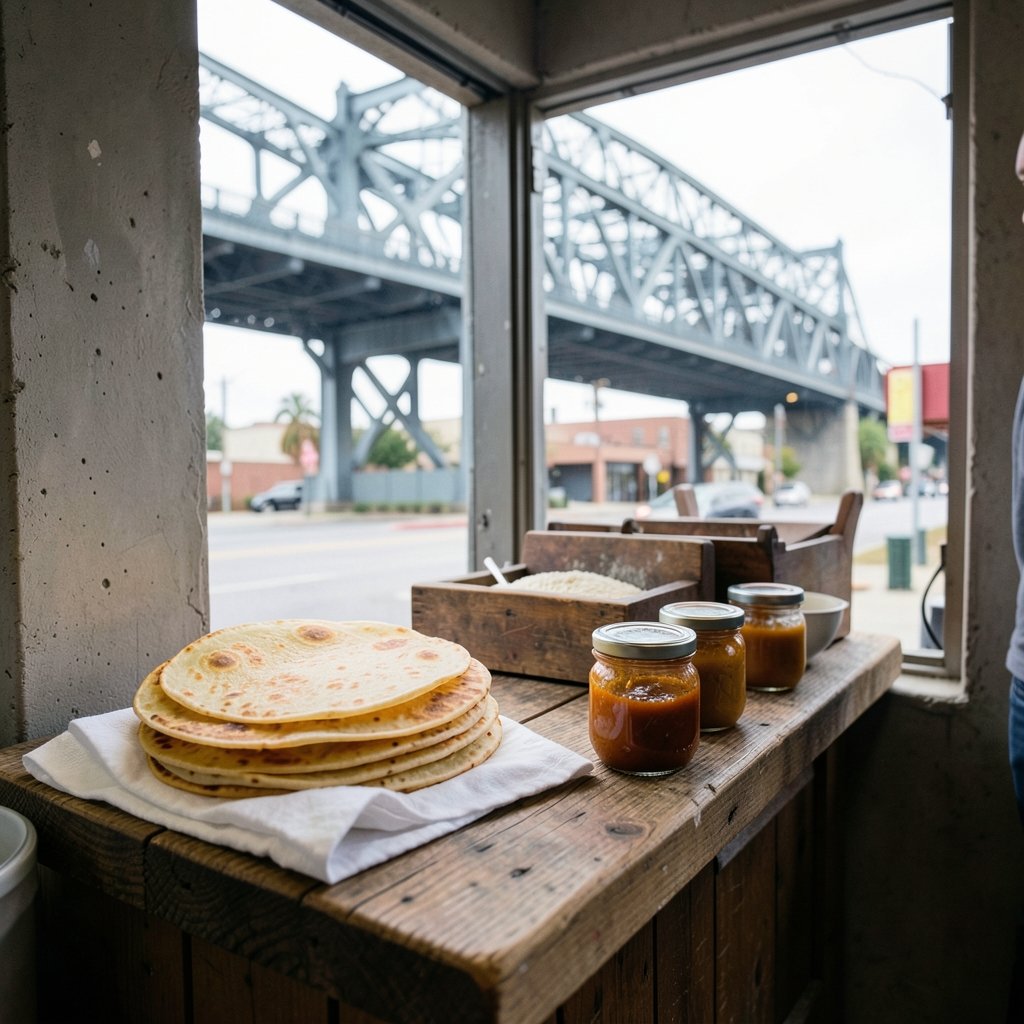
Barrio Logan is where San Diego’s Mexican food culture is most concentrated and least packaged. Taquerias, tortillerias, and family-run spots sit under the Coronado Bridge, and the neighborhood’s Chicano art heritage gives it a character no other district matches.
Practical tip: go early. Many of the best spots are breakfast-and-lunch operations that close by mid-afternoon, and the ones that stay open late fill up fast on weekends. If you want to understand regional Mexican cooking beyond tacos, the way dishes are layered and served in order is worth paying attention to, much like the sequence described in this guide to Salvadoran meals and the order they’re served in. The same principle applies: ask what the kitchen does best instead of ordering the most familiar item on the board.
Old Town: History With a Side of Guacamole
Old Town is the site of California’s first presidio and mission, established in 1769, and it leans hard into that identity. The Mexican restaurants here are plentiful, walkable, and convenient for families. They are also the most tourist-priced food in the city.
The smart play is to treat Old Town as a history stop with a snack rather than the main meal of the day. Fresh tortillas, a shared plate, and a walk through the historic park make a solid afternoon. Save your dinner budget for elsewhere.
Little Italy: Markets, Pasta, and Patio Culture
Little Italy’s Saturday farmers market, the Mercato, is one of the city’s largest and longest-running. Schedules and locations have shifted over the years, so confirm the current day, hours, and block before you plan a morning around it.
Beyond the market, Little Italy is San Diego’s most concentrated restaurant district. It is also where you will feel the most reservation pressure. Book ahead for weekend dinners, or eat an early lunch and use the evening for a brewery instead. If you are building a trip around seasonal food moments, the same timing logic that shapes where to go in July for cool weather and sun applies to restaurant planning: peak season means peak crowds, and off-peak means easier tables.
Convoy District: The City’s Most Underrated Eating Strip
The Convoy District, in Kearny Mesa, holds one of the highest concentrations of Asian restaurants in the region, with strong Chinese, Korean, Japanese, and Vietnamese representation. It looks like a strip-mall corridor, and that is exactly why visitors skip it. Locals do not.
Come hungry and come with a group, because the format rewards sharing. Look for restaurants with handwritten specials boards, and expect the best dishes to be the ones not translated for tourists.
The Dishes That Define San Diego
Knowing what to order matters more than knowing which restaurant ranks first in a given month. Four dishes carry most of the city’s food identity.
Fish Tacos
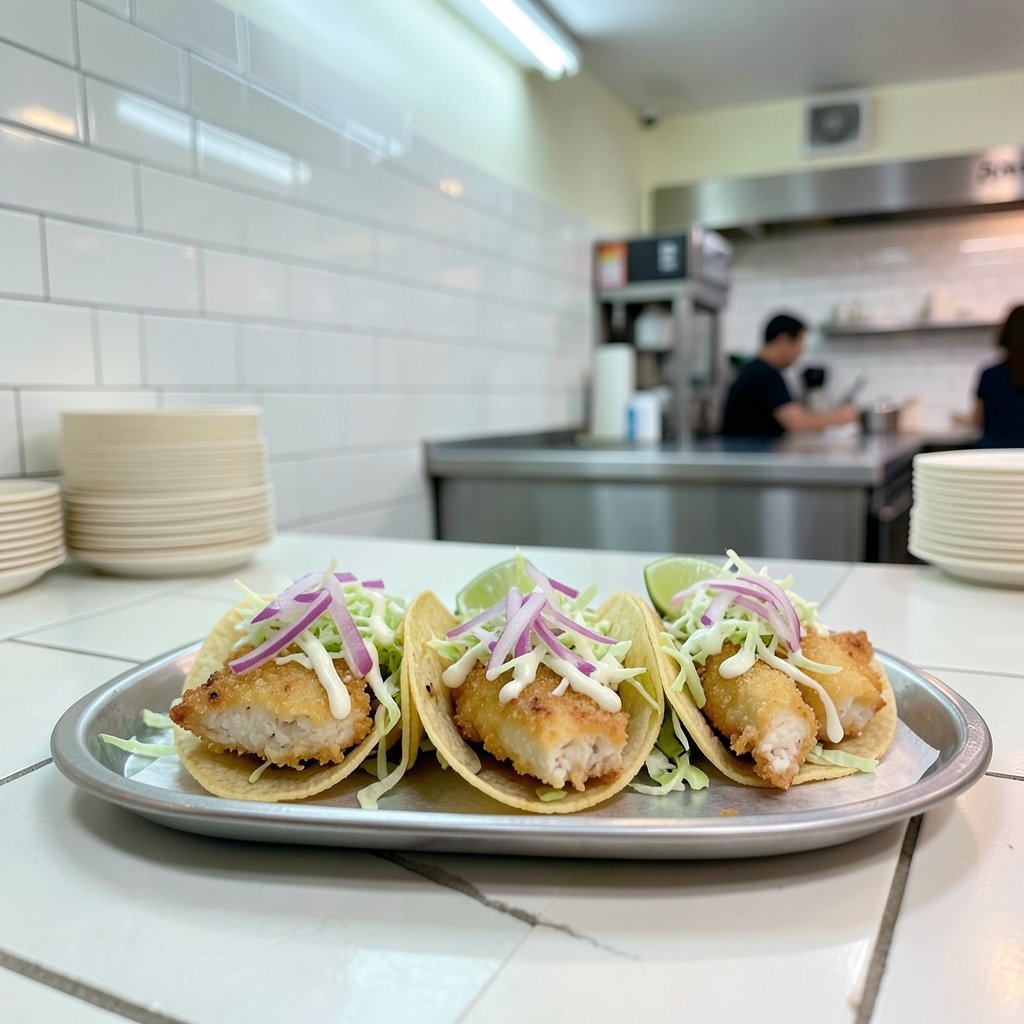
The fish taco is San Diego’s signature dish, and its story runs through Baja California, Mexico, before spreading north through the border region. The classic build is simple: battered or grilled fish, a corn tortilla, shredded cabbage, crema, and salsa. Origin stories about exactly which stand invented it are contested among food historians, so treat any single-origin claim with skepticism.
What actually works in practice: order the fish grilled at least once. Batter hides mediocre fish, and a coastal city should be able to serve you a fillet that stands on its own. Also check whether the tortilla is made in-house. A fresh corn tortilla changes the entire taco.
Seafood Beyond the Taco
San Diego’s fishing history means the seafood conversation goes well beyond fried fish. Tuna, yellowtail, and locally landed catch appear on menus across the city, and seasonal fishermen’s markets have operated at Tuna Harbor in recent years. Schedules change, so verify before making a trip.
One practical warning: coastal cities invite menu inflation. A waterfront table can cost twice what the same quality of fish costs six blocks inland. If seafood is the goal, eat it at lunch, when prices drop and kitchens are less rushed.
Craft Beer and the San Diego IPA
The county has been described as having one of the highest concentrations of craft breweries in the United States, and the San Diego-style IPA is a recognized informal style: dry, pale, and unapologetically bitter. Brewery counts change constantly, so ignore any specific number you see quoted and check taproom listings directly.
The useful habit here is to order a flight before committing to a pint. Local IPAs run strong, often above 7% alcohol, and a flight lets you find the balance you actually like rather than the one a menu description promises.
California Produce and Market Cooking
San Diego County’s growing season is long, and restaurant menus reflect it. Farmers markets are the fastest way to see this. Beyond Little Italy’s Mercato, neighborhood markets run throughout the week. Go early for the best selection, bring cash, and talk to growers about what is at its peak. That conversation is often more useful than any restaurant list.
If you care about how food connects to health, the same whole-food logic shows up in guidance on foods that reduce dry skin and support a stronger barrier — fresh produce, healthy fats, and less ultra-processed food. San Diego makes that advice easy to follow.
How Locals Actually Eat Here
A few habits separate visitors who eat well from those who eat expensively.
Eat your big meal at lunch. San Diego’s dinner prices climb steeply, especially near the water. Lunch menus at the same restaurants often feature the same kitchen at lower cost.
Follow the workday, not the weekend. The best taquerias and market stalls serve their peak food on weekday mornings. Saturday brunch lines are for people with time to spare.
Check inspection records before you commit. California retail food facilities are permitted and inspected under the California Retail Food Code, administered locally by county environmental health departments. San Diego County publishes restaurant inspection results, so a quick check beats a glowing online review.
Ask about sourcing. Federal rules govern seafood labeling and guidance, which means reputable restaurants can usually tell you where fish came from. If a server cannot answer, that tells you something.
Do not overplan. Restaurant rankings are subjective and go stale quickly. Pick a neighborhood, pick a dish, and leave room for the place you walk past that smells incredible.
If your trip happens to fall around the holidays, food and travel planning overlap more than people expect. The same advance-booking discipline that makes Christmas trips around the world work applies to San Diego’s most popular restaurants in December.
Common Mistakes That Wreck a San Diego Food Trip
The most frequent error is treating San Diego as a single food destination instead of a dozen. Visitors book a hotel downtown, eat within walking distance, and conclude the city is expensive and average. It is neither, but only if you move between neighborhoods.
The second mistake is ordering the familiar. A taqueria’s best dish is rarely the one printed largest on the menu. Ask what regulars order.
The third is ignoring timing. Many of the city’s best kitchens keep limited hours, close mid-afternoon, or shut entirely on certain weekdays. Check hours the same day you plan to go, not a week in advance.
Finally, do not skip the inland neighborhoods. Convoy District and Kearny Mesa hold some of the best food in the region and see a fraction of the tourist traffic.
Frequently Asked Questions
What food is San Diego best known for?
The fish taco is the city’s signature dish, built on a corn tortilla with cabbage, crema, and salsa, and traced through Baja California, Mexico. Beyond that, San Diego is known for Mexican and Mexican-American cooking, locally landed seafood, and its craft beer, especially the San Diego-style IPA.
Which neighborhood should I choose for a first food trip?
Barrio Logan for Mexican food and Convoy District for Asian restaurants offer the best value and character. Little Italy works well for a market morning plus dinner, while Old Town suits travelers who want history and convenience in one stop.
Are San Diego restaurants expensive?
They can be, particularly near the water and in Little Italy on weekend evenings. The practical fix is to eat your main meal at lunch, choose neighborhood spots over waterfront ones, and use farmers markets for breakfast and snacks.
How do I check whether a restaurant is safe and well run?
California retail food facilities are permitted and inspected under the California Retail Food Code, and enforcement runs through county environmental health departments. San Diego County publishes inspection results, so you can look up a specific restaurant rather than relying on reviews.
When is the best time to visit for food?
Spring and fall bring the easiest restaurant access and the best market produce, with fewer crowds than summer. Summer is peak season, so book ahead. Winter is quietest and often the most relaxed time to eat well.
Is the fish taco actually from San Diego?
Not exactly. The style is most closely associated with Baja California, Mexico, and spread north through the San Diego border region over the twentieth century. Specific origin claims are disputed among food historians, so enjoy the dish without insisting on a single birthplace.
Conclusion
San Diego rewards eaters who think in neighborhoods rather than rankings. Barrio Logan delivers the city’s most honest Mexican cooking. Convoy District hides some of the region’s best Asian food in plain sight. Little Italy supplies market mornings and patio dinners, while Old Town offers history with a side of fresh tortillas. Order the fish taco, drink the local IPA, and go to the farmers markets to taste why the county grows so much of what the city cooks.
The through-line is simple: eat where people live and work, order what the kitchen does best, check the hours before you go, and leave one meal unplanned. That last slot is usually where the trip’s best food happens.














