


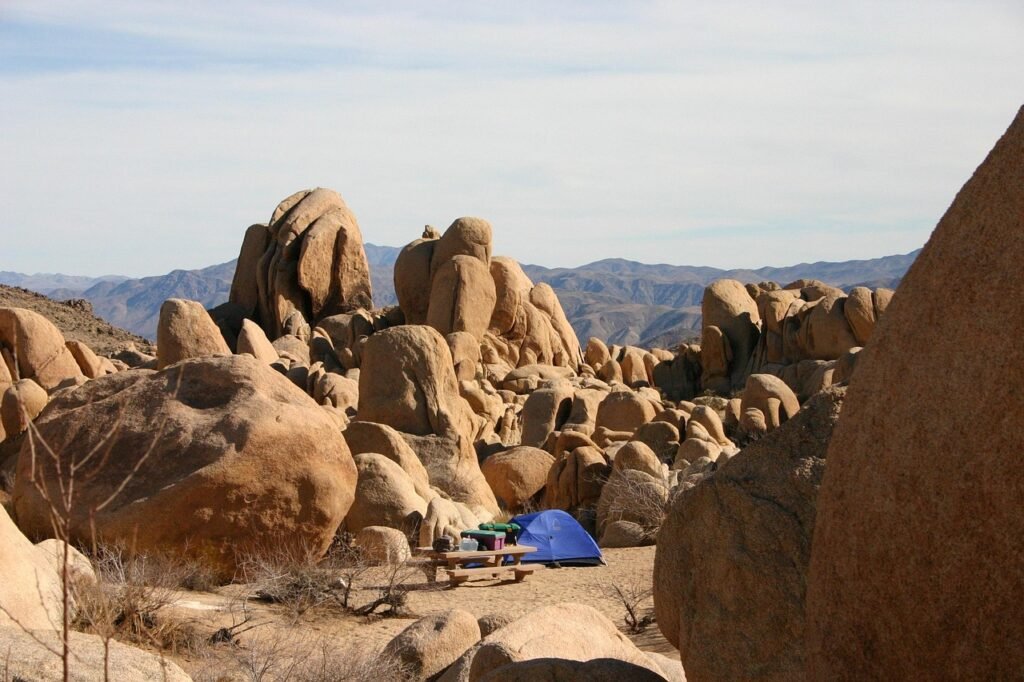
What if the hardest part of a California camping trip isn’t the drive, the gear, or the weather, but simply choosing where to sleep? The state stretches nearly 900 miles from the Oregon line to the Mexican border, and it packs in redwood forests, desert badlands, alpine lakes, and a coastline that seems to go on forever. That range is a gift and a problem. Every campground looks good in a photo, and the ones that look best are often the ones you can’t get into.
This guide sorts through the noise. It covers the places that consistently reward the effort, explains what each one actually asks of you, and flags the mistakes that turn a dream trip into a night in a motel parking lot. Whether you want a drive-up site with a picnic table or a hike-in spot where nobody will find you, there’s a match here.
What Makes a California Campsite Worth the Drive
Three things separate a great camping destination from a mediocre one: access, atmosphere, and how hard it is to book. A campground can be stunning and still be a poor choice if it fills six months out and has no water. It can be easy to reserve and still feel like a parking lot.
The practical filter comes down to a few questions. Does the site match the season? Does it have the facilities you actually need, or the ones you only think you need? And is the reservation system going to work with you or against you?
Most reservable California state park campsites are booked through the state’s central reservation system, and the booking window has historically run up to about six months ahead, though the exact window and fees change, so it’s worth confirming before you plan. National park campgrounds often run on their own rolling schedules, which is why a single trip can require three different calendars.
The Coast: Redwoods, Fog, and Tide Pools
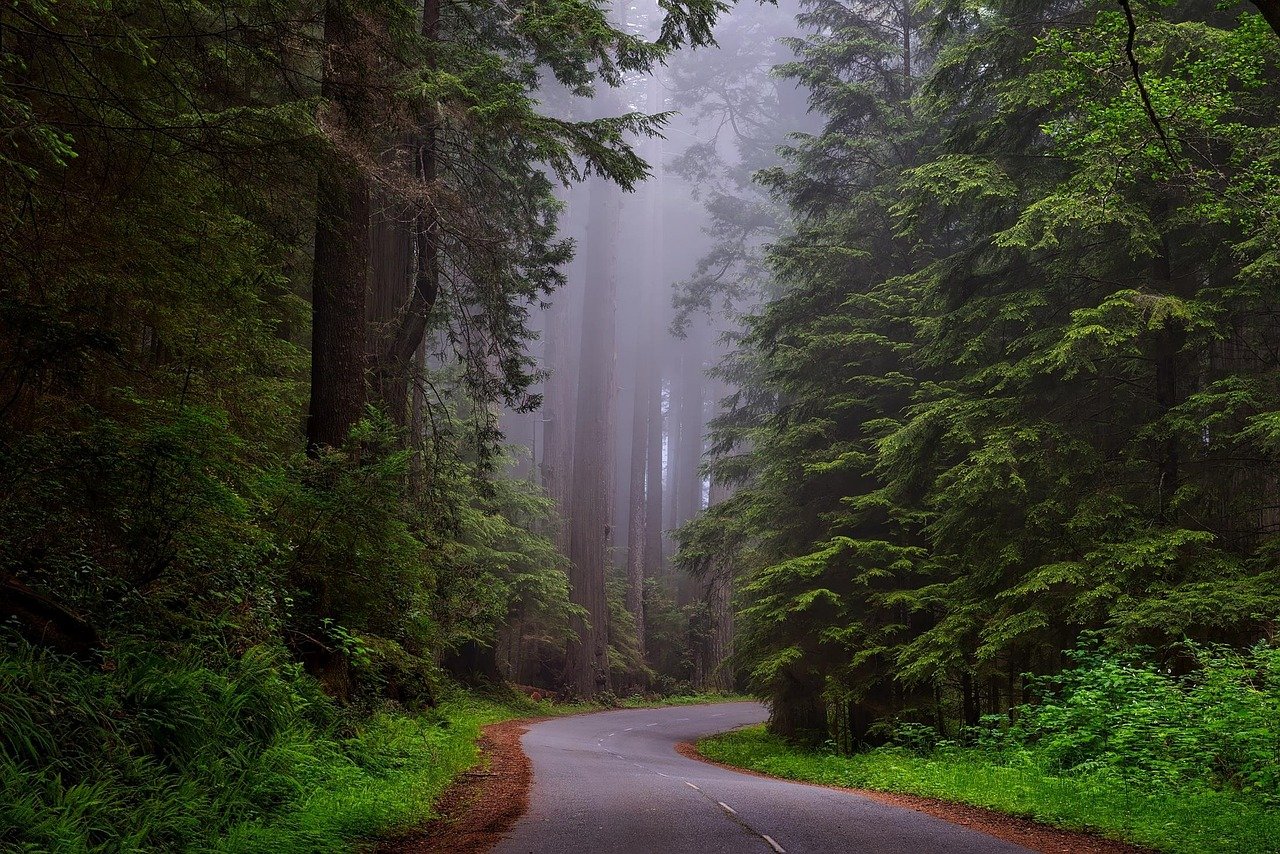
Redwood National and State Parks
The northern coast is where California camping feels most cinematic. Redwood National and State Parks are jointly managed by the National Park Service and California State Parks, and the campgrounds sit among coast redwoods, with fog rolling through the canopy most mornings. Nights are cool year-round, so this is a summer destination that doesn’t feel like summer.
The trade-off is dampness. Expect condensation on everything, and pack a tarp even if the forecast is dry. Campers who show up with cotton sleeping bags and no ground cover usually regret it by 3 a.m.
Big Sur and the Los Padres Backcountry
Big Sur camping splits into two worlds. State park campgrounds such as Pfeiffer Big Sur and Limekiln sit close to the highway and fill fast. U.S. Forest Service sites in Los Padres National Forest offer a rougher, quieter version of the same coastline.
Here’s the mistake almost everyone makes: assuming Highway 1 is open. Landslides close sections of the coast road regularly, and campgrounds close with them. Check road conditions and park pages in the same week you leave, not the month you book. Anyone building a broader coastal itinerary should look at a wider list of best places to visit in california before locking in dates.
Point Reyes National Seashore
Point Reyes is the spot for people who want to earn their campsite. The seashore offers hike-in and boat-in camping, and some sites require permits that are only available in advance. You carry everything in, which keeps the crowds down and the experience sharp. If you want solitude within two hours of San Francisco, this is the answer.
The Desert: Joshua Tree, Death Valley, and Anza-Borrego
Joshua Tree National Park
Joshua Tree is the most photographed camping destination in Southern California, and the popular campgrounds, including Jumbo Rocks and Hidden Valley, fill quickly in spring and fall. There are no car-camping hookups, and water is limited, so campers must bring their own. That single rule trips up more first-timers than anything else.
The park is at its best from October through April. Summer heat is genuinely dangerous, and shade is scarce. Book early, arrive with a full water supply, and plan to stargaze, because the night sky here is the main event.
Death Valley National Park
Death Valley is the largest national park in the contiguous United States, and it offers both primitive and developed campgrounds. Summer heat makes fall through spring the practical camping season. Some campgrounds close seasonally or after flood damage, so verify before you commit.
The desert camping rule that matters most: never assume a site has water, and never assume a road is passable. Flash floods rewrite the map out there.
Anza-Borrego Desert State Park
Anza-Borrego is California’s largest state park, with developed and primitive desert camping. Spring wildflower season is the busiest stretch, and for good reason. Outside that window, the park is quiet, vast, and often empty. Fees and campground names vary by site, so check the specifics rather than trusting an old blog post.
| Destination | Best Season | Reservation Pressure | Water Available |
|---|---|---|---|
| Redwood National and State Parks | Summer | Moderate | Yes at developed sites |
| Big Sur / Los Padres | Spring, fall | High | Varies by site |
| Point Reyes | Spring, fall | High (permits) | Carry in |
| Joshua Tree | Fall to spring | Very high | Bring your own |
| Death Valley | Fall to spring | Moderate | Limited |
| Anza-Borrego | Spring | Moderate to high | Limited |
The Mountains: Yosemite, the Sierra, and Alpine Lakes
Yosemite National Park
Yosemite requires reservations for camping, and in recent years it has also required reservations for park entry during peak periods. Campground reservations open on a rolling schedule, historically about five months ahead for many campgrounds. Entry-reservation policies have shifted year to year, so check the current rules before you plan anything.
The classic error is booking a campsite and assuming that covers park entry, or the reverse. They are separate systems. Treat them as two tasks on the same day.
The Eastern Sierra and Alpine Lakes
The Eastern Sierra rewards campers who don’t need a famous name on the sign. Dispersed camping on national forest land is common here, and the lakes along the June Lake Loop and around Mammoth give you cold, clear water and thin air. Nights get genuinely cold even in July, so a three-season bag is the minimum.
If you’re planning a summer trip and want to compare options across the season, this roundup of the best places to visit in July covers mountain and coastal picks that pair well with a tent.
Booking Smart: What Actually Works
Reservation systems are where most camping plans die. A few habits separate people who camp from people who talk about camping.
- Know which agency runs the land. National parks, California State Parks, and the U.S. Forest Service each use different booking systems and different windows.
- Set a reminder for the exact release minute, not the day. Popular sites vanish in seconds.
- Have three backup campgrounds ready, in the same region, before you start booking.
- Check for cancellations a week or two out. People drop reservations constantly.
- Confirm current fire restrictions before you pack firewood. Campfire bans are common across California public lands during high fire danger.
- Read the fine print on site length and vehicle limits. A site that fits a tent may not fit your truck.
For anyone considering a wellness-focused trip instead of a tent, it’s worth understanding how different the booking and vetting process is, which is why a California weight loss spa check before you book is a useful comparison for how carefully health-oriented stays should be researched.
Leave No Trace: The Rule That Keeps Places Worth Visiting
Every destination on this list depends on campers behaving better than they have to. The standard guidance for minimizing impact on public lands comes down to seven principles: plan ahead, camp on durable surfaces, dispose of waste properly, leave what you find, minimize campfire impacts, respect wildlife, and be considerate of others.
In practice, the failures are predictable. Food left out attracts animals that later get euthanized. Soap in alpine lakes pollutes water that people downstream drink. Campfires built in dry grass start the wildfires that close entire forests.
The desert version is stricter. Pack out all waste, including the uncomfortable kind. Bring more water than you think you need. And never assume a ranger will be nearby to bail you out.
Seasonal Timing: When Each Region Peaks
California camping is less about where and more about when. The coast is best in late spring and early fall, when fog is thinner and crowds are smaller. The deserts peak from October through April and become genuinely hazardous in summer. The high Sierra opens in July and closes with the first real snow, usually in October.
Winter camping is viable in Southern California and along parts of the coast, and it’s quietly one of the best-kept secrets in the state. If you want to explore that window, this guide to the best places to visit in December covers cold-weather and sun destinations that work with a tent. Holiday travelers planning around school breaks should also check the best places to visit for christmas for ideas on where crowds concentrate.
For a broader view of destinations across the state, including trip-planning context for each region, the California travel archive is a useful starting point, and this guide to top California destinations helps frame a multi-stop route.
Common Mistakes That Ruin California Camping Trips
The same handful of errors show up again and again. Campers arrive at Joshua Tree without water. They book Yosemite camping and forget the entry reservation. They plan a Big Sur trip without checking whether Highway 1 is open. They build a fire during a ban. They underestimate how cold the desert gets at night, which is often below freezing in winter and surprisingly chilly even in spring.
The fix is unglamorous: verify, then verify again. Check the specific park’s page in the week before you leave. Confirm fire restrictions. Confirm road access. Confirm that your reservation actually covers the nights you think it does. Fifteen minutes of checking prevents most camping disasters.
Conclusion
The best places to camp in California aren’t the ones with the most dramatic photos. They’re the ones that match your season, your tolerance for planning, and your willingness to carry what you need. Redwood National and State Parks deliver atmosphere and cool air. Joshua Tree and Death Valley deliver night skies and hard-won quiet, provided you bring water and respect the heat. Yosemite and the Eastern Sierra reward anyone who treats reservations as a serious logistical project. Point Reyes and the Big Sur backcountry give you solitude if you’re willing to walk for it.
Pick one region, learn its rules, book early, and show up prepared. California will handle the rest.
FAQ
What is the best time of year to camp in California?
It depends entirely on the region. Deserts like Joshua Tree, Death Valley, and Anza-Borrego are best from October through April, when heat is manageable. The high Sierra and Yosemite peak from July through September. The coast, including Redwood National and State Parks and Big Sur, works well in late spring and early fall, when fog is lighter and crowds thin out. Winter camping is realistic in Southern California and parts of the coast.
Do you need reservations to camp in California?
For most developed campgrounds, yes. California State Parks book through a central reservation system, and national park campgrounds run on their own rolling schedules. Yosemite has required camping reservations and, in recent years, park entry reservations during peak periods. Popular desert campgrounds like Jumbo Rocks and Hidden Valley in Joshua Tree fill quickly in spring and fall. Some hike-in and boat-in sites, such as those at Point Reyes, require advance permits only.
How far in advance should you book a California campsite?
Booking windows vary by agency. California State Parks have historically opened reservations up to about six months ahead, while many Yosemite campgrounds release sites roughly five months out. Because these windows and fees change, confirm the current rules before planning. Popular sites disappear within seconds of release, so set a reminder for the exact minute and have backup campgrounds ready.
Can you camp for free in California?
Free camping exists mainly on national forest and Bureau of Land Management land, often as dispersed camping with no facilities, no water, and no toilets. Developed campgrounds in state and national parks charge fees that vary by site type and agency. Free sites come with stricter expectations: pack out all waste, follow fire restrictions, and never camp somewhere a sign prohibits it.
What should you bring to a desert campground in California?
Water first, and more than you think. Joshua Tree has no car-camping hookups and limited water, so campers must bring their own supply. Bring shade, a wide-brimmed hat, layers for cold nights, and a stove instead of relying on a campfire, since fire bans are common. Carry out all waste, including human waste, and download maps before you lose signal.
Are campfires allowed at California campgrounds?
Often, but not always. Campfire and fire restrictions vary by park and season, and during high fire danger, bans are common across California public lands. Always check the specific park’s current fire status in the days before your trip, and never build a fire in dry grass or during a ban. A camp stove is the safer, more reliable choice for cooking.














