

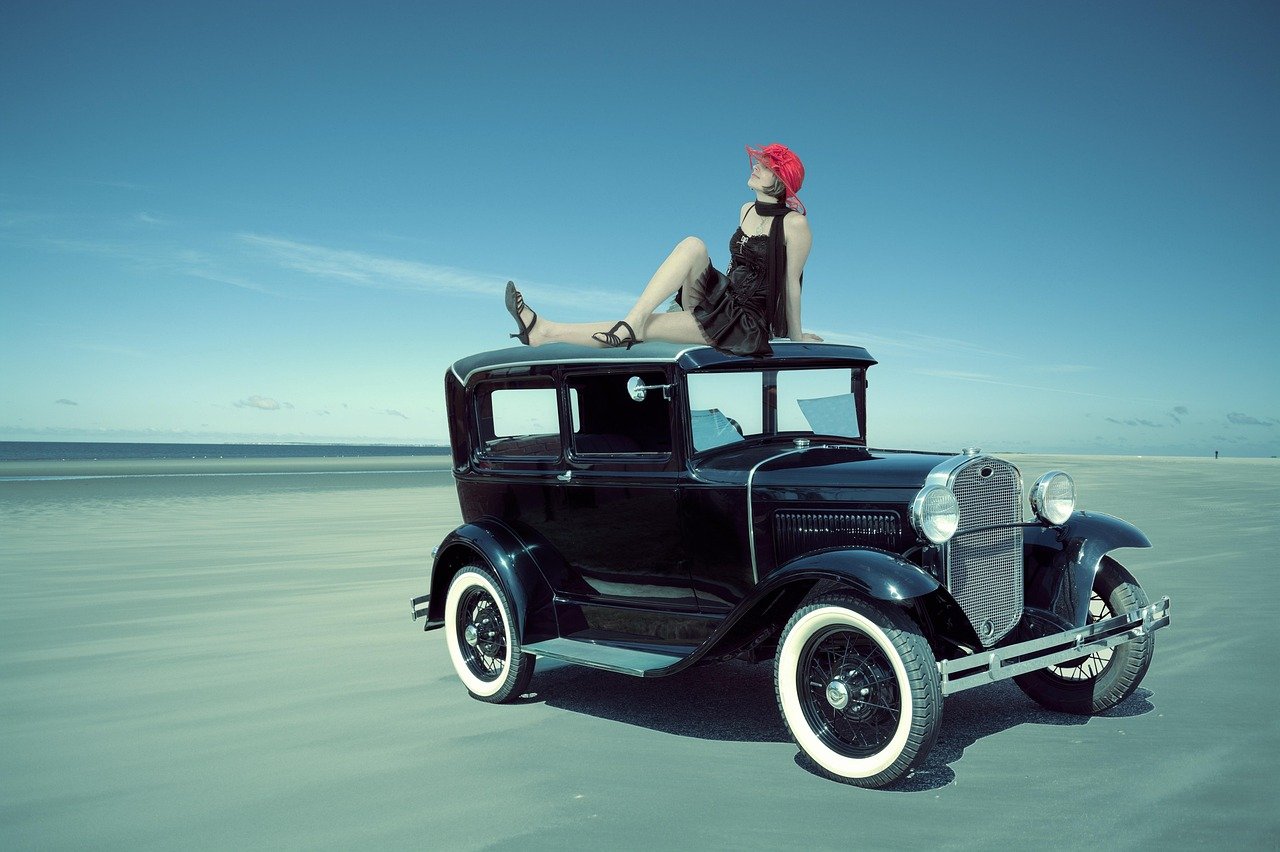
What if a single decade could rewrite the rules of how women dress? That’s exactly what happened in the 1920s. In less than ten years, women traded corsets for loose dresses, long hair for bobs, and floor-length skirts for hemlines that stopped just below the knee. The changes were so dramatic that fashion historians still treat the era as a turning point.
But the story is messier than the popular image suggests. Not every woman was a flapper, and not every trend reached every town. Here’s what actually happened, what women wore, and why it still matters for anyone following fashion trends 2026 today.
Why 1920s Fashion Changed So Fast
Several forces pushed at once. After World War I, women had worked in factories, earned wages, and gained political ground. Many did not want to return to restrictive clothing. At the same time, cheaper fabrics, sewing machines, department stores, and mail-order catalogues made fashionable styles available to middle- and working-class women as well as wealthy women.
The result was a decade where fashion moved faster than ever before. Paris designers set the tone, but mass production carried it to Main Street. A young woman in a small town might not own a couture dress, but she could buy a pattern, a ready-made cloche hat, and a pair of silk stockings that looked close enough.
The End of the Corset
The most important shift wasn’t a garment. It was the disappearance of the corset from everyday wear. Instead of cinching the waist, the new silhouette flattened the bust and hips, creating a straight, boyish line. Undergarments became simpler and lighter. For many women, this was the first time in their adult lives that getting dressed didn’t require assistance.
The Flapper Silhouette: Straight, Dropped, and Knee-Length
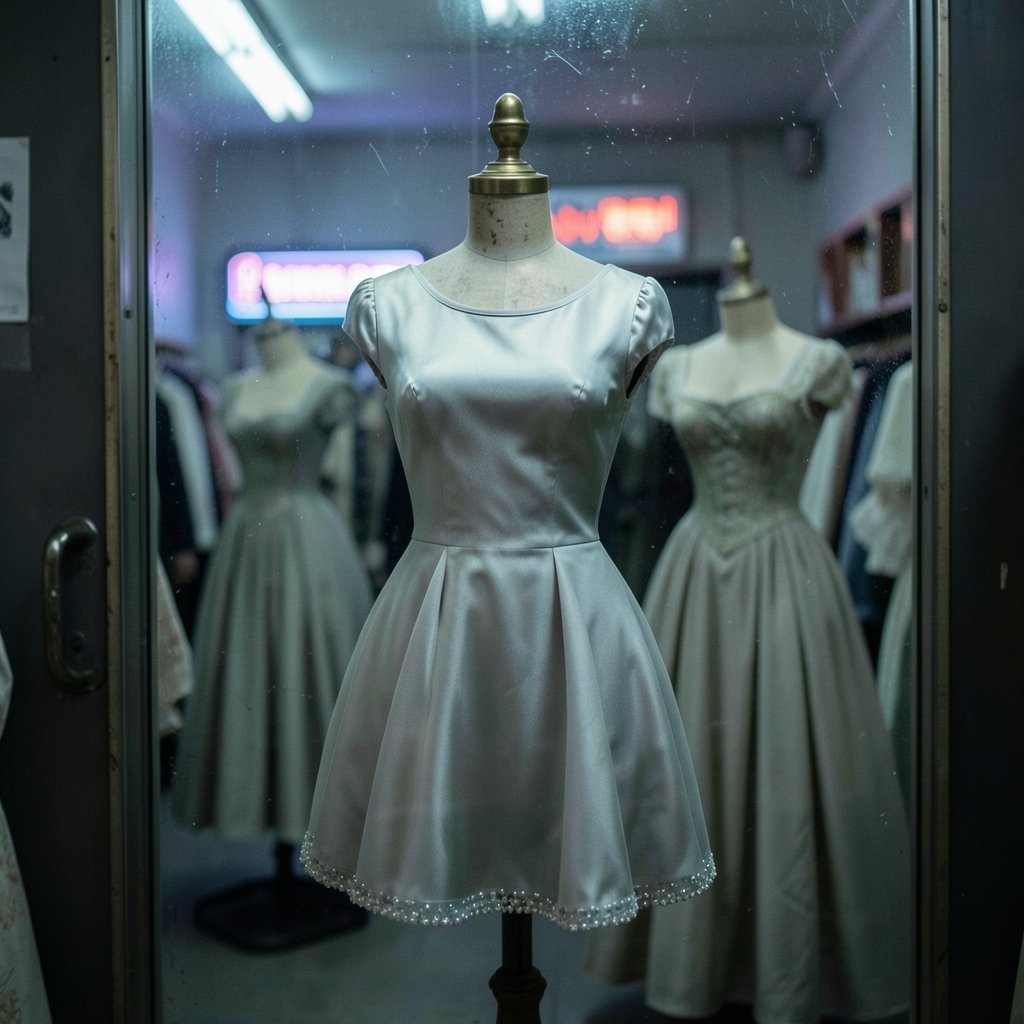
Around 1926 to 1928, Paris designers including Jean Patou and Coco Chanel popularized a straight, dropped-waist, knee-length dress that deliberately flattened the bust and hips. This was a sharp break from the corseted, long-skirted Edwardian shape that had dominated before the war.
The key features of the look:
- Dropped waist: the seam sat at the hip, not the natural waist
- Straight cut: minimal shaping through the torso
- Short hem: just below the knee by the mid-1920s
- Light fabrics: silk, rayon, chiffon, and jersey for daywear
Hemlines tell the story of the decade on their own. Skirts climbed from ankle length in about 1919 to just below the knee by 1925 to 1927, then dropped again slightly toward 1930. That rise and fall is one reason dating a 1920s photograph can be tricky.
The Garçonne Look
The boyish, flat-chested, short-haired style was named after Victor Margueritte’s 1922 novel La Garçonne. The book was controversial and was banned in some places, which of course made the look even more appealing to young women. The garçonne style wasn’t just about clothes. It was about a whole attitude: independent, athletic, and uninterested in waiting for permission.
Coco Chanel and the Rise of Practical Luxury
Chanel’s jersey daywear and her little black dress helped make simple, practical, less restrictive clothing respectable. The little black dress is usually dated to 1926, when Vogue published it. Before that, black was largely reserved for mourning. Afterward, it became the default answer to “what do I wear?”
This is also the decade when the idea of Italian luxury fashion and Parisian couture began to influence everyday wardrobes through copies and adaptations rather than originals. Designers became names. Ready-to-wear became a real industry.
Hats, Hair, and the Accessories That Defined the Decade
The Cloche Hat
Close-fitting bell-shaped hats, worn pulled low over the forehead, were the defining hat of the decade, roughly 1922 to 1929. The cloche changed how women moved. You couldn’t easily look up while wearing one, which is why so many 1920s photographs show women peering out from under a brim. It also demanded short hair, which brings us to the next big change.
The Bob Haircut
Short bobbed hair became fashionable from about 1920 and was widely adopted by 1925 to 1927. The shingle and the Eton crop were later, shorter variants. Hairdressers suddenly had a booming business. Some schools and employers objected, and a few women reportedly kept their long hair pinned up in public and cut it only in private. The bob was practical, but it was also a statement.
Shoes, Stockings, and Jewellery
Accessories did heavy lifting in a decade of simple dresses:
| Accessory | What It Looked Like | Why It Mattered |
|---|---|---|
| T-bar and Mary Jane shoes | Low heel, strap across the instep | Practical for dancing and walking |
| Silk and rayon stockings | Sheer, often with a seam up the back | Replaced heavy wool stockings |
| Long pearl strands | Worn knotted or doubled | Added movement to a plain dress |
| Art Deco jewellery | Geometric, colourful, often glass | Matched the era’s design language |
| Small clutch bags | Flat, handheld | Fitted the slim silhouette |
Sportswear and Daywear: Where the Real Revolution Happened
Tennis, golf, swimming, and motoring encouraged looser, shorter, more practical clothes. Knitted swimsuits and sportswear became mainstream. This is arguably the most underrated part of 1920s fashion. The flapper dress gets the attention, but the everyday knit cardigan, the pleated skirt, and the bathing suit changed more lives.
Think about what a woman wore to swim in 1915 versus 1925. The difference is enormous. Bathing suits went from heavy wool dresses to fitted knitted one-pieces. Tennis players wore loose dresses with visible legs. Golfers wore pleated skirts. Each of these outfits quietly made the case that women’s bodies were for moving rather than display.
If you want to see how illustrators captured that sense of motion, the work of Angelica Hicks, whose fashion illustrations turn runway moments into drawings, shows how a single line can suggest movement and attitude, a skill 1920s illustrators had in abundance.
Evening Wear: The Decade Wasn’t Uniform
Here’s where the popular story gets simplified. Jeanne Lanvin’s wide-skirted robe de style competed directly with the slim flapper dress throughout the 1920s. Some women wanted to look like a boy. Others wanted to look like a princess. Both were fashionable.
Evening dresses often featured:
- Beading and sequins that caught light in dance halls
- Fringed hems that swayed with movement
- Deep back necklines balanced by higher fronts
- Satin and velvet in jewel tones
The dance floor drove design. The Charleston and the shimmy required freedom of movement, and dresses were cut to deliver it.
Who Actually Wore the Flapper Look?
This is the question historians keep debating. The flapper image was most common among young, urban, and relatively affluent women. Historians disagree on how widely it spread to rural and working-class women. Exact dates for trends vary by source, and “1920s” fashion is often loosely dated to about 1920 to 1929.
What we can say with confidence:
- City women adopted it first. Department stores, cinemas, and dance halls spread the look quickly in urban areas.
- Cost mattered. A genuine beaded silk dress was expensive. Many women sewed copies or bought cheaper ready-made versions.
- Age mattered. Older women often kept longer skirts and more structured shapes well into the decade.
- Region mattered. Rural communities saw new styles later, if at all.
- The image outlived the reality. The flapper became a shorthand for the whole decade, even though not every woman lived it.
Practical takeaway for anyone studying this era: don’t treat one photograph as representative. Look at many, from different places and price points.
Common Mistakes People Make About 1920s Fashion
If you’re researching, sewing, or styling a 1920s look, these are the traps that trip people up most often.
- Assuming everything was fringe and sequins. Daywear was plain, often wool or cotton, and quite modest.
- Forgetting the dropped waist. A dress with a natural waist and a short hem reads as 1950s, not 1920s.
- Ignoring the hat. The cloche is one of the strongest signals of the decade. Skip it and the look weakens.
- Overlooking menswear details. Collars, ties, and tailored jackets were part of the garçonne look.
- Using modern makeup. The 1920s look was a small, defined mouth and dark, dramatic eyes, not a natural glow.
- Dating by hemline alone. Hemlines rose and fell within the decade, so a short skirt alone doesn’t pin down a year.
Why 1920s Fashion Still Shows Up Today
Designers return to the 1920s constantly because the decade solved a problem that never goes away: how to look elegant while staying comfortable. Dropped waists, beading, and cloche-inspired hats reappear on runways regularly. The straight silhouette has influenced everything from 1960s mod dresses to modern slip dresses.
It’s also a useful reference point for anyone thinking about 2026 fashion trends women buy, skip, and actually wear. The 1920s taught the same lesson we’re relearning now: the pieces that last are the ones that let you move. A beaded dress is beautiful, but the knit cardigan and the pleated skirt did more for daily life.
For a wider look at how the decade’s ideas echo forward, the 2026 fashion trends guide traces which silhouettes keep returning and why. You can also browse more on women’s fashion 2026 and 2026 fashion trends for women to see the through-lines.
How to Build a 1920s Look That Actually Works
Whether you’re dressing for a themed party or just curious, here’s a practical approach that avoids costume-shop clichés.
- Start with the silhouette. Choose a dress with a dropped waist and a straight cut. Fit matters more than decoration.
- Pick the right length. Just below the knee is the safest bet for mid-decade accuracy.
- Add a cloche or a headband. Either one instantly signals the era.
- Keep jewellery long and simple. A single strand of pearls or a geometric pendant beats a pile of accessories.
- Choose low-heeled shoes with a strap. Comfort and accuracy align here.
- Style the hair short or pinned close. If you have long hair, a faux bob works well.
- Keep makeup focused. Dark eyes, small defined lips.
The most common mistake is over-accessorizing. Real 1920s daywear was restrained. Save the drama for evening.
Conclusion
1920s fashion for women wasn’t one look. It was a decade-long argument about what women could wear, do, and be, and the clothes reflected that argument in real time. The corset disappeared. Hemlines rose and fell. Hair got short. Hats got tight. Sportswear became normal. And a plain black dress became a wardrobe staple that never left.
The flapper is the symbol, but the deeper change was practical: clothing that let women move. That’s the part worth remembering, and the part designers keep returning to a century later.
Frequently Asked Questions
What was the most iconic 1920s women’s fashion item?
The dropped-waist, knee-length flapper dress is the most recognized piece, especially in its beaded and fringed evening form. The cloche hat and the bob haircut are close behind as symbols of the decade.
When did hemlines rise in the 1920s?
Skirts climbed from ankle length around 1919 to just below the knee by roughly 1925 to 1927, then dropped slightly again toward 1930. Because the change happened gradually, dating an outfit by hemline alone is unreliable.
Did all women dress like flappers in the 1920s?
No. The flapper image was most common among young, urban, relatively affluent women. Historians disagree on how widely it spread to rural and working-class women, and many older women kept longer skirts and more structured clothing well into the decade.
Who were the key designers of 1920s women’s fashion?
Coco Chanel and Jean Patou are most associated with the straight, dropped-waist silhouette. Jeanne Lanvin offered a competing wide-skirted robe de style, which shows the decade had more than one fashionable shape.
Why did women cut their hair short in the 1920s?
The bob became fashionable from about 1920 and was widely adopted by 1925 to 1927. It suited the close-fitting cloche hat, was easier to manage, and signalled a modern, independent attitude. Later variants included the shingle and the Eton crop.
How did 1920s fashion become available to ordinary women?
Cheaper fabrics, sewing machines, department stores, and mail-order catalogues made fashionable styles accessible beyond the wealthy. Mass production and ready-to-wear meant a middle- or working-class woman could buy or sew a version of a Paris trend rather than only admire it.














