

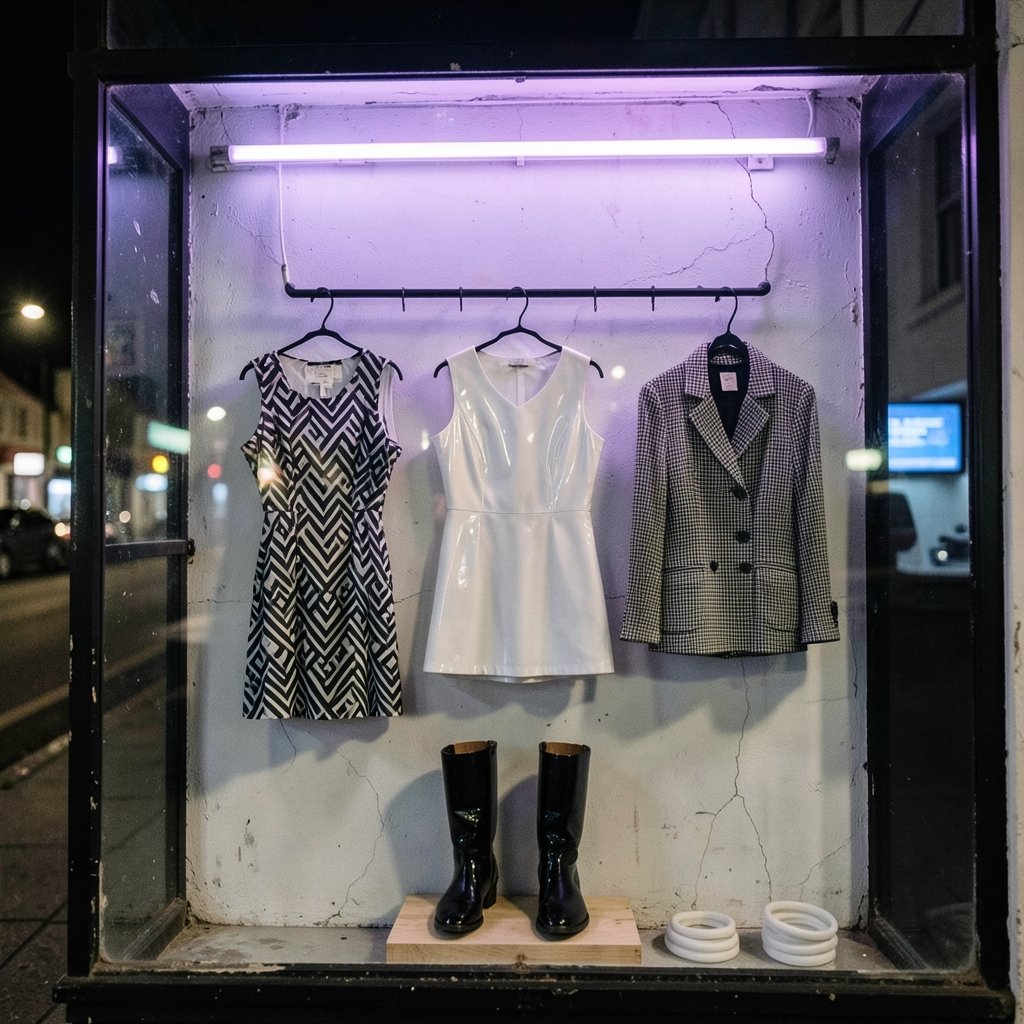
What happens when a generation decides the clothes their parents wore are not worth inheriting? That question runs through 1960s fashion. In ten years, hemlines rose, silhouettes turned geometric, and the teenager became the customer who mattered most in the shop. Fashion stopped trickling down from couture houses to the masses and began moving sideways—street to boutique to magazine and back. The decade changed what people wore. It also changed who got to decide.
A Decade That Belonged to the Young
By the early 1960s, a new market had taken shape. Teenagers and young adults had their own money and their own tastes, and they were no longer interested in dressing like smaller versions of their parents. This was the youthquake, a term coined later to describe the cultural tremor caused by young people setting the agenda.
The shift mattered because it broke a long-standing pattern. Before this point, most fashion moved downward from elite designers to ordinary shoppers. In the 1960s, that flow reversed. A look spotted on a London street on Saturday could be copied and sold in a boutique within weeks. Cheap, fast-changing clothing became a badge of belonging rather than a compromise.
Swinging London and the Boutique Boom
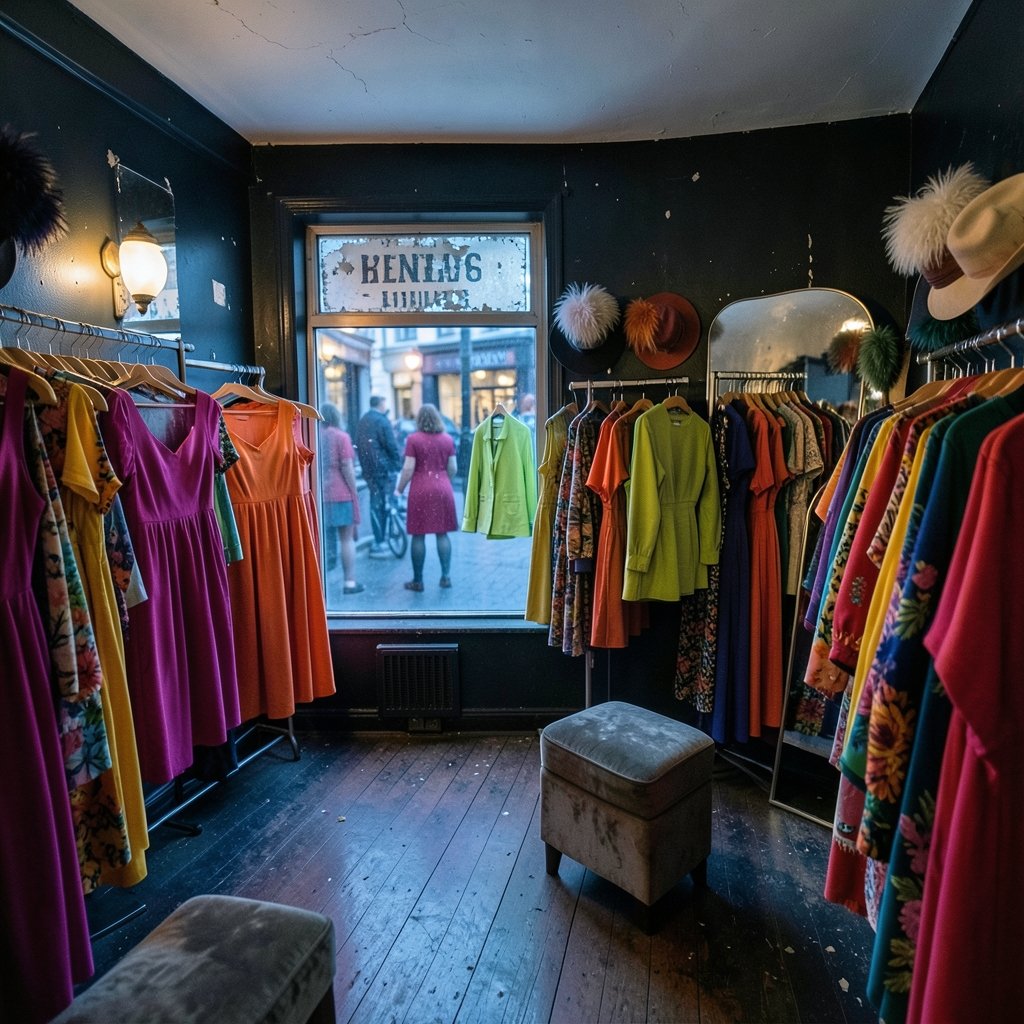
London became the decade’s fashion capital for the young, and the phrase Swinging London gained currency around 1965 and 1966. The action clustered around Carnaby Street and the King’s Road in Chelsea, where independent shops sold clothes designed for dancing, not for sitting politely.
Mary Quant opened her boutique Bazaar on the King’s Road in 1955, years before the decade’s style exploded. What she built there helped launch the boutique model: small runs, quick turnover, reasonable prices, and a clear point of view. Biba opened in London in 1964 and pushed the idea further, turning shopping into an experience with moody interiors and affordable pieces that sold out fast.
This boutique culture is one reason the decade still fascinates designers. It was fashion made by young people for young people, with no committee approving the hemline. Anyone curious about how that energy shapes today’s runway storytelling might enjoy this piece on how Angelica Hicks turns runway moments into something closer to a conversation than a sales pitch.
The Miniskirt and the Battle Over Hemlines
No garment defines the decade more than the miniskirt. The general credit goes to Mary Quant and the French designer André Courrèges, with the style emerging around 1964 to 1965. Fashion historians still argue over who got there first, and the honest answer is that the exact originator is disputed. What is not disputed is the result: hemlines rose dramatically, and the change stuck.
The miniskirt worked because it was practical for a generation that was moving. It suited dancing, cycling, and the general impatience of youth. It also made older commentators furious, which only increased its appeal. By the late 1960s, designers were showing both very short skirts and, in a twist nobody saw coming, ankle-sweeping maxi lengths.
Space Age Fashion and the Future Look
While London went short, Paris looked upward. Courrèges presented his Moon Girl collection in 1964, full of white and silver, clean geometry, and a distinctly futuristic mood. Paco Rabanne began creating dresses from metal and plastic from 1966 onward, garments that looked like they had been assembled in a workshop rather than sewn in an atelier.
New materials made this possible. Synthetic fibres such as PVC, acrylic, and polyester became far more common in clothing during the 1960s, supporting both the Space Age aesthetic and the mass market’s appetite for cheap, bright, washable clothes. The result was a decade that could look simultaneously retro-futuristic and cheerfully disposable.
Mod Style and the Sharp Suit
The Mod subculture peaked in Britain around 1963 to 1966, and its uniform was almost architectural. Slim suits with narrow lapels, button-down shirts, pointed shoes, and the ubiquitous parka worn over everything. Scooters carried Mods from club to club, and the look was as much about precision as rebellion.
Mod style matters because it showed how quickly a subculture could become mainstream. What started in clubs was soon on high streets and in magazines. That pattern, subculture to shop floor in months rather than years, became a template that later movements copied. It is the same acceleration visible in the story of how 2010s fashion athleisure streetwear Instagram rewrote the rules, when social platforms compressed the cycle even further.
Psychedelia, Hippies, and the Counterculture Turn
From roughly 1966 and 1967, the mood shifted. Psychedelic prints, bell-bottoms, flowing shapes, and ethnic influences spread through the counterculture, with 1967’s Summer of Love as a cultural marker. Clothes became looser, more decorative, and more personal. Handmade and secondhand dressing gained credibility as a political statement.
The decade now contained two competing wardrobes. On one side, the crisp, futuristic Mod look. On the other, the soft, swirling, anti-fashion of the hippie movement. Many people wore bits of both, which is exactly how real fashion behaves.
The US Picture: Preppy, Unisex, and Anti-Fashion
Across the Atlantic, the story ran on a different track. The 1960s in the United States saw the rise of the preppy look, and later the spread of anti-fashion and unisex styles. The civil rights movement and the counterculture both influenced how people dressed, sometimes deliberately and sometimes simply because the times demanded comfort and solidarity.
Unisex clothing was a genuinely radical idea at the time. Jackets, shirts, and trousers cut to work on any body challenged assumptions that had gone unquestioned for generations. It was not a total revolution in retail, but it cracked a door that stayed open.
Edwardian Revivals and the Long Goodbye
By 1968 to 1970, a strange nostalgia crept in. A revival of Edwardian styles appeared, with high collars, lace, and romantic detailing, sitting alongside the still-popular miniskirt. Maxi lengths became a genuine option rather than a novelty. Fashion was already looking backward while sprinting forward, a habit it has never lost.
If that sounds familiar, it should. Revival cycles are now the industry’s default setting, and each season reworks the past with new materials. Anyone tracking how those references resurface will find the 2026 fashion trends guide useful for spotting which 1960s ideas are being pulled forward again.
What the 1960s Actually Changed
Strip away the nostalgia and a few structural shifts stand out. The table below sets the decade against what came before it.
| Element | Before the 1960s | During the 1960s |
|---|---|---|
| Who set trends | Couture houses and adult taste | Teenagers, boutiques, street style |
| Hemlines | Fixed and modest | Short, then short and maxi together |
| Materials | Natural fibres dominant | Synthetics like PVC and polyester expand |
| Shopping | Department stores | Independent boutiques with fast turnover |
| Meaning of dress | Social position | Identity and generational loyalty |
The most durable change was the last one. Clothing became a way to say who you were rather than what you could afford. That idea has never gone away, and it explains why the decade keeps returning to runways. The appetite for Italian luxury fashion today still leans on 1960s playfulness, just executed with better fabrics and higher price tags.
Practical Tips for Wearing 1960s Style Today
Getting the look right is less about costume and more about proportion. A few things that work in practice:
- Pick one era signal, not five. A geometric shift dress on its own reads modern. Add white boots, a headband, and winged liner and you have drifted into fancy dress.
- Get the hemline right for your life. Miniskirts photograph well but demand confidence in movement. A late-decade maxi with a 1960s print is far easier to wear daily.
- Choose fabrics deliberately. Original Space Age synthetics can be stiff and sweaty. Modern reproductions in cotton blends keep the graphic shape without the discomfort.
- Buy vintage with measurements, not labels. Vintage sizing runs small and inconsistent. Measure a garment you already own and compare numbers, never the tag.
- Keep accessories simple. Block heels, a structured bag, and a bold earring do more than a full matching set.
The most common mistake is treating the decade as a single look. It was at least four looks, and mixing a Mod jacket with a psychedelic scarf usually reads as confusion rather than cleverness. The second common mistake is buying vintage synthetics sight unseen. Metal and plastic dresses from the period are collector pieces now, often fragile at the seams, and not built for a long dinner.
Why the Decade Still Sets the Pace
The 1960s gave fashion its modern rhythm: fast, young, visual, and always ready to quote itself. Every time a designer sends a short skirt down a runway or puts a graphic print on a simple shift, the debt is obvious. The decade proved that clothes could be fun without being frivolous and political without being grim.
It also left a useful lesson for anyone shopping today. When the industry moves quickly, the pieces that survive are the ones with a clear idea behind them. A well-cut coat or a sharp little dress outlasts a trend cycle. That principle shows up whenever people ask which 2026 fashion trends female shoppers should actually invest in, and the answer usually sounds suspiciously 1960s: buy the shape, not the gimmick.
Conclusion
The 1960s did not invent youth culture, but it handed youth culture the keys to the wardrobe and never asked for them back. Between Quant’s King’s Road boutique, Courrèges’ Moon Girls, Mod sharpness, and psychedelic looseness, the decade produced a set of visual ideas so strong that designers still borrow from them every season. The real legacy is not a hemline or a print. It is the assumption that fashion belongs to the person wearing it, and that assumption has held for more than sixty years.
Frequently Asked Questions
Who invented the miniskirt?
The credit is generally shared between Mary Quant in London and André Courrèges in Paris, with the style emerging around 1964 to 1965. Fashion historians still disagree about who came first, and the dispute has never been settled. What is clear is that both designers helped make short hemlines a mainstream reality rather than a curiosity.
What was Swinging London?
Swinging London was a term that gained currency around 1965 and 1966 to describe the city’s youth-driven fashion and music scene. It centred on areas like Carnaby Street and the King’s Road in Chelsea, where independent boutiques sold affordable, fast-changing clothes aimed squarely at young buyers.
What is the difference between Mod and hippie fashion?
Mod fashion was sharp and tailored, built on slim suits, narrow lapels, and parkas, and it peaked in Britain around 1963 to 1966. Hippie fashion arrived later, from about 1966 to 1967, and favoured loose shapes, psychedelic prints, bell-bottoms, and ethnic influences. One looked futuristic and precise, the other soft and expressive.
Why did synthetic fabrics become popular in the 1960s?
Synthetic fibres such as PVC, acrylic, and polyester became much more common in clothing during the decade. They were cheap, bright, easy to clean, and could hold rigid sculptural shapes that natural fibres struggled with. That made them ideal for both Space Age designs and mass-market youth clothing.
Did 1960s fashion really change how people shopped?
Yes. Independent boutiques with small runs and quick turnover replaced department stores as the place to find new looks for many young shoppers. Biba, which opened in London in 1964, is a good example of how shopping became an experience built around atmosphere and constant novelty.
How can someone wear 1960s style without looking like they are in costume?
Choose one strong era detail and keep everything else modern. A geometric dress with plain shoes works; the same dress with white boots, a headband, and heavy eyeliner does not. Pay attention to fit and fabric, and if buying vintage, rely on measurements rather than the size on the label.














