

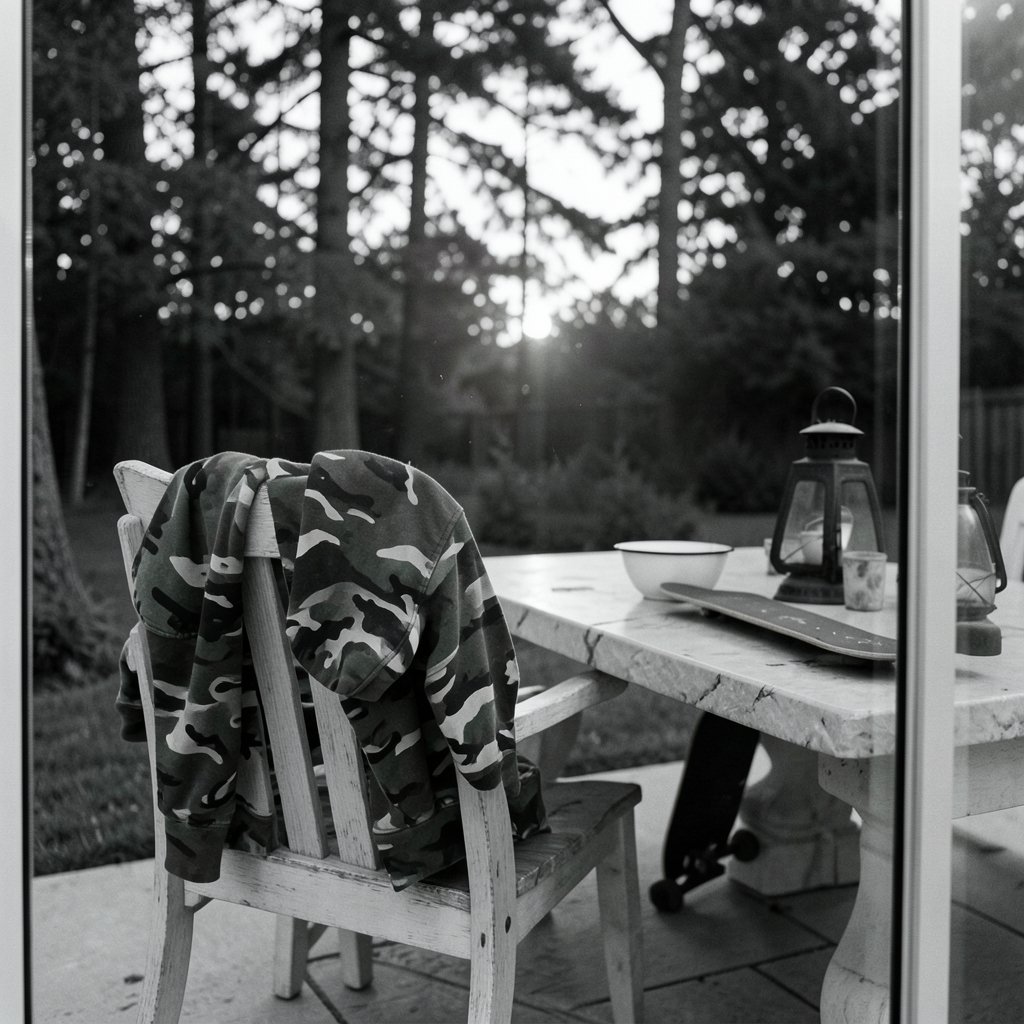
What do you get when you cross a garment born in a 1930s warehouse with a print designed to hide soldiers in a forest? The camo hoodie, one of the strangest and most durable mashups in modern clothing. It is a piece that was never meant to be fashionable in the way it is now, and yet it shows up everywhere: on skate decks, at festivals, in school hallways, on runways, and on people who have never held a rifle. How did a hooded sweatshirt in a military print become a wardrobe staple that refuses to go out of style?
The answer involves a hoodie made for cold warehouse workers, a camouflage pattern developed for jungle warfare, and a few decades of cultural borrowing in between. Understanding that trail helps you buy better, wear better, and avoid the mistakes that make a camo hoodie look like a costume instead of a choice.
Two Histories in One Garment
A camo hoodie is not a standardized product. No official body defines what counts as one. In plain terms, it is a hooded sweatshirt that has been printed, dyed, or sewn with a camouflage pattern. That simplicity hides a lot of variety, because the two halves of the garment come from completely different worlds.
The hooded sweatshirt itself is a working-class invention. Champion introduced the hooded sweatshirt in the 1930s for warehouse workers in cold climates, and its rise from there is a story of function turning into culture. It was cheap, warm, and easy to layer.
Camouflage has its own timeline. Modern military camouflage traces to the early 20th century, when the French formed a camouflage unit in 1915. The four-color ERDL woodland pattern was developed in 1948, and a later woodland design derived from it entered U.S. service in the early 1980s. Those dates matter for one practical reason: the print most people picture when they say “camo” is a specific military design from the 1980s, not a vague camouflage idea.
How Camo Moved From Battlefield to Street
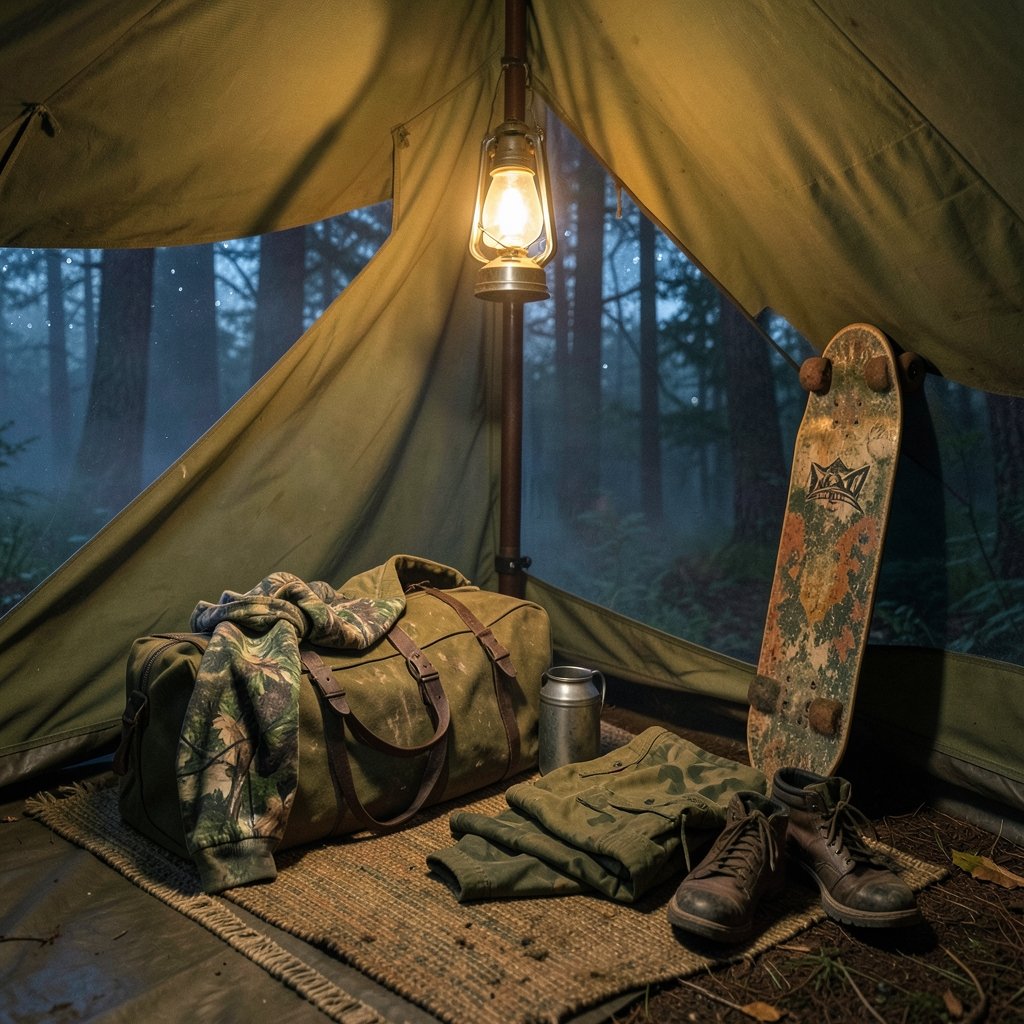
Camouflage did not become streetwear by accident. It moved through military surplus first. Surplus jackets, trousers, and field gear were cheap, durable, and widely available, which made them practical clothing for people who did not care about fashion rules. By the 1990s, camo prints were common on hoodies and other casualwear, carried along by hip-hop and streetwear culture.
That migration is worth understanding because it explains why a camo hoodie reads the way it does. It carries a faint military signal, but the signal has been softened by decades of civilian use. The result is a print that can look rugged, playful, ironic, or quietly stylish depending on how it is worn.
There is also a practical reason camo works as a print on a hoodie. A camouflage pattern breaks up large blocks of color, which means stains, wrinkles, and the slight unevenness of a soft fleece fabric are far less obvious than they would be on solid black or white. Anyone who has owned a plain white hoodie knows how quickly it starts to look tired. A camo hoodie hides that wear. It is one of the few prints that gets away with being both loud and forgiving.
Reading the Pattern: A Quick Reference
Not all camo is the same, and the differences matter more than most shoppers expect. Here is a practical comparison of the patterns you are most likely to encounter.
| Pattern | Look | Best for | Watch out for |
|---|---|---|---|
| Woodland | Green, brown, black, tan blotches | Classic streetwear, outdoor wear | Can look like actual military surplus if styled carelessly |
| Digital or pixel camo | Blocky, computer-generated shapes | Modern streetwear, techwear | Busy on small screens and in photos |
| Desert camo | Sand, tan, light brown | Warm-weather outfits, neutral palettes | Washes out pale skin tones in flat light |
| Tiger stripe | Diagonal stripes, high contrast | Statement pieces | Very loud; hard to pair with patterned bottoms |
| Snow camo | White and grey tones | Winter layering | Shows dirt quickly despite the print |
The pattern you pick should match the rest of your wardrobe as well as the hoodie itself. A woodland print is the safe default because it pairs with denim, olive, black, and grey. Digital camo leans more modern and works well with technical fabrics. Desert camo is the most versatile neutral, and tiger stripe is the one that demands confidence.
If you are also shopping for other textures and curl patterns in the same wardrobe, you may find useful styling context in guides on 4c hair and 2b hair, since hair texture and outfit balance often get planned together.
Fabric and Fit: What Actually Matters
The print gets the attention, but the fabric decides whether you wear the hoodie or leave it in a drawer. Most camo hoodies are made from cotton fleece, cotton-polyester blends, or heavier loopback cotton. Each has trade-offs.
Cotton fleece is soft, warm, and breathable but shrinks and pills over time. Cotton-polyester blends hold their shape better and resist shrinking, though they can feel less premium against the skin. Loopback cotton, common in higher-end streetwear, is lighter and more breathable, which makes it a better choice for layering in mild weather.
Fit is where most buyers go wrong. A camo hoodie is a visually busy garment, and a boxy, oversized cut can turn that busyness into bulk. The practical rule is to balance volume: a relaxed hoodie with slimmer bottoms, or a fitted hoodie with looser trousers. If you want the oversized look, size up one step at most and check the shoulder seam, because that is where an oversized hoodie either drapes well or looks like it swallowed you.
Pay attention to the print placement too. On cheap hoodies, the camouflage pattern is often printed as a flat graphic that cracks after a few washes. Better garments use all-over printing or dyed yarn, which keeps the pattern consistent across seams and pockets. Check the inside of the hood and the pocket edges; if the pattern stops abruptly or looks misaligned there, the print was applied after the garment was sewn, and it will show wear sooner.
Practical Tips That Actually Work
First-hand experience with camo hoodies tends to produce the same handful of lessons. These are the ones that come up again and again.
- Wash inside out in cold water and skip the dryer. Heat is the enemy of both print and fleece, and air drying keeps the pattern crisp.
- Avoid fabric softener. It coats the fibers and dulls the print over time.
- Store it folded, not hung. Heavy fleece stretches on a hanger and develops shoulder bumps.
- Check the print under daylight before buying. Screens exaggerate contrast, and a pattern that looks subtle online can be much louder in person.
- Match the print’s dominant color to your shoes or jacket. This is the simplest way to make a busy pattern look intentional.
The most common mistake is treating the camo hoodie as the whole outfit rather than one part of it. A second common mistake is pairing camo with other busy prints, which rarely works unless the pieces are deliberately coordinated. A third is buying a military-surplus-style hoodie and expecting it to fit like fashion clothing; surplus cuts are boxy and short, which suits some body types and not others. Try before you commit if you can.
Styling a Camo Hoodie Without Looking Like a Costume
The line between streetwear and costume is mostly about restraint. A camo hoodie works best when the rest of the outfit is quiet. Solid black jeans, plain white sneakers, and a neutral jacket let the print do its job. Add one more textured or patterned element at most, and keep it small.
Layering helps. A camo hoodie under a plain overcoat or a bomber jacket reads as considered rather than tactical. Wearing it with tailored trousers is a deliberate contrast that works surprisingly well, because the formality of the trousers offsets the casualness of the print. The same logic explains why camo hoodies appear in so many streetwear looks that get described as elevated: the garment is doing the visual work, and everything else is supporting it.
Accessories should stay minimal. A cap in a solid color, a plain beanie, or a simple chain is enough. Adding camo accessories on top of a camo hoodie usually tips the outfit into overkill.
If you follow streetwear trends, you will notice that camo cycles in and out of favor, but it never fully disappears. That staying power is part of its appeal. The print has been absorbed into so many subcultures that it no longer belongs to any single one, which makes it unusually easy to wear without looking like you are trying too hard.
Buying Well: What to Look For
Price is a poor guide on its own, but a few checks separate a hoodie that lasts from one that fades into a shapeless rag.
| Check | What good looks like | Red flag |
|---|---|---|
| Print consistency | Pattern continues across seams and pockets | Pattern stops at seams or looks pasted on |
| Fabric weight | Substantial but not stiff | Thin, see-through fleece |
| Stitching | Even, tight seams at cuffs and hood | Loose threads, uneven hems |
| Drawcords | Metal or sturdy plastic tips | Fraying cord ends |
| Shrinkage | Pre-shrunk or blended fabric | Pure cotton with no pre-shrink note |
For readers who follow specific streetwear drops and label histories, coverage of the row offers useful context on how quiet-luxury and streetwear aesthetics overlap, which is exactly the space a camo hoodie now occupies.
Conclusion
The camo hoodie is a rare garment that carries two histories at once: the working-class hooded sweatshirt from the 1930s and the military camouflage tradition that began in the early 20th century and produced the woodland patterns of the 1980s. Somewhere between surplus stores and streetwear culture, those two stories merged into something practical, forgiving, and quietly expressive.
Buying one well comes down to a few unglamorous details. Choose a pattern that fits your existing wardrobe, check that the print is applied consistently across seams, prefer a fabric blend that holds its shape, and style the hoodie as one element of an outfit rather than the whole thing. Do that, and a camo hoodie becomes one of the hardest-working pieces you own, equally at home on a cold morning walk and a night out. Do it carelessly, and it becomes the garment you forget you bought. The difference is not the print. It is the choices around it.
Frequently Asked Questions
What is a camo hoodie?
A camo hoodie is a hooded sweatshirt printed, dyed, or sewn with a camouflage pattern. It is not a standardized product category, so the term covers everything from cheap printed fleece to heavyweight streetwear pieces with all-over dye. The camouflage itself usually draws on military designs such as woodland or digital patterns, though civilian versions vary widely.
When did camo hoodies become popular?
Camouflage moved into civilian fashion through military surplus and later through hip-hop and streetwear culture, and by the 1990s camo prints were common on hoodies and other casualwear. The print has cycled in and out of trend cycles since then, but it has never fully left the market.
What is the difference between woodland and digital camo?
Woodland camo uses organic, blotchy shapes in green, brown, black, and tan. Digital camo uses blocky, pixel-like shapes that mimic computer-generated patterns. Woodland reads as classic and outdoorsy, while digital camo leans more modern and technical. Both work on hoodies, but woodland is easier to pair with everyday clothing.
How should I wash a camo hoodie?
Wash it inside out in cold water on a gentle cycle, and skip the dryer in favor of air drying. Heat breaks down both the fleece and the print, and fabric softener leaves a coating that dulls the pattern. Folding rather than hanging prevents the shoulders from stretching.
Can you wear a camo hoodie to work?
It depends on the workplace. In casual and creative offices, a camo hoodie layered under a plain jacket or coat can work well. In formal or client-facing environments, it is usually too casual. When in doubt, keep the rest of the outfit neutral and formal to offset the print.
Is a camo hoodie still in style?
Yes, though its moment varies. Camouflage has been absorbed into so many subcultures that it no longer belongs to any single one, which gives it unusual staying power. The safest approach is to pick a pattern that fits your existing wardrobe rather than chasing the loudest trend of the season.














