

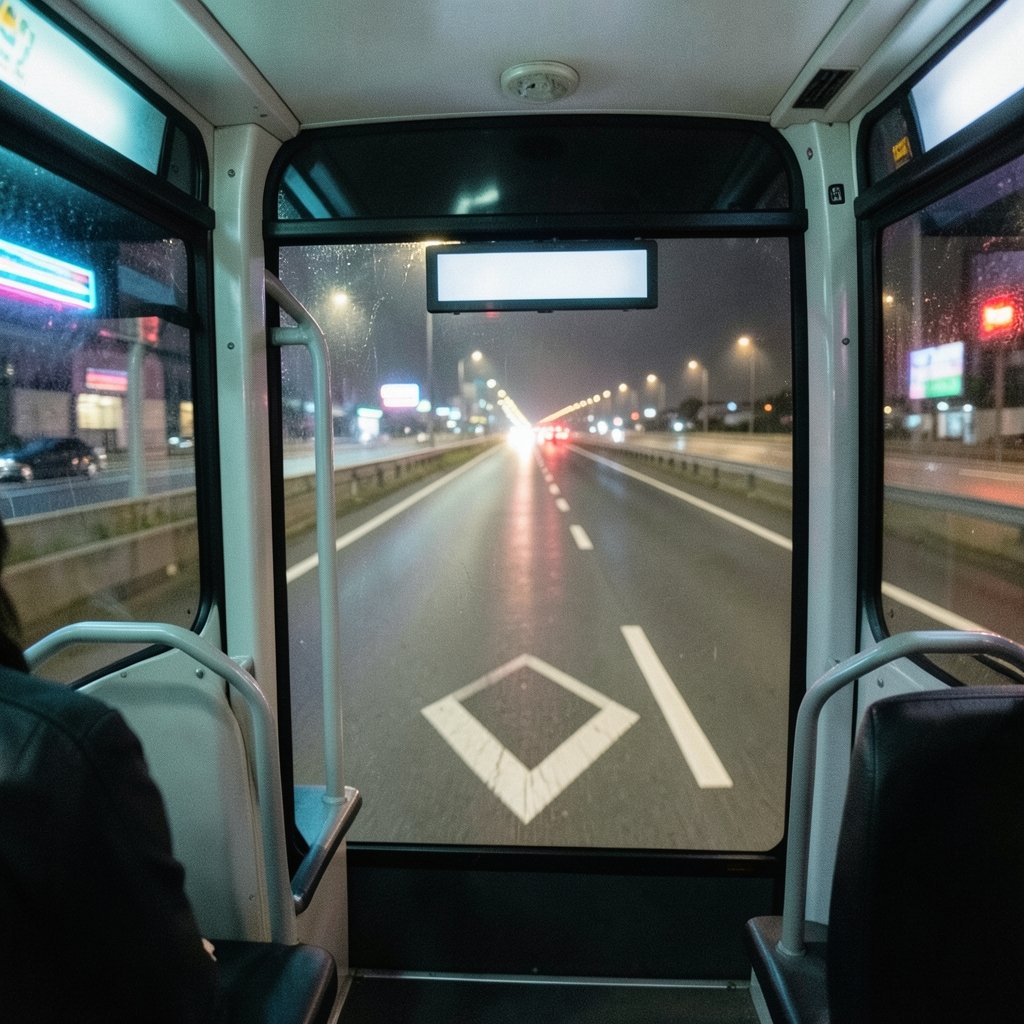
Have you ever been crawling along in stop-and-go traffic, glanced to your left, and watched a single car zip past in a nearly empty lane? That moment of envy (and mild outrage) is a shared experience for millions of drivers. The lane in question is usually an HOV lane, and whether you love it or resent it, it has a big impact on how highways move.
HOV stands for high-occupancy vehicle. These lanes are set aside for cars carrying more than one person, along with certain other eligible vehicles. The idea sounds simple: reward carpooling, buses, and vanpools with a faster trip, and in doing so, pull solo drivers off the road. In practice, HOV lanes stir up real debate about fairness, enforcement, and whether they actually reduce congestion.
This guide breaks down how HOV lanes work, who’s allowed to use them, the common mistakes that lead to tickets, and what the research and policy debate actually say. No jargon walls, no fluff.
What Is an HOV Lane, Exactly?
An HOV lane is a traffic lane reserved for vehicles carrying a minimum number of occupants, called the occupancy requirement. Most commonly that’s two or more people (often written as HOV 2+), though some corridors require three or more (HOV 3+) during peak hours.
Beyond carpools, HOV lanes frequently admit:
- Buses and transit vehicles, which can carry dozens of people in one vehicle
- Vanpools and employer shuttles
- Motorcycles, in many but not all jurisdictions
- Emergency vehicles
- Sometimes clean-fuel or electric vehicles, often with special permits
- Sometimes toll-paying solo drivers, when the lane has been converted to a managed or express format
The core logic is a numbers game. A lane full of two-person carpools moves roughly twice as many people as a lane full of solo drivers, assuming similar vehicle spacing. Multiply that by buses carrying 40 or 50 riders, and the people-moving capacity of a single reserved lane climbs fast.
How HOV lanes are marked
You’ll usually spot them by the diamond symbol painted on the pavement, which is why they’re nicknamed diamond lanes in many regions. Overhead signs list the occupancy requirement and the hours of operation. Some HOV lanes run 24 hours a day; others apply only during rush hour, reverting to general use outside those windows.
A frequent source of confusion: an HOV lane is not the same as a general-purpose lane with a carpool perk. If the signs and pavement markings don’t say HOV, the occupancy rule doesn’t apply, no matter what the car next to you is doing.
Who Is Allowed to Use an HOV Lane?
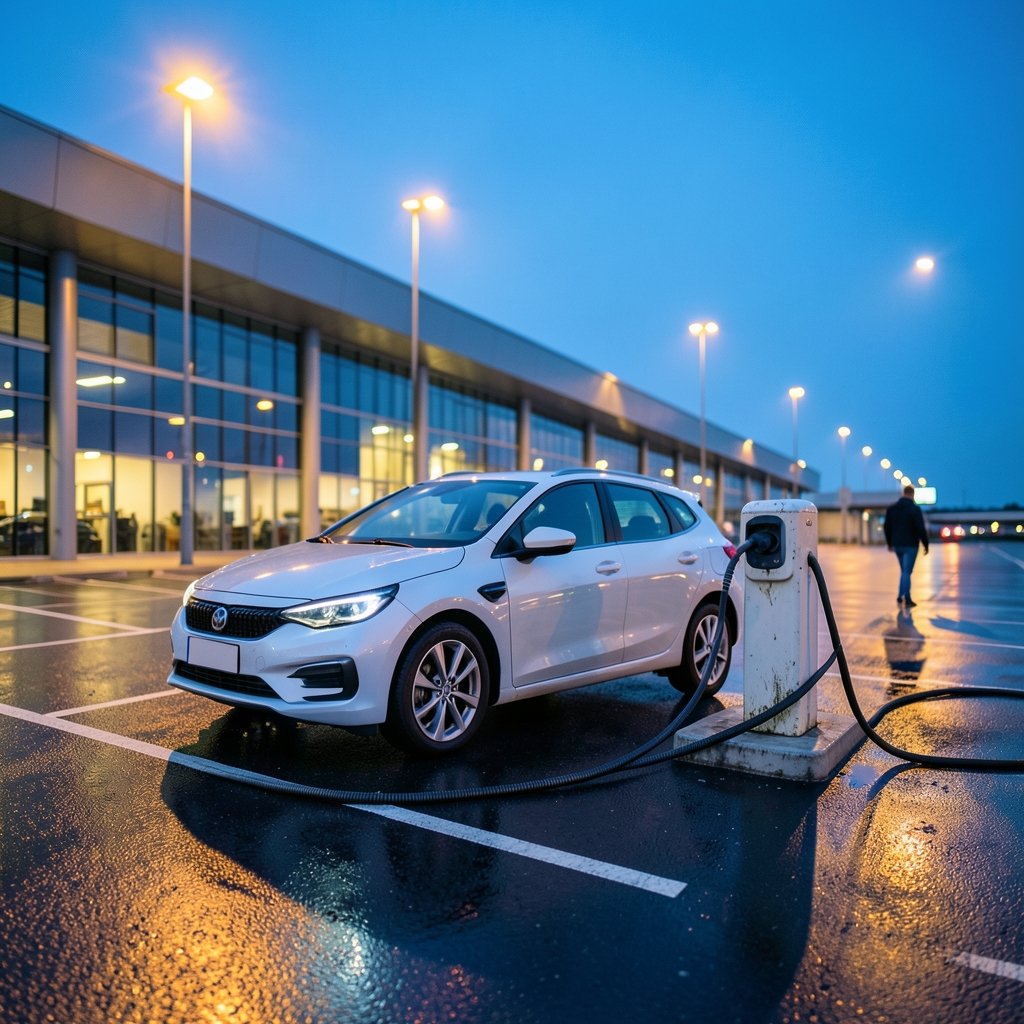
Eligibility varies by region, so the sign is always the final authority. Still, the general pattern looks like this:
| Vehicle type | Typically allowed? | Notes |
|---|---|---|
| Car with 2+ occupants | Yes (HOV 2+ lanes) | The baseline case |
| Car with 3+ occupants | Yes (HOV 3+ lanes) | Required on stricter corridors |
| Solo driver | No, unless toll-paying or permitted | Violations carry fines |
| Bus or transit vehicle | Yes | Usually allowed regardless of occupancy |
| Motorcycle | Often yes | Rules differ by jurisdiction |
| Vanpool | Yes | Often needs registration |
| Electric or hybrid vehicle | Sometimes | Often requires a special permit or decal |
| Truck | Usually no | Commercial vehicles are often excluded |
The electric vehicle question trips up a lot of people. Some regions once handed out clean-air decals that let solo EV drivers use HOV lanes. Many of those programs have expired, been capped, or been phased out as EV adoption grew. Assuming an EV automatically gets HOV access is a classic and expensive mistake.
The Real-World Rules That Catch Drivers Out
Here’s where practical experience matters more than theory. A few habits separate drivers who use HOV lanes confidently from those who get pulled over.
Check both the posted hours and the diamond. Many HOV restrictions apply only during posted peak periods. Driving alone in an HOV lane at 9 p.m. when the restriction ended at 7 p.m. is usually fine. Driving alone at 8:59 a.m. is not.
Count actual people, not seats. A car full of empty child seats doesn’t count. Occupants means living, breathing humans in the vehicle. Pets generally don’t count either, despite what some hopeful drivers assume.
Watch for changing lane designations. Managed lanes and express lanes can change their rules by time of day or by congestion level. A lane that was free for carpools at noon might require a toll transponder at 5 p.m.
Don’t merge late across solid lines. HOV lanes often have restricted entry and exit points marked by solid white lines. Crossing them to grab the lane at the last second is both unsafe and a common enforcement target.
Know the difference between crossing and traveling. In many places, you may legally cross an HOV lane to reach a left exit or a turn, as long as you don’t travel along it. Drivers who don’t realize this sometimes make dangerous last-second swerves. Drivers who abuse it sometimes get cited.
If you’re someone who pays close attention to hair typing and texture categories (yes, the internet is a wonderful place), think of HOV rules the same way: the label matters, but the specific sub-rules under each label are where the real detail lives. Just as someone researching 4c hair quickly learns that one broad category contains enormous variation, a driver who assumes “carpool lane” means one universal rule set is in for a surprise.
Why HOV Lanes Exist: The Policy Case
The concept dates back decades and spread widely as a way to squeeze more people through existing asphalt. Building new lanes is expensive and often politically impossible, so agencies looked for ways to move more people per lane without pouring concrete.
The pitch rests on a few claims:
- Person-throughput beats vehicle-throughput. A lane carrying buses and carpools moves more people per hour than a lane of solo drivers.
- Behavior change is the point. The faster trip is an incentive designed to push commuters toward carpooling, transit, and vanpools.
- Emissions fall. Fewer vehicles moving the same number of people generally means less tailpipe pollution per traveler.
The counterarguments are just as real. Critics point out that HOV lanes often sit underused while general lanes jam, that the time savings mainly benefit people who were already carpooling, and that enforcement is spotty enough that violators treat the lane as a free-for-all. These tensions are why so many regions have experimented with alternatives.
HOV vs. HOT vs. Express Lanes: What’s the Difference?
The managed-lane family has grown complicated. Here’s the short version:
| Lane type | Who can use it | How it’s managed |
|---|---|---|
| HOV lane | Carpools, buses, eligible vehicles | Occupancy requirement, often peak hours only |
| HOT lane (high-occupancy toll) | Carpools free or discounted; solo drivers pay | Toll pricing, often variable by demand |
| Express lane | Varies; often tolled for all | Dynamic pricing to keep traffic flowing |
| Bus-only or transit lane | Buses and authorized transit vehicles | Reserved for transit |
HOT lanes are the hybrid that frustrates some drivers and delights others. They let solo drivers buy their way into the fast lane, which raises revenue and uses spare capacity, but arguably undermines the original carpool incentive. The conversion from HOV to HOT has become one of the most common shifts in urban highway management.
Express lanes take the pricing idea further, often charging all users and adjusting the toll in real time so the lane stays free-flowing. The trade-off is obvious: reliability for those willing to pay, and a two-tier system for everyone else.
Enforcement: How Violators Actually Get Caught
HOV enforcement traditionally relies on police observation. An officer stationed at a chokepoint or driving alongside can usually spot a solo driver with a quick glance. Some agencies have experimented with roadside cameras and occupancy-detection technology, though automated HOV enforcement remains less widespread than automated speed or red-light cameras.
Penalties vary widely by jurisdiction. Fines can range from modest to steep, and repeat offenses often escalate. In some places, the fine is calculated per violation, meaning a daily solo commuter racking up tickets faces a serious bill.
The practical takeaway: the odds of getting caught may feel low, but the cost when it happens is high, and the enforcement patterns are often concentrated exactly where violations are most tempting, like the approach to a bottleneck.
Common Myths About HOV Lanes
A few persistent beliefs deserve a reality check.
Myth: Pregnant women count as two occupants. This one circulates constantly. In reality, occupants are counted as people in the vehicle, and a pregnant driver is one person. Some jurisdictions have debated exceptions, but the default rule is one body, one count.
Myth: Children don’t count. They do. A car with a parent and a toddler meets a 2+ requirement.
Myth: Any green-plate car gets in free. Clean-vehicle access programs are usually limited, permit-based, and subject to expiration.
Myth: HOV lanes are always faster. During off-peak hours, or when a lane is poorly designed, the time savings can shrink to almost nothing. The advantage is real but conditional.
Myth: You can use the lane if traffic is stopped. Congestion doesn’t create an exception. If anything, stopped general traffic is exactly when enforcement is easiest.
Practical Tips for Using HOV Lanes Well
For drivers who want to use these lanes legitimately, a few habits pay off:
- Read the sign every time. Rules change by corridor and by hour. A lane that was HOV 2+ last year might be a toll lane now.
- Plan your entry early. Know where the dashed-line entry points are before you commit. Late merges across solid lines are a ticket magnet.
- Register your vanpool or clean vehicle. If your region requires a permit or decal, get it and keep it current. Expired permits are treated as violations.
- Don’t ride the lane to skip a queue you could have joined. Using an HOV lane to bypass a line of cars waiting for an exit is both unsafe and often illegal.
- Check your passengers before you commit. A quick headcount beats an awkward conversation with an officer.
For anyone who follows niche styling and texture discussions online, there’s a parallel worth noting: just as communities dissect the differences between 2b hair and neighboring types with surprising precision, transportation planners argue endlessly over fine distinctions between managed lane formats. The details matter more than outsiders expect.
And if you’ve ever scrolled through a long-running online discussion thread, you know how quickly a simple rule can sprout exceptions. Following the row of comments in any debate about road rules shows the same thing: everyone has a story about the one time the rule didn’t apply. That’s precisely why posted signage, not folklore, governs HOV access.
The Future of HOV Lanes
Three forces are reshaping these lanes.
First, automation and occupancy detection could make enforcement far more consistent, reducing the “everyone does it” culture that undermines the carpool incentive.
Second, electric and autonomous vehicles complicate the occupancy math. A self-driving car with no passengers raises an obvious question: does it belong in an HOV lane? Most jurisdictions haven’t fully answered.
Third, pricing keeps creeping in. As agencies struggle to balance free-flowing traffic with revenue needs, the trend has leaned toward converting HOV lanes into priced managed lanes. Whether that’s a pragmatic fix or a quiet abandonment of the carpool mission is a live debate.
What seems clear is that the diamond symbol isn’t going anywhere soon. The lane concept has survived decades of policy shifts because it addresses a real problem: too many cars, too little road, and a stubborn preference for driving alone.
Conclusion
HOV lanes are one of the most visible experiments in urban traffic policy, and they reward a little preparation. The rules vary by region, the signage is authoritative, and the penalties for guessing wrong are real. For drivers who carpool, take transit, or qualify for a permit, these lanes can shave meaningful time off a commute. For everyone else, they’re a reminder that highways are managed spaces, not free-for-alls.
The next time a car sails past in the diamond lane, the better question isn’t “why do they get to?” It’s “could I?” Sometimes the answer is a carpool away.
Frequently Asked Questions
What does HOV lane stand for?
HOV stands for high-occupancy vehicle. An HOV lane is reserved for vehicles carrying a minimum number of people, typically two or more, along with buses, vanpools, and other eligible vehicles.
Can I drive in an HOV lane alone?
Generally no. Solo drivers are excluded unless they qualify under a specific exception, such as driving a permitted clean-fuel vehicle or paying a toll in a converted HOT lane. The posted signs override any assumptions.
Do motorcycles count as high-occupancy vehicles?
In many jurisdictions, yes. Motorcycles are often allowed in HOV lanes regardless of rider count, but the rules differ by region, so check local signage before relying on it.
What happens if you get caught driving alone in an HOV lane?
You’ll typically receive a traffic citation with a fine that varies by jurisdiction. Repeat offenses often carry escalating penalties, and some regions calculate fines per violation.
Do children count toward the occupancy requirement?
Yes. Children are occupants, so a driver with a child in the car generally meets a 2+ requirement. Pets and empty child seats do not count.
What is the difference between an HOV lane and a HOT lane?
An HOV lane is free for qualifying high-occupancy vehicles. A HOT lane (high-occupancy toll) allows solo drivers to pay a toll to use it, while carpools often still ride free or at a discount.














