



What if the most comfortable night of sleep on your next camping trip came from something that packs down to the size of a grapefruit? That is the promise of hammock camping, and it is why so many backpackers ditch their tents after one good hang. But here is the catch: the best camping hammock is not one product. It is a system, and picking the wrong one can leave you cold, cramped, and swinging all night.
This guide walks through what actually matters when comparing hammocks: gathered-end versus bridge designs, insulation, suspension, weather protection, and the rules that govern where you can hang. It also covers the mistakes that catch first-timers, and what experienced hangers do differently.
Start With the System, Not the Hammock
Most shopping advice treats the hammock body as the whole purchase. That is the first big mistake. A camping hammock on its own gives you a place to lie down and nothing else. A complete, sleepable setup usually includes four parts:
- The hammock body, which determines how you lie and how much room you have.
- Suspension, meaning straps and whoopie slings or buckles that connect the hammock to trees.
- Insulation, either an underquilt suspended beneath the hammock or a sleeping pad inside it.
- A tarp and often a bug net, which handle rain, wind, and insects.
Budget for the system, not the body. A cheap hammock paired with a proper underquilt and tarp will outperform an expensive hammock thrown up with a sleeping bag and no cover. When hikers write about turning outdoor skills into a story worth telling, the same principle applies: the gear is only half of it, and the knowledge is what makes it work. That idea shows up in advice on how to camping resume turn outdoor experience into job winning cv style writing, where practical detail beats brand names every time.
Gathered-End vs. Bridge: The Decision That Shapes Everything
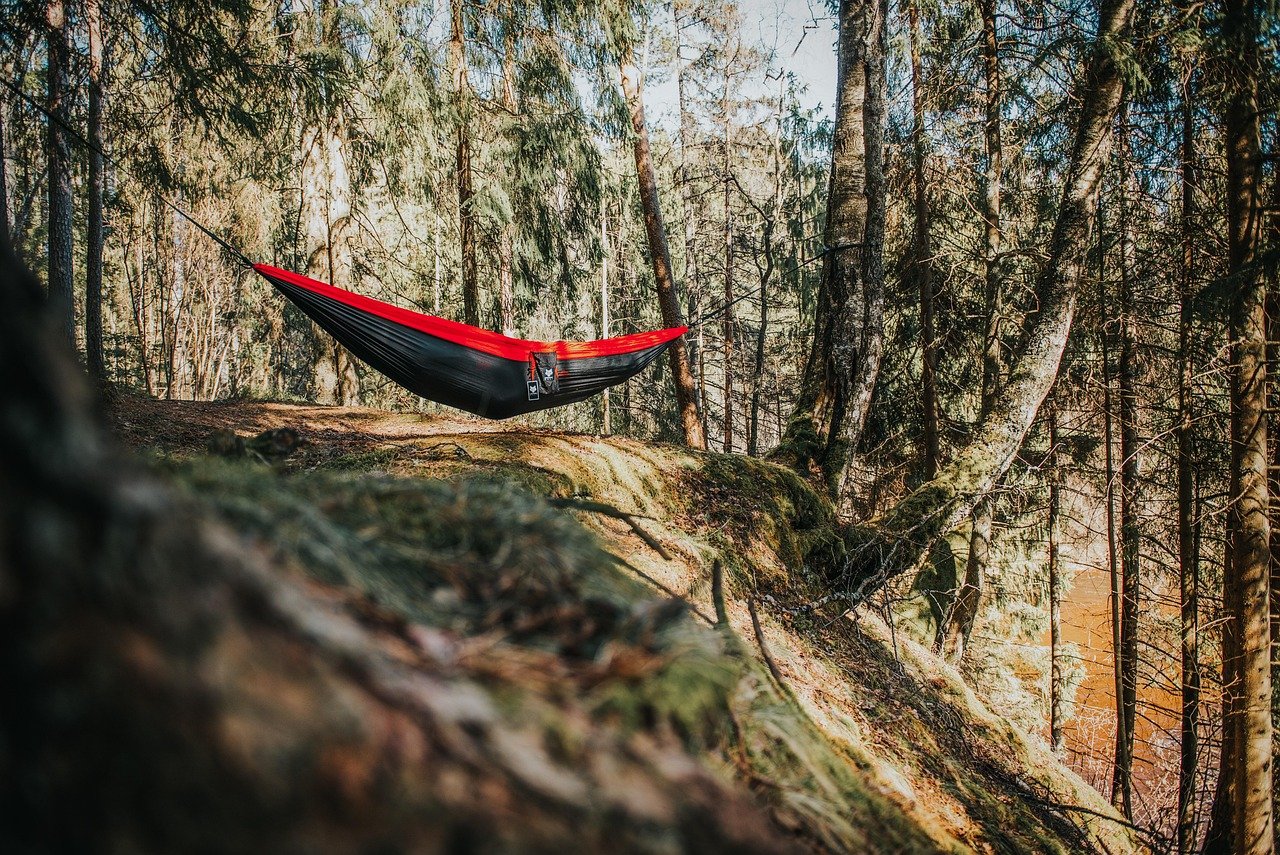
There are two main families of camping hammocks, and the choice between them drives comfort, weight, and cost.
| Feature | Gathered-End | Bridge |
|---|---|---|
| How it works | Fabric bunched at each end | Spreader bars hold fabric flat |
| Lie | Curved, best on the diagonal | Flat, closer to a bed |
| Weight | Lighter | Heavier |
| Side sleeping | Awkward | Comfortable |
| Price | Generally lower | Generally higher |
| Best for | Ultralight backpackers | Side sleepers, car campers |
Gathered-end hammocks are the classic camping design. The fabric gathers at both ends, and you lie on a diagonal to get a flatter position. They are light, simple, and pack small. The trade-off is that the lie takes practice, and stomach sleepers rarely get comfortable.
Bridge hammocks use spreader bars to hold the fabric open, creating a flat sleeping surface. Side sleepers tend to love them. The cost is weight and complexity, plus a bigger packed size.
Neither is “best” in the abstract. A thru-hiker counting grams will almost always choose gathered-end. Someone who cannot sleep on their back should look hard at a bridge model before buying anything else.
Insulation: The Part Everyone Gets Wrong
Here is the physics that trips up nearly every beginner. When you lie in a hammock, the insulation under you compresses. A sleeping bag’s loft collapses beneath your body, and the underside of the hammock is exposed to moving air. Cold seeps up from below, and no amount of top-layer down fixes it.
The standard solution is an underquilt, a quilt suspended beneath the hammock so it stays lofted and traps warmth without being squashed. The alternative is a sleeping pad inside the hammock, which works but tends to slide and can feel fiddly.
This is not a minor accessory. For three-season camping, an underquilt rated for the expected low temperatures matters more than the hammock brand. Skipping it is the single most common reason people report freezing in a hammock and give up on the whole idea.
Suspension and Tree Care
Suspension is where safety, comfort, and ethics meet. Two things matter: the hardware and the tree.
Wide tree straps protect bark. Thin ropes and cords concentrate force and can girdle or scar a tree. Wide straps spread the load. Many land managers publish their own requirements, and those requirements vary, so check the rules for the specific park or forest where you plan to hang rather than assuming one agency’s standard applies everywhere.
Hang angle affects comfort. Manufacturers commonly recommend an angle of roughly 30 degrees from horizontal, which lets the hammock sag into a comfortable curve. Hang it too tight and it becomes a banana; hang it too loose and you bottom out. A simple trick: make a finger-gun shape at the strap and aim for the angle between thumb and index finger. It is not precise, but it gets you close.
Weight limits are listed by manufacturers and vary widely. Respect them. A hammock rated for 250 pounds is not the place to test 300.
Weather Protection: Tarp First, Bug Net Second
A camping hammock without a tarp is a fair-weather toy. Rain arrives sideways in a hammock, and a tarp is what keeps you dry. Look for a tarp with enough coverage to shed water past the hammock’s sides, and learn to pitch it in a low, storm-ready configuration when the forecast turns.
Bug nets matter in summer and in wet climates. Some hammocks have integrated nets; others use a separate net that slides over the whole setup. Integrated nets are convenient but add weight and can limit how you use the hammock on clear nights.
What Actually Works in Practice
A few habits separate comfortable hangers from miserable ones.
Test your hang before dark. Pitch in daylight, lie in the hammock, and adjust before you are tired and guessing.
Practice at home first. Set the whole system up in a yard or park, including the tarp and underquilt. The first time should not be in the rain at 9 p.m.
Check the trees, not only the view. Look for dead branches overhead, often called widowmakers, and choose healthy trunks of adequate size. Avoid trees that are obviously damaged or that sit in fragile soil.
Follow Leave No Trace principles. Hammock camping is a low-impact shelter method only when done with care: wide straps, healthy trees, and no damage to vegetation. The Leave No Trace framework is widely taught in outdoor education and is a reasonable baseline wherever you camp.
Pack a backup plan. Above the treeline, in the desert, or in a campground that bans tree attachment, a hammock will not work. Know before you go.
Common Mistakes and How to Avoid Them
Buying the hammock and nothing else. The body is one piece of a four-part system. Budget accordingly.
Using a sleeping bag as bottom insulation. It compresses and stops insulating. Use an underquilt or a pad.
Hanging too high. Aim to sit in the hammock with your feet near the ground, not to climb in like a bunk bed.
Ignoring local rules. Regulations differ by park and forest. Some units restrict hammocks entirely; others specify strap width or tree size. Check the specific site’s rules.
Skipping the tarp on a clear forecast. Weather changes. The tarp weighs little and saves the night.
Overlooking hair and skin care on longer trips. Small comforts matter when you are living outside for days. Readers dealing with textured hair often plan protective styles and simple routines before a trip, and resources on 4c hair care translate well to life under a tarp. The same goes for camp hygiene routines that keep a multi-day hang comfortable.
Matching the Hammock to the Trip
The “best” hammock depends on where and how you camp.
Ultralight backpacking: a gathered-end hammock with a separate net, a lightweight tarp, and a down underquilt. Every gram counts, and simplicity wins.
Car camping and base camps: a bridge hammock or a larger gathered-end model with an integrated net. Weight matters less than a flat, roomy lie.
Hot, buggy climates: prioritize airflow and a reliable net. A double-layer hammock can hold a pad if nights turn cool.
Cold-weather hanging: insulation is the whole game. A properly rated underquilt, a top quilt, and a tarp pitched low matter far more than the hammock body.
Group trips with mixed sleepers: if someone in the group cannot sleep on their back, a bridge hammock is worth the extra weight. Watching a friend toss all night is not worth saving 300 grams.
A Note on Brands and Reviews
Hammock brands come and go, and review sites rotate their picks constantly. Rather than chasing a specific model name, judge any hammock by a short checklist:
- Does the fabric feel supportive rather than stretchy under your weight?
- Is the rated capacity comfortably above your body weight plus gear?
- Does the suspension include wide tree straps?
- Is there a clear path to adding an underquilt and tarp from the same maker or a compatible one?
- Does the packed size and weight fit how you travel?
A hammock that passes those five checks will serve you well regardless of the logo on the stuff sack. And if you are comparing stories and experiences rather than specs, communities that trade trip reports, like those gathered around the row, often surface practical detail that marketing pages leave out.
Setting Up: A Simple Sequence
- Choose two healthy trees roughly 12 to 15 feet apart.
- Wrap wide straps at about head height and attach the suspension.
- Aim for a hang angle near 30 degrees, with the hammock’s lowest point around knee height when empty.
- Lie in the hammock on the diagonal and adjust until your feet are slightly higher than your head.
- Clip the underquilt beneath the hammock so it stays lofted and hugs the underside.
- Pitch the tarp low and wide if rain is likely, higher and open if the night is clear.
- Do a final check for dead branches overhead before you settle in.
Conclusion
The best camping hammock is not the lightest one or the one with the most five-star reviews. It is the one that fits a complete system: a body that suits how you sleep, suspension that protects the trees, insulation that keeps the cold from stealing up through the fabric, and a tarp that handles the weather. Get those four pieces right, practice the setup before your trip, and check the rules where you plan to hang, and hammock camping becomes one of the most comfortable and lightweight ways to sleep outdoors. Get them wrong, and you will spend the night swinging, shivering, and planning a return to tents. The difference is planning, not price.
Frequently Asked Questions
Is a camping hammock more comfortable than a tent?
For many back sleepers and side sleepers who use a bridge hammock, yes. A well-adjusted hammock can relieve pressure points and keep you off uneven ground. Stomach sleepers and people who dislike enclosed spaces often prefer tents. Comfort depends far more on insulation and hang angle than on the hammock alone.
Do I really need an underquilt?
In most conditions below about 65°F at night, yes. Sleeping bag insulation compresses under your body and stops trapping warmth, leaving your underside exposed to cold air. An underquilt stays lofted beneath the hammock and is the standard fix. A sleeping pad works as a budget alternative but tends to shift.
What hang angle should I use?
Manufacturers commonly suggest roughly 30 degrees from horizontal. That angle lets the hammock sag into a comfortable curve. Too tight and you feel like a banana; too loose and you bottom out. Adjust until your feet sit slightly higher than your head.
Can I hang a hammock in any park or forest?
No. Rules vary by land manager and even by individual park or forest. Some areas restrict hammocks entirely, and others specify strap width or minimum tree size. Check the specific site’s regulations before you travel, and always use wide straps to protect bark.
How much should a complete hammock setup weigh?
It varies widely. A stripped-down ultralight system with a gathered-end hammock, minimalist tarp, and down underquilt can come in well under three pounds. A bridge hammock with an integrated net and a larger tarp may run several pounds more. Weigh the full system, and not only the hammock.
What is the biggest beginner mistake?
Buying the hammock and stopping there. Without insulation, a tarp, and proper suspension, the setup will not keep you warm or dry. The second most common mistake is not practicing the pitch before the trip. Set the whole system up at home first.











