

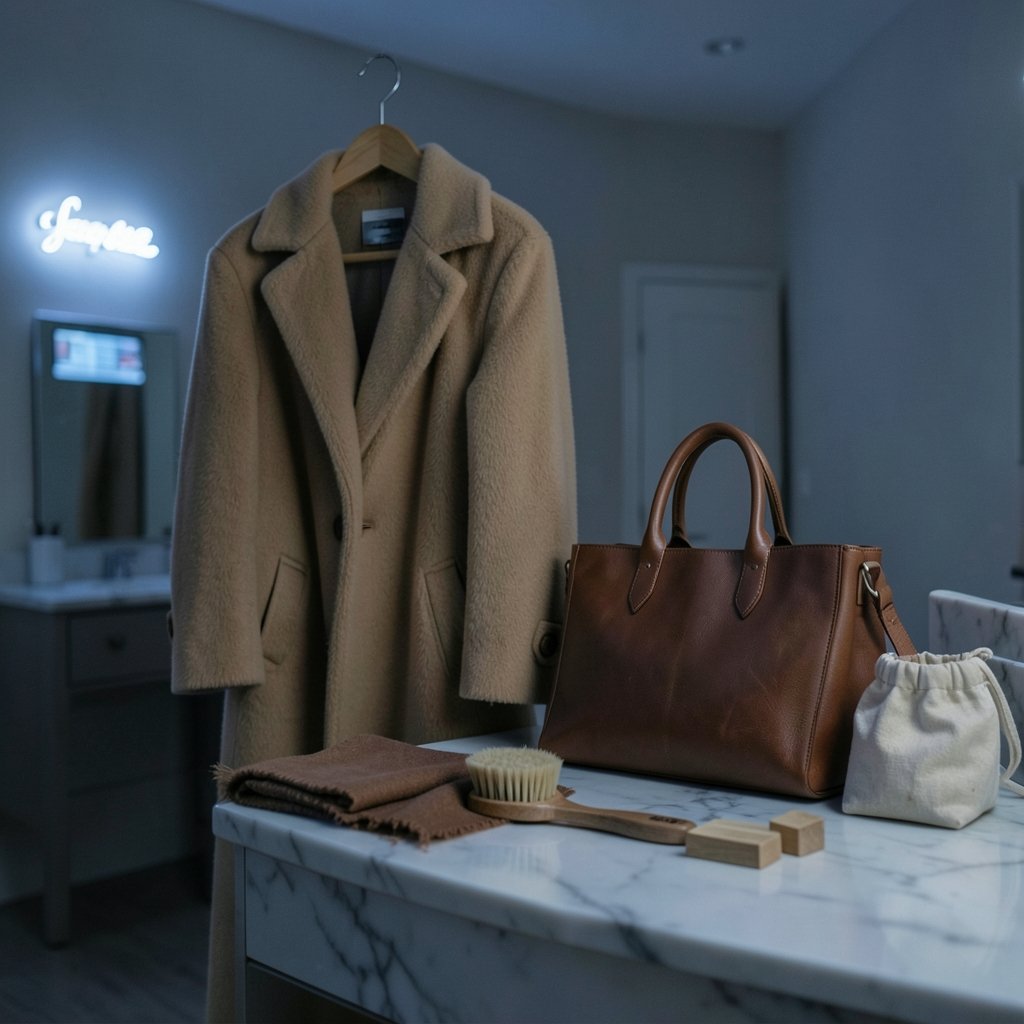
What if the most expensive thing in your closet isn’t the handbag itself, but the way you treat it? A cashmere coat, a leather tote, and a marble side table all share the same enemies: light, heat, moisture, and neglect. The good news is that keeping them beautiful doesn’t require a conservator’s training. It requires a routine.
This guide walks through the exact steps, material by material, in the order you should do them. It also covers the mistakes that quietly ruin good pieces, and the fixes that actually work.
What to Have Ready Before You Start
Before touching a single item, gather a small kit. Having the right supplies on hand prevents the classic mistake of grabbing whatever is under the sink.
- Soft brushes: one for leather, one for textiles.
- Microfiber cloths: white or light-colored, so dye transfer is visible.
- Acid-free tissue paper for stuffing bags and wrapping metal.
- Cotton dust bags and sturdy hangers with broad shoulders.
- Material-specific cleaners: pH-balanced leather cleaner, gentle wool wash, and a pH-neutral stone cleaner.
- A notebook or phone note to log when each piece was last cleaned.
One rule matters more than any product: test every cleaner on a small, hidden patch first. Leather, silk, and suede can react badly to products that seem harmless.
Step 1: Control the Environment First
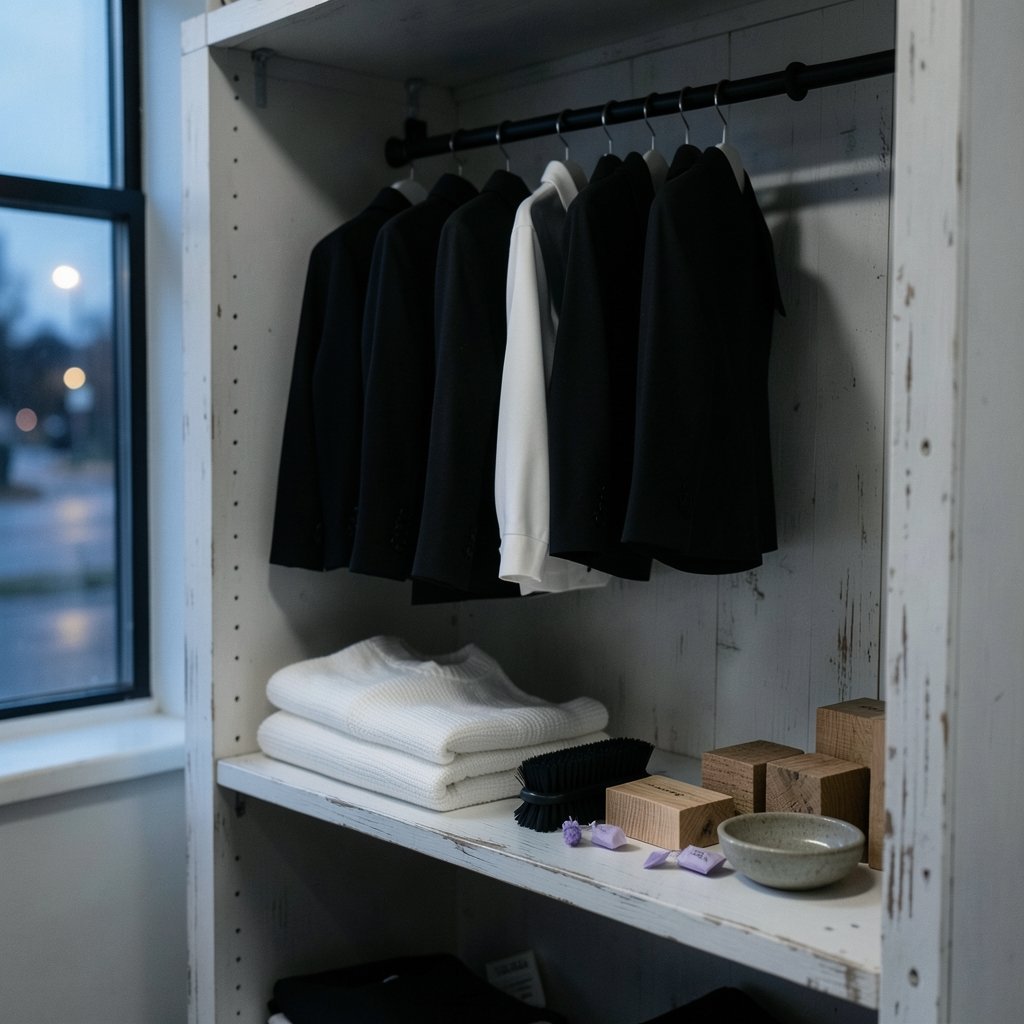
Before cleaning anything, fix where the piece lives. Most damage isn’t dramatic. It accumulates.
According to care specialists, luxury pieces fail from the same four enemies every time: light, heat, moisture, and pests. Sun and strong indoor light fade dyes and weaken fibers. Heat dries leather and warps wood. Humidity invites mold and musty odors. And clothes moths are drawn to natural fibers, escalating fast once they find a food source. (Luxury Gift Wrap: Elegant Packaging for Every Occasion)
The practical fix is simple. Move your best pieces away from windows, radiators, and crowded closets. Give garments room to breathe on the rail. Keep relative humidity moderate and stable rather than swinging between damp and dry.
Expected result: slower fading, fewer creases, and no musty smell when you open the wardrobe.
Step 2: Clean Gently, and Not Too Often
Over-cleaning is a real problem. Harsh, frequent deep cleans strip natural oils from leather and weaken delicate fibers. Prevention-first care beats aggressive scrubbing every time.
For leather, brush off surface dust with a soft brush, then apply a thin, even layer of leather cleaner with a soft cloth. Work in small sections and buff away excess. Leather is porous, so it absorbs oil from skin and surfaces easily, and it is sensitive to light, moisture, and high temperatures.
For wool and cashmere, hand-wash in cool water with a gentle wool detergent, press water out without wringing, and dry flat on a towel. Never hang wet knits; the weight stretches shoulders out of shape.
For silk, use cool water and a mild detergent, rinse thoroughly, and dry away from direct sun. If a garment is structured or embellished, professional cleaning is the safer call.
For cotton and linen, cooler washes and lower dryer heat preserve shape and color. Hot water and high heat are the fastest route to shrinkage and fading.
Expected result: clean pieces with their finish, drape, and color intact.
Step 3: Dry and Store Each Material Correctly
Storage is where most people undo their good work. The right method depends entirely on the material.
| Material | Storage method | Common mistake |
|---|---|---|
| Leather bags | Stuffed with acid-free tissue, inside a cotton dust bag | Sealing in plastic, which traps moisture |
| Leather shoes | Cedar shoe trees, room to breathe | Stacking heels that crush the counter |
| Knitwear | Folded flat in breathable bags | Hanging on wire hangers |
| Tailoring | Broad wooden hangers with space between garments | Crowding the rail |
| Metal and jewelry | Dry box with tarnish strips, pieces separated | Storing damp or tangled together |
| Wood furniture | Away from direct sun and heat vents | Placing hot drinks without a coaster |
A useful detail many people miss: the silica packet that arrives with a new bag has a job. Keep it in the dust bag to absorb stray moisture, and replace it when it stops working.
For furniture, ask the maker or importer for the finish code and a spare-parts list at handover. Knowing the exact finish makes future repairs far easier.
Step 4: Build a Simple Care Calendar
Preservation works as a system. Environmental control slows damage, material-specific care stops the avoidable kind, and a calendar makes sure it all gets done. Skip any one of the three and the other two work harder while still falling short.
A realistic calendar looks like this:
- Weekly: wipe down high-touch surfaces, brush shoes after wear, air out bags.
- Monthly: inspect knitwear and tailoring for moths, check leather for dryness.
- Seasonally: clean and condition leather before storage, wash and fold woolens, rotate accessories.
- Annually: deep-clean furniture upholstery, service watches, and review anything showing wear.
The payoff is measurable. One illustrative model for a living room collection worth USD 60,000 found that a preventive plan cut emergency stain and spill repairs roughly in half over ten years compared with a reactive approach. Your numbers will differ by region and specification, but the direction holds: small, regular care costs far less than restoration.
Step 5: Handle Wear and Tear as It Happens
Speed matters more than strength. Blot spills immediately with a clean cloth rather than rubbing them in. Let wet leather dry naturally, away from radiators and hairdryers, because forced heat embrittles the surface. Store handbags empty of receipts, pens, and anything that can leak or transfer ink.
For jewelry, remove pieces before applying skincare and perfume. The film they leave dulls metal and collects in settings. Wipe each piece with a soft cloth after wear, then store it separately so chains don’t scratch.
Common Mistakes That Shorten a Piece’s Life
Even careful owners trip on the same few habits. Watch for these.
Over-conditioning leather. Frequent dressings can cause oily darkening, residue that looks like mold, and long-term embrittlement. Condition sparingly, when the leather actually feels dry.
Using plastic storage. Plastic traps moisture and traps odors. Breathable cotton and acid-free tissue are always better.
Hanging heavy knits. Gravity does the damage. Fold them.
Ignoring pests until damage shows. Moth holes appear after the larvae have already fed. Cleaning and monitoring matter more than nice-smelling sachets.
Skipping the patch test. One wrong product on suede or silk can leave a permanent mark.
Crowding the closet. Garments crushed against each other crease, snag, and lose shape. Space is a care tool.
Material-by-Material Quick Reference
Full-grain leather is durable and ages well, becoming more comfortable with wear, but it needs occasional cleaning and protection from prolonged intense light and heat.
Cashmere and wool reward gentle washing, flat drying, and folded storage. Rotate wear so fibers recover between uses.
Silk needs cool water, mild detergent, and shade. Store folded in tissue rather than on sharp hangers.
Wood prefers stable humidity and coasters. Dust with a barely damp cloth and avoid silicone polishes that build up.
Metal tarnishes faster in humid air. Keep pieces dry, separated, and away from bathroom steam.
Stone and marble are porous. Blot spills quickly and use pH-neutral cleaners only, since acidic products etch the surface.
If you’re building a collection from scratch, it helps to think about care before you buy. Well-chosen pieces in durable natural materials, with even stitching and sturdy hardware, justify their price through years of use. The same logic applies to the objects around them: a few considered additions to your luxury home decor are easier to maintain when you know what each material needs. Scented candles and diffusers, for instance, belong away from sunlight and heat, and the guidance in this roundup of luxury home scents pairs well with a simple storage routine.
When to Call a Professional
Some jobs aren’t DIY. Send structured tailoring, beaded eveningwear, suede and exotic skins, antique textiles, and any piece with sentimental or high monetary value to a specialist. The same goes for water-damaged leather and deep stains on upholstery. Attempting a home fix on these often turns a small problem into an irreversible one.
Conclusion
Making luxury pieces last isn’t about buying more products. It’s about a short, repeatable routine: control the environment, clean gently and rarely, store each material the way it wants to be stored, and act fast when something spills. Do those four things and a good piece will outlast trends, seasons, and several cheaper replacements. The best time to start is before the first scratch, not after.
Frequently Asked Questions
How often should leather be conditioned?
Only when it feels dry or looks dull, not on a fixed schedule. Frequent conditioning can cause oily darkening, sticky residue, and long-term embrittlement. Clean with a soft brush and a thin layer of leather cleaner first, and always patch-test on a hidden area.
Can I store leather bags in plastic bins?
No. Plastic traps moisture and odors, which encourages mold and cracking. Use a cotton dust bag, stuff the bag with acid-free tissue to hold its shape, and keep a silica packet inside to absorb stray humidity.
What is the fastest way to ruin a cashmere sweater?
Hanging it wet or dry on a hanger. The weight stretches the shoulders and hem out of shape. Wash in cool water with a gentle wool detergent, press out the water without wringing, and dry flat on a towel.
Do silica packets really help?
Yes, in enclosed spaces. They absorb stray moisture that would otherwise feed mold and tarnish. Replace them when they stop working, and keep them out of reach of children and pets.
How do I stop moths from damaging wool and silk?
Focus on cleaning and monitoring rather than scented sachets. Moths are drawn to natural fibers, especially anything carrying body oils or food residue. Store clean garments in breathable bags, air them regularly, and check seams and folds for larvae.
Is it worth paying for professional cleaning?
For structured garments, embellished pieces, suede, exotic skins, and high-value items, yes. Home cleaning risks irreversible damage on these materials. For everyday cotton, linen, and sturdy knits, careful home washing is usually enough.
How should I clean and store a marble or stone surface?
Dust with a soft, dry cloth before any liquid touches the surface, because grit acts like sandpaper when wiped. For spills, blot rather than wipe, then clean with a pH-neutral stone cleaner diluted as the label directs. Skip vinegar, lemon, and generic bathroom sprays; their acidity etches the polish permanently. Dry the surface afterward so water doesn’t sit in seams. Place coasters under glasses and felt pads under objects that slide, and reseal the stone on the schedule your installer recommends, typically once a year in kitchens and bathrooms.
What’s the right way to store jewelry to prevent tarnish?
Humidity and contact do most of the damage, so keep pieces dry and separated. Store each item in its own soft pouch or compartment, fasten chains so they don’t tangle, and add tarnish strips to the box. Remove rings before washing hands, swimming, or applying lotion. Silver left in open air darkens within weeks; a sealed, dry box slows that dramatically.
Can I repair scratches on leather or wood at home?
Light surface scuffs on smooth leather often fade with a fingertip of conditioner and a soft buff. Deeper scratches, and any damage to suede or exotic skins, belong with a professional. For wood, a touch-up pen matched to the finish handles hairline marks; anything through the veneer needs a specialist. Patch-test first, always.
The short version: control the environment, clean gently and rarely, store by material, and act fast. Start today, before the first scratch.











