


What good is a running playlist if you spend the first mile pushing a bud back into your ear? Or worse, if you’re so sealed off from traffic that you can’t hear the car turning behind you? Those two frustrations drive almost every complaint runners have about headphones, and they’re exactly what separates a great pair from a pair that ends up in a drawer.
The good news is that the market has split into clear camps: open-ear designs that let the world in, ear-hook buds built to survive sweat and sprints, and a few budget workhorses that punch well above their price. Below are five named options worth shortlisting, followed by a short guide to matching one to how you actually run.
Comparison at a Glance
| Model | Design | Best For | Water Resistance | Standout Strength |
|---|---|---|---|---|
| Shokz OpenRun Pro 2 | Bone conduction, open-ear | Road runners who need traffic awareness | Not stated in sources | Ears stay open to surroundings |
| Bose Ultra Open Earbuds | Open-ear clip-on | Runners who dislike things inside the ear canal | IPX4 | Seven-hour battery, tap controls |
| Beats Powerbeats Pro 2 | Ear hook, in-ear | iPhone users and stat-tracking fans | Not stated in sources | Built-in heart rate sensor |
| JBL Endurance Run 3 | Wired, in-ear with hook | Budget buyers and wired loyalists | IP65 | Lightweight build, secure TwistLock fit |
| JLab Go Air Sport | True wireless, in-ear | Gym-to-run crossover on a budget | Not stated in sources | Low price point |
Shokz OpenRun Pro 2: Best for Road Awareness
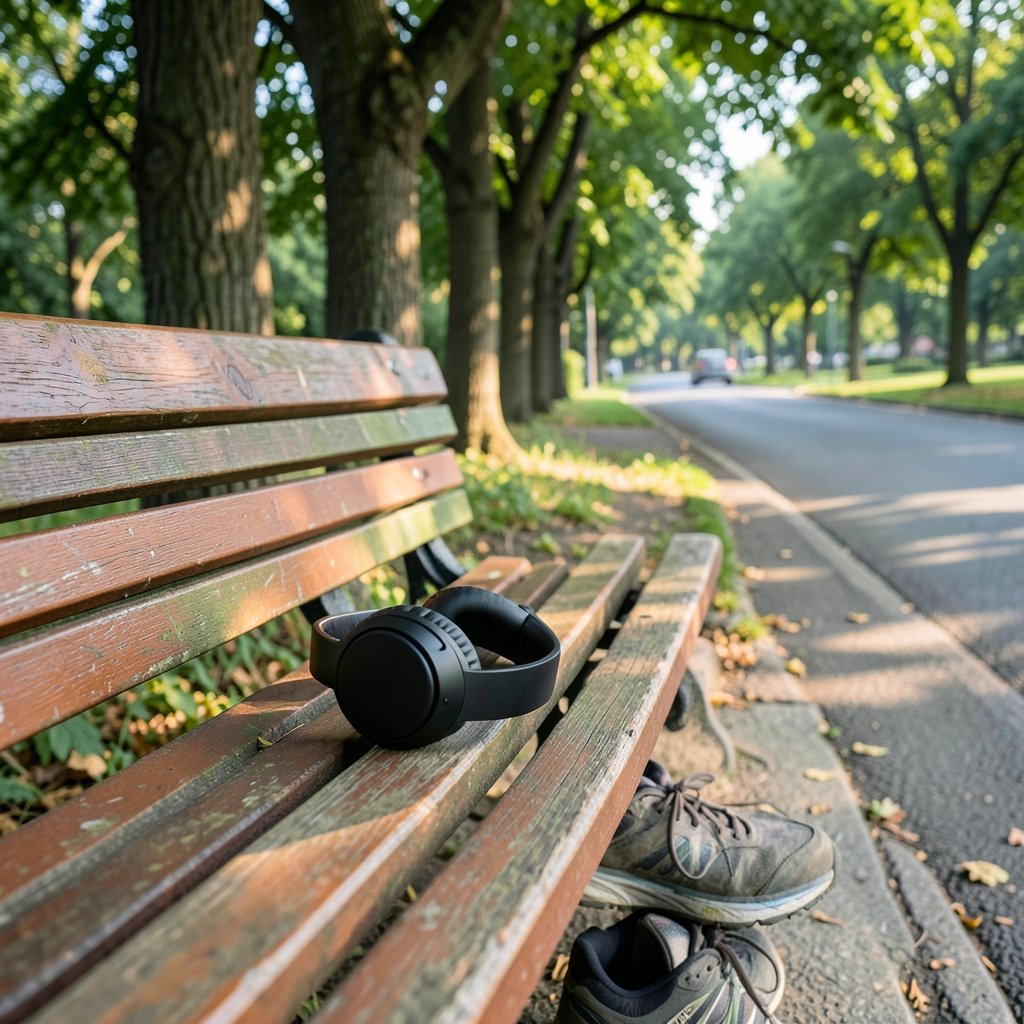
If you run anywhere near traffic, this is the pair to look at first. The bone conduction design sits over the ears rather than inside them, so passing cars, cyclists, and other people stay audible while your music plays. Reviewers have called out the sound quality as strong with excellent bass, and the second iteration adds a new speaker driver that improves on the original.
There’s also a practical benefit for anyone with sensitive ear canals: nothing is jammed into the ear, so the soreness that comes from long sessions with in-ear buds simply doesn’t happen. The sound leakage that plagues some bone conduction models reportedly isn’t an issue here.
The real limitation is weight distribution. Testers noticed the pressure on top of the ears after a couple of hours of wear, even at roughly 30 grams. For a 5K or a 10K that’s a non-issue. For marathon training, it’s worth a long test run before race day.
Bose Ultra Open Earbuds: Best Open-Ear Comfort
The Ultra Open Earbuds take a different route to the same goal. Instead of conducting sound through bone, they clip onto the ear and fire audio inward while leaving the canal open. One tester described hearing music perfectly while still detecting birds chirping and staying aware of their surroundings, which is exactly the balance most outdoor runners want.
Controls are handled by taps on the bud itself: volume, track skipping, and switching between immersive and stereo modes mid-run. Battery life runs about seven hours, and the IPX4 rating handles light rain and splashes. Just don’t swim in them.
The honest caveat is break-in time. The clip-on style can make ears sore at first if you’ve never worn anything like it. That discomfort faded for testers after an adjustment period, but plan your first few runs accordingly rather than debuting them on race morning.
Beats Powerbeats Pro 2: Best for Data-Driven Runners
The Powerbeats line has long been the default recommendation for runners who want an ear hook that refuses to budge, and the Pro 2 carries that forward with a genuinely useful addition: a built-in heart rate sensor using the same technology found in the Apple Watch. If you want workout data without strapping on a watch, that’s a real advantage.
iPhone owners get the most from these: head tracking that follows your movement, automatic device switching, and Find My integration. Android users aren’t locked out; one-touch pairing, customizable controls, and Locate My Beats work through the Beats app.
The flaw is control sensitivity. Testers found the side buttons overly easy to trigger, occasionally pausing or skipping tracks by accident while adjusting fit or volume. It’s a small annoyance that becomes noticeable over hundreds of miles. If you already own an Apple Watch, the heart rate feature may also feel redundant. Before you commit to any ear-hook design, it’s worth reading up on how the best running shoes for women actually matter when you buy gear as a system, because fit and stability principles apply to what goes on your head as much as your feet.
JBL Endurance Run 3: Best Wired Option
Wired headphones never died, and for good reason: no charging, no pairing, no dropout. The Endurance Run 3 ships with either a 1.2m USB-C or 3.5mm cable and uses JBL’s TwistLock design plus an attachable FlipHook to lock the buds behind the ear. At 16.8 grams they’re light enough to forget about on long efforts, and the IP65 rating protects against dust and water splashes.
The details are practical: each bud is magnetized at the rear so you can snap them together around your neck between efforts, and the in-line one-button remote handles calls through the built-in microphone. Sound comes from 8mm moving-coil drivers, with a claimed bold, bass-rich profile and a 20Hz to 20kHz frequency range.
The catch is obvious: a cable. If you hate the tug of a cord on your arm or down your back, this isn’t the pair for you. But if you’ve been burned by battery anxiety, it’s a smart, cheap fix.
JLab Go Air Sport: Best Budget Pick
Not everyone wants to spend premium money on something that will live in a sweaty gym bag. The Go Air Sport appears on shortlists as the affordable true wireless option, and that’s its whole pitch: a low price point that makes a second pair for the gym a reasonable idea.
The trade-off is that budget buds rarely match premium models on battery life, codec support, or fit refinement. If you’re running serious mileage, the security of an ear hook or an open-ear design is worth the extra spend. If you’re doing treadmill sessions, short jogs, and strength work, the savings are real.
How to Choose Without Overthinking It
Most buying mistakes come from skipping three questions. Answer them and the shortlist narrows fast.
- Where do you run? Roads, paths, and shared trails call for open-ear or awareness-friendly designs. A treadmill in a gym or a garage makes noise cancelling a reasonable choice, since there’s no traffic to hear.
- How long are your longest runs? Anything over 90 minutes demands attention to weight and pressure points. A 30-gram open-ear model that feels fine at 5K can feel heavy at mile 18.
- Do you sweat heavily or run in rain? Look for an IP rating and treat it as a minimum, not a bonus. IPX4 covers splashes and light rain; IP65 adds dust protection.
Two more practical notes from testing experience. First, never debut new headphones on race day. Ears need a few short runs to adapt, especially with clip-on and bone conduction styles. Second, keep volume in the low-to-mid range. It preserves battery life and, more importantly, keeps you aware of what’s happening around you.
Fit is the single most important factor, and it’s the one thing no spec sheet can tell you. As one buyer for a major electronics retailer put it, fit is key, so pick headphones that stay put while you run. That means ear fins, hooks, or comfortable on-ear styles that survive head movement and sweat.
It also helps to think about the rest of your kit with the same logic. The same way you’d pick best trail running shoes for your terrain and feet, match the headphone to the environment rather than the marketing. And if you’re building a full setup, the reasoning behind best running shoes men choose pair that actually works applies here too: proven fit beats hype every time.
Common Mistakes Worth Avoiding
Buying noise cancelling for road running tops the list. Sealing off traffic noise is a safety problem, not a feature, when you share space with vehicles. Over-ear models are another frequent misstep: they’re hot, they slip, and reviewers consistently note they suit slow, casual jogs far better than hard efforts.
The third mistake is ignoring the control scheme. Buttons that are too sensitive, too small, or impossible to find with cold fingers will annoy you on every single run. If you can, test the controls before you buy.
Finally, don’t overlook charging habits. A pair that dies mid-run because it sat in a bag for two weeks is a pair you’ll resent. Some models offer quick top-up charging, which is worth prioritizing if you’re forgetful.
Conclusion
The right pair of running headphones comes down to one question: do you need to hear the world, or do you want it shut out? Road runners should start with the Shokz OpenRun Pro 2 or the Bose Ultra Open Earbuds, both of which keep your ears open to traffic while delivering solid sound. Data lovers and iPhone users will get the most from the Beats Powerbeats Pro 2, provided they can live with sensitive buttons. Budget-conscious runners have two strong paths: the JBL Endurance Run 3 if a cable doesn’t bother them, or the JLab Go Air Sport if true wireless matters more than premium features.
Whichever you choose, buy for fit and awareness first, sound second. Everything else is a detail you can live with.
Frequently Asked Questions
Are open-ear headphones better for running than in-ear buds?
For outdoor running near traffic, yes. Open-ear designs like bone conduction and clip-on styles let you hear cars, cyclists, and other people while your music plays. In-ear buds seal the canal and can block those sounds, which is fine on a treadmill but risky on a road.
Do I need noise cancelling for running?
Only indoors. Noise cancelling is useful on a treadmill or in a gym where background noise is constant and there’s no traffic to monitor. Outdoors, it works against you by reducing situational awareness.
How much water resistance should running headphones have?
Look for an IP rating as a baseline. IPX4 handles splashes and light rain, while IP65 adds dust protection and better water resistance. Neither rating makes headphones safe for swimming, so don’t wear them in the pool.
Why do my earbuds keep falling out during runs?
Usually it’s a fit problem, not a headphone problem. Ear hooks, ear fins, and twist-lock designs add security that plain buds lack. Open-ear clip styles also avoid the issue entirely because nothing sits inside the canal. Give any new pair a few short runs to settle in before judging the fit.
How long should running headphone batteries last?
Around six to eight hours per charge is a reasonable expectation for wireless models. Actual life depends on volume and air temperature, so keeping volume in the low-to-mid range stretches a charge. A charging case or quick top-up feature helps if you run daily.
Can I use regular headphones for running?
You can, but they tend to fail on three counts: they slip when you sweat, they aren’t rated for moisture, and over-ear models get hot and heavy. Purpose-built running headphones solve those problems, which is why most runners eventually switch.











