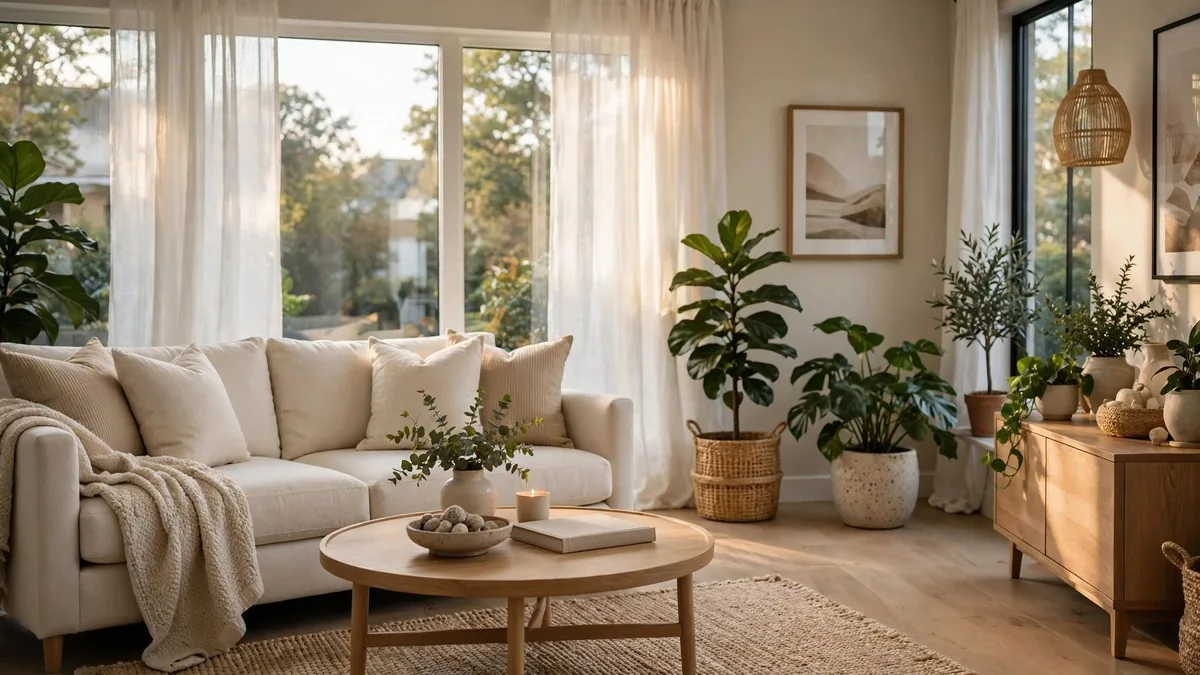
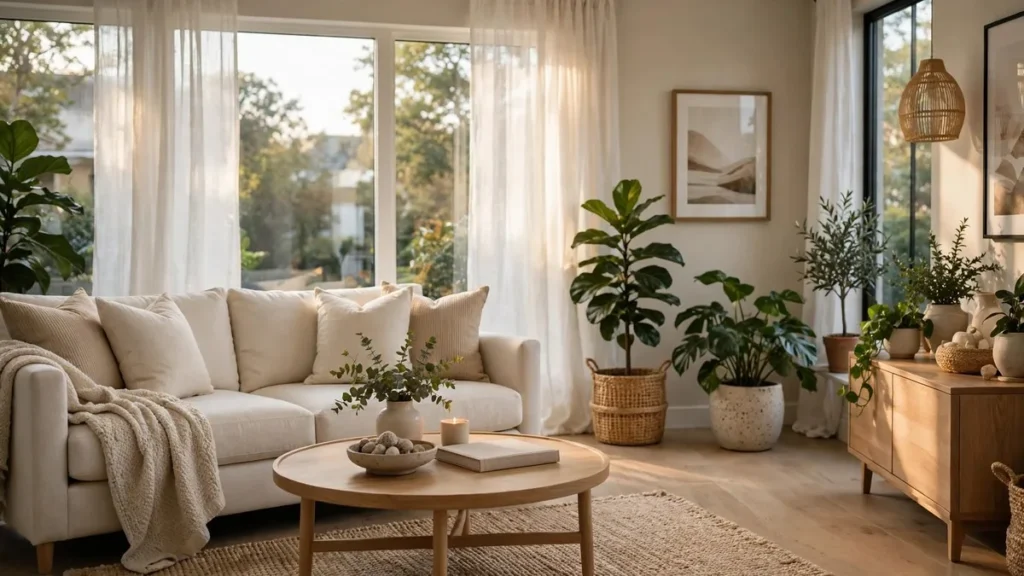
The living room is the one space in a home that has to do everything at once. It is where slow mornings begin, where friends gather in the evening, and where the day quietly winds down. In 2027, the best living room designs answer that pressure with calm rather than clutter. They favour rooms that feel collected over time, and they put comfort at the centre of every decision, from the depth of a sofa seat to the warmth of the evening light.
This year, the strongest ideas share a common thread: softness. Curves have replaced sharp corners, layered neutrals have replaced stark white, and natural materials such as oak, linen, wool, and rattan have replaced glossy, untouchable finishes. Colour is back, but it arrives gently, in deep greens, warm terracotta, dusty blue, and rich ochre. The result is a room that looks beautiful and feels wonderful to sit in for hours.
This guide brings together the seven best living room design ideas for 2027, each chosen for how it looks, how it lives, and how easily it adapts to real homes of different sizes and budgets. You will find practical guidance on choosing a direction, a comparison of the leading styles, a checklist, and answers to the questions readers ask most often. Whether you are starting from an empty room or refreshing a space you already love, there is an idea here that will fit.
Key takeaways
- Start with how you actually use the room, then choose a style that supports that life.
- Layer neutrals with texture, rather than relying on colour alone, to create lasting warmth.
- Invest in the pieces you touch every day, the sofa, the rug, and the lighting, before spending on decoration.
- Mix old and new, and include a natural material in every corner, so the room feels collected and calm.
- Trends change quickly, so treat bold ideas as accents you can update, and keep the largest pieces timeless.
What to Look for in a Living Room Design
A good living room design begins with proportion. Before choosing furniture, measure the room and sketch where people will walk and sit. A sofa that is too large will crowd the space and block light, while one that is too small will leave the room feeling unfinished. Leave clear paths between major pieces, and make sure the main seating faces a natural focal point, whether that is a window, a fireplace, or a low media console.
Light is the second decision that shapes everything else. Notice how sunlight moves through the room across the day, and choose colours and fabrics that look good in that light. North-facing rooms benefit from warm creams, soft golds, and honeyed wood, while sun-filled rooms can carry deeper greens, charcoal, and navy without feeling heavy. Layer overhead, task, and ambient light, so the room can shift from bright mornings to soft evenings.
Finally, look for designs that leave room for real life. A living room should welcome coffee cups, open books, and the occasional blanket left on an armrest. Choose fabrics that can be cleaned, rugs that can handle traffic, and surfaces that forgive a little wear. The most admired rooms are rarely the most pristine, and a design that only works when nobody touches it is a display, not a design.
How to Choose the Right Living Room Design for Your Home
Begin by naming the feeling you want when you walk into the room. Some want energy and conversation, others want quiet and rest, and most want something in between. Write down three words that describe your ideal evening, such as warm, calm, and welcoming, and use them as a filter for every choice that follows. If a piece does not support one of those words, it probably does not belong, however beautiful it looks on its own.
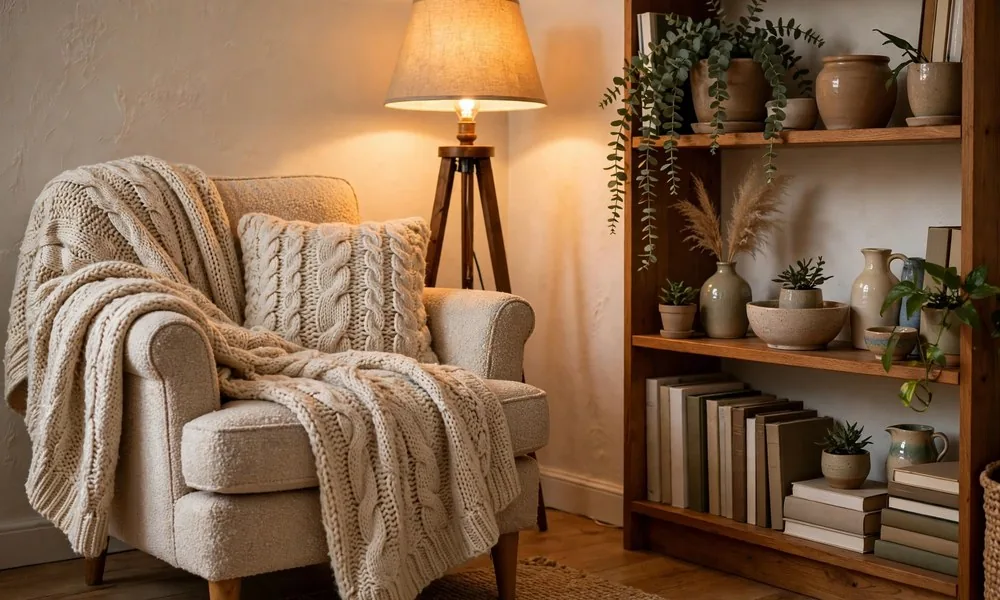
Next, take an honest inventory of what you already own and what the room demands. A small flat needs low furniture, mirrors, and pale floors to feel open, while a large room needs anchoring, with generous rugs, substantial sofas, and tall plants. Look for inspiration in places designed for comfort at scale, since the way a beautiful hotel suite balances space, light, and texture can teach a great deal about home, and the best luxury hotels in London show how layered lighting and generous seating create rooms that feel both grand and relaxing.
Set a budget in three parts, with the largest share for seating and rugs, a middle share for lighting and window treatments, and the smallest share for decoration. Buy the big pieces first and live with them for a few weeks before adding accessories. A cushion chosen in a hurry rarely earns its place, while one chosen after a month usually feels inevitable.
The Best Living Room Design Ideas for 2027
The seven ideas below are ranked by how well they combine beauty, comfort, and staying power. Each one works in a different kind of home, and each can be adapted up or down in budget. Read them as starting points, then borrow the elements that suit your room, your light, and your life.
1. Warm Minimalism with Soft Curves
Warm minimalism keeps the calm of a pared-back room and removes the coldness that once made minimal spaces feel unwelcoming. Walls stay in warm white, oatmeal, or pale stone, while furniture takes on rounded forms, from a curved sofa to an oval coffee table. The palette is deliberately narrow, so texture does the work, with bouclé, linen, wool, and light oak adding depth without visual noise.
This idea suits small and medium rooms especially well, because the lack of clutter and gentle shapes make the space feel larger. Keep decoration to a few meaningful objects, such as a ceramic vase and one piece of art you genuinely love. Every object earns its place by being useful or beautiful.
What We Like: the calm, uncluttered feeling, the way curved furniture softens a boxy room, and how easily the palette adapts to new cushions.
What to Consider: pale fabrics show marks more easily, so choose washable covers or performance fabrics if the room sees daily family use.
2. Layered Neutrals with a Bold Accent Wall
Layered neutrals offer a safe foundation with one confident gesture. The room is dressed in creams, taupes, and warm browns, then a single wall is painted in a deep colour such as forest green, burnt sienna, or midnight blue. That wall becomes the backdrop for the sofa, giving the room a clear focal point without overwhelming it.
Repeat the accent colour in small doses elsewhere, in a cushion, a throw, or a vase, so the wall feels connected to the room. Artwork with a pale frame stands out against a dark wall, and brass or wood details warm the contrast. Repainting one wall costs little and changes the whole mood.
What We Like: the drama of a single bold choice, the flexibility to change colour cheaply, and how well the neutral base suits any season.
What to Consider: a dark wall can make a small room feel smaller, so test a large painted sample first.
3. Classic Elegance with Modern Comfort
Classic elegance takes the proportions of a traditional room, such as panelled walls, a Chesterfield-inspired sofa, and a brass chandelier, and pairs them with the comfort of modern life. The sofa is deep enough to nap on, and the coffee table has room for laptops as well as teacups. Nothing is precious for its own sake.
The palette stays refined, with ivory, sage, dusty blue, and charcoal, while the materials do the talking, with velvet, marble, polished wood, and brushed brass. A large rug ties the seating group together, and symmetrical lamps give the room a composed, balanced feel. Choose this idea when you want a room that feels dressed up every day, without feeling formal.
What We Like: the timeless proportions, the sense of occasion it brings to ordinary evenings, and how well it suits period homes.
What to Consider: velvet and marble need regular care, and the look depends on symmetry, so it suits rooms with a clear centre.
4. Coastal Calm with Natural Textures
Coastal calm brings the ease of a seaside retreat into an everyday room. The palette is drawn from sand, sea glass, driftwood, and white linen, and the textures are the star, with rattan, jute, light oak, and washed cotton layered throughout. Furniture is low and relaxed, with slipcovered sofas and woven chairs that keep the room feeling airy.
Sheer curtains soften the light, while a few blue and green accents suggest the sea without turning the room into a theme. Plants thrive in this style, and a large olive tree adds life to pale corners. The mood is unhurried, and the room invites bare feet, open windows, and long, slow afternoons.
What We Like: the light, breezy atmosphere, the forgiving nature of natural textures, and how well it suits bright rooms.
What to Consider: pale slipcovers and jute rugs need regular cleaning, and the look can feel cold with little natural light.
5. Moody Luxe with Deep Colour and Brass
Moody luxe is the most dramatic idea on this list, and the most rewarding when it is done well. Walls are painted in deep green, aubergine, or charcoal, the sofa is upholstered in rich velvet, and brass lamps and mirrors catch the light. The effect is intimate and cocooning, and it makes evenings feel special.
Wood plays an important supporting role here, since dark walls need warmth to avoid feeling flat. A walnut coffee table or an oak sideboard adds grain and history, and keeping that wood in good condition matters more than ever against deep colour, so learning how to polish wood furniture will help the timber keep its depth and shine. Layer the lighting carefully, with dimmers on every lamp.
What We Like: the enveloping, luxurious atmosphere, the way brass and velvet glow in lamplight, and how flattering the palette is in the evening.
What to Consider: the look needs generous lighting, and dark colours show dust, so it suits decorators who enjoy maintaining a room.
6. Japandi Serenity with Low Furniture
Japandi blends Japanese restraint with Scandinavian warmth, and the result is one of the calmest rooms you can create. Furniture sits low to the ground, lines are clean, and the palette is built from warm whites, pale wood, and stone grey. Nothing is ornamental without purpose, and the room is designed around empty space as much as around objects.
A low platform sofa, a simple wooden coffee table, and a single floor cushion can furnish the heart of the room, while paper lanterns and linen curtains soften the light. Storage is hidden rather than displayed, which keeps surfaces clear. A single branch in a vase provides the only decoration the room needs, and its simplicity becomes the luxury.
What We Like: the profound sense of calm, the quality of the craftsmanship it encourages, and how little it costs to maintain.
What to Consider: low seating can be uncomfortable for older guests, so include at least one standard-height chair.
7. Eclectic Collector’s Room with Vintage Finds
The eclectic collector’s room is for people who love objects with stories. A vintage armchair sits beside a contemporary sofa, a flea-market mirror hangs above a modern console, and books and ceramics from different eras share the same shelves. The unifying thread is not a period or a colour, but a point of view, and the room feels personal in a way no showroom can.
To keep the mix from becoming chaos, hold one element constant, such as a wall colour or a single rug that anchors the seating. Group objects in odd numbers, leave breathing space, and edit ruthlessly, since a collector’s room works when every piece is loved, not when every surface is covered.
What We Like: the unmistakable personality, the sustainability of reusing vintage pieces, and how the room grows more interesting over time.
What to Consider: it is easy to tip from collected into cluttered, so regular editing is essential.
Comparison Table: The Best Living Room Design Ideas for 2027
| Idea | Best For | Colour Palette | Budget Level | Upkeep |
|---|---|---|---|---|
| Warm Minimalism with Soft Curves | Small and medium rooms | Warm white, oatmeal, pale stone | Medium | Moderate |
| Layered Neutrals with a Bold Accent Wall | Renters and first refreshes | Creams and taupes with one deep colour | Low | Low |
| Classic Elegance with Modern Comfort | Period homes and formal living | Ivory, sage, dusty blue, charcoal | High | Moderate |
| Coastal Calm with Natural Textures | Bright rooms and open plans | Sand, sea glass, driftwood, white linen | Medium | Moderate |
| Moody Luxe with Deep Colour and Brass | Evening entertaining | Deep green, aubergine, charcoal, brass | High | Higher |
| Japandi Serenity with Low Furniture | Calm, clutter-free living | Warm white, pale wood, stone grey | Medium | Low |
| Eclectic Collector’s Room | Personal, storied spaces | Mixed, anchored by one constant | Variable | Higher |
Your Living Room Checklist
- Measure the room, mark walkways, and confirm the sofa and rug fit with space to spare.
- Choose your three feeling words, and check every purchase against them before you buy.
- Plan three layers of light, overhead, task, and ambient, with dimmers where possible.
- Size the rug so the front legs of all main seating sit on it, anchoring the group.
- Include at least one natural material, such as wood, linen, or wool, in every zone of the room.
- Live with the big pieces for a few weeks, then add cushions, art, and accessories slowly.
Frequently Asked Questions
What is the most popular living room design for 2027?
Warm minimalism with soft curves is the most widely loved direction this year, because it suits almost any home and budget. Its palette of warm whites and oatmeal works with existing furniture, its curved shapes soften boxy rooms, and it can be refreshed cheaply with new cushions or a different rug.
How do I make a small living room look bigger?
Choose low furniture with visible legs, keep the palette pale and consistent, and use one large rug. Hang curtains high and wide, so the window appears larger, and use a mirror opposite a window to double the light. Keep surfaces clear, since visual clutter shrinks a room fast.
What colours work best in a living room?
Warm neutrals remain the safest choice, with creams, taupes, and soft greys forming a base that suits any accent. In 2027, deep green, terracotta, dusty blue, and ochre are the most popular accents. Always test large samples and observe them morning, noon, and evening before deciding.
Should the sofa match the armchairs?
Matching sets can look tidy, but they often feel like a showroom rather than a home. A better approach is to coordinate rather than match, by repeating one element, such as a colour or a wood tone, across pieces. A linen sofa with a leather chair creates contrast while still feeling deliberate.
How much should I spend on a living room redesign?
Spend the most on the pieces you use every day, above all the sofa and the rug, since their quality determines how the room feels. Lighting and window treatments come next, because they shape the atmosphere. A modest refresh of paint, cushions, and lighting can transform a room for a small sum, so phase the work if needed.
How do I create a living room that feels like a retreat?
Think about what makes a beautiful escape feel restorative: soft light, generous seating, natural textures, and a lack of clutter. A room designed around rest, with deep cushions and warm lamps, can feel like a holiday at home, and the calm found in the best honeymoon destinations offers a useful model for that unhurried atmosphere. Keep technology discreet.
The bottom line
The best living room design ideas for 2027 share a simple belief, that a room should serve the life lived in it before it serves a photograph. Warm minimalism, layered neutrals, classic elegance, coastal calm, moody luxe, Japandi serenity, and the eclectic collector’s room all succeed because they put comfort, light, and honest materials first. Choose the idea that matches how you spend your evenings, adapt it to your light and budget, and let the room grow with you.
Start with the largest decisions, the seating, the rug, and the light, and resist the urge to finish the room in a single weekend. A living room built slowly, with pieces chosen because they are loved, will always feel more like home than one assembled in a hurry. Measure carefully, and trust the feeling of the room over any rule.
Note: Colour and scale can look different in every home, so test paint samples and measure furniture before buying, and check return policies for large pieces.
Meet Our Experts
Our editors cover homes, travel, fashion, and lifestyle, studying how beautiful rooms are put together and how real people live in them. They research trends and write guides that favour practical comfort as much as style, so every recommendation is grounded in how a room will actually be used.
Why Trust BrassSmile
BrassSmile publishes thoughtful guides on homes, travel, fashion, beauty, and lifestyle, written to help readers make confident choices. Our articles are researched, clearly structured, and updated as trends change, and we focus on ideas that work in real homes.