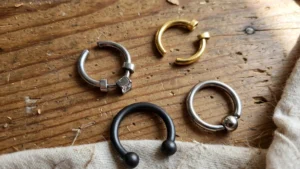
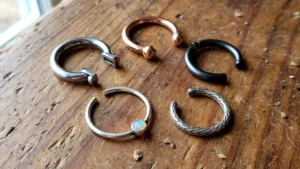
A nose stud is the smallest piece of jewellery that can change a whole face. It sits on one nostril, catches the light when you turn your head, and adds a finished note to an outfit without asking for attention. The problem is not finding a nose stud. It is finding one that sits flat, stays comfortable all day, suits your skin, and does not irritate a piercing that is still settling or has been healed for years.
That is why this guide is organised by style and metal, not just by popularity. A tiny gold ball stud can be the most flattering everyday choice and the wrong one if your skin reacts to the alloy underneath. A diamond-accented stud can look expensive at a modest price, but only if the stone is set well and the post is the right length for your nostril. Price alone is a poor guide. Some of the most comfortable studs are modestly priced, and some of the prettiest are the hardest to wear every day.
Below are nine nose studs worth considering in 2027. Each one is described by what it is good at, what to watch for, and who it suits best, so you can choose with your skin in mind, not just a bestseller list.
Key takeaways
- A nose stud is the most discreet nose jewellery, and the right one should sit flat against the nostril and feel like nothing after a few minutes.
- Implant-grade titanium, solid gold, and surgical steel are the safest metals for most skin, while cheap plated studs are the most common cause of irritation.
- Post length and gauge matter as much as the design: too short pinches, too long wobbles, and the wrong gauge can irritate a healed piercing.
- Match the stud to your other jewellery and your routine, and clean it gently with saline rather than harsh products.
- No nose stud suits every face or every piercing, and a stud that causes persistent redness, swelling, or discharge should be removed and checked, not worn through.
What a nose stud actually is
A nose stud is a small piece of jewellery worn through a nostril piercing, with a decorative top on the outside and a post or screw that holds it in place on the inside. Unlike a hoop, which circles through the piercing, a stud sits in one place. The top can be a plain ball, a flat disc, a gemstone, a pearl, or a tiny shape, and the part you see is usually no wider than a few millimetres. That small scale is the whole point. A nose stud adds a single point of shine, and it does not compete with earrings, a necklace, or makeup.
Most nose studs come in one of three fittings. A straight post with a flat back sits neatly and is easy to clean. A screw or L-shaped post bends inside the nostril and stays put without a separate back, which suits active days and sleeping. A push-pin or threadless stud clicks into place and is popular in studios because the top can be swapped without removing the post. None of these is better in every case. The right one depends on your piercing, your comfort, and how often you want to change the look.
Gauge and length are the two measurements that matter most and the two most often guessed wrong. Most nostril piercings are 20 gauge or 18 gauge, and a stud in the wrong gauge can feel loose or tight. Post length is usually 6 to 7 millimetres for a standard nostril, and a post that is too short presses into the skin while one that is too long catches on clothes and towels. If you do not know your gauge or length, a piercer can measure both in a minute.
How we chose these nose studs and what to look for
Look first at the metal. Implant-grade titanium and solid 14k or 18k gold are the safest choices for most skin, because they are stable and rarely cause reactions. Surgical steel is a good budget option for healed piercings, but it contains nickel, so anyone with a nickel sensitivity should avoid it. Gold-plated and fashion studs can look identical in a photograph and irritate within days, because the plating wears and the base metal underneath is not skin-safe. Our guide to the best gold jewellery for everyday wear explains why solid gold is worth the difference for pieces that touch skin all day.
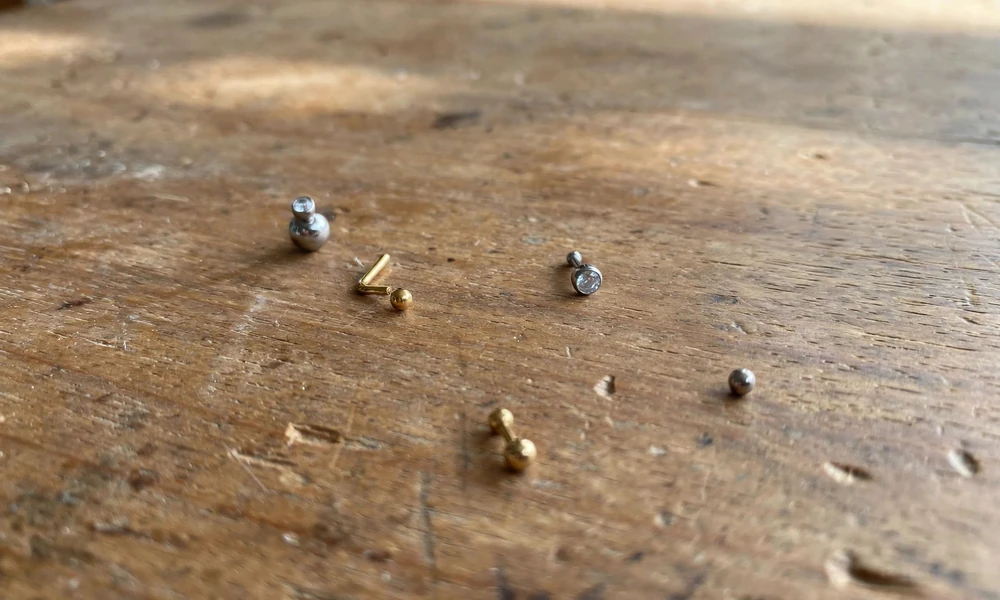
Look next at the setting and the finish. A gemstone should sit securely in its setting, with no wobble when you touch it gently, and the edges should be smooth against the skin. A polished finish is easier to clean and less likely to catch on fabric than a rough or textured one. A flat back is kinder to the inside of the nostril than a sharp screw end, especially while you sleep. These are small details, but they decide whether a stud is comfortable at hour eight or whether you are thinking about it all day.
Finally, look at the size of the top. A 2 millimetre ball or stone is subtle and suits most faces. A 3 millimetre stone makes a clearer statement and suits a larger nose or a bolder style. Anything much larger starts to look like a different piece of jewellery altogether, and it can overwhelm a small nostril.
The 9 best nose studs for women in 2027
The Classic Gold Ball Stud
What we like: A simple 14k gold ball on a straight post, smooth, warm, and easy to wear with everything from a white shirt to an evening dress. What to consider: A plain ball can look plain if you want sparkle, and the price rises with gold weight. Best for: Everyday wear and first-time stud wearers. Material: 14k solid gold. Price range: £40 to £120. Standout feature: The warm gold tone suits most skin tones and never dates.
The Diamond-Accented Stud
What we like: A small, well-set diamond or cubic zirconia that catches the light with every turn of the head, in a secure prong setting that does not wobble. What to consider: A larger stone can look heavy on a small nostril, and a cheap setting can loosen over time. Best for: Evenings, weddings, and anyone who wants a little sparkle. Material: 14k gold with a diamond or cubic zirconia. Price range: £60 to £400. Standout feature: The stone does the work, so the design stays simple.
The Silver Ball Stud
What we like: A polished sterling silver ball that looks cool and clean against the skin, at a price that makes it easy to own two or three. What to consider: Silver tarnishes and needs occasional cleaning, and it is not ideal for a fresh piercing. Best for: Cool skin tones and casual, everyday looks. Material: Sterling silver. Price range: £15 to £50. Standout feature: The cool silver tone suits grey, blue, and black outfits especially well.
The Pearl Nose Stud
What we like: A small freshwater pearl with a soft glow, elegant without being formal, and a change from metal and stone. What to consider: Pearls are delicate, so avoid perfume and hairspray on the stud, and wipe it gently after wear. Best for: Brides, formal occasions, and soft, romantic looks. Material: Freshwater pearl on a gold or titanium post. Price range: £30 to £90. Standout feature: The pearl’s glow flatters the skin in a way no metal can.
The Rose Gold Twist Stud
What we like: A rose gold stud with a small twisted or rope detail, warm and a little unusual, without being loud. What to consider: Rose gold is an alloy, so check the karat and the maker if your skin is sensitive. Best for: Warm skin tones and anyone who wants a stud with a little personality. Material: 14k rose gold. Price range: £50 to £150. Standout feature: The twist catches the light differently from a plain ball.
The Turquoise Bead Stud
What we like: A small turquoise bead that adds a pop of colour, cheerful and summery, and easy to pair with denim and white linen. What to consider: Turquoise is soft, so it can scratch, and the colour varies from stone to stone. Best for: Summer, holidays, and boho-inspired outfits. Material: Turquoise on a gold or silver post. Price range: £25 to £80. Standout feature: The blue-green colour is the most eye-catching on this list.
The Tiny Opal Stud
What we like: A small opal that shifts between blue, green, and pink as it catches the light, delicate and a little magical. What to consider: Opals are soft and should not be knocked or soaked, and they need gentle cleaning. Best for: Evenings and anyone who likes a stud with a hidden detail. Material: Opal on a gold or titanium post. Price range: £40 to £130. Standout feature: No two opals look quite the same.
The Flat-Back Labret Stud
What we like: A threadless flat-back stud that sits flush inside the nostril, comfortable to sleep in, and easy to swap tops on. What to consider: The flat disc can feel strange at first if you are used to a screw, and you need the right gauge. Best for: Sleeping, active days, and anyone who changes tops often. Material: Implant-grade titanium. Price range: £20 to £70. Standout feature: The flat back is the most comfortable fitting for overnight wear.
The Layered Double-Stud Set
What we like: A matched pair of tiny studs for two nostril piercings, or one stud plus a spare, in the same metal and finish so they look intentional. What to consider: You need two piercings to wear both at once, and the pair costs more than a single stud. Best for: Double piercings and anyone who likes a balanced, symmetrical look. Material: 14k gold or titanium. Price range: £70 to £200. Standout feature: Two small studs look more deliberate than one stud and a spare.
Which nose stud is right for you
Start with your piercing. A healed piercing can take almost any metal and fitting, while a fresh or easily irritated piercing needs implant-grade titanium or solid gold and a simple, smooth design. If you are not sure how old your piercing is or what gauge it is, a piercer can tell you in a minute. Our guide to the best nose rings for women covers the hoop side of the same question, if you are choosing between a stud and a ring.
Then think about your skin tone and your other jewellery. Warm gold suits warm skin and gold earrings. Silver suits cool skin and silver watches. Rose gold suits blush and peach tones. A diamond stud goes with almost everything, which is why it is the most popular choice, but a pearl or turquoise stud can be the better pick if you want the nose stud to be the interesting detail rather than a quiet one.
Finally, think about your routine. If you swim, sleep on your side, or change your jewellery often, a flat-back stud is the most practical. If you want one stud for every day and every occasion, a small gold ball or a diamond stud is the safest choice. If you want a stud for a wedding or a party, a pearl or opal stud will do more for the outfit than a plain ball ever could.
The caveats that matter
A nose stud is a small piece of jewellery, but it sits in a piercing, and that means it needs more care than a necklace or a ring. The most common problems are a stud that is too short and presses into the skin, a metal that irritates, or a setting that loosens and loses a stone. All three are avoidable if you check the fit, the metal, and the setting before you buy.
| Detail | What is known |
|---|---|
| Safest metals | Implant-grade titanium and solid 14k or 18k gold suit most skin |
| Most common gauge | 20 gauge or 18 gauge for most nostril piercings |
| Usual post length | 6 to 7 millimetres for a standard nostril |
| Best size for everyday | A 2 millimetre ball or stone is subtle and suits most faces |
| Cleaning | Saline solution or warm water, gently, once a day |
| Who should avoid silver | Fresh piercings and anyone with a nickel sensitivity should avoid cheap silver |
| When to check the setting | If a stone wobbles or the stud feels loose, stop wearing it until it is checked |
| What it does not do | A nose stud does not hide a piercing bump or heal an irritated piercing on its own |
If you are pregnant, breastfeeding, or taking medication that affects healing, speak to your piercer or clinician before changing jewellery in a piercing. That is not a formality. Healing changes with the body, and a simple check avoids weeks of irritation.
Checklist: choosing a nose stud honestly
Use these checks before you buy, and again after a week of wear.
- Check the metal: implant-grade titanium or solid gold for sensitive or healing skin, and avoid cheap plated studs.
- Check the gauge and length: know your gauge, and choose a post that sits flat without pressing into the skin.
- Check the setting: a stone should not wobble, and the edges should feel smooth against your skin.
- Check the size: a 2 millimetre top is subtle, a 3 millimetre top makes a statement, and larger tops can overwhelm a small nostril.
- Clean it gently: saline or warm water once a day, and no harsh soaps, alcohol, or peroxide on a piercing.
- Watch the first week: mild tenderness is normal, but persistent redness, swelling, or discharge means the stud should come out and be checked.
Frequently asked questions
What size nose stud should I buy?
Most nostril piercings are 20 gauge or 18 gauge, with a post length of 6 to 7 millimetres and a top of 2 to 3 millimetres. If you do not know your gauge, a piercer can measure it in a minute, and that is more reliable than guessing from an old order.
Can I wear a nose stud every day?
Yes, once the piercing is healed. A small, smooth stud in a safe metal is designed for daily wear, including sleeping. Remove it for swimming in the first weeks after a new piercing, and clean it gently once a day.
Is gold or titanium better for a nose stud?
Both are excellent. Solid gold is warm, classic, and easy to match with other jewellery. Implant-grade titanium is lighter, cheaper, and the safest choice for sensitive or healing skin. Either is far better than a cheap plated stud.
How do I clean a nose stud?
Use sterile saline solution or warm water, gently, once a day, and pat dry with a clean tissue. Avoid alcohol, hydrogen peroxide, and harsh soaps, which dry and irritate the skin around a piercing.
Why does my nose stud keep falling out?
Usually the fitting is wrong for your piercing. A screw or L-shaped post can work loose if it is too short, and a push-pin top can loosen if it is not clicked in fully. A piercer can check the fit and suggest a flat-back stud, which stays put more reliably. Our guide to the best pearl necklaces for women is a useful reminder that a secure clasp matters just as much in a necklace as a secure fitting does in a stud.
Can I wear a nose stud to work?
In most workplaces, yes. A small, discreet stud is usually accepted, especially in creative and customer-facing roles. If your workplace has a jewellery policy, check it first, and choose a tiny ball or flat stud rather than a large stone.
The bottom line
The best nose stud in 2027 is not the most expensive or the most dramatic. It is the one in a safe metal, in the right gauge and length, that you forget you are wearing. For most women, a small gold ball or a diamond stud is the safest everyday choice. For sensitive skin, implant-grade titanium is the smarter start, and it will still look polished with time.
Choose one stud, wear it for a week, and judge it on how your nose feels at the end of the day, not on how it looks in a product photo. That is the honest way to find a nose stud you will reach for every morning, without the irritation that makes people give up on one.