
Gold vs Silver Nostril Rings 2027: 9 Comparisons That Matter
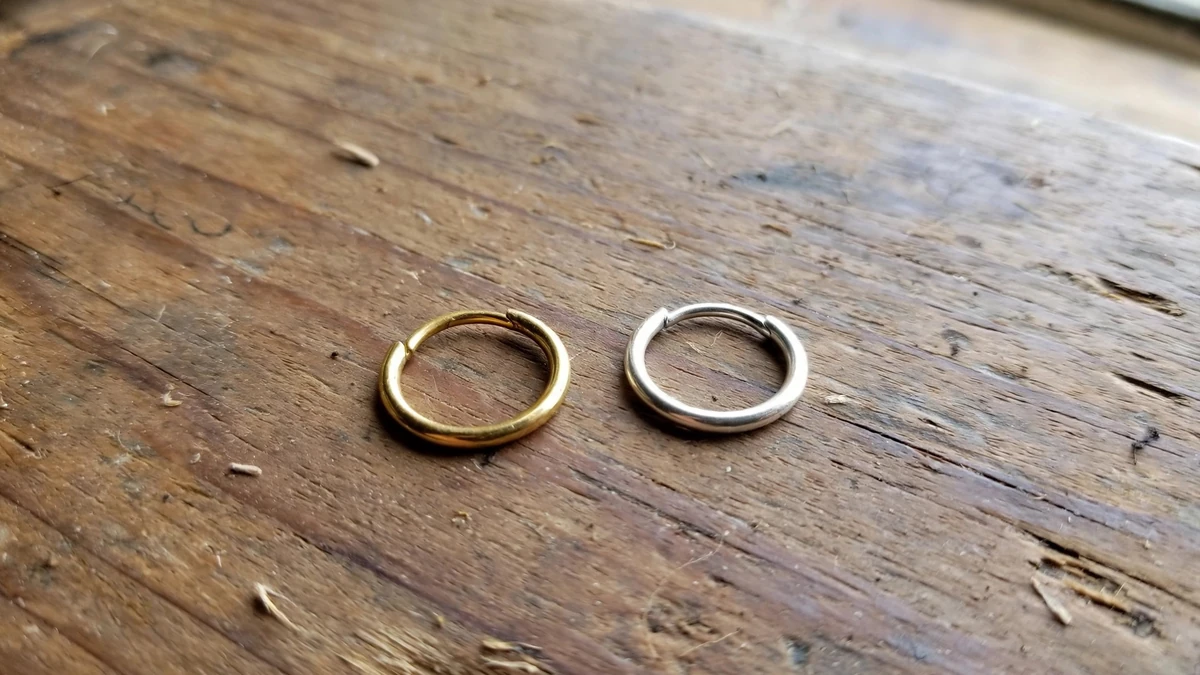
Gold and silver nostril rings do the same job, but they do not do it in the same way. Gold brings warmth, a soft glow, and a sense of occasion, even in a tiny hoop. Silver brings coolness, a clean line, and a quieter kind of polish that works with almost anything. The difference is not only colour. It is about how each metal behaves against your skin, how it ages, how much care it asks for, and how much it costs over time.
A nostril ring is small, but it sits at the centre of the face, so a small difference shows. A warm gold hoop can lift a plain outfit and flatter warm skin, while the same hoop in silver can look sharper and more modern. The wrong choice is not a disaster, it is simply a ring that never quite feels like yours, one you keep swapping out instead of reaching for every morning.
Below are nine comparisons that matter in 2027, from first impressions and skin tone to durability, cost, and what each metal is worth keeping. Each one is described plainly, so you can choose between gold and silver with your own face, budget, and routine in mind, not just a trend.
Key takeaways
- Gold suits warm and olive skin tones best, while silver suits cool and fair skin tones best, though either can work with the right shade.
- Solid gold and gold-filled rings last far longer than plated ones, and sterling silver needs regular cleaning to stay bright.
- Silver costs less to buy, but gold holds its value better and is usually the better long-term purchase.
- Both metals can irritate sensitive skin if they are plated or alloyed with nickel, so check the metal before you buy.
- No nostril ring suits everyone, and a metal that looks beautiful in a shop can look wrong against your skin, so try the shade before you commit.
What gold and silver nostril rings actually are
A gold nostril ring is a small hoop or stud made from gold, most often 14ct or 18ct, or from a cheaper base metal coated in gold. Solid gold is gold all the way through. Gold-filled means a thick layer of gold bonded to a base metal, which lasts far longer than thin gold plating. Plated gold is a thin wash of gold over another metal, and it wears away with time, especially on a piece that is touched and cleaned often.
A silver nostril ring is usually sterling silver, which is 92.5 percent pure silver mixed with other metals for strength. Sterling silver is bright, cool, and affordable, but it tarnishes. Tarnish is a dark film that forms when silver meets air and moisture, and it is normal, not a fault. It can be cleaned off, but it will come back, so silver asks for a little regular care.
The third option worth knowing is white gold, which is gold mixed with pale metals and coated in rhodium to look silver-white. If you want a truly silver look, sterling silver or platinum is simpler. If you want warmth, yellow or rose gold is the honest choice.
How we chose these comparisons and what to look for
Look first at the metal and how it is made. Solid 14ct gold is a good balance of durability and price for everyday wear. Gold-filled is the best value if solid gold is out of reach, because the gold layer is thick enough to last for years. Thin gold plating is the weakest choice for a nostril ring, since it can wear through in months and expose the base metal underneath.

Look next at the finish. A polished finish catches the light and looks dressier. A matte or brushed finish is quieter and suits everyday wear. Check the gauge and the diameter too. A 20-gauge ring is the usual choice for a nostril piercing, and the diameter decides whether the hoop sits close to the nose or hangs a little lower.
Finally, look at what the ring is paired with. Gold looks natural alongside other gold jewellery, and our guide to gold jewellery for everyday wear shows how a small gold piece can tie a whole outfit together. Silver looks natural alongside white gold, platinum, and cool-toned stones. Mixing metals is possible, but it works best when one metal clearly leads and the other is a small accent.
The 9 comparisons that matter in 2027
First impressions and how they look on the nose
What we like: Gold reads warm and noticeable, even in a tiny hoop, and it draws the eye to the centre of the face. Silver reads clean and modern, and it can look sharper in a photograph. What to consider: Gold can look too yellow against very cool skin, and silver can look washed out against very warm skin. Best for: Gold for a warm, soft first impression; silver for a cool, crisp one. Material: 14ct gold or sterling silver. Price range: Gold from around £40, silver from around £15. Standout feature: Gold glows in warm light; silver shines in daylight.
Warmth against skin tone
What we like: Gold flatters warm, olive, and deep skin tones, because its warmth echoes the warmth in the skin. Silver flatters cool, fair, and pink-toned skin, because its coolness balances it. What to consider: Rose gold sits between the two and suits more skin tones than either yellow gold or silver alone. Best for: Warm skin with gold, cool skin with silver. Material: Yellow gold, rose gold, or sterling silver. Price range: Rose gold from around £45, silver from around £15. Standout feature: Rose gold is the most forgiving shade across skin tones.
Everyday wear and durability
What we like: Solid gold is hard-wearing and does not tarnish, so it survives daily wear, washing, and sleeping without changing. Sterling silver is strong too, but it scratches more easily and tarnishes. What to consider: Gold-filled is nearly as durable as solid gold for a fraction of the price, while plated gold can wear through in months. Best for: Daily wear with solid gold or gold-filled; occasional wear with plated gold. Material: 14ct solid gold or gold-filled. Price range: Solid gold from around £80, gold-filled from around £30. Standout feature: Solid gold keeps its colour for years without any care.
Tarnish, care and upkeep
What we like: Gold asks for almost nothing. Warm water, mild soap, and a soft cloth keep it bright. Silver asks for more, but a silver cloth and a quick polish bring it back. What to consider: Silver tarnishes faster in humidity, near the sea, or if it is stored in the open. Gold-plated rings cannot be polished hard, because polishing removes the plating. Best for: Low maintenance with gold; regular care with silver. Material: 14ct gold or sterling silver. Price range: A silver cloth costs a few pounds; gold needs no special products. Standout feature: Gold stays bright with almost no effort.
Comfort and weight on the nose
What we like: Both metals are light in a small nostril ring, and a well-made hoop in either metal is comfortable all day. Gold is slightly denser, so a large gold hoop can feel a little heavier than the same hoop in silver. What to consider: A rough edge or a poorly finished clasp irritates far more than the weight of the metal, so check the finish before you buy. Best for: All-day comfort with a smooth, polished hoop in either metal. Material: 14ct gold or sterling silver, polished finish. Price range: Comfortable hoops from around £15 in silver and £40 in gold. Standout feature: A smooth, seamless hoop is the most comfortable shape in either metal.
Cost for one ring and for a set
What we like: Silver is the cheaper way to build a small collection, and you can buy several silver hoops for the price of one solid gold ring. Gold costs more, but one good gold ring can last for years. What to consider: The price gap grows with size. A small gold stud is affordable; a large gold hoop is not. Best for: A collection on a budget with silver; one lasting piece with gold. Material: Sterling silver for a set, 14ct gold for a single piece. Price range: Silver hoops from around £12 to £30 each; gold hoops from around £40 to £150. Standout feature: Silver lets you try several styles before you commit to gold.
Matching outfits and other jewellery
What we like: Gold pairs naturally with warm colours, earthy tones, and other gold jewellery. Silver pairs naturally with black, white, cool blues, and other silver or white-gold pieces. What to consider: Mixing metals can work, but it looks best when one metal clearly leads and the other appears only once or twice. Best for: Warm wardrobes with gold; cool and monochrome wardrobes with silver. Material: Yellow gold or sterling silver to match your other jewellery. Price range: Matching sets from around £30 in silver and £90 in gold. Standout feature: A gold nostril ring ties together a gold necklace and gold earrings without effort.
Occasion and dress code
What we like: Gold reads slightly more formal and suits weddings, evenings, and occasions where you want to look polished. Silver reads slightly more casual and suits everyday wear, work, and daytime events. What to consider: The size of the ring matters more than the metal. A tiny hoop in either metal is discreet; a large hoop in either metal is a statement. Best for: Formal occasions with gold; everyday and work with silver. Material: 14ct gold for formal wear, sterling silver for daily wear. Price range: Small discreet hoops from around £15 in silver and £40 in gold. Standout feature: A small gold hoop is the most versatile single choice for both formal and everyday wear.
Keeping it afterwards: resale and keepsake value
What we like: Solid gold holds value because gold itself holds value, and a well-made gold ring can be kept, gifted, or resold. Sterling silver holds far less, because silver is cheaper and tarnishes. What to consider: Gold-filled and plated rings have little resale value, even if they look like solid gold. Keep the receipt and any hallmark or certificate if you buy solid gold. Best for: A keepsake or investment with solid gold; a fashion piece with silver. Material: Solid 14ct or 18ct gold. Price range: Solid gold from around £80; silver rarely resells above a few pounds. Standout feature: A solid gold nostril ring is a small piece of jewellery you can keep for life.
Which nostril ring is right for you
Start with your skin. Warm, olive, or deep skin usually looks better in gold, and cool, fair, or pink-toned skin usually looks better in silver. Rose gold is worth trying if you are unsure, because it suits a wider range of skin tones than either yellow gold or silver. Hold the ring near your face in daylight and trust what you see.
Next, think about your other jewellery. If you wear gold every day, a gold nostril ring will fit in without a second thought. If you wear silver, the same is true in reverse. A guide to the best nose rings for women shows the same warmth and coolness rules on the face.
Finally, be honest about care and budget. Gold costs more and asks for almost nothing. Silver costs less and asks for regular cleaning. If you want one ring to last for years with no effort, choose solid gold or gold-filled. If you want to try several styles and change your look often, silver gives you more choice for less money.
The caveats that matter
Both metals are safe for most people, but neither is safe for everyone. The problem is rarely pure gold or pure silver. It is the other metals mixed in, especially nickel, which is a common cause of irritation. If your skin reacts to cheap jewellery, look for nickel-free gold or sterling silver, and avoid plated rings with an unknown base metal.
| Detail | What is known |
|---|---|
| Best for warm skin | Yellow or rose gold flatters warm, olive, and deep skin tones |
| Best for cool skin | Sterling silver flatters cool, fair, and pink-toned skin |
| Tarnish | Gold does not tarnish; sterling silver tarnishes and needs polishing |
| Durability | Solid gold and gold-filled last years; thin plating wears through in months |
| Cost | Silver hoops from around £12; solid gold hoops from around £40 to £150 |
| Sensitive skin | Choose nickel-free gold or sterling silver; avoid unknown plated base metals |
| Resale value | Solid gold holds value; sterling silver holds very little |
| What neither does | Neither metal suits every skin tone, and neither fixes a poorly healed piercing |
If your piercing is new or still healing, do not change the ring to chase a colour. A healing piercing needs a stable, well-made ring in a metal your piercer recommends, and changing it early can set healing back by weeks. Wait until it is fully healed, then choose between gold and silver freely.
Checklist: choosing between gold and silver
Use these checks before you buy, and again before you wear a new ring out.
- Check your skin tone in daylight: warm skin leans gold, cool skin leans silver, and rose gold suits both.
- Check the metal: solid gold or gold-filled for gold, sterling silver for silver, and avoid thin plating.
- Check for nickel: if cheap jewellery irritates you, choose a nickel-free ring and keep the receipt.
- Check the finish: run a fingertip around the hoop and reject it if you feel a rough edge.
- Check your other jewellery: match the metal you already wear most, so the ring fits your everyday look.
- Check the price per year: a dearer ring that lasts five years is often cheaper than a cheap ring replaced twice a year.
Frequently asked questions
Is gold or silver better for a nostril ring?
Neither is better in general. Gold suits warm skin, lasts longer, and holds value, while silver suits cool skin, costs less, and is easier to collect in several styles. The best choice is the one that suits your skin and your budget.
Does silver tarnish on the nose?
Yes, sterling silver tarnishes over time, because it reacts with air and moisture. A silver cloth and a quick polish restore the shine. If you dislike regular cleaning, gold is the easier choice.
Is gold-filled as good as solid gold?
For everyday wear, gold-filled is close. It has a thick layer of gold bonded to a base metal, so it lasts for years and looks like solid gold. It does not hold resale value the way solid gold does, but it is much cheaper.
Can I wear a gold nostril ring with silver earrings?
Yes, if one metal clearly leads. A gold nostril ring with one small silver accent can look deliberate, but mixing metals in equal amounts can look accidental. Keep one metal dominant and the other as a small detail.
Which metal is safest for sensitive skin?
Nickel-free solid gold and sterling silver are both good choices for sensitive skin. The risk comes from plated rings with an unknown base metal, which can expose nickel once the plating wears. A guide to pearl necklaces for women is a useful reminder that classic, simple jewellery in a proven metal is usually the kindest choice for sensitive skin.
How long does a gold nostril ring last?
A solid gold nostril ring can last for many years, even decades, with almost no care beyond soap and water. A gold-filled ring lasts for years. A thinly plated gold ring may last only a few months before the base metal shows through.
The bottom line
Gold and silver are both good choices for a nostril ring, and the right one depends on your skin, your other jewellery, and how much care you are willing to give. Gold is warmer, harder-wearing, and holds its value, which makes it the better choice if you want one lasting piece. Silver is cooler, cheaper, and easier to collect, which makes it the better choice if you want to try several styles.
Choose by daylight, not by shop lights. Hold each metal near your face, look at which one makes your skin look brighter, and buy the best-made ring you can afford in that metal. A well-made hoop in the right metal is a small thing you will reach for every morning, and that is the real test of whether you chose well.