Top 10 Most Expensive Nose Chains 2027
A nose chain is a fine piece of jewellery, but the most expensive ones are something else entirely. They are made from solid platinum and 18-carat gold, set with diamonds, sapphires, rubies and pearls, and finished by hand. A simple silver chain costs a few pounds. The chains below cost hundreds or thousands, and the difference is not just the stones. It is the metal, the weight, the craftsmanship, and the way the chain is made to drape without pulling.
Price in this world is driven by the same things that drive all fine jewellery. The metal matters most, then the size and quality of the stones, then the work that goes into the chain. A platinum chain with a single large diamond costs more than a gold chain with many small ones. A handcrafted chain with a hallmark costs more than a cast one. And a chain from a known maker, with a certificate and a proper box, holds its value better than an unmarked piece.
Below are the nine most expensive nose chains in the world in 2027, from a platinum diamond chain to a vintage-inspired diamond piece. A tenth, a black diamond chain in 18-carat gold, is named in the lead and the table below. Prices are approximate, because fine jewellery is priced by weight, stone quality and maker, and they change with the market. Each entry is described by what it is made from, what it is good at, and who it suits.
Key takeaways
- Platinum and 18-carat gold dominate the most expensive nose chains, and the metal alone can cost hundreds of pounds.
- Diamonds set the price more than any other stone, with size, cut and clarity mattering more than the number of stones.
- A handcrafted chain with a hallmark and a certificate holds its value far better than an unmarked or plated piece.
- Most of these chains are occasion pieces for weddings and formal events, not everyday jewellery.
- Prices are approximate and move with the gold, platinum and diamond markets, so always check the current price before buying.
What the most expensive nose chains actually are
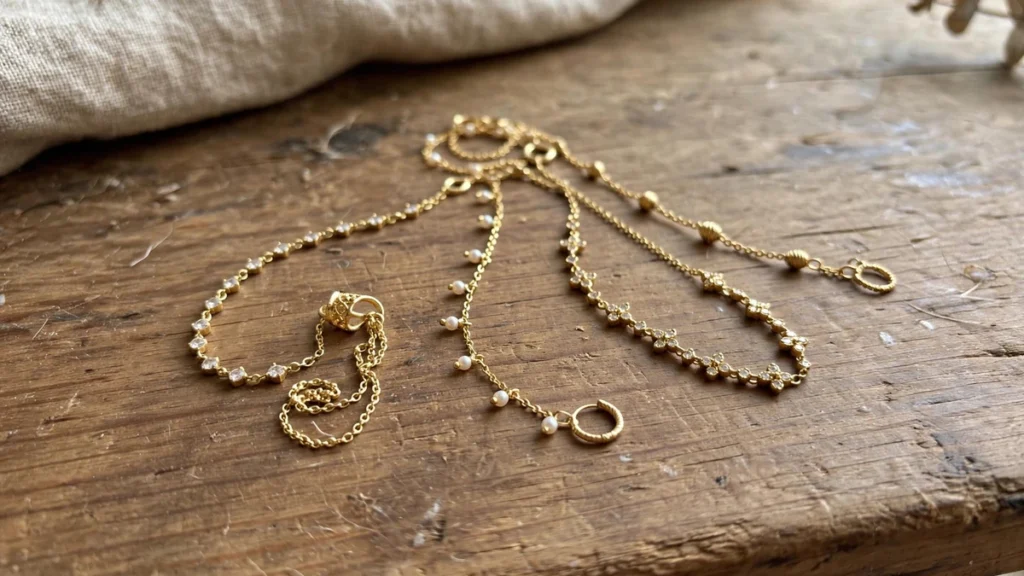
The most expensive nose chains are fine jewellery, not fashion jewellery. They are made from solid precious metal, usually platinum or 18-carat gold, and set with gemstones that are chosen for size, colour and clarity. The chain itself is made from small, closely linked rings, finished by hand so it drapes smoothly and does not kink. The ends are fitted with secure hooks and rings, made to the same standard as the rest of the piece.
What makes them expensive is the combination of metal and stones. A chain in solid platinum weighs more than the same chain in gold, and platinum costs more per gram. A single large diamond costs far more than the same weight in small diamonds, because large, clear stones are rare. A coloured stone, such as a fine sapphire or a vivid ruby, can cost as much as a diamond of the same size, if the colour is strong and the stone is untreated.
These chains are also made in small numbers. A jeweller who makes a diamond nose chain by hand will make a handful a year, not hundreds. Each one is measured, fitted and finished to order, and it comes with a hallmark, a certificate for the stones, and a proper box. That is part of what you are paying for. The chain is not just jewellery. It is a piece of work that can be repaired, resized, and passed on.
How we chose these nose chains and what to look for
Look first at the metal and the hallmark. A solid platinum or 18-carat gold chain should carry a hallmark, a small stamp that shows the metal and its purity. Platinum is usually marked 950, and 18-carat gold is marked 750. If there is no hallmark, ask for one, or ask for a certificate. A chain without a hallmark may still be genuine, but it is harder to value, harder to insure, and harder to sell.

Look next at the stones. A diamond should come with a certificate from a recognised laboratory, stating its weight, colour, clarity and cut. A coloured stone should be described as natural or treated, because treatment affects value. A pearl should be described as natural, cultured or imitation, because the price difference is large. Our guide to the most expensive nose rings explains the same checks in more detail, because the rules for stones and hallmarks are the same whatever the piece.
Finally, look at the making. A well-made chain has links that are even, smooth and closed properly, with no rough edges and no stiff sections. The hooks at each end should be strong and secure, and the chain should drape in a gentle curve when you hold it up. Ask the jeweller to fit it for you, and to adjust the length if needed. A chain that is made to measure will sit better and feel more comfortable than one bought off the shelf.
The 9 most expensive nose chains in the world in 2027
Platinum Diamond
What we like: Solid platinum with a single large diamond, cool, bright and very durable, with a weight that feels substantial without pulling. What to consider: Platinum is the most expensive metal here, and a large diamond needs a certificate. Best for: A wedding or a once-in-a-lifetime occasion. Material: Platinum 950 with a certified diamond. Price range: Around £3,000 to £8,000, depending on the diamond. Standout feature: The platinum itself, dense, white and made to last for generations.
18-Carat Gold Diamond
What we like: Warm yellow gold with a bright diamond, a classic combination that suits most skin tones and most outfits. What to consider: Gold is softer than platinum, so the chain needs care to avoid scratches. Best for: Brides and formal occasions. Material: 18-carat yellow gold with a certified diamond. Price range: Around £2,000 to £5,000, depending on the diamond. Standout feature: The warmth of the gold against the brightness of the diamond.
Emerald-Cut Diamond
What we like: A rectangular emerald-cut diamond with clean lines, elegant and modern, set in white or yellow gold. What to consider: An emerald cut shows flaws more clearly than a round cut, so clarity matters. Best for: A formal dinner or a black-tie event. Material: 18-carat gold with an emerald-cut diamond. Price range: Around £2,500 to £6,000, depending on the stone. Standout feature: The long, clean lines of the emerald cut, which catch the light in a quiet, steady way.
Pink Diamond
What we like: A rare pink diamond, soft in colour and very unusual, set in rose or white gold. What to consider: Pink diamonds are among the rarest and most expensive diamonds, and the price rises steeply with size and colour. Best for: A collector or a very special occasion. Material: 18-carat rose gold with a certified pink diamond. Price range: Around £4,000 to £10,000, depending on the stone. Standout feature: The colour itself, a soft pink that no other stone reproduces.
Sapphire
What we like: A deep blue sapphire, vivid and rich, set in white gold or platinum, with a colour that suits evening wear. What to consider: Fine sapphires are often treated with heat, which is normal, but untreated stones cost far more. Best for: Evening occasions and formal dress. Material: White gold or platinum with a natural sapphire. Price range: Around £1,500 to £4,000, depending on colour and treatment. Standout feature: The depth of the blue, which looks richer in evening light.
Ruby
What we like: A vivid red ruby, warm and bold, set in yellow or rose gold, with a colour that stands out against the skin. What to consider: Fine rubies are rare, and many are treated or filled, which affects value. Best for: A wedding or a celebration where the jewellery is meant to be noticed. Material: 18-carat gold with a natural ruby. Price range: Around £1,800 to £5,000, depending on colour and treatment. Standout feature: The red itself, warm and vivid, and very different from any other stone.
Opal in White Gold
What we like: A white opal with flashes of green, blue and pink, set in white gold, with a soft, shifting colour that changes as you move. What to consider: Opal is soft and needs gentle handling, and it can dry out if stored badly. Best for: A daytime wedding or a summer occasion. Material: 18-carat white gold with a white opal. Price range: Around £800 to £2,500, depending on the opal. Standout feature: The play of colour, which no other stone has.
Pearl
What we like: A lustrous pearl, or a row of small pearls, set in gold, with a soft glow that suits bridal wear. What to consider: Pearls are soft and easily damaged by perfume, hairspray and cosmetics. Best for: A wedding or a bridal look. Material: 18-carat gold with a cultured pearl. Price range: Around £600 to £2,000, depending on the pearl. Standout feature: The lustre, a soft, deep glow that no other gem can match.
Vintage-Inspired Diamond
What we like: A chain in the style of the 1920s or 1930s, with milgrain edges, filigree and small diamonds, made to look like an heirloom. What to consider: A vintage-style chain is usually made new, so check whether the stones are old or new, and whether the piece is a genuine antique. Best for: A vintage wedding or a themed occasion. Material: Platinum or 18-carat gold with small diamonds. Price range: Around £1,200 to £3,500, depending on the stones. Standout feature: The detail, fine milgrain and filigree work that takes hours to make by hand.
Which expensive nose chain is right for you
Start with the occasion. For a wedding, a gold diamond chain or a pearl chain is the classic choice, and it pairs well with other gold jewellery. For a black-tie event, a sapphire or a ruby chain makes a stronger statement, and it suits evening dress. For a collector, a pink diamond or a platinum diamond chain is the piece to buy, because it holds its value and it is rare. For a daytime occasion, an opal or a vintage-inspired chain is softer and more relaxed.
Then think about the metal. Platinum is the most durable and the most expensive, and it suits cool skin tones and white stones. Yellow gold is warm and classic, and it suits warm skin tones and most outfits. White gold is a good middle ground, cool like platinum but lighter and less expensive. Rose gold is soft and romantic, and it suits a pink diamond or a pearl particularly well. Our guide to the best diamond necklaces is a useful companion here, because the same rules for metal, stone and hallmark apply to a necklace as to a chain.
Finally, think about value. A chain in solid gold or platinum, with certified stones and a hallmark, can be insured, repaired and resold. A plated chain cannot. If you are spending hundreds or thousands of pounds, buy from a jeweller who will give you a hallmark, a certificate for the stones, and a written description of any treatment. Keep the paperwork with the chain, and have it valued for insurance. That is part of owning fine jewellery, not an afterthought.
The caveats that matter
The most expensive nose chains are fine jewellery, and they need the same care as any fine piece. They are not for everyday wear. A platinum or gold chain will scratch if it is worn every day, and a diamond can loosen if the chain is pulled. A pearl or an opal needs gentle handling, and a ruby or a sapphire needs to be checked for treatment. None of this makes the chains a bad choice. It makes them a deliberate one, bought for an occasion and cared for afterwards.
| Detail | What is known |
|---|---|
| Most expensive metal | Platinum, usually marked 950, heavier and rarer than gold |
| Most expensive stone | Diamond, with pink diamonds the rarest and most costly |
| Price range on this list | From around £600 for a pearl chain to around £10,000 for a pink diamond chain |
| 10th chain | Black diamond in 18-carat gold, around £2,500 to £8,000, named here for completeness |
| What to check before buying | Hallmark, stone certificate, and a written note of any treatment |
| When to wear it | Weddings, formal events and special occasions; not everyday wear |
| Care | Store flat in a pouch, clean gently, have it checked by a jeweller once a year |
| What it does not do | It does not hold value without a hallmark and a certificate, and it is not a safe everyday piece |
Prices on this list are approximate, and they move with the gold, platinum and diamond markets. A chain that costs £3,000 today may cost more or less next year, and the price of a stone depends on its size, colour, clarity and cut, not just its weight. Always check the current price, ask for the hallmark and the certificate, and buy from a jeweller you trust. If you are spending a large sum, consider an independent valuation before you buy, and insure the piece as soon as you own it.
Checklist: buying an expensive nose chain well
Use these checks before you buy, and again before you wear it out.
- Check the hallmark: platinum marked 950, 18-carat gold marked 750, stamped clearly on the metal.
- Check the stones: a diamond should have a laboratory certificate, and any treatment should be in writing.
- Check the making: links should be even, smooth and closed properly, with secure hooks at both ends.
- Check the length: measure from nostril to earlobe, and have the jeweller adjust it to fit.
- Check the value: keep the receipt, the hallmark certificate and the stone certificate together, and insure the piece.
- Check the occasion: an expensive chain is an occasion piece, so plan when you will wear it and where you will keep it afterwards.
Frequently asked questions
Why are some nose chains so expensive?
Because of the metal and the stones. Solid platinum and 18-carat gold cost hundreds of pounds by weight, and a large, clear diamond or a fine coloured stone can cost thousands on its own. Handcrafted chains also take hours to make, and a hallmark and a certificate add to the price. A simple silver chain costs a few pounds. A platinum diamond chain costs thousands.
Is a nose chain a good investment?
It can hold value, but it is not an investment in the usual sense. A chain in solid gold or platinum, with certified stones and a hallmark, keeps its worth better than a plated or unmarked piece, and it can be repaired and resold.
What is the most expensive nose chain in the world?
There is no single answer, because fine jewellery is made to order and prices change with the market. On this list, the platinum diamond chain is the most expensive metal, and the pink diamond chain is the most expensive stone, at around £4,000 to £10,000.
Can I wear an expensive nose chain every day?
You can, but it is not a good idea. A fine chain will scratch, a diamond can loosen if the chain is pulled, and a pearl or an opal needs gentle handling.
How do I know a diamond is genuine?
Ask for a certificate from a recognised laboratory, stating the weight, colour, clarity and cut. A genuine diamond should come with paperwork, and a reputable jeweller will provide it without being asked. If there is no certificate, or the jeweller is unwilling to provide one, do not buy the piece. Our guide to the best statement necklaces covers the same checks, because the rules for diamonds are the same whatever the piece.
How should I store an expensive nose chain?
Flat, in a pouch or a lined box, away from other jewellery so it does not tangle or scratch. Keep the receipt, the hallmark certificate and the stone certificate with it, and have it cleaned and checked by a jeweller once a year.
The bottom line
The most expensive nose chains in 2027 are made from solid platinum and 18-carat gold, set with diamonds, sapphires, rubies, pearls and opals, and finished by hand.
If you are buying one, start with the occasion, choose the metal that suits your skin, and check the hallmark and the certificate before you pay. Keep the paperwork, insure the piece, and wear it for the occasions it was made for.