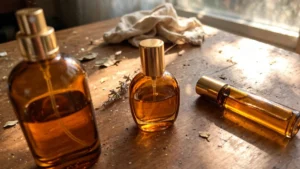
Woody is the quiet backbone of perfumery. It rarely shouts, it almost never sparkles, and it is the reason so many great perfumes still smell good eight hours after you sprayed them. Cedar, sandalwood, vetiver and oud give a fragrance its structure, its dryness and its staying power, and a woody perfume is often the one people remember on you without quite knowing why.
The problem is that “woody” covers a wide range. A cedar-led scent can smell clean, dry and pencil-sharp, while a sandalwood-led one is creamy, soft and almost milky. Vetiver is grassy and smoky, oud is dark and animalic, and a woody perfume can be any of these, or a blend of several.
Below are nine woody perfumes worth considering in 2027, from a creamy sandalwood classic to a dry cedar-led modern scent. Each one is described by what it does well, what to watch for, and who it suits best, so you can choose with your nose and your routine in mind, not just a bestseller list.
Key takeaways
- Woody is a family, not a single smell: cedar is dry and clean, sandalwood is creamy, vetiver is grassy and smoky, and oud is dark and rich.
- Woody perfumes last longest of all fragrance families, because woods are base notes that fade slowly over many hours.
- Woody scents are the most versatile in perfumery, working for daytime, office wear and evening with only a change in dose.
- Test woody perfumes on skin, because cedar and vetiver can smell sharp on paper and much softer once they warm up.
- No woody perfume suits every occasion, and a heavy oud can overwhelm a small room, so dose dark woods lightly at first.
What woody actually smells like
Woody smells dry, warm and grounded, with a texture somewhere between polished timber and dry earth. Cedarwood is the cleanest of the woods, with a dry, pencil-shaving sharpness that smells fresh without being citrusy. Sandalwood is the opposite, creamy and soft, with a milky smoothness that rounds off sharp edges in a blend. Vetiver brings a grassy, slightly smoky green note, while oud, the most intense wood, is dark, resinous and almost leathery.
Most woody perfumes blend two or three of these woods rather than relying on one. A cedar-and-vetiver scent smells dry and tailored, the kind of perfume that suits a blazer. A sandalwood-and-cedar blend is softer and more versatile, working from the office to dinner.
Woods are almost always base notes, which is why woody perfumes are famous for longevity. They appear late, after the bright top notes have gone, and they stay, changing slowly rather than fading in a straight line. A good woody perfume smells better in its third hour than its first, and the drydown is the part you will actually live with all day.
How we chose these woody perfumes and what to look for
Look first at which wood leads. A cedar-led scent is the driest and cleanest, and the safest choice if you want a woody perfume for daytime or the office. A sandalwood-led scent is creamier and softer, and the best choice if you find cedar too sharp. A vetiver-led scent is grassy and slightly smoky, and suits people who like green, earthy smells. An oud-led scent is the darkest and richest, and the one to save for evenings.

Look next at concentration and size. Woods are heavy, so an eau de parfum usually gives the full effect, while an eau de toilette version can feel thin by afternoon. A 50 ml bottle is plenty for most people, because woody scents are strong and two sprays are often enough. Check the listed notes too: cedar, vetiver and Iso E Super together signal a dry, modern woody, while sandalwood, cardamom and amber signal a warmer, creamier one. Our guide to what a woody perfume actually is explains the family in more detail, including how the main woods differ from each other.
Finally, consider the setting. Woody scents are the most versatile family in perfumery, and the same bottle can work in the office with two sprays and at dinner with three. If you want one woody perfume to cover everything, choose a cedar or sandalwood-led one rather than an oud.
The 9 best woody perfumes of 2027
Tom Ford Oud Wood
What we like: A smooth, polished oud blended with sandalwood, vetiver and cardamom, so it smells dark without ever turning animalic. It is the most wearable oud on the market and the easiest way into the wood family. What to consider: It is soft and close to the skin rather than loud, so it will not project across a room. Best For: Office wear and anyone trying oud for the first time. Material: Oud, sandalwood, vetiver, cardamom. Price Range: Premium, around £200–£300 for 50 ml. Standout Feature: The smoothest, most approachable oud here.
Le Labo Santal 33
What we like: A creamy sandalwood scent with cardamom, iris and violet, built around Australian sandalwood. It smells like warm skin and old paper, and it has become the modern reference for sandalwood. What to consider: It is extremely popular, so you will smell it on other people, and the price has risen steadily. Best For: Everyday wear and lovers of creamy woods. Material: Sandalwood, cardamom, iris, violet. Price Range: Premium, around £150–£230 for 50 ml. Standout Feature: The defining sandalwood perfume of the last decade.
Diptyque Tam Dao
What we like: A dry, meditative sandalwood with cedar and cypress, inspired by the forests of Vietnam. It smells like a temple made of pale wood, clean and calm, with almost no sweetness. What to consider: It is quiet and linear, so people who want a dramatic, changing perfume may find it too still. Best For: Minimalists and anyone who wants a calm, dry woody. Material: Sandalwood, cedar, cypress. Price Range: Mid to premium, around £110–£170 for 75 ml. Standout Feature: The driest, most meditative sandalwood here.
Byredo Super Cedar
What we like: A clean, modern cedar scent with rose and vetiver, built on Virginia cedarwood. It smells like a freshly sharpened pencil and a clean shirt, dry and bright rather than heavy. What to consider: The rose is noticeable at first, so it suits people who enjoy a floral edge to their woods. Best For: Daytime and warm weather, when heavier woods feel too much. Material: Virginia cedar, rose, vetiver. Price Range: Premium, around £140–£200 for 50 ml. Standout Feature: The cleanest, brightest cedar here.
Pick this one if you want a woody perfume that feels fresh and modern, and that works in months when darker woods feel too heavy.
Comme des Garçons Wonderwood
What we like: A dry, peppery woody built on cedar, vetiver, oud and sandalwood, with a sharp, almost mineral edge. It smells like a carpenter’s workshop after rain, and it is the most architectural scent in this list. What to consider: It is dry and austere, so it will not suit people who want a soft or sweet woody. Best For: Lovers of dry, minimal scents and cooler months. Material: Cedar, vetiver, oud, sandalwood. Price Range: Mid to premium, around £90–£140 for 50 ml. Standout Feature: The driest, most architectural woody here.
Wonderwood is the connoisseur’s choice, and it rewards people who like their woods sharp, dry and unsweetened.
Hermès Terre d’Hermès
What we like: A warm, earthy woody with cedar, vetiver, grapefruit and flint, built around the idea of tilled soil. It smells like earth after rain and polished wood, and it is one of the most respected masculine-leaning woods ever made. What to consider: The grapefruit opening is sharp, so give it twenty minutes before judging the drydown. Best For: Everyday wear and anyone who wants a grounded, earthy woody. Material: Cedar, vetiver, grapefruit, flint accord. Price Range: Mid, around £80–£130 for 100 ml. Standout Feature: The most earthy, grounded woody here.
Chanel Égoïste
What we like: A warm, spicy sandalwood with rosewood, vanilla and cinnamon, made in the classic Chanel style. It is creamy, elegant and quietly confident, and it has aged better than almost any woody from its era. What to consider: It is a 1990s composition, so it smells more polished and formal than the modern minimal woods. Best For: Evening wear and lovers of classic, elegant scents. Material: Sandalwood, rosewood, vanilla, cinnamon. Price Range: Mid to premium, around £90–£150 for 100 ml. Standout Feature: The most elegant, classic sandalwood here.
Égoïste is the bottle for people who want a woody perfume with history, and who prefer polish to novelty.
Creed Bois du Portugal
What we like: A rich, aromatic woody with cedar, sandalwood, lavender and bergamot, made in the Creed house style. It smells like a tailored suit in a cedar-lined wardrobe, and it lasts all day. What to consider: Premium price, and the lavender opening is prominent, so it leans traditional. Best For: Formal occasions and lovers of classic, tailored scents. Material: Cedar, sandalwood, lavender, bergamot. Price Range: Premium, around £200–£300 for 100 ml. Standout Feature: The most formal, tailored woody here.
Bois du Portugal is the special-occasion woody in this list, and the one to choose when the setting calls for something unmistakably polished.
Frederic Malle French Lover
What we like: A dry, green woody built on vetiver, cedar and angelica, with a sharp, almost metallic edge. It smells like cut grass and dry timber, and it is the most distinctive vetiver-led scent in this list. What to consider: It is green and austere, so it will not suit people who want a warm or sweet woody. Best For: Lovers of vetiver and dry, green scents. Material: Vetiver, cedar, angelica. Price Range: Premium, around £180–£260 for 50 ml. Standout Feature: The greenest, most distinctive vetiver here.
French Lover is the most unusual bottle on this list, and the best choice if you want a woody perfume that smells like nothing else you own.
Which woody perfume is right for you
Start with the wood you enjoy most. If you like clean, dry scents, choose a cedar-led perfume such as Super Cedar or Wonderwood, where the wood does the talking and the sweetness stays low. If you prefer soft, creamy scents, choose a sandalwood-led one such as Santal 33, Tam Dao or Égoïste, where the wood feels like warm skin. If you like green, earthy smells, choose a vetiver-led scent such as French Lover or Terre d’Hermès. If you want richness, choose an oud-led one such as Oud Wood, and save it for evenings.
Think about when you will wear it. Woody scents are the most versatile family in perfumery, and most of these bottles work from the office to dinner with only a change in dose. The darkest woods, Oud Wood and Bois du Portugal, earn their keep in the evening, when their depth has room to show.
Budget matters less than fit. The most affordable woody here, Terre d’Hermès, is one of the most loved, and the most expensive, Bois du Portugal, is the most formal. That is the woody that belongs in your collection. Cedarwood perfumes are the closest neighbours to this family, so if you already love cedar, a cedar-led woody will feel familiar from the first spray.
The caveats that matter
Woody perfumes are a forgiving family, but they have limits. Dark woods such as oud can overwhelm a small room, and some woody accords contain Iso E Super, a synthetic wood molecule that a small number of people cannot smell at all, which makes the perfume seem to vanish on them.
| Detail | What is known |
|---|---|
| What woody is | A family built on cedar, sandalwood, vetiver and oud, usually as base notes |
| Best season | All year, with cedar-led woods best in warm weather and oud-led woods best in cold |
| How long it lasts | Usually 8 to 12 hours on skin, longer on fabric, because woods fade slowly |
| How much to spray | Two sprays are enough for most woods, three for evening, as they are strong |
| Who should start gently | People who cannot smell Iso E Super may find some modern woods fade fast on them |
| What to avoid pairing | Another heavy woody on the same day, as the two will blur into one flat scent |
| Storage | Cool, dark place away from heat, as woods and resins degrade in warmth and light |
| What it does not do | It does not project loudly, and it will not smell the same on paper as on skin |
If you are pregnant, breastfeeding, or using prescription skincare, check with your clinician before trying a new fragrance, especially one with a high concentration of natural woods. That is not a formality. Strong wood notes can irritate sensitised skin, and a simple check avoids a week of discomfort.
Checklist: choosing a woody perfume honestly
Use these checks before you buy, and again after a full day of wear.
- Check which wood leads: cedar is dry and clean, sandalwood is creamy, vetiver is grassy, oud is dark and rich.
- Check the notes: cedar, vetiver and Iso E Super signal a dry modern woody, while sandalwood and amber signal a warmer one.
- Test on skin, not paper, and wait at least four hours before deciding, because woods change as they warm up.
- Spray two sprays only at first, and add a third only if it still feels quiet after an hour.
- Check the drydown at bedtime, because that is the part of a woody perfume you will actually live with.
- Store the bottle away from heat and light, and finish it within two to three years of opening for the best scent.
Frequently asked questions
What does woody smell like in perfume?
Dry, warm and grounded, with a texture like polished timber or dry earth. Cedar is clean and sharp, sandalwood is creamy and soft, vetiver is grassy and smoky, and oud is dark and rich, so the word woody describes a family, not one exact smell.
Is woody a good perfume for everyday wear?
Yes, it is the most versatile family in perfumery. A cedar or sandalwood-led woody works in the office with two sprays and at dinner with three, and it lasts all day without needing to be reapplied.
How long does a woody perfume last?
Usually eight to twelve hours on skin and longer on fabric, because woods are base notes that fade slowly. Two sprays are normally enough, and spraying more rarely makes it last longer.
Can I wear woody perfume in summer?
Yes, especially a cedar-led woody such as Super Cedar, which stays dry and clean in warm weather. Save the darkest ouds for cold months, because heat makes them feel heavier.
Why does my woody perfume disappear on my skin?
Some modern woody accords rely on Iso E Super, a synthetic wood molecule that a small number of people cannot smell, so the perfume seems to vanish on them while others can smell it clearly. If that happens, try a natural-wood-led scent instead. Sandalwood perfumes are a good place to start, because most of them are built on real sandalwood rather than synthetics.
What is the difference between woody and oriental perfume?
Woody perfumes are built on dry woods such as cedar and sandalwood, while oriental perfumes are built on warm resins, vanilla and spice. Woody scents feel drier and more tailored, while orientals feel warmer, sweeter and richer.
The bottom line
The best woody perfume in 2027 is not the most expensive or the darkest. It is the one whose wood matches your taste and your routine, that you will reach for on ordinary days as well as special ones, and that still smells good at bedtime. For a creamy sandalwood, Santal 33 and Tam Dao set the standard. For a dry, modern cedar, Super Cedar and Wonderwood are the smarter buys.
Choose one woody, wear it for a full week across different settings, and judge it on the drydown, not the first spray. That is the honest way to find a woody perfume that earns its place in your collection, rather than one that sits on the shelf looking beautiful and unworn.