

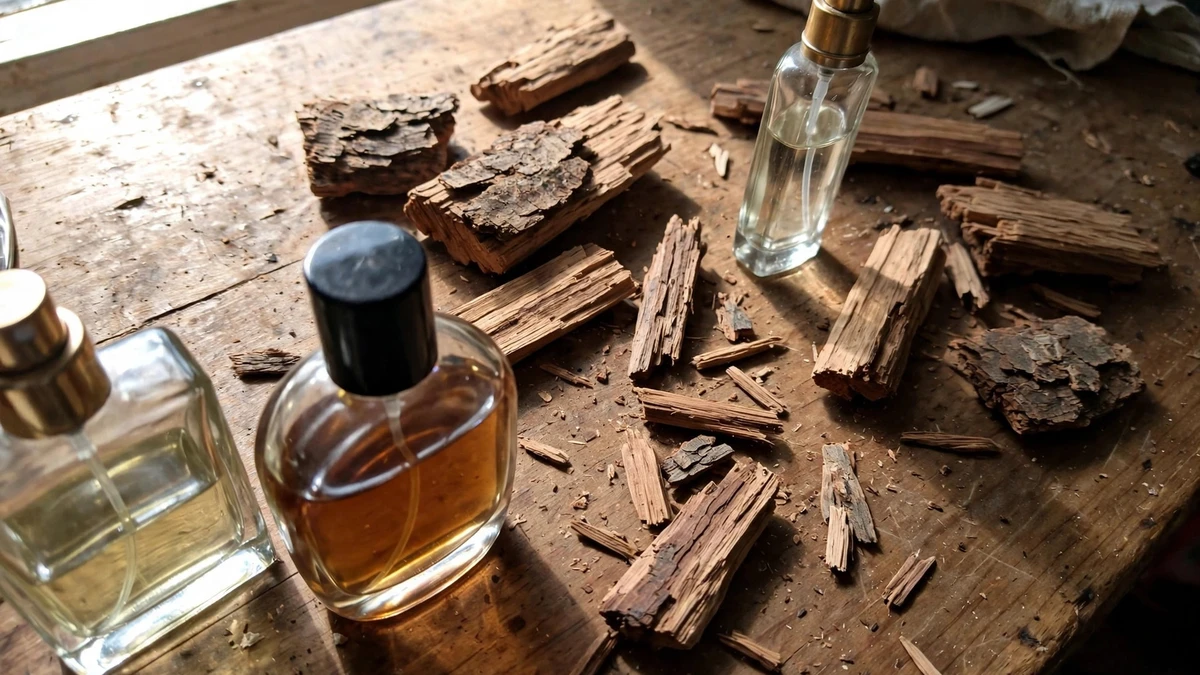

Cedarwood is the quiet backbone of modern perfumery. It rarely shouts, and it rarely takes the top billing, yet it is the note that makes a fragrance feel warm, dry and grounded rather than sweet or sharp. It smells like pencil shavings and sawdust in the best sense, like a cedar chest opened after a winter, like dry timber warmed by the sun. In a perfume, it gives structure to florals, softens citrus, and keeps sweet notes from turning cloying.
The problem is that not all cedarwood perfumes smell like cedarwood. Some use a whisper of it as a base note and lean on vanilla or musk instead. Others are built around a single cedar accord that smells more like a furniture showroom than a forest.
Below are nine cedarwood perfumes worth considering in 2027, from a classic woody eau de parfum to lighter, fresher options that work in warmer weather. Each one is described by what it is good at, what to watch for, and who it suits best, so you can choose with your nose in mind, not just a bestseller list.
Key takeaways
- Cedarwood smells dry, warm and woody, with pencil-shaving and sawdust facets, and it works as a base note that gives a fragrance structure and longevity.
- Atlas cedar is soft, warm and slightly sweet; Virginia cedar is drier and more pencil-like; Texas cedar is smokier and more resinous.
- Cedarwood perfumes suit autumn and winter best, but lighter cedar and citrus blends work well in spring and on cool summer evenings.
- Spray on skin, not paper, and give it twenty minutes: cedarwood opens slowly and the drydown is where the note really shows.
- No perfume smells identical on two people, and a cedarwood fragrance that smells dry and elegant on one person can turn sharp or soapy on another, so test before buying a full bottle.
What cedarwood actually smells like in a perfume
Cedarwood in perfumery is not one smell. Atlas cedar, from the Atlas Mountains of Morocco, is the softest of the three main types: warm, slightly sweet, with a hint of amber and a creamy dryness that sits close to the skin. Virginia cedar, which is actually a juniper, is drier and cleaner, with the unmistakable pencil-shaving quality that most people picture when they hear the word cedar. Texas cedar is the boldest, smokier and more resinous, with a leathery edge that suits evening wear.
Most perfumes do not use a single type. They blend cedarwood oil with synthetics such as Iso E Super, cedramber and Cashmeran, which stretch the woodiness, add a velvety texture, and help the scent last.
What cedarwood does in a composition is anchor it. It is almost always a base note, which means it appears late and stays longest. It gives florals a dry bed to rest on, stops citrus from vanishing in an hour, and keeps vanilla and tonka from turning too sweet. Our guide to what a woody perfume is explains the wider family cedarwood belongs to, and why woody scents tend to wear better in cold weather than bright, citrus-led ones.
How we chose these perfumes and what to look for
Look first at the kind of cedarwood and how it is used. A perfume that lists Atlas cedar in the base and pairs it with amber or sandalwood will usually be warm and soft. One built on Virginia cedar with vetiver or grapefruit will usually be drier and more transparent. Neither is better in itself; they suit different moods, seasons and skin.
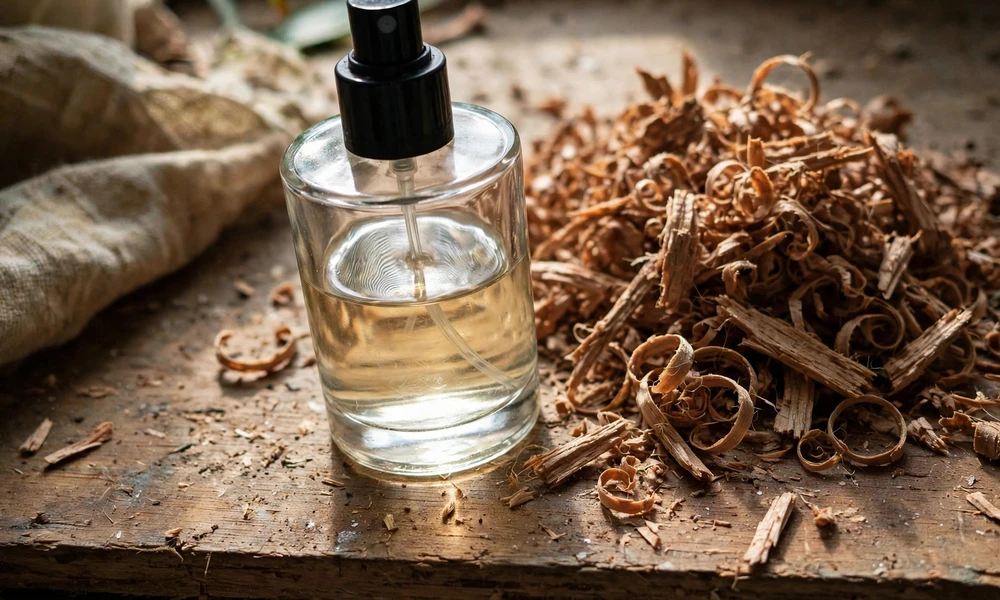
Look next at concentration and longevity. Eau de parfum is the safest bet for a cedarwood scent, because the note needs enough strength to carry through the drydown. Eau de toilette versions can be lovely and fresher, but they often fade to a faint woodiness by the afternoon.
Finally, look at what sits around the cedarwood. Citrus and cardamom make it bright and daytime-friendly. Amber, vanilla and tonka make it warm and evening-ready. Leather and smoke make it bold and best kept for cold weather. If you already know you love sandalwood perfumes, look for cedar blends that pair the two woods, because they share a creamy warmth and layer well together.
The 9 best cedarwood perfumes of 2027
Le Labo Santal 33
What we like: A dry, smoky sandalwood and cedarwood blend with cardamom and iris, famously long-lasting, with a leathery drydown that smells expensive without being sweet.
What to consider: Premium price, and it is a cult scent, so you will smell it on other people. Best for: Evening wear and cold weather. Material: Glass bottle, 50 ml. Price range: Premium, around $200 to $230. Standout feature: The cedar and sandalwood drydown lasts twelve hours or more on skin.
This is the cedarwood perfume other cedarwood perfumes are measured against. The cedar is what keeps the sandalwood from turning creamy and soft, and the result is a dry, confident scent that works from the office to dinner.
Byredo Mojave Ghost
What we like: A soft, airy take on cedarwood, with ambrette, magnolia and violet, that smells like sun-warmed wood rather than a timber yard. Unusually light for a woody scent.
What to consider: Subtle projection, so it suits close wear rather than making an entrance. Best for: Daytime and spring. Material: Glass bottle, 50 ml. Price range: Premium, around $190 to $220. Standout feature: The most sheer, wearable cedarwood on this list, with a clean musky finish.
If heavy woods feel too much for you, this is the cedarwood to try. It is the rare woody perfume that works in warm weather.
Tom Ford Oud Wood
What we like: A smooth, polished cedarwood and oud blend with cardamom and vanilla, warm and quietly luxurious, with excellent longevity and a refined, office-safe character.
What to consider: Premium price, and the oud here is a soft, synthetic version, not the animalic oud of Middle Eastern perfumery. Best for: Work and formal occasions. Material: Glass bottle, 50 ml. Price range: Premium, around $250 to $280. Standout feature: The smoothest blend on this list, with no sharp edges from first spray to drydown.
A safe, polished choice for anyone who wants cedarwood without the pencil-shaving sharpness.
Diptyque Tam Dao
What we like: A straightforward, elegant cedarwood with sandalwood, cypress and a hint of spice, inspired by the forests of Vietnam. Dry, calm and beautifully simple.
What to consider: Linear, so what you smell in the first minutes is close to what you get all day. Best for: Anyone who wants pure cedarwood without sweetness. Material: Glass bottle, 75 ml. Price range: Premium, around $160 to $190. Standout feature: The most faithful cedarwood on this list, with a meditative, forest-floor quality.
This is the purist’s cedarwood. If you want to know what cedarwood actually smells like, start here.
Jo Malone Wood Sage & Sea Salt
What we like: A fresh, breezy cedarwood and sage blend with sea salt and ambrette, light enough for daily wear and easy to layer with other Jo Malone scents.
What to consider: A cologne, so longevity is shorter, around four to five hours. Best for: Everyday wear and warm weather. Material: Glass bottle, 100 ml. Price range: Mid to premium, around $110 to $150. Standout feature: The freshest cedarwood on this list, with a coastal, windswept character.
The best entry point for cedarwood if you usually wear fresh or aquatic scents. It is light, clean and inoffensive, and it works as a base for layering with a floral or citrus cologne.
Hermès Terre d’Hermès
What we like: A mineral, earthy cedarwood with grapefruit, flint and vetiver, famously elegant and long-lasting, with a dry, sun-baked quality that feels grown-up without feeling old.
What to consider: The mineral edge can read austere on some skin, and it is best in cooler weather. Best for: Autumn, winter and formal days. Material: Glass bottle, 100 ml. Price range: Premium, around $120 to $160. Standout feature: The most distinctive cedarwood here, with a flinty, earthy character no other perfume on this list shares.
A classic for a reason. It is the cedarwood perfume that smells like a well-cut suit: structured, understated and quietly confident.
Chanel Égoïste
What we like: A warm, spicy cedarwood and sandalwood blend with coriander, rose and vanilla, rich and enveloping, with the polish and depth Chanel is known for.
What to consider: Rich and warm, so it suits cold weather better than summer, and the vanilla can dominate on very warm skin. Best for: Evening wear and winter. Material: Glass bottle, 100 ml. Price range: Premium, around $130 to $170. Standout feature: The warmest, most enveloping cedarwood on this list, with a spicy rose heart.
The most romantic cedarwood here. It is a winter-evening scent through and through, and it rewards patience.
Aesop Hwyl
What we like: A smoky, resinous cedarwood with cypress, frankincense and moss, inspired by Japanese forests. Quiet, contemplative and genuinely different from mainstream woody perfumes.
What to consider: Subtle and smoky, so it may feel too quiet if you like strong projection. Best for: Quiet days, reading, and cool weather. Material: Glass bottle, 50 ml. Price range: Mid to premium, around $130 to $160. Standout feature: The smokiest cedarwood on this list, with a temple-like frankincense and moss accord.
This is the cedarwood for people who find most perfumes too loud. It sits close to the skin and smells like smoke and damp timber.
Commodity Book
What we like: A clean, modern cedarwood with ambrette, musk and a hint of vanilla, designed to smell like old paper and polished wood. Simple, wearable and very easy to like.
What to consider: A newer brand, so it is less widely stocked, and the scent is deliberately understated. Best for: Daily wear and layering. Material: Glass bottle, 100 ml. Price range: Mid, around $110 to $140. Standout feature: The most wearable everyday cedarwood on this list, with a soft, bookish warmth.
The easiest cedarwood to wear every day. It is soft, clean and unshowy.
Which cedarwood perfume is right for you
Start with the season. In autumn and winter, reach for the warm, rich cedarwoods: Santal 33, Égoïste, Terre d’Hermès and Hwyl all have the depth and longevity cold air rewards. In spring and summer, reach for the lighter ones: Mojave Ghost and Wood Sage & Sea Salt are built for warm weather, and they will not turn heavy or cloying when the temperature rises.
Then think about the occasion. For work, Oud Wood and Terre d’Hermès are the safest choices, polished and office-appropriate without being boring. For evenings, Égoïste and Santal 33 have the warmth and presence that suit a dinner or a night out. For everyday wear, Commodity Book and Wood Sage & Sea Salt are light enough to wear without thinking about them.
Finally, think about your skin. On oily skin, cedarwood tends to last longer and smell warmer, so the drier, pencil-like options such as Tam Dao and Terre d’Hermès are often the best match. If you are still deciding between fragrance families, our guide on how to choose a perfume walks through matching a scent to your skin, your season and your routine, which is the fastest way to avoid a bottle you never reach for.
The caveats that matter
Cedarwood is generally well tolerated, but it is a strong base note, and strong base notes can behave unexpectedly on skin. A perfume that smells dry and elegant on a paper strip can turn sharp, soapy or almost medicinal on warm skin, especially in the first ten minutes. Always test on skin, wait at least twenty minutes, and smell the drydown before deciding. A scent that smells wrong at first spray can settle into something beautiful, and a scent that smells perfect at first can turn flat by the afternoon.
| Detail | What is known |
|---|---|
| Main cedar types | Atlas cedar is soft and warm, Virginia cedar is dry and pencil-like, Texas cedar is smoky and resinous |
| Where it sits in a perfume | Almost always a base note, appearing late and lasting longest |
| Best seasons | Autumn and winter for rich cedarwoods, spring and cool summer evenings for lighter blends |
| How much to spray | Two to three sprays on neck and wrists; overspraying turns cedarwood sharp |
| How long it lasts | Eight to twelve hours for eau de parfum, four to six for lighter colognes |
| Who should test carefully | People with sensitive skin or fragrance sensitivity, and anyone who finds woody scents turn soapy on them |
| What pairs well | Citrus and cardamom for brightness, amber and vanilla for warmth, leather and smoke for evening |
| What it does not do | It does not smell the same on everyone, and it does not fix a perfume whose top notes you dislike |
If you have sensitive skin, eczema, or a known fragrance sensitivity, patch-test any new perfume on your inner arm first and wait a day before wearing it on your neck or chest. If you are pregnant or breastfeeding, ask your clinician before using a new fragrance, especially one with a high concentration of essential oils. These are simple checks, but they save weeks of irritation.
Checklist: choosing a cedarwood perfume honestly
Use these checks before you buy, and again after a week of wear.
- Check the cedar type: Atlas for warmth, Virginia for dryness, Texas for smoke, and ask the brand if the listing is vague.
- Check the concentration: eau de parfum lasts longer and suits cedarwood better than a light cologne.
- Test on skin, not paper: spray your wrist, wait twenty minutes, and judge the drydown, not the opening.
- Test in the right season: a rich cedarwood that smells perfect in November can feel heavy in July.
- Spray less than you think: two to three sprays is enough, and cedarwood builds quietly over the first hour.
- Store it well: keep the bottle upright, away from light and heat, and use it within two years of opening.
Frequently asked questions
What does cedarwood smell like in a perfume?
Dry, warm and woody, with pencil-shaving, sawdust and sun-warmed timber facets. Atlas cedar is softer and slightly sweet, Virginia cedar is drier and more pencil-like, and Texas cedar is smokier and more resinous. Most perfumes blend cedarwood with synthetics to stretch and smooth it.
Is cedarwood a men’s or women’s fragrance note?
Neither. Cedarwood is a unisex note used in men’s, women’s and unisex perfumes. What makes a cedarwood perfume read masculine or feminine is usually the supporting notes: leather and smoke lean masculine, rose and vanilla lean feminine, and most of the perfumes on this list are worn by everyone.
Does cedarwood perfume last long?
Yes, usually eight to twelve hours for an eau de parfum, because cedarwood is a base note and base notes last longest. Lighter colognes last four to six hours. Oily skin holds cedarwood longer than dry skin, so moisturise first if your skin is dry.
Can I wear cedarwood perfume in summer?
Yes, if you choose a lighter blend. Mojave Ghost and Wood Sage & Sea Salt are built for warm weather. Rich, amber-leaning cedarwoods such as Égoïste and Santal 33 are better kept for autumn and winter, when cold air keeps them from turning heavy.
What notes pair well with cedarwood?
Citrus and cardamom make it bright, amber and vanilla make it warm, sandalwood makes it creamy, and leather and smoke make it bold. Vetiver and grapefruit are classic partners for a dry, daytime cedarwood, while tonka and musk soften it for evening wear.
Is cedarwood safe for sensitive skin?
Cedarwood is generally well tolerated, but any fragrance can irritate sensitive skin. Patch-test on your inner arm first, wait a day, and avoid spraying on broken or freshly shaved skin. If redness or itching appears, stop using it and choose a fragrance-free option instead.
The bottom line
The best cedarwood perfume in 2027 is not the most expensive or the most famous. It is the one whose cedar type matches your taste, whose supporting notes suit your season, and whose drydown you still like after eight hours. For a pure, faithful cedarwood, Tam Dao is the benchmark. For a dry, polished everyday scent, Terre d’Hermès is hard to beat. For a light, warm-weather cedarwood, Mojave Ghost is the one to try first.
Choose one, test it on skin, give it twenty minutes, and judge it on the drydown. Cedarwood rewards patience more than almost any other note, and the perfume that smells merely pleasant at first spray is often the one you reach for every day a year later.


