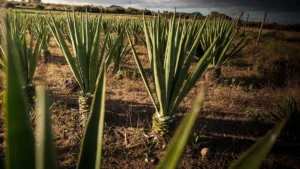
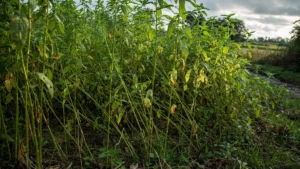
Jute is the golden fibre of the Bengal delta, the rough brown cloth that becomes sacks, rope, carpets and shopping bags. Most people know it only as a finished product, stiff and earthy to the touch, and never see where it begins. A jute farm retreat takes you to that beginning: monsoon fields of tall green stalks, ponds where the cut stems soak until the fibre loosens, and handlooms where the dried strands are woven into cloth.
The appeal is not luxury in the usual sense. You walk fields that were flooded a month earlier, you stand at the edge of a retting pond while the bundles come out, and you eat with the family that grew the fibre you are standing on.
Below are nine jute farm retreats worth considering in 2027, from delta farm stays in Bangladesh to mill towns and weaving villages across eastern India, Nepal, Vietnam and Myanmar. Jute has been grown in this delta for centuries, and the farms here still work the way their grandparents did. The best stays let you see that work up close.
Key takeaways
- Jute is a rain-fed fibre crop grown mainly in the Bengal delta, in Bangladesh and eastern India, and it is harvested in the monsoon season.
- The best time to visit is during the retting season, roughly June to September, when the ponds are busy and the fields are at their tallest.
- White jute and tossa jute are the two main kinds, and they look, feel and behave differently in the field and on the loom.
- Most stays are simple farm guesthouses or village houses, with home cooking and early mornings, not hotel-style service.
- Retting ponds smell, the fields are muddy, and the best farms are hours from the nearest city, so this is a working-farm trip, not a resort stay.
What a jute farm retreat actually is
A jute farm retreat is a stay on or beside a working jute farm, where the farm is the reason for the trip rather than a backdrop. You sleep in a farm guesthouse or a village house, you eat what the household cooks, and your days are organised around the farm’s work: walking the fields, watching the harvest, standing by the retting pond, and visiting the loom shed or the mill.
Jute grows fast. Sown with the first monsoon rains, it reaches two to three metres in about four months, and it is cut while the stalks are still green. The cut stems are bundled and left in ponds or slow-moving water for two to three weeks, a process called retting, which softens the bark so the fibre can be stripped away by hand. A retreat timed to the retting season lets you see all of this in sequence, which is the whole point of going.
That timing matters more than the room. A jute farm in the dry season is a quiet place with empty ponds and cut fields, and a visitor in December will see the weaving and the mill work but not the harvest. A visitor in July or August sees the crop at full height, the ponds full of bundles, and the stripping benches busy from dawn.
How we chose these retreats and what to look for
We chose stays where the farm work is real and visible, not staged for visitors. A good jute farm retreat lets you walk the fields with someone who grew the crop, watch the retting and stripping without a barrier between you and the work, and see the fibre woven or sold on the same day.
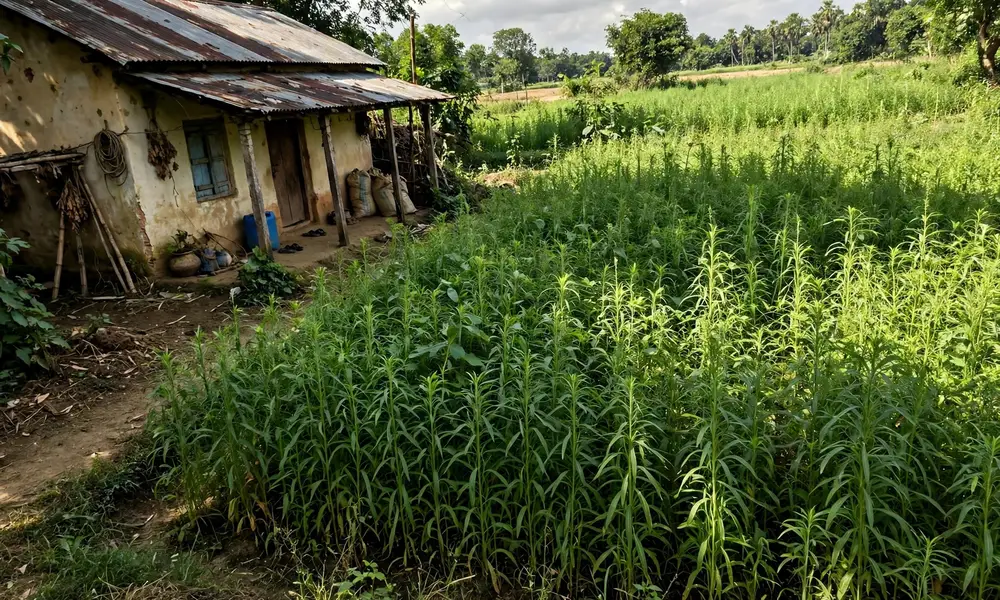
Look first at what the stay actually includes. Some farms welcome guests into the field work and the stripping bench. Others keep visitors at a distance and show the process from a veranda. Neither is wrong, but they are very different trips, and the difference is worth asking about before you book. A stay that names the farm, the village and the mill it works with is usually a better bet than one that describes the experience in general terms. Our guide to luxury flax farm retreats uses the same test, because a fibre farm stay lives or dies on whether the work is real and whether you can get close to it.
Look next at the practical side. The best jute farms are rural, the roads are slow in the monsoon, and the last leg of the journey is often by bicycle, boat or a shared vehicle from a small town. Check how you get there, whether the stay arranges the transfer, and whether meals are included, because there may be no restaurant within an hour of the farm.
The 9 best luxury jute farm retreats of 2027
Nine stays, in nine different jute landscapes, each with its own way of showing the crop. Prices are approximate and vary with the season, the room, and whether meals and farm activities are included.
A jute farm stay in the Bengal delta, Bangladesh
What we like: The heart of the jute world, with the tallest stalks, the busiest retting ponds, and weaving villages within a short ride. What to consider: Monsoon travel is slow, the ponds smell, and the nearest city is hours away. Best For: First-time visitors who want the full jute chain in one place. Style: Farm guesthouse with a village house feel. Price Range: About $60 to $120 per night, meals often included. Standout Feature: Retting ponds you can walk around at dawn, when the stripping benches are already busy.
A jute farm stay on the Hooghly river, West Bengal, India
What we like: Riverbank fields, old mill towns along the Hooghly, and handloom weavers who work within sight of the river. What to consider: The mills are working industrial buildings, not showrooms, and some are noisy and dusty. Best For: Travellers who want farms and mills in the same trip. Style: Village guesthouse near the river. Price Range: About $50 to $110 per night, meals often included. Standout Feature: A morning boat ride past the jute fields, with the mills on the far bank.
A jute farm stay on the lower Brahmaputra, Assam, India
What we like: Wide river plains, a slower pace than the delta, and farms that still strip the fibre entirely by hand. What to consider: Fewer guesthouses, longer transfers, and less English spoken than in the bigger jute towns. Best For: Travellers who want a quieter, more hands-on farm stay. Style: Family farmhouse with simple rooms. Price Range: About $40 to $90 per night, meals included. Standout Feature: Hand stripping at the pond edge, done the slow way, with the farmer beside you.
A jute farm stay on the Kosi river, Bihar, India
What we like: A river that floods and shifts every year, which keeps the fields fertile and the farming calendar unpredictable in an interesting way. What to consider: Floods can change the plan, and the best visits need a flexible schedule. Best For: Travellers who enjoy a working landscape and do not mind changing plans. Style: Farm guesthouse with a raised veranda. Price Range: About $35 to $80 per night, meals included. Standout Feature: Fields that were under water a month earlier, now standing tall in jute.
A jute farm stay on the Ganges plain, Uttar Pradesh, India
What we like: Jute grown alongside sugarcane and rice, in a landscape where three crops share the same fields across the year. What to consider: Jute is a smaller crop here than in Bengal, so the season is shorter and the mills are further away. Best For: Travellers combining a jute visit with a wider farm tour. Style: Village house with a courtyard. Price Range: About $40 to $85 per night, meals included. Standout Feature: A single farm that shows jute, cane and rice in rotation, so you see how the year is planned.
A jute farm stay in Nepal’s Terai lowlands
What we like: Smallholder farms at the foot of the hills, where jute is grown in modest plots and woven in village cooperatives. What to consider: The stays are basic, the roads are rough, and the retting ponds are smaller than in Bengal. Best For: Travellers who prefer small farms and village weaving to big mill towns. Style: Village homestay. Price Range: About $30 to $70 per night, meals included. Standout Feature: A weaving cooperative where the cloth is made a few streets from the field it grew in.
A jute farm stay in the Mekong Delta, Vietnam
What we like: Jute grown in a delta of canals and floating markets, with boat travel between the fields and the weaving villages. What to consider: Jute is a minor crop in Vietnam, so the farms are scattered and the season is short. Best For: Travellers already in the Mekong who want a fibre stop on a longer delta trip. Style: Riverside guesthouse with boat access. Price Range: About $50 to $100 per night, meals often included. Standout Feature: Reaching the jute fields by boat, through canals lined with water hyacinth.
A jute farm stay in the Irrawaddy Delta, Myanmar
What we like: A delta where jute, rice and fishing share the same water, and where the weaving is done in villages that have worked the fibre for generations. What to consider: Travel in the delta needs planning, permits can be slow, and the season is short. Best For: Experienced travellers who want a jute trip off the usual routes. Style: Village guesthouse near the river. Price Range: About $40 to $90 per night, meals included. Standout Feature: Handloom sheds where the weavers work with fibre from the field you walked that morning.
A jute mill town stay in Narayanganj, Bangladesh
What we like: A historic mill town on the Shitalakshya river, where the fibre arrives by boat and leaves as cloth, rope and sacks. What to consider: This is a town stay, not a farm stay, so the fields are a day trip rather than your front garden. Best For: Travellers who want the industrial half of the jute story. Style: Small town hotel with mill visits arranged. Price Range: About $55 to $110 per night, breakfast included. Standout Feature: The riverfront at dawn, when the boats bring in the retted fibre.
Which jute farm retreat is right for you
If this is your first jute trip, start in the Bengal delta or on the Hooghly. Both regions have the most farms, the most guesthouses, and the shortest distances between field, pond and mill, which means a three-day stay covers the whole chain without long drives.
If you want quiet and hands-on work, choose Assam, the Terai, or the Kosi. The farms are smaller, the guesthouses are simpler, and you are more likely to spend a whole morning at one pond with one farmer. Our guide to luxury hemp farm retreats makes the same point about fibre farms generally: the smaller the farm, the closer you get to the work, and the more the trip depends on the farmer rather than the facilities.
If jute is one stop on a longer journey, the Mekong, the Irrawaddy and the Ganges plain make the most sense. The Mekong and the Irrawaddy are river trips first and jute trips second, and they suit travellers who are already moving through the delta. The Ganges plain suits a wider farm tour, because the same farm grows jute, cane and rice in rotation.
The caveats that matter
Retting ponds smell. The smell comes from the stems breaking down in the water, and it is strongest on hot, still days, which are exactly the days when the work is busiest. The smell does not stay on the cloth. Washed and sun-dried fibre smells of nothing much at all, and the finished sacks and rope carry no trace of the pond.
The other caveat is the mud. Jute fields are wet by design, the paths between them are earth, and the monsoon turns them to slick clay. Good boots are not optional, and neither is a change of clothes.
| Detail | What is known |
|---|---|
| Best time to visit | June to September, during the monsoon and retting season, when the ponds are full |
| Main growing regions | The Bengal delta, eastern India, the Terai, and the Mekong and Irrawaddy deltas |
| Two kinds of jute | White jute, paler and finer, and tossa jute, stronger and slightly darker |
| How long jute takes to grow | About four months from sowing to harvest, cut while the stalks are still green |
| What retting does | Soaking the cut stems for two to three weeks softens the bark so the fibre can be stripped |
| What to expect from the stay | Simple rooms, home cooking, early mornings, and farm work you can watch or join |
| Who should think twice | Anyone who dislikes mud, strong smells, or long rural transfers in the monsoon |
| What to bring home | Woven cloth, rope and sacks, bought at the farm or the weaving village, not the airport |
If you are travelling with children, ask the farm what they can actually do before you book. Some farms welcome children at the stripping bench and the loom shed. Others keep the pond edge and the mill floor off limits for safety, and a child who cannot join the work will be bored quickly.
Checklist: choosing a jute farm retreat honestly
- Check the season: the ponds should be full and the stalks standing tall on your dates, not cut and gone.
- Check what the stay includes: field walks, pond visits, loom or mill time, meals, and the transfer from the nearest town.
- Check the farm’s name and village: a stay that names them is a stay that works with a real farm.
- Check the mud plan: good boots, a spare pair of shoes, and clothes you can wash in a basin.
- Check the smell plan: visit the ponds in the morning, stand upwind, and do not eat beside them.
- Check the shopping: buy cloth, rope and sacks at the farm or the weaving village, where the money stays local.
Frequently asked questions
What is the difference between white jute and tossa jute?
White jute is paler, finer and softer, and it is often used for cloth and bags where the finish matters. Tossa jute is stronger, slightly darker and a little coarser, and it is often used for rope, sacks and heavy cloth.
Why does jute have to be retted in water?
Retting softens the gummy bark that holds the fibre to the stalk. Without soaking, the fibre cannot be stripped cleanly, and it breaks instead of coming away in long strands.
Does jute smell, and does the smell stay on the cloth?
The retting pond smells, especially on hot, still days, because the stems are breaking down in the water. It does not stay on the cloth. Washed and sun-dried fibre smells of very little, and finished sacks, rope and woven cloth carry no trace of the pond.
Can I watch jute being woven on a handloom?
Yes, in most of these regions, and it is worth asking for it specifically. The weaving villages near the Bengal delta and the Terai have handloom sheds where you can watch the shuttle move and talk to the weaver.
How long does jute take to grow?
About four months from sowing to harvest. It is sown with the first monsoon rains, grows to two or three metres in that time, and is cut while the stalks are still green, before the fibre hardens.
What should I wear on a working jute farm?
Light clothes you can wash, long trousers rather than shorts, and boots that can handle wet clay. A hat and sunscreen matter even on cloudy monsoon days, because the light is strong when the cloud breaks.
The bottom line
The best jute farm retreat in 2027 is the one that puts you beside the work, not behind a fence. For a first visit, the Bengal delta gives you the full chain in the smallest area, and the Hooghly adds the mill towns and the river. For a quieter, more hands-on trip, Assam or the Terai will suit you better, and for a longer river journey, the Mekong and the Irrawaddy fold jute into a much bigger landscape. A lavender farm retreat is the gentler fibre-farm cousin if you want scent and colour instead of mud and ponds, but it will not teach you what a working fibre crop looks like.
Book for the retting season, ask the farm what you will actually do each day, pack for mud, and buy your cloth at the farm.