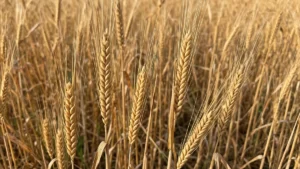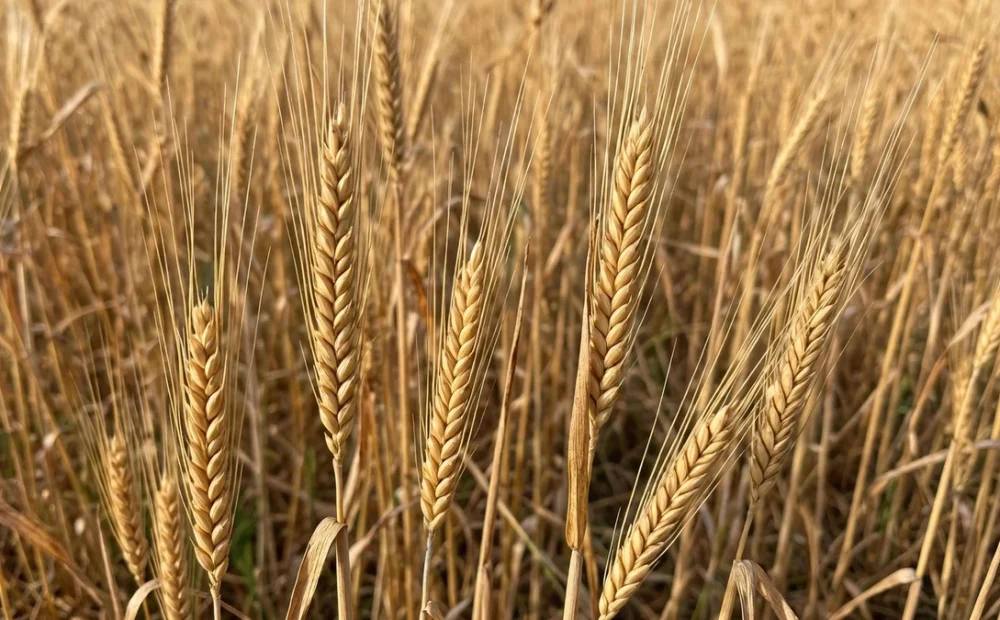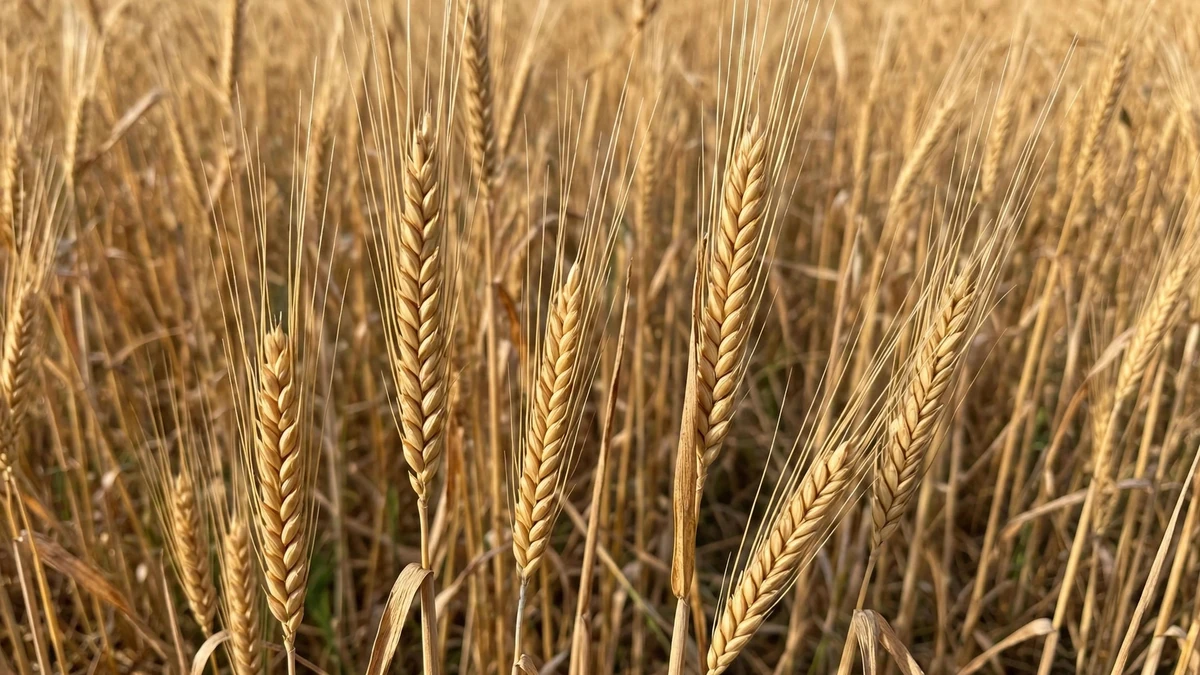

Einkorn is the oldest wheat anyone still bakes with. Each spikelet holds a single small kernel, which is what the name means, and the grain was first tamed around ten thousand years ago on the dark volcanic slopes of Karaçadağ, in what is now south-eastern Turkey. The stalks grow tall and thin and bend in the wind, the kernels are small and golden, and the flour they give is rich, nutty and faintly sweet.
An einkorn farm retreat takes you to the fields where that wheat still grows, in early summer when the thin ears turn gold. You sleep in a farmhouse room or a converted barn, eat sourdough from the farm oven and soup made from whole berries, and watch the grain hulled and stone-milled where it grew. Some farms stand on the Karaçadağ slopes, others in Kakheti, Thessaly, or the valleys of Vermont, and the grain is only half the reason to go.
Below are nine einkorn farm retreats worth considering in 2027, from the mountain where wheat began to the St. Lawrence lowlands. Each stay is weighed on what it does well, where it falls short, and the traveller it suits, so you can choose by how you travel rather than by the map.
Key takeaways
- Einkorn is the oldest domesticated wheat, with one kernel per spikelet, and the names petit épeautre and farro piccolo all describe the same grain, so ask the farm which wheat it actually grows.
- Einkorn contains gluten, so it is not a gluten-free grain, and anyone with coeliac disease or a wheat allergy should ask the farm what the kitchen can safely serve.
- The southern harvest falls in June and July, and the northern cutting runs into August, and the precise week shifts with the rain, so confirm it before booking flights.
- Most einkorn farms are small and take only a few guests, so expect plain rooms, shared meals, early starts and dust on your shoes.
- Harvest dates are a guess, not a promise: a stay planned around one cutting day can end with the einkorn still green in the field.
What an einkorn farm retreat actually is
An einkorn farm retreat means three to five nights on a working farm that grows einkorn, with the grain harvest as the reason for the trip. Guests sleep in a farmhouse room or a converted barn, eat sourdough and porridge from the farm’s own grain, and join the season’s work, walking the fields, watching the harvest take the thin stalks, and seeing the berries hulled and stone-milled in the farm’s mill room.
Einkorn is the first wheat farmers ever tamed, domesticated on the Karaçadağ slopes around ten thousand years ago, and from there it spread through the Fertile Crescent, the Balkans and the Caucasus. It became the grain of small stone mills and village ovens, of sourdough in Vermont, shotis puri in Georgia, and soup pots in Thessaly.
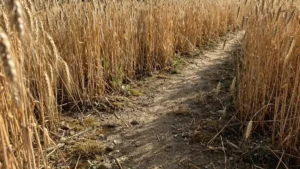
Most of these farms sit in dry, open country, with wide fields of gold grain and a stone mill by the barn door. Days run slower than a hotel stay, supper comes from one shared table, and the finest stays treat the harvest as real work, not a show.
How we picked these stays, and what to ask first
We began with where einkorn truly grows, not where it is sold best. A genuine einkorn farm offers fields to walk through, grain to stand among at harvest, and a mill, a bakery or a soup pot working with its own flour. A farm that buys its flour in and bakes with it is not an einkorn farm, whatever the website says.
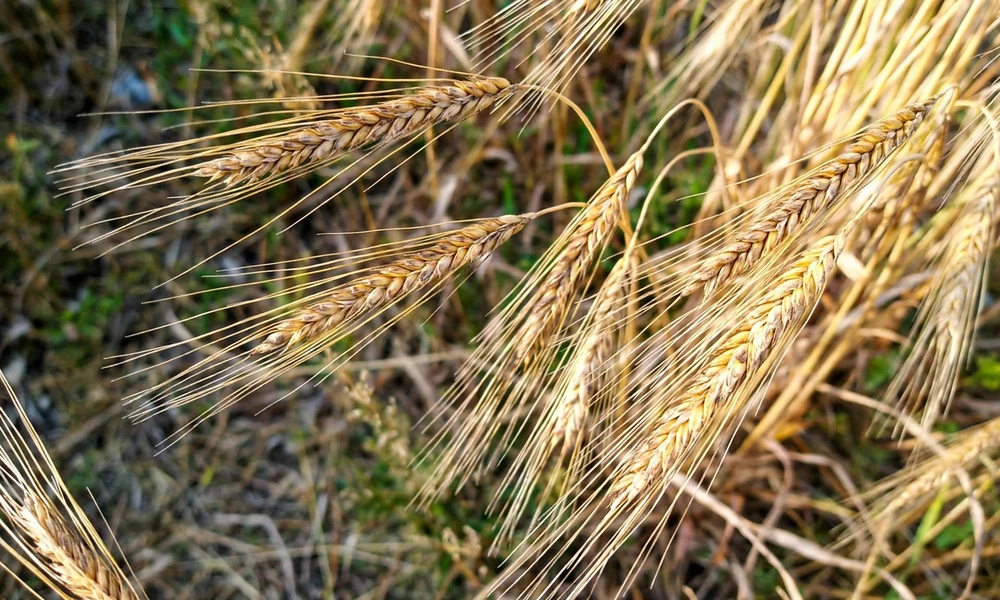
The best farms take only a handful of guests at once, so the harvest stays honest work instead of a show for visitors. They also lay out what the nightly rate covers, with meals, the lift in from the nearest town and guided walks included rather than charged on arrival. A farm that talks plainly about the harvest, the hulling and the gluten usually looks after its guests well too.
The 9 best luxury einkorn farm retreats of 2027
Karaçadağ, Şanlıurfa, Turkey — Einkorn at Its Origin
What we like: Einkorn on the black volcanic slopes of Karaçadağ, where the grain was first tamed ten thousand years ago and wild einkorn still grows between the stones. The farm bakes flatbread in a clay oven each morning, and the hills hold the oldest farming story on earth.
What to consider: The south-east is hot and dry, the farm is a working one with early starts, and the journey in from the nearest town takes most of a day.
Style: Anatolian hillside farm stay. Best for: Travellers who want einkorn at its source. Price range: $65–$95 per night. Standout feature: Flatbread from the clay oven on the mountain where wheat began.
Thessaly, Greece — Einkorn on the Thessalian Plain
What we like: Einkorn on the wide plain of Thessaly, where the grain grows between the olive groves and the farm kitchen cooks it into soup with beans and wild greens. The sea is near, the evenings are long, and the bread is baked in a wood oven behind the house.
What to consider: The plain is hot in July, the harvest is short and the cutting week falls late, so a stay booked for the wrong week can miss the harvest entirely.
Style: Greek plain farm stay. Best for: Travellers who want grain with the sea nearby. Price range: $100–$130 per night. Standout feature: Einkorn soup with beans and wild greens from the farm garden.
Kakheti, Georgia — Einkorn Below the Caucasus
What we like: Einkorn in the vineyards of Kakheti, where the grain shares the slopes with Rkatsiteli vines and the farm bakes it into shotis puri in a clay tone oven. The table serves the bread with cheese and wine from the farm’s own cellar, and the mountains stand over the fields at dusk.
What to consider: The roads are rough, the journey in takes most of a day, and the mountain weather turns fast, so pack a layer even in high summer.
Style: Georgian vineyard farm stay. Best for: Travellers who want the harvest and the vineyard together. Price range: $135–$165 per night. Standout feature: Einkorn shotis puri from the tone oven beside the vines.
Burgundy, France — Einkorn in the Côte d’Or
What we like: Petit épeautre on the limestone slopes of the Côte d’Or, where the grain grows between the vineyards and the farmhouse kitchen bakes it into dark loaves. The harvest walks run through the vines at dusk, and the cellar tastings follow the field work.
What to consider: Burgundy is dear, and the nightly rate climbs quickly once meals and the ride in from the station are added, so check the full bill before you book.
Style: Burgundian wine-country farm stay. Best for: Travellers who want grain with fine wine. Price range: $170–$200 per night. Standout feature: Dark einkorn loaves baked beside the vineyard slopes.
Sardinia, Italy — Einkorn on the Island Hills
What we like: Farro piccolo on the dry hills of Sardinia, where the grain grows among the cork oaks and the farm cooks it into fregola and soup with pecorino. The evenings are warm, and the sea is never far.
What to consider: The island summer is fierce, the farm is far from the ports, and the midday field work is heavy, so guests spend the hot hours indoors.
Style: Sardinian hill farm stay. Best for: Travellers who want the grain on an island. Price range: $205–$235 per night. Standout feature: Einkorn fregola rolled by hand in the farm kitchen.
Extremadura, Spain — Einkorn in the Dehesa
What we like: Einkorn in the dehesa of Extremadura, where the grain grows under the holm oaks beside the Iberian pigs and the farm bakes it into bread for the table. The land is vast and quiet, and the ham on the table comes from the farm’s own pigs.
What to consider: The dehesa is vast and quiet, so the farm is a long drive from the nearest town, and the summer heat is strong enough to keep guests indoors at midday.
Style: Extremaduran dehesa farm stay. Best for: Travellers who want grain with open oak country. Price range: $240–$270 per night. Standout feature: Einkorn bread served with ham from the farm’s own pigs.
Vojvodina, Serbia — Einkorn on the Pannonian Plain
What we like: Einkorn on the flat black earth of Vojvodina, where the grain grows in wide fields and the farmhouse kitchen bakes it into pogača and serves it with kajmak from the farm dairy. The plain runs to the horizon, and the storks nest on the barn roofs.
What to consider: The plain is flat and the summer is long and hot, so the field walks are best at dawn and dusk, and the farm is a working place, not a polished hotel.
Style: Serbian plain farm stay. Best for: Travellers who want grain on the great plain. Price range: $275–$305 per night. Standout feature: Einkorn pogača with kajmak from the farm dairy.
Vermont, United States — Einkorn in the Green Mountains
What we like: Einkorn in the valleys of Vermont, where small farms grow the grain for the state’s wood-fired bakeries and the farmhouse bakes it into sourdough. The fields are small, the barns are old, and the bread is some of the best in North America.
What to consider: Vermont is a long way from the other farms on this list, so the flights are the dearest part of the trip, and the harvest falls early, before the summer has properly warmed.
Style: Vermont valley farm stay. Best for: Travellers who want einkorn on a North American farm. Price range: $310–$340 per night. Standout feature: Sourdough from the farm’s wood-fired oven, baked with its own grain.
Quebec, Canada — Einkorn on the St. Lawrence Lowlands
What we like: Einkorn on the lowlands of the St. Lawrence, where the grain grows beside the river and the farm bakes it into tourtière crusts and dark loaves for the market. The fields are wide, the river is near, and the French baking tradition runs deep.
What to consider: Quebec is the dearest stay on this list, and the harvest falls early, before the summer has properly warmed, so the cutting week is short and easy to miss.
Style: Quebec riverside farm stay. Best for: Travellers who want einkorn at the far end of the map. Price range: $345–$380 per night. Standout feature: Einkorn loaves baked for the market from the farm’s own grain.
Which einkorn region fits your trip
If you want einkorn at its oldest, start with Karaçadağ or Thessaly, where the grain has been grown the longest and the baking traditions run deepest. Both are gentle introductions, with short walks and long table meals, and Karaçadağ adds the story of wheat itself.
If you want scenery with your grain, Kakheti and Burgundy put the fields among the vines, Sardinia puts them on a dry island, and Vermont puts them in green valleys. Kakheti is the most remote of the nine, while Burgundy is the easiest to reach by train.
If you want a grain without gluten, einkorn is the wrong trip, and our guide to the teff farm retreats of Ethiopia covers a grain that is naturally free of it. The spelt farm retreats tell a similar ancient-wheat story with a softer crumb and a wider map, and they carry the same gluten warning as einkorn.
The caveats that matter
Einkorn farming answers to the weather: farms give a best guess, never a promise, and a trip pinned to one cutting day gambles on the rain. The bigger warning is the gluten, easy to miss when a grain is sold as ancient and wholesome.
| Detail | What is known |
|---|---|
| Best time to visit | June into July in the south, July into August further north, once the thin ears turn gold; the precise week shifts with the rain |
| What the work involves | Walking the fields, watching the harvest take the einkorn, and seeing the berries hulled and ground in the farm mill |
| How long a stay runs | Three to five nights, timed to the early-summer cutting weeks |
| Who should take care | Guests with coeliac disease or a wheat allergy, because einkorn carries gluten, and anyone unused to strong heat |
| What the kitchen serves | Einkorn sourdough, porridge, soups and pasta, usually with beans, garden herbs and olive oil |
| Gluten note | Einkorn carries gluten and is no gluten-free grain, whatever a health-food packet claims |
| What to pack | Sturdy closed shoes, a sun hat, a warm layer for cool hill nights, and clothes that rinse clean |
| What it does not do | No promised cutting day, no fixed menu, and no hotel-style service on a working farm |
If coeliac disease, a wheat allergy, or a condition that heat worsens applies to you, speak to the farm before booking. One question about the kitchen and the flour can spare you a hard stay, and a farm that answers it straight is usually worth visiting. The kamut farm retreats carry the same warning, since kamut is another ancient wheat with gluten in each kernel.
Checklist: booking an einkorn farm stay honestly
Run through these checks before you pay, and once more the week before you travel.
- Get the farm’s cutting window in writing, and ask what happens if the ears are still green when you arrive.
- Make sure supper, the ride in from the nearest town and the field walks are all in the nightly rate.
- Ask whether the hulling and stone milling happen in the farm barn, and whether the kitchen can serve a meal without wheat.
- Look at the bedroom before you pay: the rooms are simple, so check the bed, the water and the heating.
- Pack for hard sun and dusty tracks: closed shoes, a hat, a layer for cold evenings, and clothes that wash easily.
- Leave a spare day for the nearest town, so a harvest that moves still leaves a good trip.
Frequently asked questions
Is einkorn safe to eat if I cannot eat gluten?
Yes. Einkorn is a wheat, and every kernel carries gluten, so it is not a gluten-free grain. Anyone with coeliac disease or a wheat allergy should skip the farm kitchen, and ask before booking whether a wheat-free meal is possible at all.
How is einkorn different from emmer and spelt?
Einkorn is the oldest of the three, with one grain per spikelet, while emmer carries two and spelt is a later, larger wheat with a softer crumb. The three bake differently: einkorn gives a golden, nutty loaf, emmer a firmer one, and spelt a softer one.
What makes einkorn bread cost more than a wheat loaf?
Einkorn yields less per field than modern wheat, and every kernel must be hulled before milling, which adds a step the farm pays for. The grain also grows best on thin hillside soils, where the yield is smaller, so the loaf on the table costs more than one from the lowlands.
Which weeks does the einkorn cutting cover?
The southern harvest falls in June and July, the northern cutting runs into August, and the cutting itself takes a week or two on most farms. The exact week shifts with the rain, so ask the farm for its cutting window rather than one date, and wait for the window before booking flights.
What flavour should I expect from einkorn?
Einkorn tastes nutty and faintly sweet, with a golden crumb and a smell that reminds many people of hazelnuts. The sourdough holds its tang, the porridge is mild, and the grain itself, cooked whole, eats like a chewy barley.
What is the gentlest first einkorn trip?
Thessaly is the easiest first trip: the grain is at its oldest there, the farms are used to guests, and the baking is the best introduction to what einkorn can do. If you want the story as well as the bread, Karaçadağ puts you on the mountain where wheat began.
The bottom line
An einkorn farm retreat suits travellers who prefer thin golden stalks, stone-milled flour and cooking from the farm’s own fields to a hotel. The ears are gold, the loaves are dark and nutty, and the finest stays feed you from land they farmed themselves.
Settle the harvest week before the travel dates, and leave a spare day at the end. When the einkorn ripens on time you will eat bread from grain cut that week, and when it does not, the hills, the rivers and the old towns will still carry the trip.