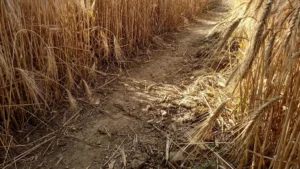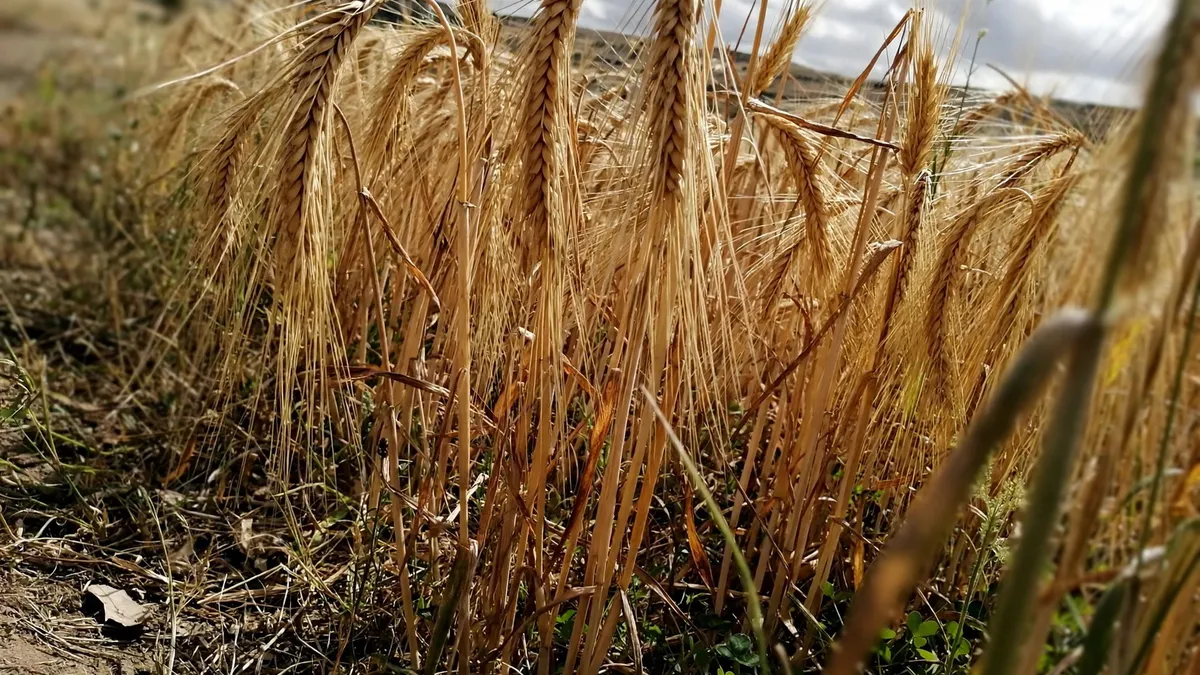
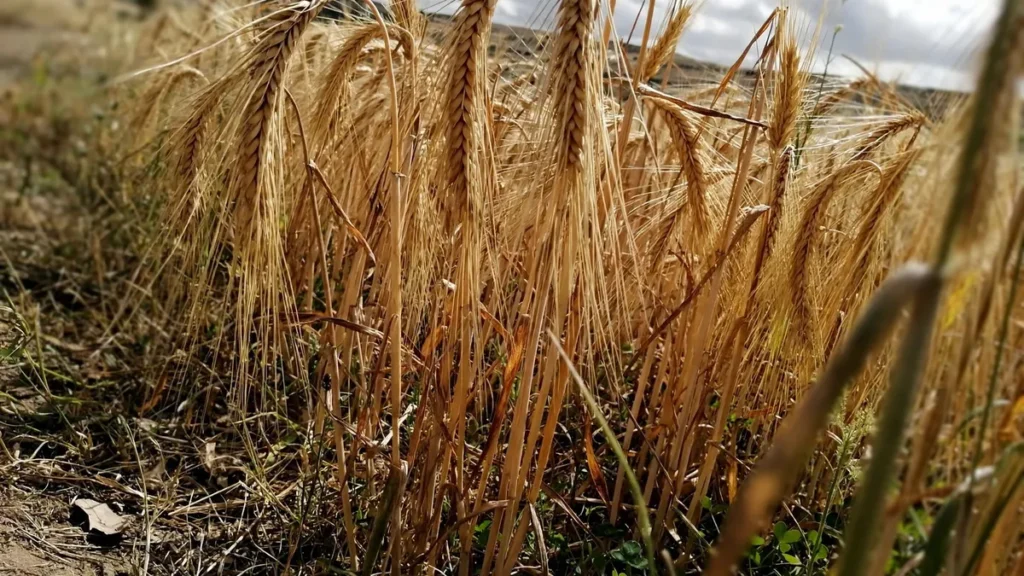
Kamut is wheat with a story attached to every kernel. The kernels are twice the size of ordinary wheat berries, amber and plump, with a buttery, faintly sweet flavour that survives the mill and the oven. The name is a trademark, held by Kamut International, for one old variety of wheat, Khorasan wheat, which is said to have come out of the Fertile Crescent and the hills of Khorasan, in what is now north-eastern Iran, long before modern wheat was bred for yield.
A kamut farm retreat takes you to the fields where that wheat still grows, in the dry summers when the grain turns gold and the combines roll across the plains. You sleep in a farmhouse room or a converted barn, eat kamut pasta rolled that afternoon and bread from the farm oven, and watch the grain threshed, winnowed and stone-milled on the same farm that grew it. Some farms stand on the high plains of Montana, others on the Palouse hills, in the oasis country of Faiyum, or on the dry Adriatic hills of the Marche, and the wheat is only half the reason to go.
Below are nine kamut farm retreats worth considering in 2027, from Chouteau County in Montana to the Wimmera plain of Victoria. Each stay below is judged on its strengths, its drawbacks, and the kind of traveller it suits best, so you can choose by how you travel rather than by geography.
Key takeaways
- Kamut is Khorasan wheat sold under a trademark, and only certified organic Khorasan wheat can carry the Kamut name, so ask the farm what variety it actually grows.
- Kamut contains gluten, so it is not a gluten-free grain, and anyone with coeliac disease or a wheat allergy should not eat from the farm kitchen.
- The northern harvest falls in July and August, and the exact cutting week moves with the weather, so confirm it before you book flights.
- Most kamut farms are farms before they are guesthouses, so expect plain rooms, shared meals, early starts and dust on your shoes.
- No farm can promise a cutting day in advance, and a trip built around one harvest day can leave you looking at green wheat that is not ready yet.
What a kamut farm retreat actually is
A kamut farm retreat is a stay on a working kamut farm, usually three to five nights, where the wheat harvest is the reason for the trip. You sleep in a farmhouse room or a barn conversion, eat pasta and bread made from the farm’s own grain, and join the work of the season, walking the fields, watching the combines cut the gold stalks, and seeing the berries cleaned and stone-milled in the farm’s own mill room.
Kamut is one of the oldest wheats still grown for food, a variety of Khorasan wheat that farmers kept alive in the dry country of the Near East while modern wheat took over the flatlands. It became the grain of hand-rolled pasta in Italy, of flatbread baked on hot stone in Iran, and of the big amber berries that American farmers in Montana began growing in the late twentieth century under the Kamut name.
Most of these farms sit in open, dry country, with wide fields of gold wheat and a stone mill by the barn door. The work is slower than a hotel stay and the food is shared from one table.
How we picked these stays, and what to ask first
We started with where kamut actually grows well, not where it is marketed well. A real kamut farm has fields to walk through, wheat to stand in at harvest, and a mill, a bakery or a pasta table that uses its own grain.

The best farms host only a handful of guests at once, so the harvest stays real work rather than a performance for visitors. They also state plainly what the nightly rate includes, with meals, the ride in from the nearest town and guided walks covered rather than charged on arrival. A farm that answers questions about the harvest, the milling and the gluten plainly is usually a farm that treats its guests well. Our teff farm retreats roundup applies the same test, and it is the fastest way to separate two farms that look alike in print.
The 9 best luxury kamut farm retreats of 2027
Chouteau County, Montana — Kamut on the Missouri Breaks
What we like: Kamut grown on the high plains around Fort Benton, the old steamboat town on the Missouri, where the grain ripens under big skies and the farm sits within an easy drive of the river breaks. The kitchen bakes kamut bread in a wood oven each morning.
What to consider: The plains are far from anywhere and the farm is remote, so the journey in takes most of a day, and the wind can be fierce on the ridge. Style: Montana high-plains farm stay. Best for: Travellers who want kamut at the source. Price range: $60–$90 per night. Standout feature: Kamut bread from the farm’s wood oven, with the Missouri Breaks on the horizon.
Palouse, Washington — Kamut on the Rolling Hills
What we like: Kamut grown on the soft green-and-gold hills of the Palouse, where the fields roll like waves and the farm stands above the town of Pullman. The kitchen rolls kamut pasta by hand each afternoon, and the farm walks climb the hills at dusk.
What to consider: The hills are steep and the farm walks are longer than they look, so bring proper shoes and take water. Style: Palouse hills farm stay. Best for: Travellers who want gentle walking with their wheat. Price range: $95–$125 per night. Standout feature: Hand-rolled kamut pasta at dusk, with the Palouse hills turning gold outside the window.
Snake River Plain, Idaho — Kamut on the High Desert
What we like: Kamut grown on the wide lava plain of southern Idaho, where the grain is irrigated from the Snake River and the farm sits between the desert and the Sawtooth foothills. The kitchen serves kamut porridge at dawn and grilled trout at night.
What to consider: The desert is hot by day and cold at night, so pack layers and a hat, and expect dry air. Style: Idaho high-desert farm stay. Best for: Travellers who want wheat and dark skies together. Price range: $130–$160 per night. Standout feature: Kamut fields on the lava plain, with the Sawtooth foothills and a sky full of stars.
Khorasan, Iran — Kamut in Its Namesake Hills
What we like: Khorasan wheat grown in the dry hills of north-eastern Iran, where the variety takes its name and the grain is still threshed by hand in the villages. The kitchen bakes flatbread on hot stone and serves it with herbs, yoghurt and honey.
What to consider: The region is remote and travel takes planning, so check current travel advice first and arrange transport well ahead. Style: Khorasan hills farm stay. Best for: Travellers who want the grain where it began. Price range: $165–$195 per night. Standout feature: Stone-baked flatbread from Khorasan wheat, in the hills the grain is named for.
Faiyum, Egypt — Kamut by the Oasis
What we like: Kamut grown in the green oasis of Faiyum, south-west of Cairo, where the wheat shares the fields with date palms and the farm stands beside the old waterwheels of the desert edge. The kitchen bakes baladi bread in a clay oven and serves it with fava beans and dates.
What to consider: The oasis is hot and the days are dusty, so travel in the cool months and rest at midday. Style: Faiyum oasis farm stay. Best for: Travellers who want grain and desert water together. Price range: $200–$230 per night. Standout feature: Clay-oven bread from oasis wheat, with Faiyum’s old waterwheels turning nearby.
Marche, Italy — Kamut on the Adriatic Hills
What we like: Kamut grown on the soft hills of the Marche, where the fields run down toward the Adriatic and the farm keeps an old stone mill beside the farmhouse. The kitchen rolls tagliatelle from kamut flour and serves it with wild mushrooms.
What to consider: The hills are quiet and the farm is small, so book early in harvest season and expect simple rooms. Style: Marche hills farm stay. Best for: Travellers who want pasta at the source. Price range: $235–$265 per night. Standout feature: Kamut tagliatelle from the farm’s own stone mill, with Adriatic hill towns a drive away.
Abruzzo, Italy — Kamut Below the Apennines
What we like: Kamut grown in the valleys of Abruzzo, below the high Apennines, where the grain ripens slowly in the mountain air and the farm sits near the old shepherds’ trails. The kitchen cooks kamut soup with beans and wild herbs.
What to consider: The mountains are cool and rain can arrive without warning, so pack a waterproof layer even in July. Style: Abruzzo mountain farm stay. Best for: Travellers who want wheat and mountain air. Price range: $270–$300 per night. Standout feature: Kamut soup with mountain herbs, with the Gran Sasso standing over the fields.
Languedoc, France — Kamut on the Dry Garrigue
What we like: Kamut grown on the dry limestone hills of Languedoc, where the grain shares the garrigue with thyme, rosemary and old vines, and the farm stands a short drive from the Mediterranean. The kitchen bakes kamut bread in a stone oven and serves it with olive oil, goat cheese and the region’s wines.
What to consider: The summer is hot and dry, and the farm is quiet out of season, so come in the harvest weeks for the full stay. Style: Languedoc hills farm stay. Best for: Travellers who want grain and the Mediterranean in one trip. Price range: $305–$335 per night. Standout feature: Stone-oven kamut bread with olive oil and goat cheese, a short drive from the sea.
Wimmera, Victoria, Australia — Kamut on the Mallee Plain
What we like: Kamut grown on the flat red earth of the Wimmera, where the grain ripens under wide Australian skies and the farm sits near the Grampians, with their sandstone ridges and wildflowers. The kitchen bakes kamut damper in the camp oven and serves it with lamb and red wine.
What to consider: The plain is vast and the farm is a long drive from Melbourne, so allow a full day to arrive and another to leave. Style: Wimmera plains farm stay. Best for: Travellers who want kamut at the far end of the world. Price range: $340–$375 per night. Standout feature: Camp-oven kamut damper on the red earth, with the Grampians on the horizon.
Which kamut region fits your trip
If this is your first kamut trip, start in Chouteau County, the cheapest stay on this list, and pair it with the Missouri Breaks.
For history, the Khorasan stay is the classic choice, with stone-baked flatbread in the hills the grain is named for and old caravan roads to walk.
If food is the point, look to the Marche or Languedoc, where the pasta and the stone-oven bread do more with kamut than any other farm on this list. Our buckwheat farm retreats roundup argues the same thing from a different angle: choose the journey, not just the place.
The caveats that matter
Kamut farming bows to the weather: the farms offer a best guess, never a promise, and a trip tied to a single cutting day is a wager on the rain. The bigger caveat is the gluten, easy to forget when a grain is sold as ancient and wholesome.
| Detail | What is known |
|---|---|
| Best time to visit | July to August in the northern hemisphere, when the grain turns gold; the exact week moves with the rain |
| What the work involves | Walking the fields, watching the combines cut the wheat, and seeing the berries cleaned and stone-milled |
| How long a stay runs | Three to five nights, with the harvest in the high summer weeks |
| Who should take care | Anyone with coeliac disease or a wheat allergy, since kamut contains gluten, and anyone unused to heat |
| What the kitchen serves | Kamut pasta, farm bread, bulgur and porridge, often with beans, herbs and olive oil |
| Gluten note | Kamut contains gluten and is not a gluten-free grain, whatever the health claims on the packet say |
| What to pack | Closed shoes, a hat, light layers for cool prairie and mountain nights, and clothes that wash easily |
| What it does not do | It does not guarantee a harvest day, a set menu, or hotel-style service on a working farm |
If you have coeliac disease, a wheat allergy, or a condition that heat makes worse, talk to the farm before you book. One question about the kitchen and the flour can spare you a difficult stay, and a farm that answers it straight is usually worth the visit. Our fonio farm retreats roundup ends on the same note.
Checklist: booking a kamut farm stay honestly
Run through these checks before you pay, and once more the week before you travel.
- Get the farm’s cutting week in writing, with a backup plan if the wheat is not ready.
- Confirm the price includes supper, the ride in from town and the walks, so no extras appear on the bill.
- Ask whether the grain is stone-milled on the farm, and whether the kitchen can feed a guest who eats no wheat at all.
- Look at the bedroom before you pay: farmhouse rooms are simple, so inspect the bed, the water and the heating first.
- Pack for hard sun and dusty tracks: closed shoes, a hat, a layer for the night, and clothes that wash easily.
- Leave a spare day for the nearest town, so a harvest that shifts still leaves you with a good trip.
Frequently asked questions
Is there gluten in kamut?
Yes. Kamut is a variety of wheat, and it contains gluten like any other wheat. Some people who struggle with modern wheat say kamut sits easier with them, but that is anecdote rather than medicine, and it remains unsafe for coeliac disease. The farm kitchen cooks with wheat flour throughout, so a coeliac traveller should not eat there.
Why does kamut cost more than ordinary wheat?
Kamut is grown in smaller quantities than ordinary wheat, the kernels are larger and the yields are lower, and only certified organic Khorasan wheat can be sold under the Kamut name. The grain is also cleaned and milled in small batches, so a sack of kamut berries costs several times what a sack of ordinary wheat costs.
When does the kamut cutting season open and close?
Kamut is sown in autumn or early spring, depending on the region, and cut in high summer, usually July and August in the northern hemisphere, when the grain has turned gold and the stalks are dry. Each farm cuts for a few weeks and threshes at once, so the best window is the opening half of the harvest, while the fields are still standing full.
How would you describe kamut’s flavour?
Kamut tastes buttery and faintly sweet, with a nutty note that survives baking, and a chewy texture when the berries are cooked whole. The flour makes a rich, golden pasta and a dense, fragrant bread.
Is kamut the same as spelt or einkorn?
No. Kamut, spelt and einkorn are three different old wheats, and they behave differently in the kitchen. Kamut has the largest kernels and the richest flavour, spelt is softer and bakes into lighter bread, and einkorn is the oldest of the three, with small kernels and a delicate crumb. A farm that grows one rarely grows the others, so ask which ancient wheat you are actually eating.
Which region grows the bulk of the world’s kamut?
Montana grows the most kamut in the world, with the Golden Triangle around Fort Benton as its heartland, and Saskatchewan a distant second. Smaller amounts are grown in Italy, Egypt, Turkey and Australia, but the high plains of Montana remain the heart of it.
The bottom line
A kamut farm retreat is a slow, golden, generous kind of trip, suiting travellers who like tall wheat, stone-milled flour and honest cooking more than a hotel. The grain is amber, the bread is rich, and the best stays feed you from their own fields.
Set the harvest week before you set the dates, and hold a spare day at the end. When the kamut ripens on time you will eat bread from grain cut that week, and when it does not, the plains, the rivers or the old towns will still make the trip worthwhile.