Buckwheat is not wheat at all. It is the seed of a flowering plant, a cousin of rhubarb and sorrel, and it grows where wheat struggles, in thin mountain soils and short cool summers, from the coast of Brittany to the valleys of Bhutan. In July and August its fields turn white with blossom, the bees arrive in force, and the triangular seeds that follow become groats, noodles, crêpes and dark honey. It became the grain cooks reach for when they want food without gluten.
A buckwheat farm retreat takes you to those places at flowering or harvest time. You sleep in a farmhouse room or a converted barn, eat noodles rolled that morning or crêpes cooked on a cast-iron griddle, and watch the harvest come in by hand on a small plot or by combine on a wide plain. Some farms mill their own groats and bake with the flour. Others keep bees among the blossom and jar the dark honey the flowers give. Every one of them cooks with the grain from its own fields, and that cooking is what makes the trip worth taking.
Below are nine buckwheat farm retreats worth considering in 2027, from a crêpe farm in Brittany to a soba valley in Iwate. Each stay below is judged on what it does well, where it falls short, and the traveller it suits, so you can pick by the way you travel rather than by a pin on a map.
Key takeaways
- Buckwheat flowers in mid to late summer, and the white blossom lasts only a few weeks, so confirm the flowering dates before booking.
- Most buckwheat farms are working farms first and guesthouses second, so expect plain rooms, shared meals and early mornings, not hotel service.
- Buckwheat itself has no gluten, but mills and kitchens often handle wheat beside it, so coeliac travellers should ask about cross-contact before booking.
- The work is light but the fields are open and sunny, with bees at work among the flowers, so a hat and closed shoes matter most.
- No farm can promise a harvest on a set date, and a trip built around one cutting day can leave you facing a green field while the grain is still unripe.
What a buckwheat farm retreat actually is
A buckwheat farm retreat is a stay on a working buckwheat farm, usually two to five nights, where the farm is the reason for the trip rather than a backdrop. You sleep in a farmhouse room or a small guest cabin, eat meals cooked from the farm’s own grain, and join in the work of the season, walking the rows, watching the combine take the crop, and seeing the groats hulled, milled or rolled into noodles.
Buckwheat is one of the quickest farmed grains, sown in late spring and ready in ten to twelve weeks, first grown on the high plateaus of Asia, then carried to eastern Europe, the Alps and the Americas. It became the grain of soba in Japan, of galettes in Brittany, of pizzoccheri in the Italian Alps and of groats in the villages of eastern Europe, wherever wheat would not thrive.
Most of these farms sit in quiet, open country, with smaller fields than the wheat plains of the south, white blossom in summer, and a mill, a kitchen or a beehive close to the farmhouse. The work is gentler and sweeter-smelling.
How we chose these stays and what to look for
We looked first at where buckwheat actually grows well, not where it is marketed well. A real buckwheat farm has fields to walk through, blossom to stand in, and a mill, kitchen or beehive that uses the grain it grows.
The best farms take few guests at a time, usually under a dozen, so the harvest stays honest work instead of a show put on for visitors. They also spell out what the nightly rate covers, with meals, lifts from the nearest town and guided walks included in the price rather than added when you arrive. A farm that answers questions about the blossom, the noodles and the weather in plain language is usually a farm that treats its guests well. Our roundup of rye farm retreats uses the same check, and it is the easiest way to tell apart two farms that look alike on paper.
The 9 best luxury buckwheat farm retreats of 2027
Brittany, France — Galettes de Sarrasin on the Coast
What we like: Buckwheat grown on the coast of Brittany, where the grain is milled for galettes cooked on a cast-iron griddle, and the farm’s kitchen fills them with ham, cheese and egg. The kitchen serves cider with the galettes, and coastal paths run past the fields to the sea.
What to consider: The coast is windy and the rain comes in fast, so bring a waterproof layer and a warm jumper. Style: Breton coastal farm stay. Best for: Travellers who want galettes at the source. Price range: $70–$100 per night. Standout feature: Galettes cooked on a cast-iron griddle, with cider and coastal walks from the farm gate.
Valtellina, Lombardy, Italy — Pizzoccheri in the Alpine Valley
What we like: Buckwheat grown in the Alpine valley of Valtellina, where the grain is rolled into pizzoccheri and cooked with cabbage, potatoes and mountain cheese, and the farm’s kitchen serves it beside a wood stove.
What to consider: The valley is steep and the lanes are narrow, so a car helps and walking boots are essential. Style: Valtellina valley farm stay. Best for: Travellers who want buckwheat pasta at the source. Price range: $105–$135 per night. Standout feature: Pizzoccheri cooked with cabbage and mountain cheese, in a valley below the high Alps.
Podlasie, Poland — Groats in the Forest Villages
What we like: Buckwheat grown in the forest villages of Podlasie, where the grain is hulled into groats and served with mushrooms, onions and sour cream, and the farm’s kitchen cooks it the way the village has for generations. Pine woods stand in every direction, with lakes a short drive away.
What to consider: The villages are far apart and the buses run rarely, so this stay suits travellers with a car. Style: Podlasie forest farm stay. Best for: Travellers who want groats and forest quiet. Price range: $140–$170 per night. Standout feature: Buckwheat groats with forest mushrooms, in a farmhouse among the pines of north-east Poland.
Gorenjska, Slovenia — Buckwheat Dumplings Below the Alps
What we like: Buckwheat grown in the valleys of Gorenjska, where the grain is milled for ajdovi krapi, dumplings filled with cottage cheese, and the farm’s kitchen serves them with cracklings and sour cream. The kitchen cooks buckwheat spoonbread for breakfast below the Julian Alps.
What to consider: The mountains are cool and the evenings come early by September, so pack a warm layer. Style: Gorenjska Alpine farm stay. Best for: Travellers who want dumplings and mountain air. Price range: $175–$205 per night. Standout feature: Buckwheat dumplings filled with cottage cheese, below the peaks of the Julian Alps.
Styria, Austria — Buckwheat and Pumpkin Seed in the Hills
What we like: Buckwheat grown in the rolling hills of Styria, where the grain is milled for Heidensterz, a buckwheat porridge served with pumpkin seed oil, and the farm’s kitchen cooks it with the oil pressed from its own fields. The kitchen serves buckwheat with mountain cheese and apples.
What to consider: The hills are steep and the farm lanes are gravel, so sturdy shoes matter more than a car. Style: Styrian hillside farm stay. Best for: Travellers who want porridge and pumpkin seed oil. Price range: $210–$240 per night. Standout feature: Buckwheat porridge with pumpkin seed oil, in the rolling hills of south-east Austria.
Auvergne, France — Bourriols on the Volcanic Plateaus
What we like: Buckwheat grown on the volcanic plateaus of Auvergne, where the grain is cooked into bourriols, thin buckwheat crêpes rolled with cheese and ham, and the farm’s kitchen serves them beside a stone fireplace. The kitchen cooks buckwheat with Cantal cheese near the old volcanoes.
What to consider: The plateaus are windy and the weather turns fast, so bring layers and a rain jacket. Style: Auvergne plateau farm stay. Best for: Travellers who want crêpes and old volcanoes. Price range: $245–$275 per night. Standout feature: Bourriols rolled with Cantal cheese, on a farm above the volcanic plateaus of central France.
Iwate, Japan — Wanko Soba in the Northern Hills
What we like: Buckwheat grown in the northern hills of Iwate, where the grain is milled for wanko soba, small bowls of noodles served one after another, and the farm’s kitchen teaches guests to roll the dough by hand. The grain is also brewed into soba tea for the evening.
What to consider: The hills are remote and English is rare, so this stay suits travellers who like distance and a phrasebook. Style: Iwate hillside farm stay. Best for: Travellers who want soba at the source. Price range: $280–$310 per night. Standout feature: Wanko soba rolled by hand, in a farmhouse in the northern hills of Honshu.
Bumthang, Bhutan — Buckwheat in the Himalayan Valleys
What we like: Buckwheat grown in the valleys of Bumthang, where the grain is the staple of the valley and the farm’s kitchen cooks buckwheat pancakes and noodles with chilli cheese. The kitchen serves buckwheat with butter tea among pine forests and monasteries.
What to consider: The valleys sit high and the air is thin, so take the first day slowly and drink plenty of water. Style: Bumthang valley farm stay. Best for: Travellers who want Himalayan buckwheat. Price range: $315–$345 per night. Standout feature: Buckwheat pancakes and noodles with chilli cheese, in a valley of pine forests and monasteries.
Finger Lakes, New York, United States — Buckwheat Pancakes and Honey
What we like: Buckwheat grown around the Finger Lakes, where the grain is milled for pancakes served with the farm’s own dark honey, and the beehives stand among the white blossom. The kitchen cooks buckwheat with maple syrup and apples, near lake walks and wineries.
What to consider: The lakes are humid in summer and the bees are busy, so pack repellent and a hat. Style: Finger Lakes farm stay. Best for: Travellers who want pancakes and dark honey. Price range: $350–$385 per night. Standout feature: Buckwheat pancakes with dark honey from hives among the blossom, beside the lakes of upstate New York.
Which buckwheat region fits your trip
If this is your first buckwheat trip, start in Brittany, the cheapest stay on this list, and pair it with Auvergne’s bourriols and Cantal cheese.
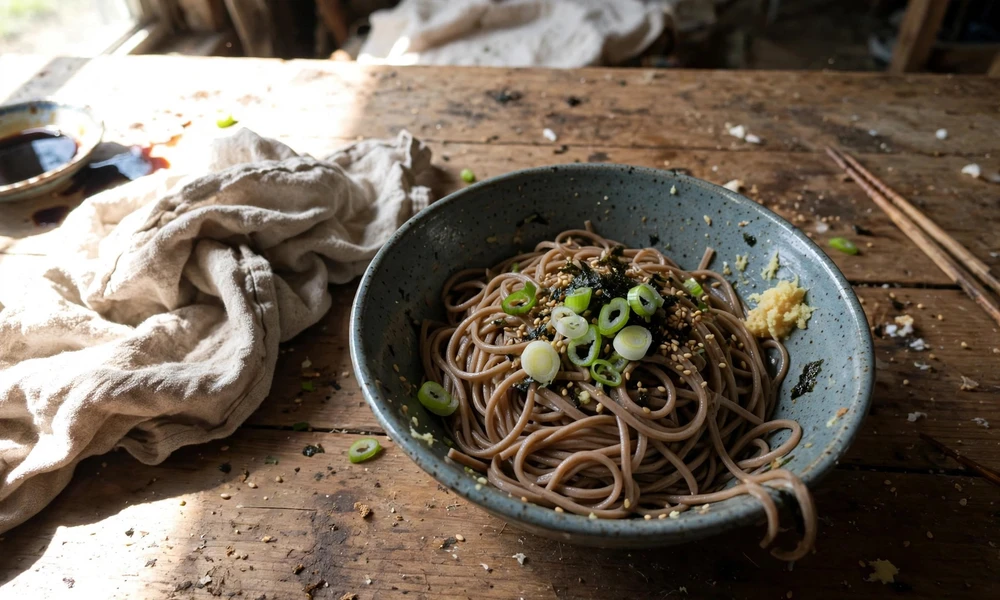
For noodles, the Iwate stay is the classic choice, with wanko soba rolled by hand in a farmhouse in the northern hills.
If food is the point, look to Valtellina or Gorenjska, where the pizzoccheri and the dumplings do more with a buckwheat grain than any other farm on this list. Our oat farm retreats roundup makes the same point in different words: choose the journey you will enjoy, not only the place.
The caveats that matter
Buckwheat farming leans on the weather in a way that surprises first-time visitors: farms give their best guess, never a promise, and a trip tied to one cutting day is a wager on the weather.
| Detail | What is known |
|---|---|
| Best time to visit | Mid to late summer in most regions, when the white flowers cover the fields and the groats ripen; the exact week moves with the rain |
| What the work involves | Walking the rows, watching the harvest, and seeing the groats hulled, milled or rolled into noodles |
| How long a stay runs | Two to five nights on most farms, with the flowering or the harvest in the long summer days |
| Who should take care | Travellers with bee sting allergies, coeliac disease, or limited mobility on open, uneven ground |
| What the kitchen serves | Buckwheat crêpes, noodles, groats and pancakes made from the farm’s own grain, often with cheese, mushrooms and honey |
| Gluten-free note | Buckwheat has no gluten, but mills and kitchens often handle wheat beside it, so ask about cross-contact before you book |
| What to pack | Closed shoes, a hat, long sleeves for the sun, and clothes you do not mind getting dusty |
| What it does not do | It does not guarantee a harvest day, a set menu, or hotel-style service on a working farm |
If you have a bee sting allergy, coeliac disease, or a health condition that heat makes worse, talk to the farm before you book. A quick question about the kitchen and the mill before you book can save you a difficult stay, and a farm that answers it honestly is usually worth the visit. Our barley farm retreats roundup ends on the same advice.
Checklist: booking a buckwheat farm stay honestly
Run through these checks before you pay, and once more in the week before you travel.
- Ask the farm for its flowering or harvest week in writing, and find out what happens if the buckwheat is still green on the day you arrive.
- Ask what the nightly rate covers: supper, lifts from the nearest town and guided walks should sit inside the price, not on the bill at checkout.
- Ask what the kitchen cooks and whether it can cope with a dairy-free request or a guest who avoids gluten.
- Check the room before you pay: farmhouse bedrooms are simple by nature, so look at the bed, the shower and the heating first.
- Pack for white blossom and bright sun: closed shoes, a hat, long sleeves, and clothes that rinse clean.
- Keep a free day at the end for the nearest town, so a harvest that shifts still leaves a good trip behind.
Frequently asked questions
Is buckwheat actually a kind of wheat?
No. Buckwheat is not a wheat at all, and it is not even a grass. It is the seed of a flowering plant in the same family as rhubarb and sorrel, and it is called a pseudocereal because the seed is used like a grain. Wheat is a true cereal grass, while buckwheat is a fruit seed, so it has no gluten.
Can someone with coeliac disease eat buckwheat?
Buckwheat itself has no gluten, so the grain is safe for a coeliac traveller in itself. The risk is cross-contact: mills and kitchens often handle wheat beside buckwheat, and soba noodles are often mixed with wheat flour. Tell the farm about coeliac disease before you book, ask whether the mill handles wheat, and choose 100 percent buckwheat dishes.
When does buckwheat flower, and how long does the blossom last?
Buckwheat flowers in mid to late summer, usually July and August in Europe, and the white blossom lasts only a few weeks on each field. The flowers open in the morning and the bees work them through the day, so the fields are at their best in the first half of the flowering window.
What does buckwheat honey taste like?
Buckwheat honey is dark, almost black, and far stronger than pale flower honey, with a malty, earthy flavour and a hint of molasses. It comes from hives kept beside the white blossom. A spoonful in tea is enough, and the flavour divides people, so taste it before you buy a jar.
Can I eat soba if I avoid wheat?
Only if the soba is made from 100 percent buckwheat, known as juwari soba. Most soba is ni-hachi, eight parts buckwheat to two parts wheat, and that wheat makes it unsafe for a coeliac traveller. Ask the kitchen which flour the noodles use before you sit down, and look for juwari on the menu.
Which countries grow the most buckwheat in the world?
Most of the world’s buckwheat grows in cool northern countries, with Russia and China leading the harvest, followed by Ukraine, Kazakhstan and the United States. The biggest buckwheat fields sit on the Russian steppe and the plains of north-east China, but the best farm stays sit in the smaller buckwheat regions.
The bottom line
A buckwheat farm retreat is a slow, sweet-smelling, generous kind of trip, suiting travellers who like white blossom, dark honey and honest cooking more than a hotel with a farm view. The grain is quick, the noodles are fresh, and the best stays feed you from their fields.
Fix the flowering week, not the date on your calendar, and keep a free day at the end. If the buckwheat ripens on time you will eat noodles from grain cut that week, and if it does not, the coast, the valley or the village will still make the trip worthwhile.