A silk throw is the lightest luxury you can put on a sofa. Draped over an arm, it catches the light in a way no flat weave can; pulled across your knees, it feels cool for a moment, then warms to your skin and seems to disappear. The trouble is that “luxury silk throw” now covers everything from thin polyester satin to a densely woven mulberry silk throw that will still look good in five years.
This roundup keeps it to silk throws only: pieces sized for a sofa or a single person, roughly 50 by 60 inches, made from silk in its many forms — mulberry, raw tussar, silk blends and the weaves that turn the same fibre into very different cloth. Every pick is a type you can buy today from a maker that names its fibre plainly, and every price below is a general band, not a listing for one product.
We chose for feel first, then drape, sheen, care and value. A throw that slides off the sofa is not luxury, and neither is one that cannot be cleaned without a saga.
Key takeaways
- Ten silk throws, from glossy mulberry charmeuse to textured raw tussar and quiet silk blends.
- Size matters more than the label: a true throw is about 50 by 60 inches, big enough for one person and small enough to fold over an arm.
- The weave decides the look: charmeuse shines, crepe de chine stays matte, jacquard carries a woven pattern, and dupioni shows a crisp slub.
- Check the label for the exact silk percentage before you pay: a throw sold as silk can be mostly polyester, and the headline rarely says so.
- Prices below are general bands, not listings for one product, and care needs vary by weave — check the label before buying.
What a silk throw actually is
Silk is a protein fibre, spun by silkworms into cocoons and unwound into long, unbroken filaments. That length is what sets silk apart: the filaments lie smooth, reflect light evenly and feel cool and slick against skin. Mulberry silk, from silkworms fed on mulberry leaves, is the finest and most even. Tussar, or wild silk, comes from silkworms that feed outdoors, and its shorter filaments give a textured, matte cloth with a golden tone.
A throw is a small blanket for one person, usually about 50 by 60 inches — long enough to cover shoulders to feet, small enough to fold over an arm. A silk throw is that same small blanket made from silk, and its job differs from a wool or cashmere throw: silk is the lightest, the most fluid and the most luminous fibre. Our guide to why silk sheets are worth it explains the same fibre checks, and they apply to throws just as well. Silk regulates temperature rather than simply trapping heat, so it feels cool on a warm evening and takes the chill off a cool one.
How we chose these ten throws
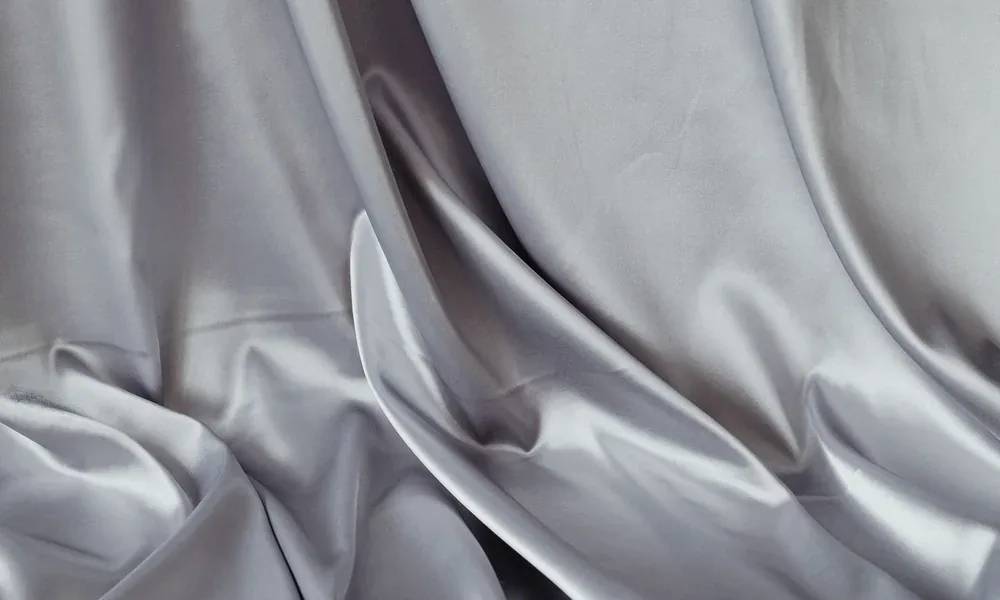
We started with the silk types luxury buyers return to year after year, then narrowed it to one pick per job: the glossiest throw, the most textured, the warmest blend, the most practical blend, and so on. Each pick had to be sold in a true throw size, made from silk the maker names plainly.
We judged on feel first, then on drape, sheen, care and value. Nothing here is a laboratory test.
The ten silk throws worth buying
One note before the list: the room decides the throw. A glossy throw suits a formal living room; a textured one suits a relaxed bedroom.
1. The Mulberry Silk Charmeuse Throw
What we like: Charmeuse is the glossiest silk here: a satin weave with a mirror shine on one side and a matte back, made from long mulberry filaments. It drapes like water. Expect $200 to $450 for a 50 by 60 inch piece in 19 momme or heavier.
What to consider: It slides off a sofa arm unless folded over twice, shows water spots, snags easily, and most charmeuse needs dry cleaning.
2. The Raw Silk (Tussar) Throw
What we like: Tussar is the most characterful silk here: a matte, slightly nubby cloth with a warm golden tone and a visible slub. It has more body than charmeuse and hides creases well. Expect $120 to $260.
What to consider: It is stiffer on first touch than mulberry silk, so test it against your wrist first. Colours run earthy and muted.
3. The Silk Satin Throw
What we like: A silk satin throw is the classic glamour pick: smooth, lustrous and cool, with a sheen that feels expensive the moment you touch it. Expect $150 to $350.
What to consider: Satin shows every mark: water spots, fingerprints and pressure lines appear until the cloth is smoothed out. It is slippery on leather sofas and usually needs dry cleaning.
4. The Silk Jacquard Throw
What we like: Jacquard is the most decorative silk here: the pattern is woven into the cloth itself, not printed on top, so it never washes out. The weave gives the throw more structure than a plain silk. Expect $180 to $380.
What to consider: The woven pattern adds weight, so a jacquard throw feels heavier than a charmeuse of the same size. The raised pattern can catch on rough surfaces.
5. The Silk–Cashmere Blend Throw
What we like: This is the softest and warmest silk throw here: silk gives it sheen and drape, cashmere gives it warmth, so it works on cold evenings where pure silk would be too light. Expect $250 to $500.
What to consider: It is the most expensive pick here, and the blend can pill lightly in the first weeks. Check the exact percentages: a throw sold as a silk-cashmere blend can be mostly cashmere, or mostly silk. Our comparison of cashmere versus silk blankets sets out where each fibre wins. Dry clean only.
6. The Silk–Linen Blend Throw
What we like: Silk and linen together make the most breathable throw here: linen adds body and a dry, airy hand, silk adds a soft sheen and stops the linen feeling rough. It suits warm rooms and summer evenings best. Expect $130 to $280.
What to consider: It wrinkles, and the wrinkles are part of the look — if you want crisp, buy charmeuse instead.
7. The Silk–Wool Blend Throw
What we like: This is the most practical silk throw here: wool adds warmth and body, silk adds lustre, and the result works from autumn through spring. It holds its shape better than pure silk. Expect $160 to $320.
What to consider: The wool share decides the feel: too much wool and it prickles, too little and it behaves like pure silk. Test it on your wrist before buying; our guide to silk versus wool sheets explains the same trade-off.
8. The Silk Dupioni Throw
What we like: Dupioni is the crispest silk here: woven from double cocoons, it has a firm hand, a bright lustre and an irregular slub. It holds a fold beautifully, so it looks tailored over a sofa arm. Expect $180 to $360.
What to consider: It is the stiffest silk here, so it drapes less softly than charmeuse or crepe de chine. The slub is irregular by nature, which some people read as unevenness.
9. The Silk Crepe de Chine Throw
What we like: Crepe de chine is the quietest silk here: a matte, finely pebbled surface with a fluid drape and almost no shine. It hides creases and suits pale colours that would show every mark on satin. Expect $140 to $300.
What to consider: It has the least visual drama of any silk here, so it can look plain in a room that needs a focal point. The pebbled weave is delicate and can snag on rough surfaces. Hand wash cold or dry clean.
10. The Hand-Embroidered Silk Throw
What we like: This is the most distinctive throw here: hand embroidery on a silk ground, usually floral or geometric, worked in silk thread so the whole piece has one soft hand. No two are quite alike. Expect $220 to $480.
What to consider: It is the most delicate pick here: embroidery can snag, and the ground silk is usually fine. Dry clean only, and store it flat or loosely rolled.
Silk, explained: the fibre and the weaves
Silk is not one cloth. It is one fibre made into many cloths, and the weave decides almost everything about how a throw looks and behaves. Charmeuse and satin are satin weaves, with long floats of thread on the surface that reflect light — that is where the shine comes from. Crepe de chine uses highly twisted yarns that pucker slightly, giving a matte, pebbled surface. In jacquard the pattern is woven in; in dupioni, uneven double-cocoon yarn makes the slub.
The most useful number on any label is the momme weight, written as “mm”. For a throw the sweet spot is roughly 16 to 22 momme: lighter than that and the cloth is sheer and fragile, heavier and it becomes stiff and loses its drape.
The caveats that matter
| Detail | What is known |
|---|---|
| Charmeuse | Glossiest silk, $200 to $450, liquid drape, slippery, dry clean only. |
| Raw tussar | Matte and textured, $120 to $260, golden tone, stiffer hand, earthy colours. |
| Satin | Classic sheen, $150 to $350, shows water spots, dry clean in most cases. |
| Jacquard | Woven-in pattern, $180 to $380, structured, heavier, check the reverse. |
| Blends | Silk with cashmere, linen or wool adds warmth or body; check exact percentages. |
| Momme weight | 16 to 22 momme is the sweet spot for a throw; lighter is fragile, heavier is stiff. |
| Washing | Most silk needs hand washing cold or dry cleaning; never wring or tumble dry. |
| Sunlight | Silk fades in direct sun, so keep a silk throw out of a sunny window seat. |
Checklist: before you buy a luxury silk throw
- Measure your sofa and check the throw is about 50 by 60 inches, covering shoulders to feet.
- Read the label for the exact silk percentage and the silk type, not just the word “silk”.
- Check the momme weight if it is stated: 16 to 22 momme suits a throw best.
- Test softness and drape on the inside of your wrist, where skin is thin and honest.
- Check the care label: hand wash cold, dry clean, or machine wash.
- Look at the edges: bound or hemmed edges lie flat, while raw edges curl and fray.
Frequently asked questions
What size is a luxury silk throw?
A true throw is about 50 by 60 inches, or roughly 130 by 180 centimetres: big enough for one person on a sofa and small enough to fold over an arm. Anything much larger is a bed blanket.
Is silk warm?
Silk is a light layer, not a winter blanket. It regulates temperature, so it feels cool on a warm evening and takes the chill off a cool one, but it is not as warm as wool or cashmere. A silk-cashmere or silk-wool blend is the warmer choice.
Can you machine wash a silk throw?
Only if the label says so. Most silk throws need a careful hand wash in cold water with a gentle detergent, or dry cleaning. Never wring silk, never tumble dry it, and never wash it hot.
How do I tell real silk from polyester satin?
Start with the label: real silk states its composition and often its momme weight, while polyester satin is usually sold on shine alone. Real silk warms quickly against your skin and feels soft and dry, not slippery and plastic. If the price looks too low for silk, it almost certainly is not silk.
Does silk fade in sunlight?
Yes. Silk is sensitive to ultraviolet light, and a throw left in a sunny window seat will fade and weaken over time. Keep a silk throw on a sofa away from direct sun, and store it out of the light in summer.
Are silk throws good for sensitive skin?
Generally, yes. Silk is smooth, low-friction and naturally temperature-regulating, which is why it suits sensitive skin better than coarse wool. Check the blend, though: a silk-wool blend can prickle if the wool share is coarse.
The bottom line
If you buy one silk throw, buy for the room you actually sit in. A mulberry charmeuse throw is the most glamorous for a formal living room, a raw tussar throw is the most characterful for a relaxed bedroom, and a silk-wool or silk-cashmere blend is the most useful for the sofa that gets used every day. The weave matters more than the brand: charmeuse shines, crepe stays matte, jacquard patterns, and dupioni slubs.
Start with the label, then the momme weight, then the care, and let colour come last.
Note: Prices above are general bands, not listings for one product, checked in November 2026. Check the listing before buying, and follow the care label.
Meet Our Experts
Our home and lifestyle editors cover bedding, textiles and interiors, and check compositions, sizes and prices against published listings.
Why Trust BrassSmile
We recommend only products with a published composition, size and price, and say plainly where a maker does not publish a figure. We do not invent test results.
Sources
Silk fibre and care guidance from the International Silk Association and published textile references, and published retail coverage from Better Homes & Gardens, The Spruce and Vogue.