
Silk sheets are the most argued-over purchase in the bedroom. They cost several times more than an ordinary set, they ask for gentler washing, and they arrive with promises that sound too good to be true. It is fair to ask whether any sheet is worth that much money and fuss.
The honest answer is that silk sheets are worth it for some sleepers and a waste of money for others. It comes down to three things you can check before you buy: the fibre, the weight, and your own sleep. Real mulberry silk, at the right weight, genuinely feels different from anything else on a bed.
This is a worth-it argument, not a shopping list. It looks at what silk actually does on a bed in 2027 — the feel, the temperature, the skin and hair claims, the real cost per night, and the care it demands — so you can decide whether the price is worth it.
Key takeaways
- Real silk sheets mean 100% mulberry silk, ideally grade 6A, in a charmeuse weave — and momme weight, not thread count, is the number that matters.
- For most buyers, 22 momme is the sweet spot: substantial and durable enough for nightly use, still cool, and far less fragile than 19 momme.
- Silk genuinely helps with temperature and friction: it wicks moisture, stays cool to the touch, and glides over skin and hair instead of dragging.
- A good queen set costs roughly $200 to $600 and lasts five to eight years with proper care, which works out to well under a dollar a night.
- The anti-ageing and wrinkle claims are unproven — silk can reduce sleep creases and friction, but no sheet has been shown to prevent wrinkles.
What silk sheets actually are
Silk is a natural protein fibre, spun by silkworms as they build their cocoons. The silk in good bedding is mulberry silk, from Bombyx mori silkworms fed exclusively on white mulberry leaves. That rearing produces long, uniform filaments, which are what make silk feel smooth: fewer fibre ends stick out to catch on skin.
The fibre is mostly fibroin, the protein that gives silk its strength, wrapped in sericin, a gummy protein largely removed during processing. Most silk sheets use a charmeuse weave, glossy on one face and slightly matte on the other — the source of silk’s liquid drape.
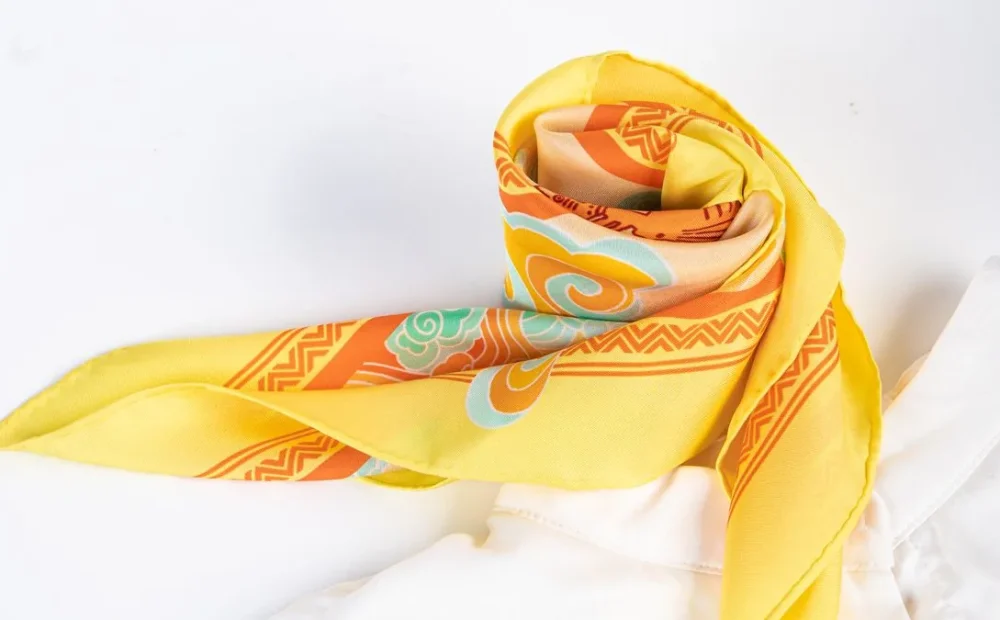
The same qualities make silk prized beyond the bedroom. The sheen, the drape, the way it moves — the best silk blouses show how the fibre carries that quiet shine into a wardrobe. On a bed, though, silk is not there to be looked at. It is there to be slept on, and that is where the argument has to be won.
The first night: the feel that sells them

Put a hand on a silk sheet and the case for it is made in about three seconds. It is cool, it is smooth, and it moves under your palm without resistance. Silk conducts heat away from the skin quickly, so first contact feels chilled even in a warm room.
Then there is the glide. Every time you turn in your sleep, your skin and hair drag across the sheet, and on a rough fabric that drag is friction: it tugs at skin, catches hair, and wakes light sleepers. Silk’s continuous filaments have almost nothing to catch on, so you slide instead of sticking.
The feel is also why silk sheets change a room. A bed dressed in silk looks like a bed in a good hotel. Celebrity home decor leans on the same trick — one lustrous textile can carry a whole room — and silk bedding does it from the centre of the bedroom outward.
Temperature, night after night
Silk’s best-documented strength is temperature regulation. The fibre is breathable and wicks moisture away from the body, so sweat does not pool against the skin the way it can on a synthetic sheet. In summer it draws heat away and stays dry; in winter it traps small pockets of air, holding warmth close.
It is not actively cooling like a fan, and it is not insulating like flannel. It is steady, which is what most sleepers actually need: a sheet that does not swing from clammy to chilly as the night goes on.
Weight matters here. Lighter silk, around 19 momme, is airier and cooler but more delicate and more sheer. Heavier silk, at 25 momme, drapes with a satisfying weight and lasts longer but breathes a little less freely. The middle, 22 momme, is where most sleepers land: cool enough for summer, substantial enough for winter, and tough enough for regular washing.
Skin and hair: the honest version
This is where silk’s claims need the most care, because the honest version is more modest than the advertising. Silk’s smooth surface genuinely reduces friction against skin and hair. Less friction means fewer sleep creases in the morning, less tugging on fine or curly hair, and less irritation for reactive skin. Hair glides across silk instead of catching, so many people wake with less frizz and fewer tangles.
Silk also absorbs far less moisture than cotton. A thirsty fabric pulls serums and moisturisers off your face while you sleep; silk leaves more of your skincare where you put it. It is also naturally resistant to dust mites and mould, thanks to the sericin protein in the fibre — a genuine, practical benefit for allergy-prone sleepers, rather than a beauty claim.
What silk cannot honestly promise is younger skin. Small studies have found that silk can help people with eczema — a 2006 study of children wearing silk clothing and a 2017 trial of silk pillowcases both reported less irritation — but those studies were small, and they tested clothing and pillowcases, not full sheet sets. No good evidence shows that sleeping on silk prevents wrinkles. The hair benefits are easier to defend, and silk protein for hair is a useful companion read if frizz and breakage are your main reason for considering silk.
How to read a silk label
Buying silk sheets well is mostly about reading three specifications and ignoring everything else. The first is the fibre: the label should say 100% mulberry silk. If it says “silk blend,” “silk-like,” or “satin” without naming the fibre, it is not what you are paying for. Satin is a weave, not a fibre, and most satin sheets are polyester.
The second specification is momme weight, abbreviated mm: the weight in pounds of a piece of silk 100 yards long and 45 inches wide. For bedding the useful range is 19 to 25. Below 19 momme, sheets feel thin, snag quickly, and may not survive a year of regular washing. At 22 momme you have the balance most buyers should choose, with about 16% more silk than 19 momme.
The third specification is grade. Mulberry silk is graded from A up to 6A, and 6A is the finest: long, uniform, unbroken filaments that pill less and last longer. A listing that states “6A grade mulberry silk, 22 momme, charmeuse weave” tells you everything you need; one that states none of those three things tells you something too. Look as well for OEKO-TEX Standard 100 certification, meaning the fabric has been tested for harmful substances.
The worth-it maths
Silk sheets are expensive, and the only fair way to judge the price is per night, not per set. A real mulberry silk queen set costs roughly $200 to $600. Cheap sets under $100 that claim to be silk are almost always polyester satin or a low-momme blend. Above $800, the comfort gain over a good $350 set is far smaller than the jump from polyester to real silk.
| What you are buying | What to expect |
|---|---|
| Entry set, 19 momme, grade 5A | Roughly $150–$300 for a queen set; light and airy, but delicate and quick to snag. |
| Sweet spot, 22 momme, grade 6A | Roughly $300–$500; the best balance of feel, durability, and price for nightly use. |
| Premium set, 25 momme, grade 6A | Roughly $500–$800; heavy, opaque, and longest-lasting, with a true luxury drape. |
| Ultra-luxury set, 25–30 momme | $800 and up; beautiful, but the comfort gain over 22 momme is small. |
| Lifespan with proper care | Five to eight years for a mid-range set; eight to twelve for a premium one. |
| Cost per night, $350 set over seven years | About 14 cents a night — less than a cheap set replaced every two years. |
| Cost per night, $550 set over nine years | About 17 cents a night, for heavier silk that survives far more washes. |
| The catch in the maths | Those figures assume gentle washing and no snags; rough care can halve the lifespan. |
Before you buy — a quick checklist
- Check the label says 100% mulberry silk, not “silk blend” or “silk-like satin.”
- Check the momme weight is stated, and aim for 19 to 25, with 22 as the default.
- Check the grade is 6A, or at least grade A, for long filaments that resist pilling.
- Check for OEKO-TEX Standard 100 certification on the finished fabric.
- Check the set includes what you need — usually a flat sheet, a fitted sheet, and two pillowcases.
- Check the return policy, and sleep on the set for at least two weeks before deciding.
Frequently asked questions
Are silk sheets worth it if I sleep hot?
Yes — hot sleepers notice the difference most. Silk wicks moisture, stays cool to the touch, and does not trap heat the way polyester satin does. Choose 19 or 22 momme rather than 25 and keep the duvet light. It will not cool a hot room on its own.
How long do silk sheets actually last?
A mid-range set lasts five to eight years with proper care, and a premium 25 momme set can last eight to twelve. That assumes cold, gentle washing and air drying. Snags from zips, rough nails, or jewellery are the usual cause of early damage, so a mesh laundry bag genuinely extends the life of the set.
Can I machine wash silk sheets?
Most modern silk sheets can be machine washed on a delicate cycle in cold water with a pH-neutral, silk-safe detergent, ideally inside a mesh bag. Never use bleach or fabric softener, never wring the fabric, and never tumble dry it — high heat damages silk protein permanently. Air dry out of direct sunlight.
Do silk sheets really help skin and hair?
They help with friction, which is the part of the claim that holds up. Less friction means fewer sleep creases, less hair frizz and tangling, and less irritation for sensitive skin, and silk’s low absorbency keeps night skincare on your face. Claims that silk prevents wrinkles are not supported by good evidence.
What is the difference between silk and satin sheets?
Silk is a natural protein fibre; satin is a weave. A satin sheet can be woven from silk, but most cheap satin sheets are polyester. Polyester satin looks shiny and feels slippery, but it does not breathe or wick moisture like real silk, and it sleeps noticeably hotter.
Is 22 momme really the best weight?
For most buyers, yes. Nineteen momme is lighter and cheaper but more delicate and more sheer. Twenty-five momme is heavier, more opaque, and more durable, but it costs more and breathes slightly less. Twenty-two momme sits in the middle: substantial in the hand, cool against the skin, and tough enough for nightly use.
The bottom line
Silk sheets are worth it in 2027 if you buy real mulberry silk at the right weight and for the right reasons: cooler sleep, less friction on skin and hair, and the nightly pleasure of a fabric that feels like nothing else. At 22 momme and grade 6A, a good set costs a few hundred dollars and, cared for gently, works out to well under a dollar a night.
They are not worth it if you want bedding you can throw in a hot wash and tumble dry, if you are buying them as an anti-ageing treatment, or if the set in your basket does not state its fibre, momme, and grade. Buy the real thing, wash it gently, and silk sheets stop being a luxury purchase and start being the quietest upgrade in the house.
Note: Prices and lifespans quoted here are typical ranges from published buying guides and brand specifications, not guarantees for any single set. Check the fibre content, momme weight, and care label on the exact set you buy, and follow the maker’s washing instructions.