A satin blazer is the most glamorous version of a wardrobe staple, and the easiest to get wrong: the sheen that looks expensive in the evening can look slippery in daylight, and the fluid drape can swallow your shape if the cut is wrong. Get the fit and the shine right, and one blazer carries you from a work lunch to a dinner party.
The trick is treating satin as a statement fabric, not a neutral one. A wool blazer disappears into an outfit; a satin blazer leads it. Everything else should be calmer, more matte and more structured. When the blazer is the shine, the rest of the outfit is the frame.
This guide stays strictly on the satin blazer: how to choose one, control the sheen, wear it by day and after dark, and keep it looking new.
Key Takeaways
- Let the blazer be the only shine; pair it with matte cotton, wool, denim and crepe.
- Choose structure over slouch: a defined shoulder and a single-button closure keep satin tailored.
- Dark tones and flat shoes for day; pale and jewel tones for evening.
- Balance the drape with something firm: tailored trousers, a pencil skirt or straight-leg jeans.
- Steam, never iron directly, and hang it on a wide padded hanger.
What Makes a Satin Blazer Different
Satin is a weave, not a fibre: a smooth face with a high lustre on one side and a duller reverse on the other. That glossy face catches the light, and it shows every wrinkle, water mark and crease. A satin blazer behaves nothing like a wool blazer of the same cut: it drapes rather than holds, and moves with the body instead of standing away from it.
Because of that drape, the cut matters more than with any other blazer fabric: soft, unpadded shoulders and no waist shaping can look like a dressing gown within minutes. Look for a lightly structured shoulder, a waist seam or dart, and a lining that lets the fabric glide without clinging.
Weight matters too: heavyweight duchess satin holds a shape and suits a sharp, tailored blazer, while lightweight charmeuse is fluid and suits a relaxed, open blazer worn as a layer. Feel the fabric before you buy: it should fall smoothly, not crinkle, and the sheen should look like a soft glow, not a hard glare. For a broader sense of what makes a blazer worth owning, see the best blazers for women — the same fit rules apply, and satin simply raises the stakes.
Sheen is the whole point of satin, and also its biggest risk. One glossy surface reads as luxury; three read as a costume. The rule is simple: the satin blazer is the only shine. A cotton T-shirt, wool trousers and leather shoes all calm the blazer down, while a sequinned top, patent shoes and a metallic bag fight it for attention. Colour is your second control: dark satin — black, navy, deep burgundy — has a quieter shine that works in daylight, while pale satin — ivory, blush, champagne — reflects far more light, so save it for after dark. Try the blazer in more than one light first: satin can blaze under a camera flash.
Daytime: Making Satin Work Before Dark
Daytime satin needs casual, matte partners. The easiest formula: a dark satin blazer, a plain white or black cotton T-shirt, straight-leg jeans in a mid or dark wash, and loafers or clean white trainers. The jeans and T-shirt do the casual work; the blazer does the polish. Keep jewellery minimal and carry a structured leather tote.
For a smarter look, swap the jeans for tailored trousers in wool or cotton twill and the T-shirt for a fine-gauge knit or a crisp cotton shirt. A black satin blazer over a white shirt and charcoal trousers is office-appropriate, provided the satin is dark. Avoid a satin camisole underneath at work: two satin surfaces double the shine.
Keep the blazer open during the day: satin pulls and wrinkles across a closed front when you sit. If it has a belt, leave it undone — a cinched satin waist is an evening look.
Evening: Letting the Blazer Shine
Evening is where a satin blazer earns its place. After dark, the sheen that felt loud at lunch becomes exactly right. Pair it with a silk slip dress in a darker or complementary tone so the two satins do not compete — a black satin blazer over a deep green or burgundy slip dress is a classic. For more ideas on the dress half of that pairing, see the best satin dresses.
Trousers are the safer evening partner. Wide-leg black trousers, a simple camisole and a satin blazer make a dinner outfit that is comfortable and elegant. Add a pointed heel, a small clutch and one piece of statement jewellery, and stop there. The blazer is the statement; the jewellery is the accent.
Evening is also the moment for colour. A jewel-toned satin blazer — emerald, sapphire, ruby, plum — reads as deliberate and glamorous after dark. Wear it with black underneath and black shoes, and let the colour be the only bold choice. At a party, you can wear the blazer closed as a top on its own, with a camisole and high-waisted trousers.
| Occasion | Blazer | Underneath | Bottoms | Shoes |
|---|---|---|---|---|
| Daytime casual | Dark satin, open | White cotton T-shirt | Straight-leg jeans | Loafers or white trainers |
| Office | Black or navy satin | Crisp white shirt | Charcoal tailored trousers | Pointed flats or block heels |
| Smart lunch | Dark satin, half-buttoned | Fine-gauge knit | Wide-leg wool trousers | Leather loafers |
| Dinner | Black satin | Matte camisole | Wide-leg black trousers | Pointed heels |
| Evening party | Jewel-tone satin | Camisole | High-waisted trousers | Strappy heeled sandals |
| Formal event | Black or champagne satin | Slip dress underneath | Matching slip dress | Classic court shoes |
| Weekend brunch | Muted satin, open | Plain T-shirt | Dark denim trousers | Clean trainers or flats |
| Date night | Deep burgundy satin | Lace-trim camisole | Slim black trousers | Heeled sandals |
What to Wear Underneath and With It
What goes under a satin blazer decides whether the outfit reads as tailored or sloppy. A plain cotton T-shirt is the most useful under-layer: matte, simple, and it keeps the blazer casual. A white T-shirt under a black satin blazer is the most reliable combination in this guide, and it works with jeans, trousers and skirts alike. A camisole is the evening under-layer, but choose matte silk or fine crepe rather than shiny satin, unless you are wearing a matching set.
A shirt under a satin blazer is a strong option for work, but it must be crisp — a limp shirt next to glossy satin looks unfinished, so steam it and tuck it in fully. White, pale blue or a fine stripe works best; a busy print makes the outfit noisy. Avoid chunky knitwear underneath: the bulk distorts the blazer’s line and the satin catches on the knit.
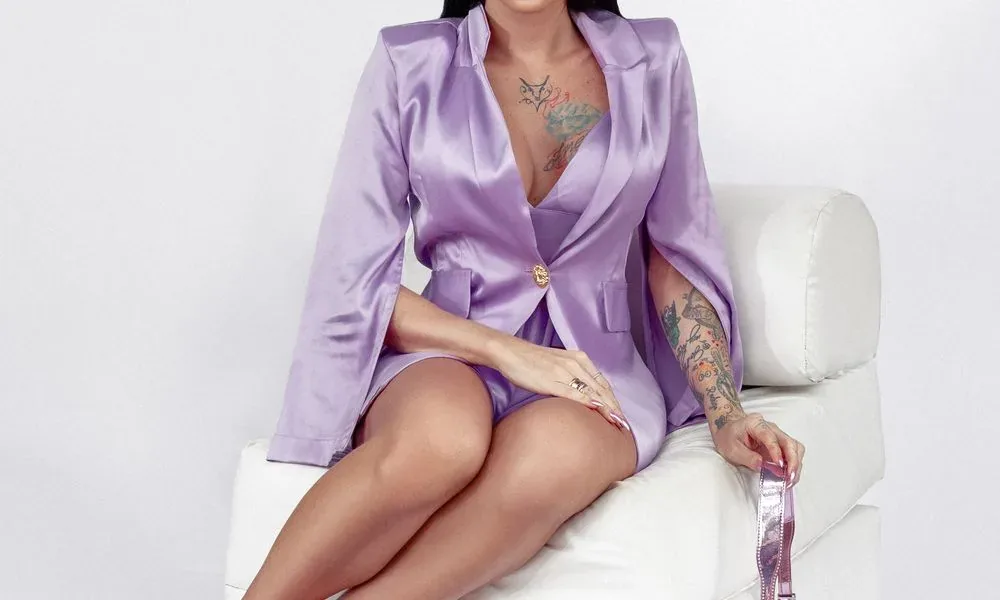
The bottom half should provide structure. Straight-leg or wide-leg tailored trousers are the best partners: their clean line balances the fluid blazer, and wool or cotton twill gives the eye something matte to rest on. A pencil skirt in matte crepe or wool works the same way. Jeans work too, but choose a straight or slim leg in a dark wash — very light or distressed denim next to satin can look accidental.
Shoes follow the same rule: matte and simple. Leather loafers, pointed flats, block heels and court shoes all work. Avoid patent leather next to satin, since two glossy surfaces compete, and avoid trainers with metallic details. Bags should be structured and matte — a leather tote or a small clutch in suede or grained leather. A slouchy or shiny bag softens the outfit too much.
Fit, Colour and Care
Fit is where most satin blazers fail. The shoulders should sit exactly on your own shoulders — satin shows a dropped shoulder immediately. The sleeve should end at your wrist bone, the blazer should skim the hip, and you should be able to close the button without pulling across the bust. If it pulls when closed, size up and have the waist taken in; satin is one fabric where tailoring is almost always worth the cost.
Black is the most versatile and the most forgiving of creases; navy is softer and suits daytime better; jewel tones are the most glamorous; ivory and blush are beautiful but show every mark and suit evening best. If you are buying a second satin blazer, a jewel tone is the most useful addition.
Care is simple but non-negotiable. Hang the blazer on a wide, padded hanger and never fold it into a drawer. Steam it from a distance rather than pressing it with an iron, and never iron directly on the shiny face, which can leave a permanent mark. If it gets a water spot, let it dry completely before touching it — rubbing a damp mark usually makes it worse. Most satin blazers are dry-clean only: a home wash can dull the sheen and shrink the lining. If you are building a suited look, see the best power suits for women for tailoring that holds the same standard.
- One shine only: satin blazer plus matte top, bottoms, shoes and bag.
- Dark tones for day, pale and jewel tones for evening.
- Structured shoulders and a defined waist — never slouchy and unlined.
- Try it in daylight and in a photo before a big occasion.
- Steam from a distance and dry-clean rather than home-wash.
- Wear it open by day, closed or belted in the evening.
Frequently Asked Questions
Can you wear it during the day?
Yes, if the satin is dark and the rest of the outfit is casual and matte. A black or navy satin blazer with a white T-shirt, straight-leg jeans and loafers is a daytime look; a pale satin blazer with a shiny top is not. Keep the blazer open and the jewellery minimal.
Is it appropriate for work?
In most offices, yes — a dark satin blazer over a crisp shirt and tailored trousers reads as polished and professional. The exceptions are very formal workplaces and jobs where you will be moving or lifting, since satin creases and marks easily. When in doubt, wear it on a day of desk-based meetings.
What should you not wear with it?
Avoid other shiny fabrics: satin tops, sequins, patent shoes and metallic bags all compete with the blazer. Avoid chunky knitwear underneath, which distorts the line and catches on the satin, and very light or distressed denim, which can look accidental. One shine is the rule.
Does it make you look bigger?
It can, because satin reflects light and light makes surfaces look larger — but the effect is small. A defined shoulder, a waist seam, a dark colour and a structured bottom half all keep the silhouette clean. The blazers that add bulk are usually pale, oversized and unlined, so avoid that combination.
How do you stop it creasing?
You cannot stop satin creasing entirely, but you can keep it minimal: hang the blazer on a wide padded hanger, steam it before wearing, and keep it open while seated so the fabric does not fold across your lap. A heavier satin creases less than a lightweight charmeuse, so check the weight when you buy.
Can you wear it with jeans?
Yes — it is one of the best combinations. A dark satin blazer with straight-leg jeans in a mid or dark wash and a plain T-shirt is the easiest way to wear satin in the daytime. Add loafers, a leather bag and minimal jewellery, and the outfit is polished without being formal.
The Bottom Line
A satin blazer works when you treat it as the star of the outfit and give it a quiet supporting cast. Dark tones and matte partners make it wearable in the daytime; jewel tones, a slip dress or wide-leg trousers make it glow in the evening. The fit rules are the same as for any good blazer, but satin punishes a bad fit more visibly than wool ever will, so buy carefully and tailor if you need to.
Start with one dark satin blazer and the simplest formula in this guide: white T-shirt, straight-leg jeans, loafers. Then try the office version with a shirt and tailored trousers, and the evening version with a camisole and heels. One blazer, three outfits — just a little restraint with the shine.
Note: satin varies by fibre and weave, from silk to polyester, and care labels differ between makers. Always check the care label on your own blazer before steaming, ironing or cleaning it.