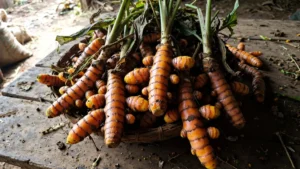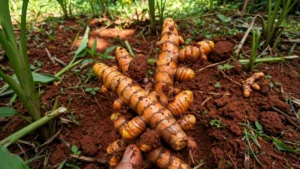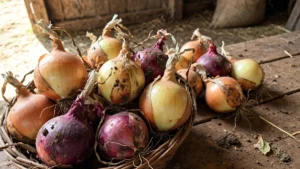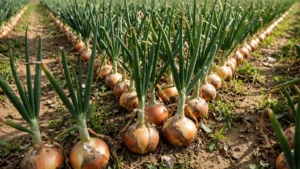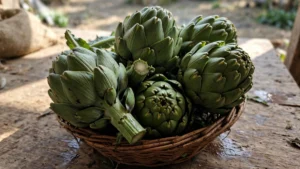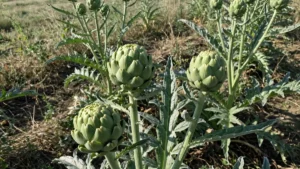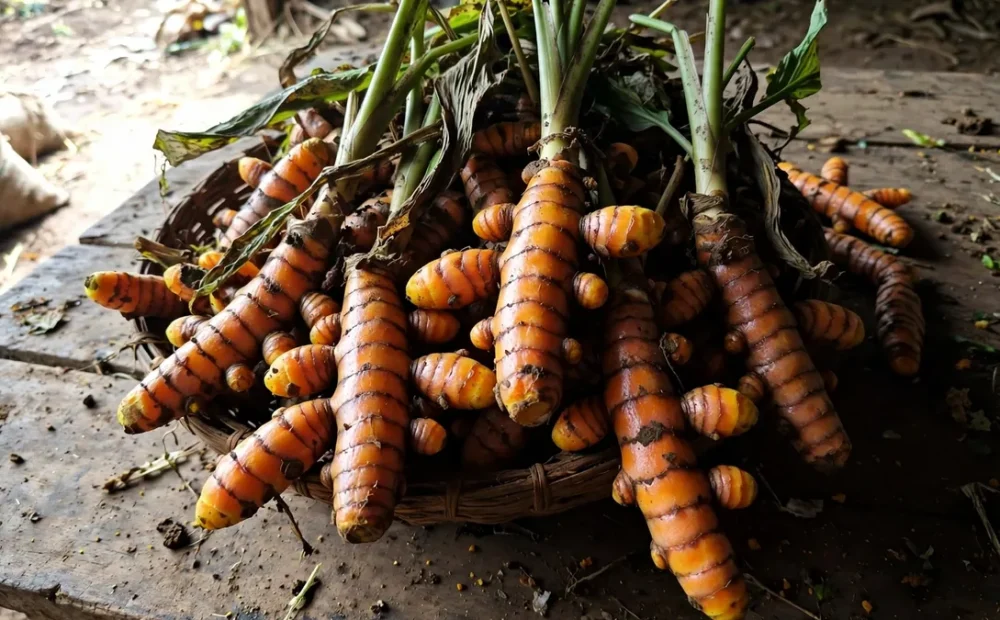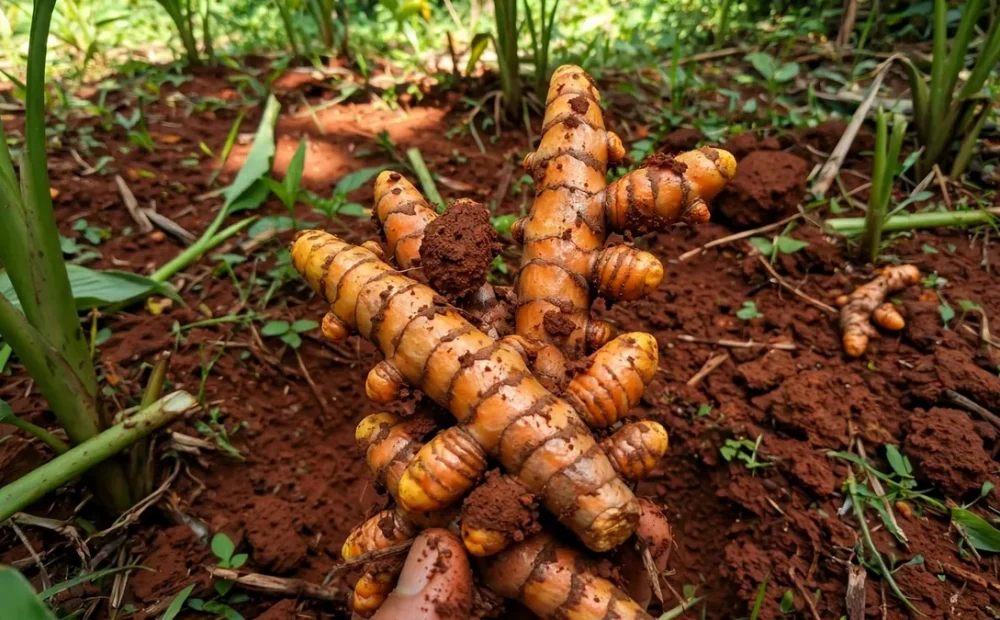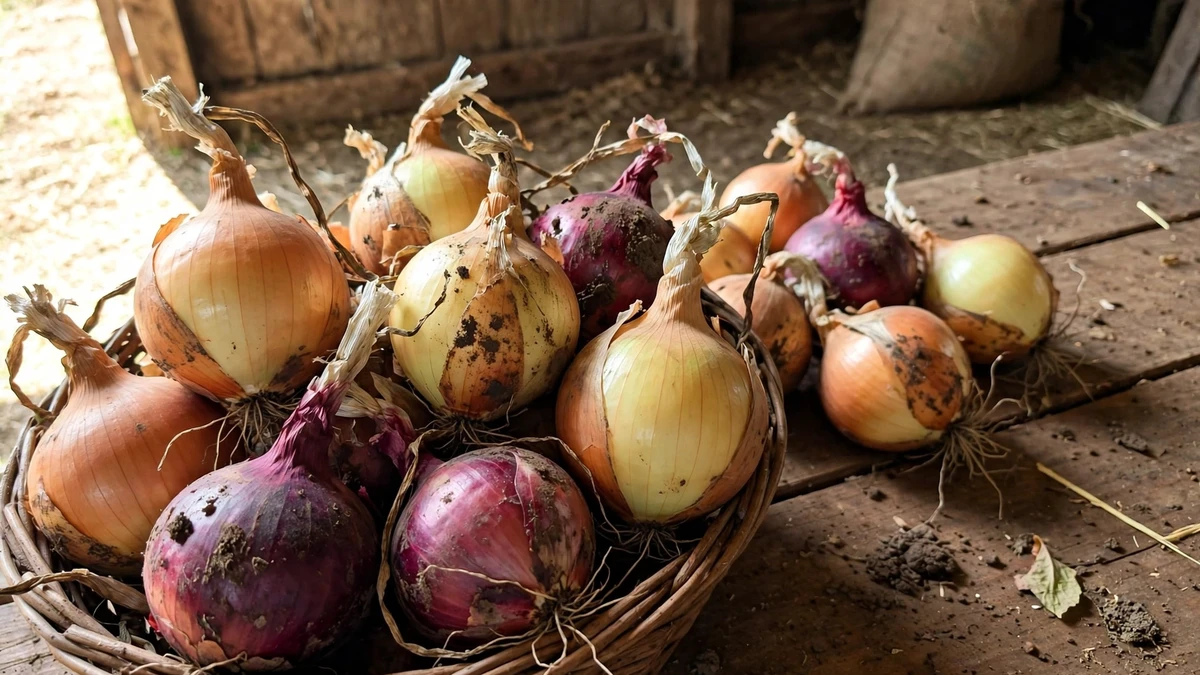

An onion farm escape is three to five nights on a working onion farm, timed to the lifting week. You sleep in a farmhouse room, eat onions cooked the farm’s own way, and spend the days among the beds, watching the sweet onions pulled from sandy soil, the storage bulbs laid out to cure and the red onions braided for the barn wall. Supper comes from ground you walked that morning.
Planning one asks for more thought than a hotel booking, because the lifting date moves with the warmth and the farms hold only a few guests. The best stays take only a few guests, the lifting window lasts a few weeks, and a farm that answers in plain words is usually the farm worth visiting. Bring a notebook: the farms that name their lifting week in the first email are the ones that know their onions.
Below are nine steps for planning an onion farm escape in 2027, from choosing the right kind of bulb to packing the bag and bringing a crate home. Each step lays out the move, the slip to dodge, and the traveller it suits, so the plan turns on how you travel, not where you go. The onion is a crop that rewards timing, so the plan turns on the calendar more than anything else.
Key takeaways
- The first question to any farm is which onion it grows — sweet bulbs are pulled for the table, while storage bulbs are lifted to cure.
- Book the lifting week, not the onion festival — the festival can fall a month after the bulbs are out of the ground.
- The northern harvest falls in late spring and summer, the southern harvest runs the other way round, and the precise week moves with the warmth and the rain.
- Onion farms are small places with few guests, so expect plain rooms, meals at one table and dust on your boots.
- No farm can promise a lifting date, and bulbs left in the bed split their skins within days, so settle the calendar and the kitchen before you pay.
What an onion farm escape involves
An onion farm escape is a short stay on a farm that grows onions, built around the week the sweet bulbs are pulled and the storage bulbs are laid out to cure. Nights pass in a farmhouse room or a converted barn, meals come from the farm kitchen, and the days belong to the fields, where beds run in straight lines, tops lie flat on the ground, and onions are cooked while they are still fresh.
Mornings begin early, with a walk along the beds while the soil is still cool, and the lifting carries on through the day, baskets filling with sweet bulbs and barrows with storage ones. Supper arrives at one shared table, red onions grilled warm with olive oil beside the plate. Evenings are quiet, the soup pots cooling, and the talk at the table turns to the harvest.
The farms sit in dry country, firm bulbs in loose soil and a curing barn beside the farmhouse. The stays that work best invite you into the lifting rather than leaving you to watch, and a farm that talks plainly about its sets and cooking generally looks after its guests well too. Dust gets into everything, and farms that tell you so upfront are worth trusting.
How to plan it, and what to ask first
Begin with where onions truly grow, not where they sell best. A real onion farm has beds to walk through, bulbs to stand among at lifting time, and a kitchen working with its own onions. A farm that buys its bulbs in and cooks with them is no onion farm, whatever the website claims.

Get the lifting window in writing, and ask what the nightly rate takes in — supper, the drive in from the nearest town and walks among the beds ought to be part of the price, not billed on arrival. A farm that sets out the lifting, the curing and the cooking in plain words is a farm that knows its onions.
Learn when the sweet bulbs are pulled and the storage bulbs are cured. A farm that puts its lifting week on its signs knows its onions, and a farm that can only say it grows onions is one to question.
The 9 steps to plan an onion farm escape
The map follows the bulb
What to do: Settle which onion you want to taste first — mild sweet bulbs, sharp red onions or firm storage bulbs — then choose the region that grows it best. What to avoid: Picking a farm on price and finding bulbs that came from a shop. Best for: Travellers who rate a farm on its cooking as much as its crops. Time needed: One evening with the farm’s menus and kitchen notes. Standout tip: A farm that cures its own storage bulbs in the barn knows its onions.
The farm picks the week, not you
What to do: Ask for the lifting window and book the weeks the bulbs are ready, since the tops can lie flat for days before the farm lifts. What to avoid: Arriving in planting week, when the beds are bare and the bulbs are months away. Best for: Travellers who would rather lift bulbs than plant sets. Time needed: One email, then a pause while the farm settles its dates. Standout tip: A top lying flat on the ground is a ripe bulb, and the farm knows the week the tops fall.
The barn is where bulbs harden
What to do: Find out where the farm dries its bulbs after lifting, and ask how long the necks take to seal in the barn. What to avoid: A farm with no drying space, where the bulbs go straight into sacks while still damp. Best for: Travellers after the whole harvest, not a tasting. Time needed: A short message, answered usually within a day. Standout tip: A barn that smells of dry skins and warm straw keeps its bulbs, and the farm will show it proudly.
Learn to read a top that has fallen over
What to do: Walk the beds at first light, while the soil is cool and the dew is still on the tops, and ask the farm which beds fall first. What to avoid: A late start that leaves you the beds only in midday sun. Best for: Travellers who like the beds cool and the bulbs newly lifted. Time needed: An hour before breakfast. Standout tip: A bulb lifted cold in the morning keeps its skin longer, and the farm knows it.
Taste the same onion raw, grilled and caramelised
What to do: Sit down to the farm’s onion soup the evening you arrive, before you have seen a field, so the flavour sets the trip. What to avoid: Saving the first taste for the last night, after the pots have gone cold. Best for: Travellers who want the onion to carry meaning. Time needed: Your first evening at the farm table, on the night you arrive. Standout tip: Onion soup eaten after a day among the beds tastes different from soup eaten on arrival, and the farm knows it.
The shed table sorts the crop
What to do: Ask the farm to show you the grading shed, where bulbs are sized, skinned and crated, and feel a firm bulb against a soft one. What to avoid: Taking every onion on a farm table as the farm’s own. Best for: Travellers who want to know their onions before they cook them. Time needed: Thirty minutes at the grading table. Standout tip: A farm that grades its own bulbs keeps its best for the table, and the shed hands can show the difference in a handful.
Bring boots, a hat and eye drops
What to do: Bring sturdy closed boots, a sun hat and clothes you can wash by hand, since the beds are dusty, the soil runs across the paths, and the evenings are cool. What to avoid: Light clothes that return stained at every hem by midday. Best for: Travellers who want the beds themselves, dust included in the bargain. Time needed: An evening spent packing the case. Standout tip: Dust gets everywhere, and a farm that welcomes you into the beds has nothing to hide.
Follow the farm truck at first light
What to do: Go with the farm to the nearest onion market on market morning, and watch the sacks weighed, haggled over and loaded. What to avoid: Seeing the market as a photo stop and missing the onion trade. Best for: Travellers who want the onion world outside its bed. Time needed: A morning’s opening hours at the market with the farm. Standout tip: At the market you see which onions the region grows and which it only sells, and the farm will point out the difference.
Bring cured bulbs home, not green tops
What to do: Buy a crate of cured storage onions from the farm shop before you leave, packed in a sack, so the trip comes home with you. What to avoid: Fresh sweet bulbs in the suitcase, which bruise and spoil before you reach home. Best for: Travellers who want part of the harvest to carry home. Time needed: An hour at the farm shop. Standout tip: A firm cured bulb in a sack travels better than any sweet onion, and the farm’s bulbs turn a cupboard at home into a small piece of the trip.
Picking the right season and region
For the deepest onion story, begin with Vidalia or Tropea, where the sweet and red bulbs have grown longest and the cooking runs to butter and olive oil. Both ease a first-timer in, with short walks and long table meals, and Vidalia adds the liveliest spring festival. Both sit close to towns with markets, so a rest day still tastes of onions.
For scenery with the onions, Pukekohe and Tulelake set the beds on green volcanic hills and a high lava plain, Kitami in cool fields, and the Columbia Basin in green circles against dry sagebrush. Pukekohe is the dearest of the nine, while Vidalia is the simplest to reach. Southern farms lift while northern ones rest, so a two-region trip should start north and finish south.
For the vegetable that grows beside the onion, our guide to planning a tomato farm escape covers a summer crop altogether, with sun-ripened fruit and sauce pots instead of lifted bulbs and curing barns, and the guide to planning a parsnip farm escape offers a root for the cold months, with roasts and mash instead of grilled onions and caramelised rings.
The caveats that matter
The harvest answers to the weather — a farm offers its best guess and never a promise, and a trip tied to one lifting day gambles on rain. The warning that matters most is the bulb itself, easy to miss when the stay is sold as gentle country.
| Detail | What is known |
|---|---|
| Best time to visit | Late spring and summer in the north for sweet and storage onions, with the southern season running the other way round |
| What the work involves | Walking the beds, watching the sweet bulbs pulled and the storage bulbs laid out to cure, and seeing the onions cooked |
| How long a stay runs | Three to five nights, set around the lifting weeks |
| Who should take care | Guests with a strong sensitivity to onions, and anyone unused to fierce sun, loose soil or thin mountain air |
| What the kitchen serves | Sweet onions sliced raw, red onions grilled with olive oil, storage onions roasted and caramelised, with bread and farm butter beside the plate |
| Gluten note | Onions are naturally free of gluten, but the bread and pastry served beside them are usually wheat, so ask the kitchen what it can safely serve |
| What to pack | Sturdy boots, a wide sun hat, a warm layer for cold evenings, and clothes you can rinse out by hand |
| What it does not do | No promised lifting day, no set menu, and no hotel-style service on a working farm |
Anyone with a strong sensitivity to onions or a strict gluten-free diet should talk to the farm before booking. One question about the kitchen and the onions can save a difficult stay, and an honest answer is a good sign. Our guide to planning a radish farm escape carries the same warning, since the bread on those tables is baked from grain too.
Checklist: before you book an onion farm escape
Go over these checks before you pay, and run through them once more in the week before you travel.
- Ask for the lifting window in writing, and find out what happens if the bulbs are still small when you arrive.
- Check that supper, the drive in from town and the walks among the beds are all covered by the nightly rate.
- Find out whether the lifting and cooking happen on the farm, and whether the kitchen can serve a meal without onions.
- Before you pay, look at the room itself — farm rooms are plain, so run the taps, test the mattress and switch the heater on.
- Pack for sun and dust: sturdy boots, a hat, a warm layer for cold evenings, and clothes you can rinse in a basin.
- Keep a day free for the nearest town, so a lifting week that shifts still leaves a good trip.
Frequently asked questions
Is an onion farm a good trip for a gluten-free traveller?
In part. The fields, the lifting and the harvest are worth the journey alone, and onions themselves carry no gluten, but the bread and pastry beside them are usually wheat. Ask what the farm can make without wheat for a gluten-free guest, and settle on the lifting week before any week the kitchen bakes bread.
How early should I book an onion farm stay?
Book no less than three months ahead, and a year ahead for the southern farms, since the farms take only a handful of guests and the lifting week is brief. The best farms fill their lifting weeks first, so a late booking lands the week after the bulbs are out. A farm whose lifting weeks fill early tells you so in its first email, and a slow reply means there is still space.
What goes in the bag for onion country?
Sturdy walking boots, a wide sun hat, something warm for cold nights, and clothes that rinse easily in a basin. The fields are dusty, the beds run straight and the kitchen runs hot, so pack for dry ground and dusty tracks, not for a hotel stay.
Do onion farms welcome children?
Yes, on most farms, as long as they can walk the fields and keep clear of the soup pots. The lifting is light work to watch, the fields are open, and children usually love the beds and the farm animals, but the rows are dusty and the sacks are heavy, so keep them close.
What is worth bringing home from an onion farm?
Most farms sell cured storage onions by the sack and jars of onion soup from their own harvest, and some sell pickled onions as well. Buy cured storage onions rather than fresh sweet bulbs — the sweet ones bruise and spoil in a day — and carry the jars in a sealed bag.
How much does a week on an onion farm run to?
Plan on near $450 at the cheapest end and $2,600 at the dearest for a week for two, depending on region and room. Vidalia is the cheapest stay on this list, Pukekohe the dearest, and flights are usually the largest part of the trip, so book the lifting window before the flights.
The bottom line
An onion farm escape fits travellers who would rather have lifted bulbs, soup pots and onions cooked the farm’s own way than a hotel. The sweet onions are fresh, the storage bulbs roast and caramelise, and the best stays feed you from ground they worked.
Settle the lifting week before the travel dates, and hold a day in reserve at the end. When the onions lift on time you will eat bulbs pulled that morning, and when they do not, the hills and old towns will carry the trip anyway.