Mushrooms are the quietest crop a farm grows. They fruit in the dark, and a bed that was bare on Monday can be thick with caps by Friday. A mushroom farm does not answer to the sun the way a wheat field does; it answers to humidity, to cool air, and to the flush — the sudden wave when the mycelium decides the time is right.
A mushroom farm retreat is a few nights on a farm that grows mushrooms for the table, when the growing rooms are fruiting and the kitchen is cooking what was picked that morning. You sleep in a farmhouse room, eat button mushrooms fried in butter, shiitake simmered in broth and oyster mushrooms torn over pasta, and walk the growing rooms to see the caps open, the logs stacked in rows and the straw beds steaming. The farms stretch from the mushroom sheds of Pennsylvania to the shiitake valleys of Japan, and the flush ties them together.
Here are nine mushroom farm retreats to weigh for 2027, from the cheapest Kennett Square stay to the dearest Black Forest farm, covering button, shiitake, oyster and forest mushrooms, so the decision turns on the way you travel rather than the place on the map.
Key takeaways
- Mushrooms fruit in dark, humid growing rooms on straw, sawdust or compost, not in open fields, so a farm stay means walking cool sheds rather than sunny beds.
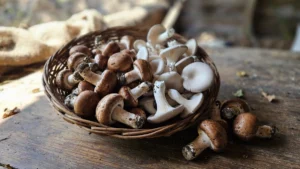
- Button, cremini and portobello mushrooms are the same species at different ages, picked young, browned, or left to grow wide and flat.
- A flush lasts days, not weeks, and the farm names its flush, not a month, so book the fruiting window before the flights.
- Mushroom farms run small, with a handful of rooms and meals shared at one table, so expect plain comfort and damp boots.
- Wild mushrooms can kill, and some deadly kinds look like the edible ones, so never eat a wild mushroom without an expert beside you, and settle the kitchen and the calendar before you pay.
What a mushroom farm retreat actually is
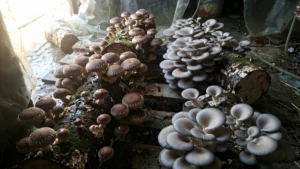
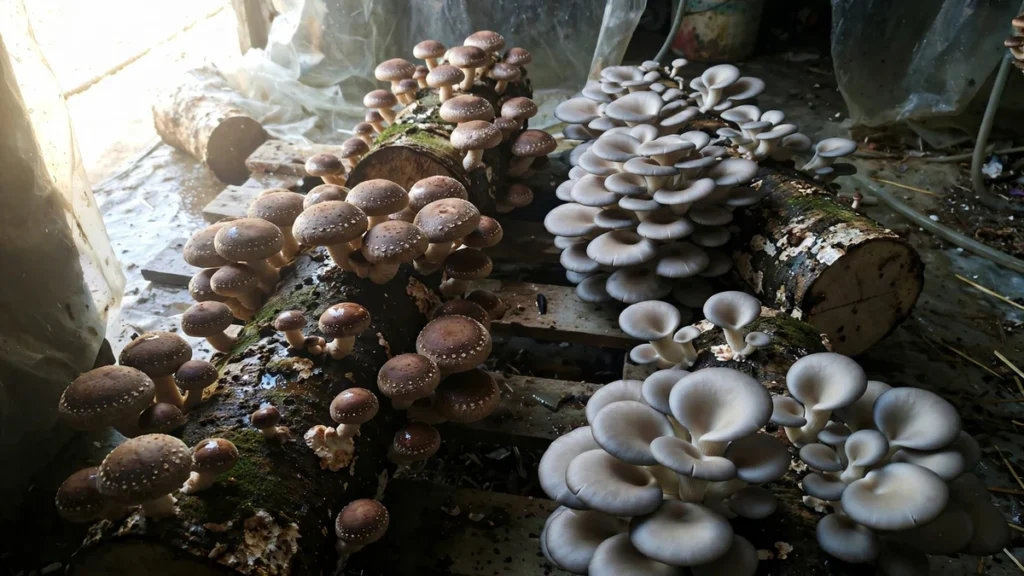
A mushroom farm retreat means three to five nights on a working farm that grows mushrooms, with a flush as the reason for the trip. Guests sleep in a farmhouse room, eat what the farm kitchen cooks, and join the harvest, walking the growing rooms to see caps picked by hand, shiitake cut from logs, and oyster mushrooms torn from bags.
Mushrooms have been farmed for centuries, and the great mushroom regions took shape around the dishes they served. Pennsylvania turned the button mushroom into an industry, Japan dried its shiitake in mountain valleys, Korea grew oyster mushrooms on straw beside the cities, and the Black Forest kept its porcini for the autumn table. The crop is the same everywhere; the cooking is what changes.
Days on these farms follow the flush’s timetable rather than a hotel’s, with supper served at one shared table and genuine work offered to guests who ask for it. The growing rooms are cool and dim, the caps open fast, and a farm that lets you pick your own supper trusts its mushrooms.
How we picked these stays, and what to ask first
We began with where mushrooms truly grow, not where they sell best. A genuine mushroom farm offers growing rooms to walk through, caps to stand among at picking time, and a kitchen working with its own mushrooms. A farm that buys its mushrooms in is not a mushroom farm, whatever the website says.

The finest farms take only a handful of guests at a time, so the picking remains honest labour instead of a performance for visitors. They also spell out in the first email what the nightly rate includes, with supper, the drive in from the nearest town and walks among the growing rooms folded into the price rather than billed on arrival. Plain talk about substrate, flushes and cooking usually means the farm looks after its guests well too.
The 9 best luxury mushroom farm retreats of 2027
Kennett Square, Pennsylvania, USA — Button Mushrooms in the Mushroom Capital
What we like: Mushrooms in Kennett Square grow in the low sheds of Chester County, the town that calls itself the mushroom capital of the world, and the farm fries button mushrooms in butter for supper. The sheds run in long rows, and the kitchen serves fried buttons, mushroom soup and warm bread.
What to consider: The growing rooms are cool and dim, and the town fills on festival weekends, so book the flush week early and bring a warm layer.
Style: Pennsylvanian mushroom-shed farm stay. Best for: Travellers who want mushrooms where America grows most of them. Price range: $65–$95 per night. Standout feature: Button mushrooms picked from the compost beds that morning.
Drenthe, Netherlands — Mushrooms in the Northern Peat Country
What we like: Mushrooms in Drenthe grow in the cool sheds of the northern peat country, and the farm folds them into a creamy soup with herbs. The land is flat, and the kitchen serves mushroom soup, fried caps with farm eggs and warm bread.
What to consider: The northern wind is sharp in the cool months, and the farm sits far from the railway, so arrange the lift in advance.
Style: Dutch peat-country farm stay. Best for: Travellers who want mushrooms the Dutch way, close to the sea. Price range: $100–$130 per night. Standout feature: Mushroom soup from caps picked that morning.
Fujian, China — Shiitake on Hardwood Logs
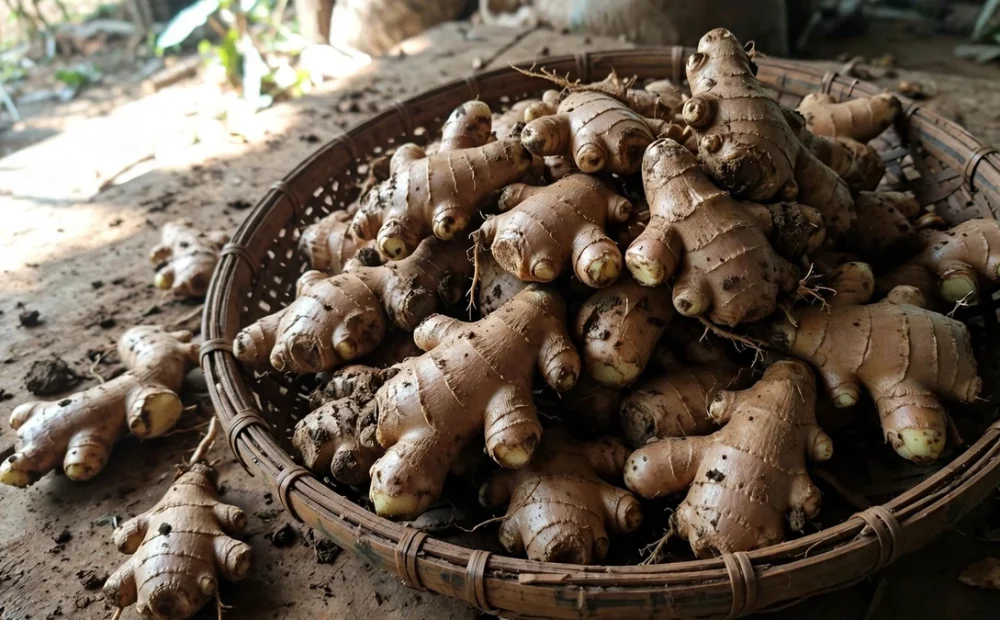
What we like: Shiitake in Fujian grow on hardwood logs stacked in the bamboo hills, and the farm simmers them in a clear broth with ginger. The hills are green, and the kitchen serves shiitake broth, stir-fried caps with greens and steamed rice.
What to consider: The hills are steep and the air is humid, and the farm sits above the town, so the walk back is long.
Style: Chinese hillside log-yard farm stay. Best for: Travellers who want shiitake grown the old way, on wood. Price range: $135–$165 per night. Standout feature: Shiitake cut from hardwood logs that morning.
Gyeonggi, South Korea — Oyster Mushrooms Around Seoul
What we like: Oyster mushrooms in Gyeonggi grow on straw bags in bright growing rooms outside Seoul, and the farm grills them over charcoal for supper. The rooms are warm, and the kitchen serves grilled oyster mushrooms, mushroom pancakes and warm rice.
What to consider: The rooms are warm and damp, and the farm is a drive from the city, so plan the journey before the flush week.
Style: Korean growing-room farm stay. Best for: Travellers who want oyster mushrooms near a great city. Price range: $170–$200 per night. Standout feature: Oyster mushrooms torn from their straw bags that morning.
Oita, Japan — Dried Shiitake in the Mountain Valleys
What we like: Shiitake in Oita grow on oak logs in the mountain valleys, and the farm dries the thick-capped ones in the sun for the winter table. The valleys are quiet, and the kitchen serves dried shiitake simmered in soy, mushroom rice and warm tea.
What to consider: The valleys are remote and the roads are narrow, so allow a day for the journey and travel light.
Style: Japanese mountain-valley farm stay. Best for: Travellers who want shiitake where Japan dries its best. Price range: $205–$235 per night. Standout feature: Thick-capped shiitake dried in the mountain sun.
Qingyuan, Zhejiang, China — Shiitake in the Misty Mountains
What we like: Shiitake in Qingyuan grow in the misty mountains of Zhejiang, where the county is known across China for its mushrooms, and the farm steams them with greens for supper. The mountains are high, and the kitchen serves steamed shiitake, mushroom dumplings and warm rice.
What to consider: The mountain roads are slow in the mist, and the farm books its flush weeks early, so write well ahead.
Style: Chinese mountain farm stay. Best for: Travellers who want shiitake from China’s mushroom heartland. Price range: $240–$270 per night. Standout feature: Shiitake steamed from the misty mountain yards.
Morgan Hill, California, USA — Mushrooms South of San Francisco
What we like: Mushrooms in Morgan Hill grow in the big sheds of the Santa Clara Valley, south of San Francisco, and the farm roasts portobellos with garlic for supper. The valley is warm, and the kitchen serves roasted portobellos, mushroom pasta and warm bread.
What to consider: The valley heat arrives early, and the farm is a drive from the city, so travel in the cool of the morning.
Style: Californian valley farm stay. Best for: Travellers who want mushrooms from California’s big sheds. Price range: $275–$305 per night. Standout feature: Portobellos roasted from the valley sheds.
County Monaghan, Ireland — Mushrooms in the Lakeland County
What we like: Mushrooms in County Monaghan grow in the sheds of Ireland’s lakeland county, where the country’s mushroom trade began, and the farm fries them with farm eggs for breakfast. The lakes are still, and the kitchen serves fried mushrooms, mushroom soup and warm soda bread.
What to consider: The Irish rain is steady in the cool months, and the farm sits far from Dublin, so pack a rain jacket and plan the drive.
Style: Irish lakeland farm stay. Best for: Travellers who want mushrooms where Ireland grows them. Price range: $310–$340 per night. Standout feature: Mushrooms fried with farm eggs at breakfast.
Black Forest, Germany — Forest Mushrooms Under the Pines
What we like: Mushrooms in the Black Forest grow in the farm’s growing rooms and the pine woods around them, and the farm serves porcini with butter and parsley for supper. The forest is dark, and the kitchen serves porcini, chanterelles in cream and warm bread.
What to consider: The farm is the dearest stay here, and the forest season runs in autumn, so plan a year ahead and bring sturdy boots.
Style: German forest farm stay. Best for: Travellers who want mushrooms under the pines. Price range: $345–$380 per night. Standout feature: Porcini with butter from the forest farm.
Which mushroom region fits your trip
If you want mushrooms where the crop is treated as a trade, start with Kennett Square or County Monaghan, where the sheds are widest and the farms are used to guests. A first visit works at either farm, with short walks through the sheds and long meals at the farm’s own table.
If you want scenery with your mushrooms, the Black Forest puts the growing rooms beside the pines, Fujian in bamboo hills, and Qingyuan in misty mountains. All three sit close to towns with markets of their own, so a rest day still tastes of mushrooms.
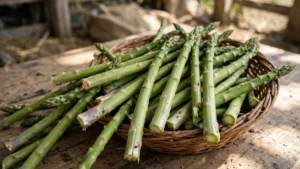
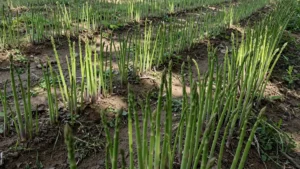
If you want the fungus that grows beside the mushroom, our guide to the truffle farm retreats covers a rarer prize altogether, hunted with dogs instead of picked from beds, and the asparagus farm retreats offer a spring crop instead, with spears and butter rather than caps and broth.
The caveats that matter
Mushroom farming answers to the humidity: farms give a best guess, never a promise, and a trip pinned to one flush day gambles on damp air. The real warning is the mushroom itself.
| Detail | What is known |
|---|---|
| Best time to visit | Year-round for button mushrooms in climate-controlled rooms, with shiitake and oyster flushes running in the cooler months and forest mushrooms in autumn |
| What the work involves | Walking the growing rooms, watching the caps picked by hand from beds, logs and bags, and seeing the mushrooms cooked in the farm kitchen |
| How long a stay runs | Three to five nights, set around a flush |
| Who should take care | Guests with a mushroom allergy, and anyone unused to damp rooms, cool air or steep forest paths |
| What the kitchen serves | Button mushrooms fried in butter, shiitake in broth, oyster mushrooms over pasta, with fresh bread and farm butter beside the plate |
| Wild mushroom warning | Never eat a wild mushroom without an expert beside you, since some deadly kinds look exactly like the edible ones |
| What to pack | Closed walking shoes, a warm layer for cool growing rooms, a rain jacket, and clothes that wash easily by hand |
| What it does not do | No promised flush, no fixed menu, and no hotel-style service on a working farm |
Anyone with a mushroom allergy should ring the farm before booking. A single question about the kitchen and the mushrooms can save you a difficult stay, and a farm that answers honestly is usually worth the visit. The same caution appears in our pumpkin farm retreats, where the kitchens also cook what the farm grew that day.
Checklist: booking a mushroom farm stay honestly
Work through this list before you pay, and go over it again in the week before you travel.
- Get the fruiting window in writing, and ask what happens if the flush is late when you arrive.
- Confirm the nightly rate takes in supper, the drive in from the nearest town and the walks among the growing rooms.
- Ask whether the picking and cooking happen on the farm, and whether the kitchen can serve a meal without mushrooms.
- Before you pay, ask to see the room itself, and try the taps, the bed and the heater, since farm rooms are plain and small.
- Pack for damp rooms and cool air: sturdy shoes, a warm layer, a rain jacket, and clothes you can wash in a basin.
- Leave a day free for the nearest town, so a flush that shifts still leaves you a good trip.
Frequently asked questions
What is the difference between a button mushroom and a portobello?
They are the same mushroom at different ages. A button is picked young, small and white, a cremini is picked a little later and has turned brown, and a portobello is left to grow wide and flat. The flavour deepens as the cap opens, so buttons are mild, creminis are earthier, and portobellos are meaty enough to roast whole.
When is the best time to visit a mushroom farm?
Button mushrooms fruit all year in climate-controlled rooms, so any month works for the big sheds. Shiitake and oyster mushrooms flush best in the cooler months, and forest mushrooms belong to autumn, when the porcini and chanterelles come up in the woods. Ask the farm for its flush window instead of a single date, and hold off booking flights until that window is fixed.
Can you pick mushrooms yourself on a farm stay?
Most farms let guests walk the growing rooms, pick caps by hand and carry the basket to the kitchen. Picking is light work — a gentle twist at the base — so ask the farm what guests may do before you book, and expect damp hands and compost on your shoes. Never pick wild mushrooms on your own, even on a farm walk, without the farmer beside you.
Are farmed mushrooms safe to eat raw?
Most farmed mushrooms are best cooked. Raw button mushrooms are hard to digest and carry soil bacteria from the compost beds, so the farm kitchen fries, simmers or roasts them. A few kinds, like enoki, are eaten raw in salads in some kitchens, but ask the farm cook first and follow what the kitchen does.
Which mushroom region suits a first trip?
Kennett Square is the easiest first trip: the mushroom sheds are widest there, the farms are used to guests, and the button mushrooms fried in butter best show what the crop can do. If you want the story as well as the plate, Oita is the mountain valley where shiitake has been dried for generations.
Do mushroom farms welcome guests with allergies?
Mostly, but say so in the first email. Mushroom spores float in the growing rooms, so a guest with a strong allergy may struggle inside the sheds even if they never eat a cap. The farm can usually arrange outdoor walks and a kitchen that cooks without mushrooms, but settle the allergy and the flush week before you pay.
The bottom line
A mushroom farm retreat suits travellers who prefer damp growing rooms, farm kitchens and mushrooms cooked the farm’s own way to a hotel. The button mushrooms come fresh and mild, the shiitake simmer in broth, and the finest stays feed you from ground they worked themselves.
Settle the flush week before the travel dates, and leave a spare day at the end. When the mushrooms fruit on time you will eat caps picked that morning, and when they do not, the hills, the valleys and the old towns will still carry the trip.