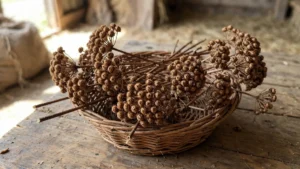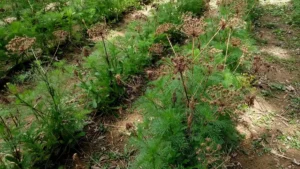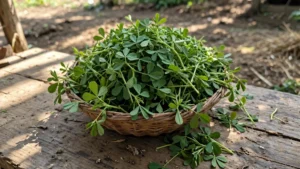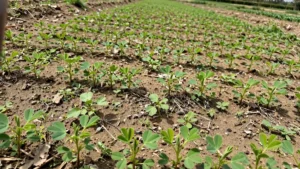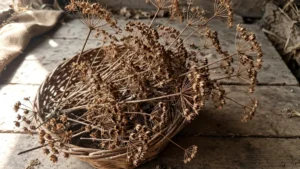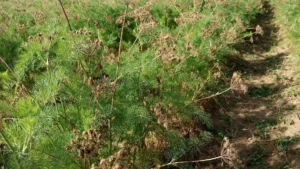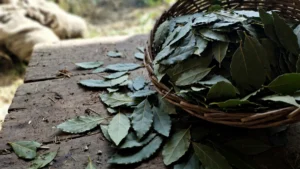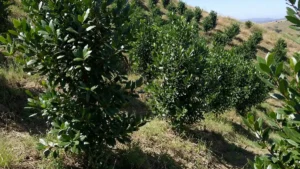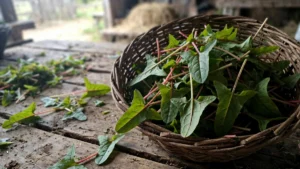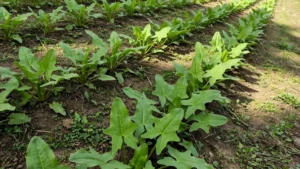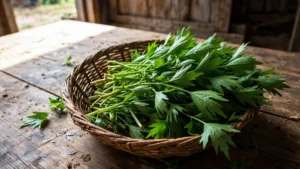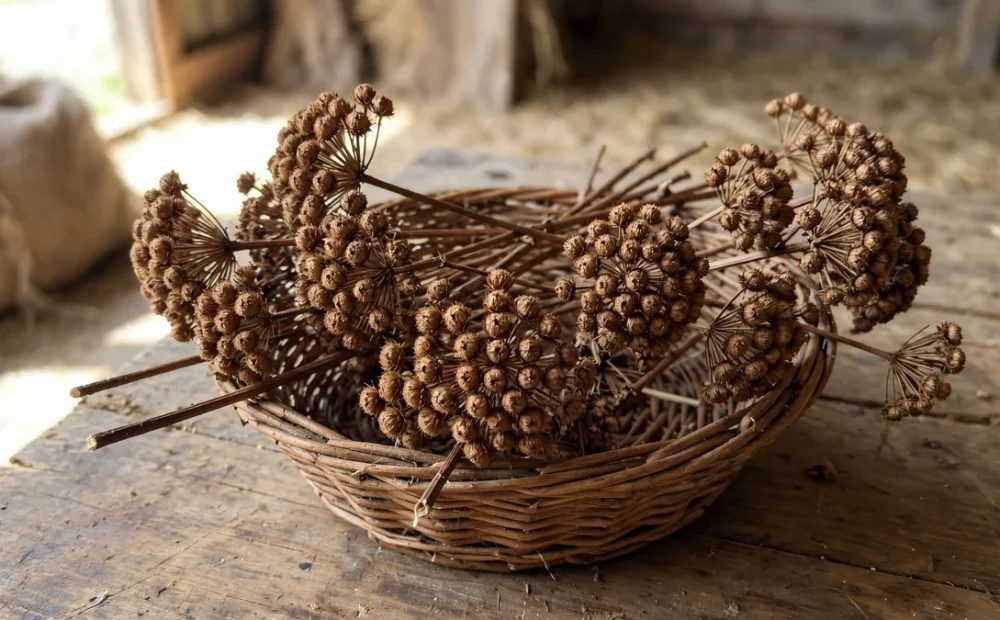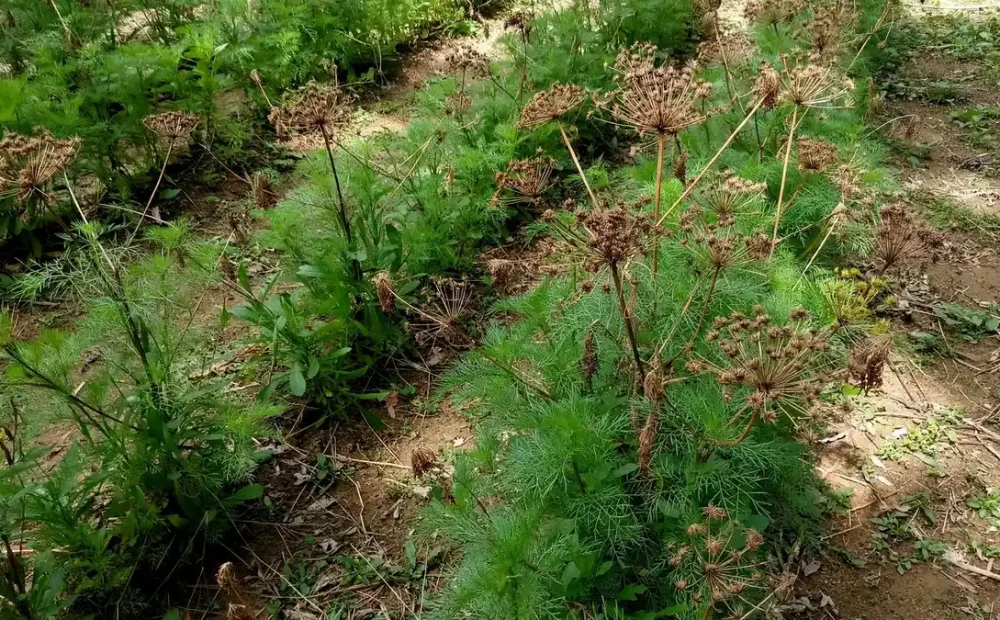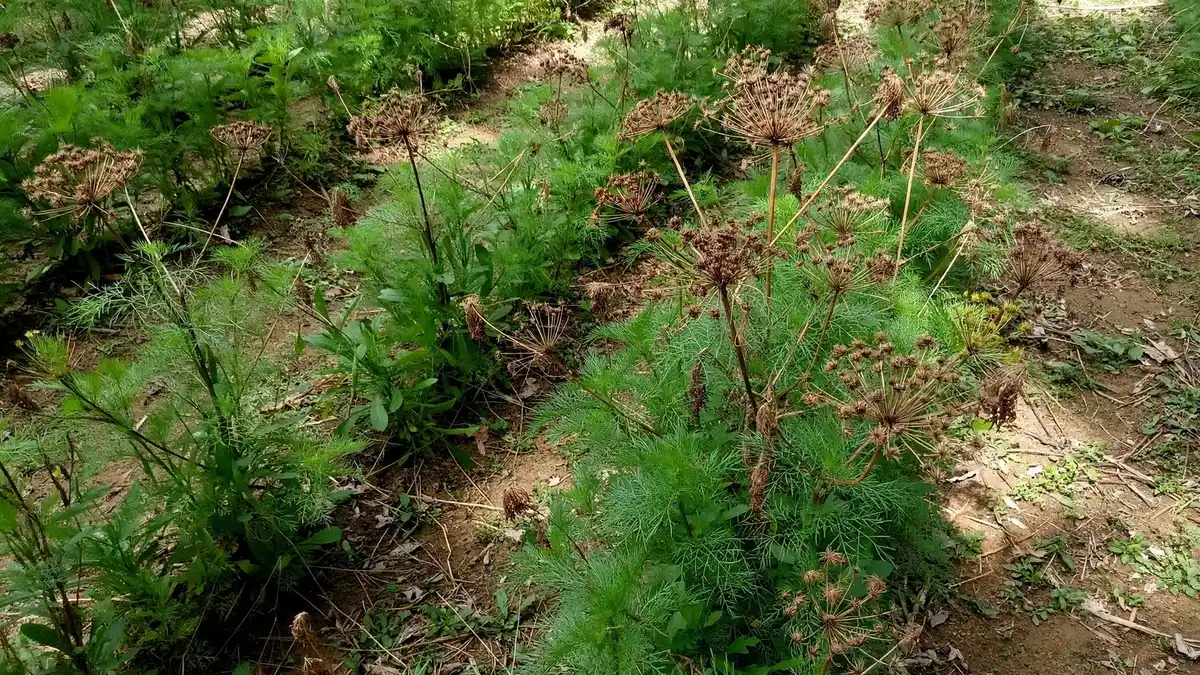
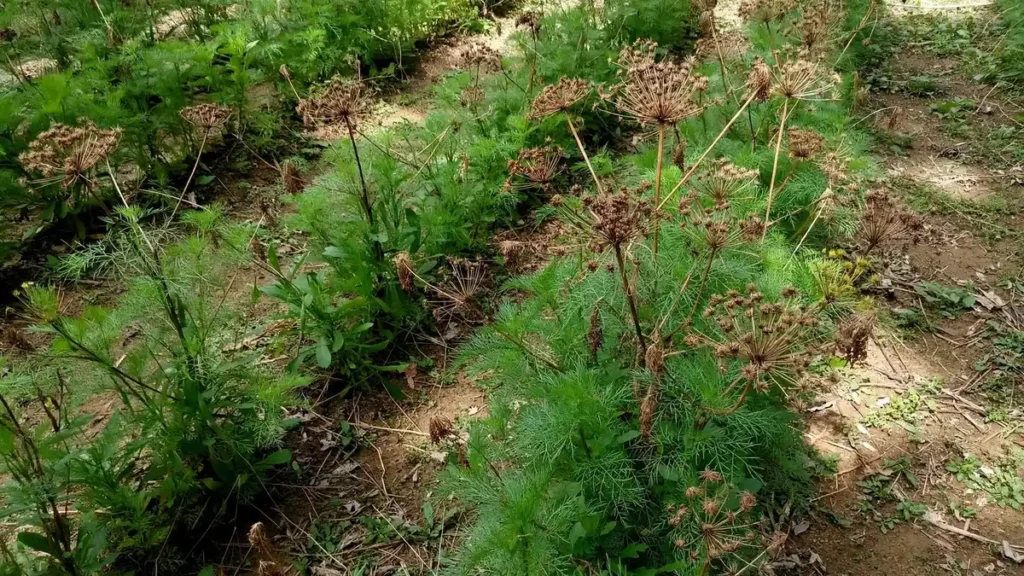
An anise farm retreat is a stay built around a seed you probably know by taste before you know it by sight. Anise, Pimpinella anisum, is the small grey-brown seed behind ouzo, raki, arak, and the liquorice note in bread and sweets. The plant itself is a feathery annual, a metre tall in a good year, with white umbels that turn to seed in late summer. Guests arrive while the heads are ripening, learn to tell a ripe umbel from a green one, and watch the seed dried and threshed in the barn.
These stays are small and working: a family place with a handful of guest rooms, a kitchen that bakes with the seed it grows, and a host who knows which field was sown first and which will be cut first. You walk the rows with a basket, cut umbels with secateurs, and spend the afternoon threshing heads in the shade.
Below are nine anise farm retreats for 2027, from Larnaca at $65 to $95 a night to Sindh at $345 to $380. Every one of them is a farm that happens to take guests, not a hotel with an anise pot on the terrace.
Key takeaways
- Anise farm retreats are working stays built around cutting umbels, drying them in the shade, and threshing the seed.
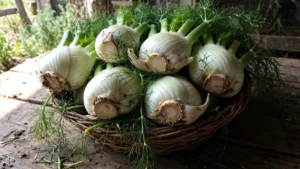
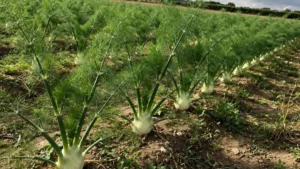
- Anise is Pimpinella anisum, an annual grown for its seed; star anise is a different plant, and fennel is a different plant again, though all three taste of liquorice.
- Cut the umbels once the seed turns grey-brown; green seed dries to nothing, and ripe seed shatters in the row.
- Anise needs a long warm season, light soil, and a dry late summer, so harvest dates move with the weather.
- Anise is in the celery family, so anyone with a celery or carrot allergy should tell the farm before booking.
What an anise farm retreat actually is
An anise farm retreat is a working seed farm that takes a small number of paying guests for a few nights. The farm grows anise as a crop, not as a garnish, and the stay follows the seed calendar. Mornings are spent in the rows with baskets and secateurs, afternoons drying umbels in the barn or threshing them over a sheet, and evenings at a table where anise seasons bread, fish, and the local spirit.
What sets anise apart from the leafy herbs is how small the harvest is, and how much of it happens after the cutting. A whole morning in the rows fills only a few baskets, and the real work is the drying: hung in the shade, turned daily, kept out of the sun, so the seed keeps its sweet liquorice scent instead of going flat.
The stays are modest: a farmhouse room with a window over the rows, a kitchen that smells of anise and warm bread, and a host who can tell anise from fennel by the shape of the seed.
How we picked these stays, and what to ask first
We picked farms that grow anise as a real crop, take small groups, and put the cutting and threshing at the centre. Every farm below grows culinary anise at field scale, offers a guided session in the rows, and cooks at least one meal a day with its own seed.
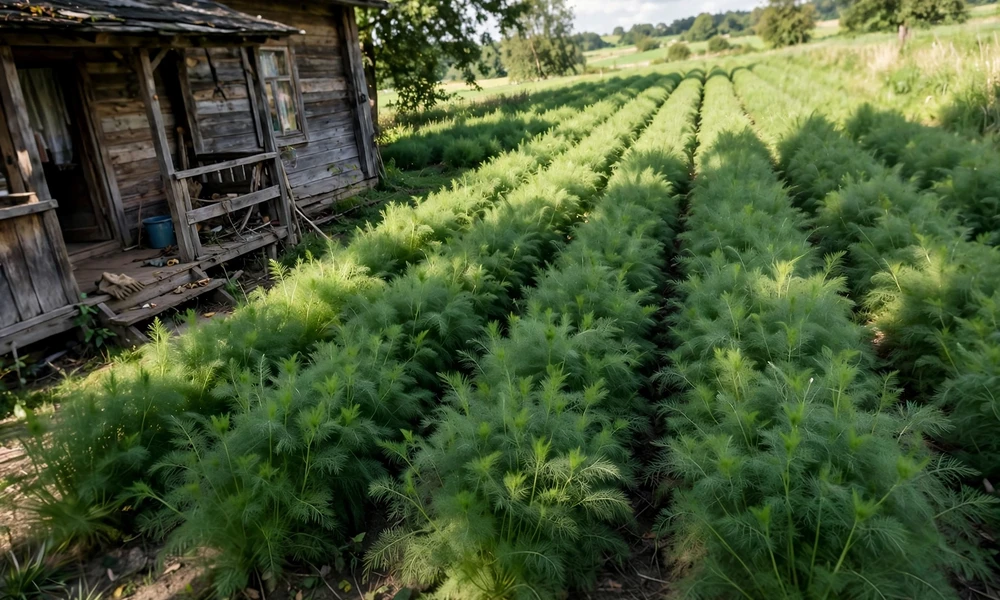
Before you book, ask three questions. First, when is the cutting week, and how much can it move with the weather. Second, how many guests stay at once: a small group can cut side by side, but a large party cannot. Third, what is included: some farms include every meal and the threshing lesson, while others charge for the distilling or the baking class on top.
Also ask about the kitchen. Anise is gluten-free, but a farm kitchen bakes bread in the same room and serves pasta and stuffing most nights. If gluten is off your plate, say so in your first message to the farm, before you set off. The fennel farm retreats we have covered work on the same pattern.
The 9 best luxury anise farm retreats of 2027
Larnaca, Cyprus — Anise by the Salt Lake
On the flat coastal plain outside Larnaca, where the salt lake dries white in summer, a farm grows anise in the light sandy soil, sown in spring and cut in late summer.
What we like: The gentlest anise on this list, from a mild island climate where the season runs long. What to consider: The plain is flat and the summer is hot, and the farm is a drive from the old town. Best for: A first anise trip with a short flight and a warm sea nearby. Style: Whitewashed farmhouse rooms on a coastal plain farm. Price range: $65 to $95 a night. Standout feature: Anise cut beside the salt lake, dried in the farm’s shaded barn.
Thrace, Greece — Anise in the Northern Lowlands
In the wide northern plain of Thrace, between the Rhodope mountains and the sea, a family farm grows anise in deep soil, where the summers are long and the umbels ripen slowly.
What we like: Slow-ripened seed from the north of Greece, plus a kitchen that bakes with it daily. What to consider: The plain is quiet, the farm is a drive from the coast, and the evenings are cool even in summer. Best for: Travellers who want to learn the seed properly, from sowing to threshing. Style: Stone farmhouse rooms on a flat northern farm. Price range: $100 to $130 a night. Standout feature: Anise seed threshed by hand on the plain where the crop has grown for generations.
Aleppo, Syria — Anise in the Old Spice City
On the dry plains around Aleppo, where anise has been traded for centuries, a farm grows the seed in red soil, cutting the umbels in the late summer heat.
What we like: The oldest anise country on this list, from a city where the seed is part of daily cooking. What to consider: The heat is serious, the farm is simple, and the journey needs careful planning. Best for: A traveller who wants anise at its source, with the old spice trade in the background. Style: Courtyard farm rooms on a dry plains farm. Price range: $135 to $165 a night. Standout feature: Anise from the plains around Aleppo, where the seed seasons the city’s bread and sweets.
Adana, Turkey — Anise on the Hot Plain
On the hot Çukurova plain around Adana, where the summers are long, a farm grows anise in wide beds, sown early and cut before the autumn rains.
What we like: Big, fragrant seed from the hottest plain on this list, plus a kitchen that cooks with it in everything. What to consider: The heat is fierce, the plain is flat, and the farm is not a lively place at night. Best for: A short, focused trip to see anise grown at field scale. Style: Farmhouse rooms on a wide valley farm. Price range: $170 to $200 a night. Standout feature: Anise seed from the Çukurova plain, dried in the sun-warmed barn and threshed the same week.
Mardin, Turkey — Anise on the Stone Hills
On the limestone hills above the Mesopotamian plain, where the old stone town of Mardin looks out over Syria, a farm grows anise on terraces, where the dry air ripens the seed.
What we like: Hill-grown anise with a sharp liquorice edge, plus a town of stone houses worth a day on foot. What to consider: The hills are steep, the sun is strong, and the farm is a climb from the road. Best for: Travellers who want anise, old stone, and a high view in one trip. Style: Stone rooms on a terraced hillside above the plain. Price range: $205 to $235 a night. Standout feature: Anise grown on limestone terraces, threshed in the courtyard as the sun sets.
Denizli, Turkey — Anise on the Aegean Plateau
On the high plateau around Denizli, between the Aegean coast and the Anatolian interior, a farm grows anise in light soil, where the summers are dry and the umbels turn grey-brown in late August. The caraway farm retreats we covered are built the same way.
What we like: Clean, sweet seed from a high dry plateau, with a farmhouse that distils its own raki. What to consider: The plateau is windy, the farm is a drive from the coast, and the nights are cool. Best for: Travellers who want to see anise go from the row to the still. Style: Farmhouse rooms on a high plateau farm. Price range: $240 to $270 a night. Standout feature: Anise seed distilled into the farm’s own raki, poured at the evening table.
Çanakkale, Turkey — Anise by the Dardanelles
On the green hills above the Dardanelles, where the strait narrows and the wind runs off the sea, a farm grows anise in sheltered valleys, where the sea breeze keeps the plants cool.
What we like: Late-season anise from a cool coastal valley, with the strait in view from the rows. What to consider: The wind is strong, the coast fills up in summer, and the farm is a drive from the town. Best for: A late-summer trip when the inland plains have gone quiet. Style: Stone farmhouse rooms in a green valley above the sea. Price range: $275 to $305 a night. Standout feature: Anise from the Dardanelles hills, cut late and dried slowly in the sea air.
Luxor, Egypt — Anise on the Nile Bank
On the green strip of the Nile bank at Luxor, between the river and the desert, a farm grows anise in irrigated soil, where the seed ripens fast and the cutting week comes early.
What we like: The earliest anise on this list, from the Nile bank where the crop has grown since ancient times. What to consider: The heat is extreme, the farm is simple, and the journey is long. Best for: A once-in-a-lifetime seed trip with the temples a short ride away. Style: Mud-brick farm rooms on an irrigated riverside farm. Price range: $310 to $340 a night. Standout feature: Anise seed from the Nile bank, threshed in the yard as the river boats pass.
Sindh, Pakistan — Anise on the Indus Plain
On the wide Indus plain of Sindh, where the summers are long and hot, a farm grows anise as a winter crop, sown after the monsoon and cut in the cool of the spring. The dill farm retreats we covered are built the same way.
What we like: The most serious anise on this list, from a plain where the seed is a way of life. What to consider: The journey is long, the farm is simple, and the season is the opposite of the Mediterranean. Best for: A winter anise trip, when every Mediterranean farm has gone quiet. Style: Whitewashed farm rooms on a wide river plain farm. Price range: $345 to $380 a night. Standout feature: Anise seed threshed and winnowed in the farmyard, the way it has always been done.
Which anise region fits your trip
First-timers should start in Larnaca or Thrace. Larnaca gives you mild weather, a short flight, and a gentle first cutting week. Thrace adds the seed at its slowest, with a farmhouse that bakes with it daily. Both harvest in late summer, and both make a good short first trip.
If you already know anise and want to learn something new, go to Aleppo or Luxor. Aleppo teaches anise as a spice-trade crop; Luxor teaches it on the Nile bank, where the cutting week comes early and the temples are a short ride away.
If you want sun, sea, and a change of scene, pick Çanakkale or Denizli. Çanakkale pairs late-season anise with the strait and the green hills, and Denizli pairs high-plateau seed with a farmhouse that distils its own raki. Both cost more, but both hand you a cutting week that is yours alone. For a winter trip, when the Mediterranean has gone quiet, Sindh is the one place still cutting.
The caveats that matter
Anise is a hardy plant, but that does not make the harvest simple. A hot spell can ripen the umbels a week early, a wet late summer can rot the seed on the stem, and a dry spring can leave the plants small. A farm that promised August may call you in July to shift it. Good farms move your dates without a fee, so book a ticket you can change and treat the cutting date as a window, never a fixed promise.
| Detail | What is known |
|---|---|
| Best flavour window | Once the seed turns grey-brown in the umbel; green seed dries to nothing |
| Anise vs star anise | Anise is Pimpinella anisum, a seed; star anise is Illicium verum, a star-shaped fruit |
| Anise vs fennel | Anise is an annual grown for seed; fennel is a perennial grown for bulb or seed |
| Seed care | Dry the umbels in the shade before threshing, or the seed loses its scent |
| Sowing and season | Sown in spring after the last frost; needs a long, warm, dry summer |
| Soil and water | Light, well-drained soil and steady water; wet feet rot the roots |
| Gluten in farm kitchens | Anise is gluten-free, but farm kitchens bake bread and stuffing in shared spaces |
| What it does not do | It does not replace a cooking course, and it will not settle next year’s dates |
If you are pregnant, or you take medication that interacts with herbal oils, tell the farm before you book. Anise oil is strong, and the farms handle the cutting, the drying, and the threshing in close quarters, with a sweet liquorice scent in the air. A short note sent in advance lets the host shape the sessions around you.
Checklist: booking an anise farm stay honestly
Use these checks before you book, and again the week before you travel.
- Check the plant: which anise does the farm grow in your week, and is it Pimpinella anisum, not star anise or fennel.
- Check the cutting dates: ask for the full cutting window, not one fixed day.
- Check the group size: few guests keep the cutting session hands-on.
- Check what the price covers: meals, lessons, and market trips, or if they cost extra.
- Check the kitchen: mention gluten-free needs or a celery-family allergy before you pay.
- Check the weather plan: ask what happens if heat, rain, or a dry spell hits the cutting week.
Frequently asked questions
How is anise different from star anise?
No. Anise is Pimpinella anisum, an annual herb grown for its small grey-brown seed. Star anise is Illicium verum, a tree from East Asia grown for its star-shaped fruit. Both taste of liquorice because both contain anethole, but they are different plants.
When is anise harvested on the farms?
Seed is cut once the umbels turn from green to grey-brown and the seed rattles when you shake the head, usually late summer in the Mediterranean and spring in Sindh. The dates shift with heat and rain, so farms confirm only a few days ahead.
Do guests get to cut anise themselves?
Yes, on every farm in this list. Guests cut umbels with secateurs into a basket or a paper bag, and the farm shows you how to take a head without shaking the seed out.
Which anise region is best for a first trip?
Larnaca, for mild weather, a short flight, and a gentle first cutting week, or Thrace, for a slower introduction with the seed and the farmhouse table nearby. Both harvest in late summer; either makes a good short first trip.
Can you taste anise straight from the row?
Yes, if the farm says the rows are unsprayed and the seed is clean. Most of these farms grow without sprays, but ask before you taste, and chew a few seeds first.
Is an anise farm stay workable if you eat gluten-free?
Mostly yes, as long as the farm knows ahead of time. Anise itself is gluten-free, and most farms can set aside a clean board and a separate pot. A small kitchen may not promise zero cross-contact, so ask outright before you pay.
The bottom line
The best anise farm retreat in 2027 matches your dates and your cooking. Larnaca is the classic, Sindh the adventure, and Denizli the distilling trip, but any of the nine will give you anise cut in the morning and baked by evening.
Book the window the farm offers you, never a single fixed day. Hand the farm your food list before you travel. Cut once the seed turns grey-brown, and carry home the dried seed rather than fresh umbels.